Why South Africa's Legacy Automakers Make More Than Just Cars
We look at South Africa's "legacy" automakers and how they are crucial for the economy, going beyond just selling cars to underpin a vast industrial supply chain. Despite competition from allegedly subsidised Chinese imports, locally built models like the Toyota Hilux, VW Polo Vivo, and Ford Ranger remain top sellers. However, the future could see a shift, with Chinese brands potentially building cars locally too!


The debate around the influx of allegedly subsidised Chinese vehicles into South Africa casts a crucial spotlight on the importance of the nation's established automotive manufacturers. Far from being mere competitors in a global marketplace, brands like Toyota, Volkswagen, Ford, Isuzu, BMW, Mercedes-Benz, Mahindra and Nissan, which have long-standing production facilities in South Africa, represent the bedrock of a sophisticated industrial ecosystem, a significant job creator, and a vital contributor to the national economy.
Related: The Chinese Car Revolution: Is it Reshaping South Africa's Automotive Future?
More than a car
These "legacy" brands are not just selling cars but building them right here in South Africa. This local manufacturing goes far beyond the assembly line, fostering a complex and deeply integrated supply chain. Components, from wiring harnesses to catalytic converters, are sourced from a network of local suppliers, driving demand and creating jobs across countless industries.

The numbers
The South African automotive sector directly employs around 110 000 people within manufacturers, suppliers, and dealerships, but its multiplier effect is profound. It indirectly supports an estimated 1.5 million people across its extensive network. This makes the industry one of the largest economic sectors by revenue, contributing approximately 4.3% to the country's GDP and accounting for over 17% of total manufacturing output.
The sales figures of locally produced vehicles underscore their enduring popularity and market dominance. In June 2025, for instance, the Toyota Hilux continued its reign as South Africa's best-selling bakkie, shifting 3 035 units. Its SUV stablemate, the Toyota Fortuner, also locally produced, sold a respectable 878 units.
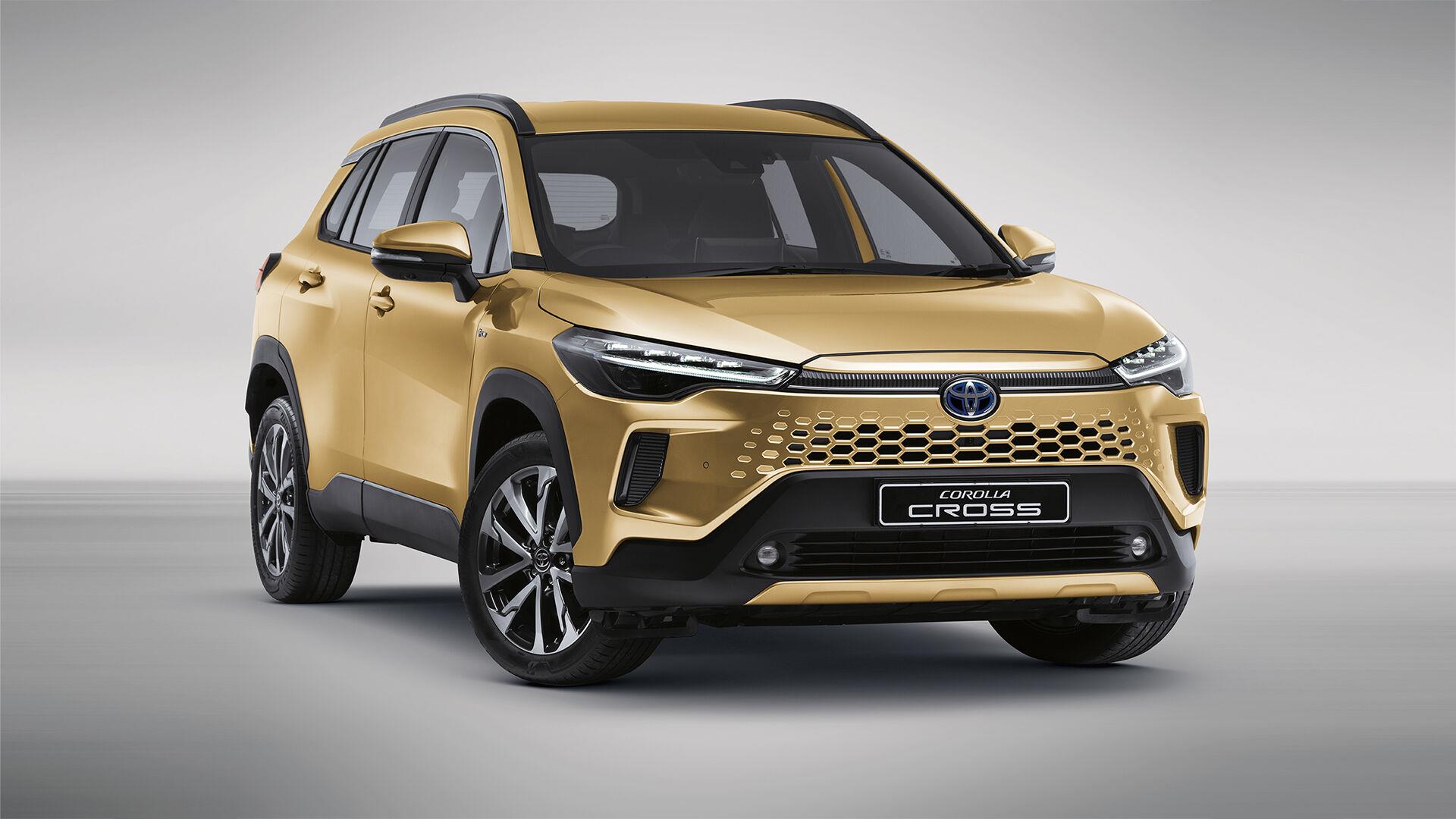
The passenger vehicle segment saw the Toyota Corolla Cross take the lead with 2 132 units, while the Volkswagen Polo Vivo, a proudly Kariega-built hatchback, secured second place with 1 962 units. The Ford Ranger, manufactured in Silverton, also demonstrated strong performance, selling 2 318 units and maintaining its position as a top-selling double-cab while its Amarok twin with which it shares a production line also sells reasonably well, with 354 units sold in June 2025.
Isuzu's Struandale-built D-Max was another strong performer in the bakkie segment with 1 678 units. Even luxury vehicles like the BMW X3 (manufactured in Rosslyn) and the Mercedes-Benz C-Class (produced in East London) represent significant investments in local production. However, their monthly sales figures are not individually broken out in public reports in the same granular detail as volume sellers; they contribute significantly to high-value manufacturing and exports. The Nissan Navara, produced in Rosslyn, sold 403 units in June, showing its continued presence in the competitive bakkie market.

The need for local production
The continued success of these locally manufactured vehicles is critical for maintaining industrial capacity, fostering skills development, and ensuring the stability of a vast employment network. As the market experiences disruption from external forces, the argument for supporting and incentivising local production becomes even more compelling.

How are importers able to undercut?
The ability of imported cars from China and even brands like Suzuki (which often source their affordable models from India) to undercut the price of locally built cars in South Africa is a multifaceted issue driven by a combination of factors:
1. Subsidies
Direct Government Support: Some governments substantially subsidise their automotive industries. This can include direct financial aid, tax breaks, cheap land, low-interest loans, and even direct equity injections. This reduces the manufacturers' cost of production significantly, allowing them to export vehicles at highly competitive prices, even after factoring in shipping and import duties.
Strategic Market Penetration: These subsidies are often part of a long-term strategy to gain global market share. Once a brand establishes a strong foothold and weakens local competition, it may be able to adjust pricing.
2. Economies of Scale in Origin Countries
Massive Production Volumes: China and India are the world's largest automotive manufacturing hubs, producing millions of vehicles annually. This enormous scale allows manufacturers to achieve significant economies of scale, driving down per-unit production costs. They can negotiate better deals for raw materials, invest in highly automated factories, and optimise supply chains in ways that are difficult for smaller-volume producers to match.
Lower Manufacturing Costs: Both countries generally have lower labour costs than South Africa, which directly impacts the final price of the vehicle.
3. South Africa's Production Cost Challenges:
Higher Local Input Costs:
Labour Costs: While South Africa's automotive workforce is highly skilled, labour costs are generally higher than in India or China.
Electricity & Infrastructure: Local manufacturers face challenges with unreliable and expensive electricity (load shedding), which adds to operational costs.
Logistics: Internal logistics and transport costs within South Africa can also be a factor.
Steel Prices: The local automotive industry has faced challenges with the supply and cost of local steel, forcing it to import steel at higher prices, with additional logistical complexities and foreign exchange exposure.
Smaller Production Volumes: While South Africa's automotive output is significant for the continent, it's a relatively small player on the global stage (around 22nd in global production). This means local plants often produce lower volumes of specific models than their counterparts in high-volume countries, making it harder to achieve the same economies of scale.
Ageing Infrastructure (in some cases): Some legacy plants may require significant ongoing investment to remain competitive with newer, more efficient factories in other countries.
4. Import Duties and Taxes (While present, can be offset):
South Africa imposes a 25% import duty on passenger vehicles (based on CIF value) from non-SADC countries, plus 15% VAT and an ad valorem tax (luxury tax) that increases with vehicle value.
Despite these duties, the initial low production cost from highly subsidised or massive-scale foreign factories still allows imported vehicles to be priced competitively. For example, some Chinese cars can cost significantly less in China than their South African retail price, even after import duties are applied. This suggests the initial cost base is extremely low.
An interesting point is that the ad valorem duty formula hasn't been adjusted in 31 years, meaning budget models today are taxed similarly to luxury models of decades past, disproportionately affecting affordability.
5. Product Strategy and Market Segmentation:
Legacy Brands Moving Upmarket: Over the past 15 years, many locally manufactured vehicles (especially sedans and hatchbacks) from legacy brands have gradually shifted upmarket in terms of features, technology, and price, creating a gap in the lower-to-mid price segments.
Imports Filling the Gap: Brands like Suzuki and the new Chinese entrants have strategically targeted this affordability gap, offering well-specced SUVs and hatchbacks at price points that appeal to budget-conscious consumers. Many Japanese and Korean cars sold affordably in South Africa are imported from India, where production costs are very low. For example, 84% of Japanese-branded light vehicles and 81% of South Korean-branded cars sold in SA in 2024 were imported from India.
In essence, while South African manufacturing benefits from government incentives like the APDP to remain globally competitive (especially for exports), the combination of foreign subsidies, massive economies of scale in source countries, and various domestic cost pressures makes it challenging for locally built cars to compete purely on price with some imports.

We have one local Chinese car maker
Chinese brand BAIC has already built a facility locally, which is located in the Coega Special Economic Zone (SEZ) near Gqeberha (formerly Port Elizabeth) in the Eastern Cape. It's a joint venture between the Chinese state-owned BAIC Group (holding 65% equity) and the South African state-owned Industrial Development Corporation (IDC) (holding 35%). It represents a substantial investment, initially announced as an R11 billion project, making it one of the most significant automotive investments in South Africa in recent decades. The plant is intended to assemble vehicles from Completely Knocked Down (CKD) kits, with aspirations for increased local content over time. It's designed to serve the local South African market and be a springboard for exports into the rest of Africa, the Middle East, and Latin America. The initial phase was planned for a capacity of 40 000-50 000 units per year, with a second phase aiming for between 80 000-100 000 units.
While the plant was officially unveiled in 2018 (with presidents Ramaphosa and Xi Jinping attending via video link), its production has faced significant delays and challenges. Reports in 2024 indicated that the plant had assembled a very low number of units (around 300 in six years), far below its targets. Reasons cited for these struggles include labour disputes, the COVID-19 pandemic, supplier troubles, and the need to grow brand and market share. Despite the slow start, there are ongoing discussions and apparent plans for BAIC to increase investment and expand the plant's services, indicating a continued commitment to local production in South Africa. Recently, Foton Motor (the commercial vehicle wing of BAIC) announced its intention to produce the Tunland G7 and the larger Tunland V9 double-cab bakkies in South Africa. Plant upgrades at the BAIC facility are expected to be ready by November 2025, with production for the Tunland G7 scheduled to commence by mid-December 2025 and the Tunland V9 by the end of the first quarter of 2026.

Will more join?
Chery South Africa has publicly confirmed that it is in the second phase of a feasibility study to explore establishing an assembly plant in the country. This move would be a significant step, potentially involving semi-knocked-down (SKD) or completely knocked-down (CKD) kits, contract manufacturing, or even a greenfield investment.
Discussions with the South African government are underway, indicating a serious intent. Should this materialise, it could transform Chinese brands from purely import-driven entities into contributors to local job creation and industrial development, potentially shifting the dynamic from one of concern to one of shared growth within the South African automotive landscape. The future of South Africa's automotive industry hinges on striking a balance that champions local production, ensures fair competition, and adapts to global shifts while maximising national economic benefit.