Which Toyota Corolla engine is best: Petrol or diesel?
Toyota’s Corolla is one of these evergreen cars that people tend to ignore until they’ve owned one, after which the respect levels border on the fanatical. Whether you choose a petrol or hybrid derivative, you are likely to be extremely satisfied if you need an honest, fuss-free car.


Well, you can't buy a diesel-engined Corolla anymore, because Toyota doesn't make them anymore. They do have something in its place, though, and it's sure to have just as much appeal to cost-conscious buyers. The engine options here refer to the Series 1 range of the eleventh-generation Corolla. There has been a model update recently that switches things up.
The Corolla success story
Toyota’s Corolla is the world’s best-selling car of all time. Okay, that’s a little misleading, because although well over 40 million Corolla-branded cars have been sold since 1966, the car has evolved to the point where it is hardly recognisable as the dinky little run-around it was back when the Beatles’ haircuts were still considered to be “outrageous”.
On the other hand, all 21,5 million classic Volkswagen Beetles (not to be confused with the aforementioned pop stars) produced between late 1945 and 2003 had recognisable DNA over that entire half century of production.

That’s not to take anything away from the Corolla’s success story, though. The nameplate was introduced locally in 1975 with the third-generation model, and the 12th-generation Corolla has been around since 2019. The eleventh-generation model remains in production in Prospecton (outside Durban) as the Corolla Quest, alongside the new Corolla Cross, while the latest sedan and hatchback variants are fully-imported.
And, in spite of the SUV-pocalypse, which has been decimating sedan sales recently, the Corolla sedan remains fairly popular in South Africa. But Toyota SA also has a fresh attack at the ready, already offering the hot-selling Corolla Cross to rake in those sales that would otherwise have gone to other crossovers.
Related: Meet the smooth operator - The Corolla 2.0 XR manual left a very favourable impression in this review.

Current engine range
In the current (twelfth-) generation, you were able to choose between four powertrains. Not all engines were available with all body styles, and certain engines are limited in their transmission choices as well. More recently, some engine options have been dropped, in favour of others.
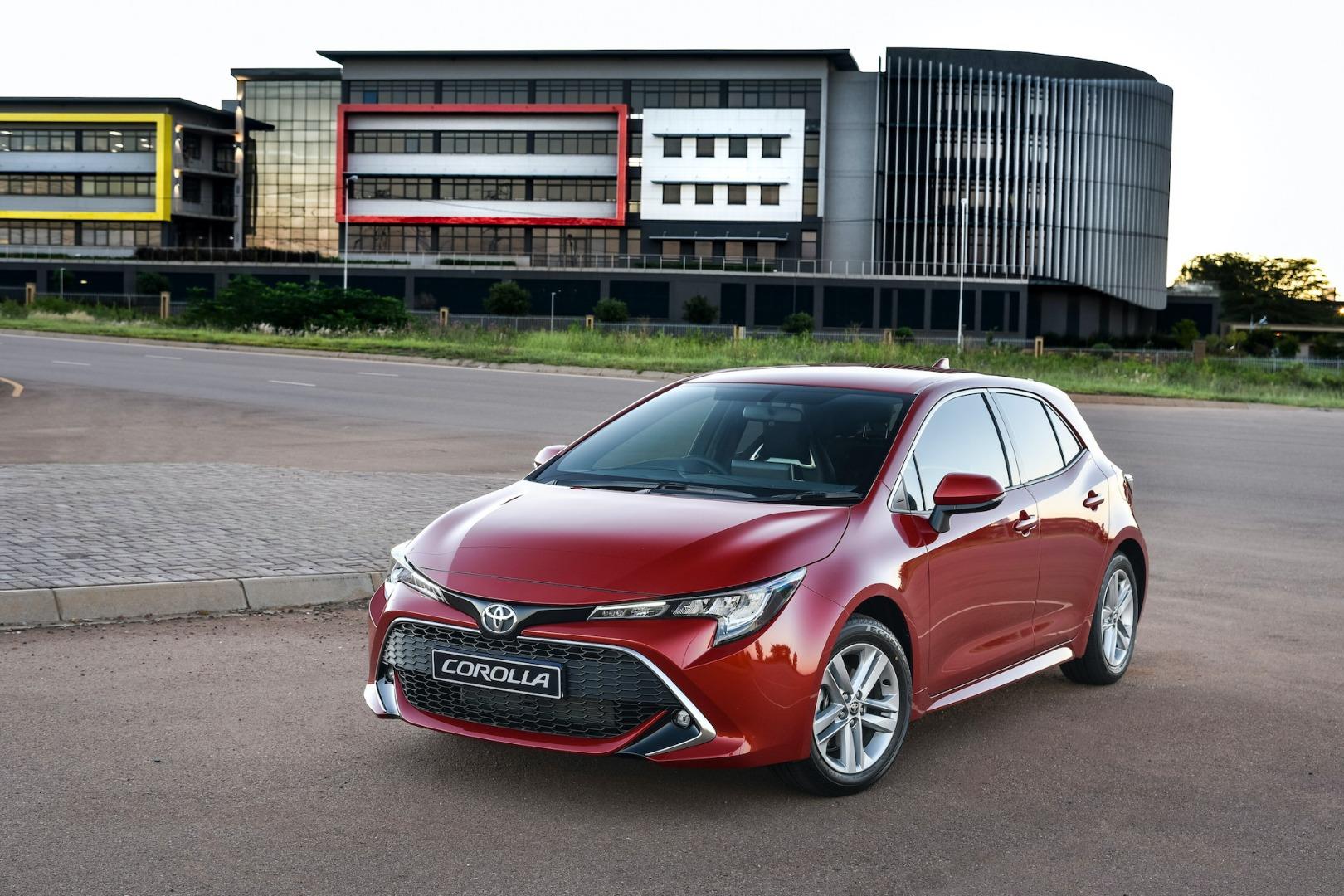
The Hatch (which replaced the Auris) was the only Corolla to feature the 1.2-litre turbo petrol power unit. Rated at 85 kW and 185 Nm, it can be mated with a 6-speed manual gearbox or a CVT - the latter is decent for its type, but the manual is definitely nicer to drive. This engine has been discontinued in the Corolla range.

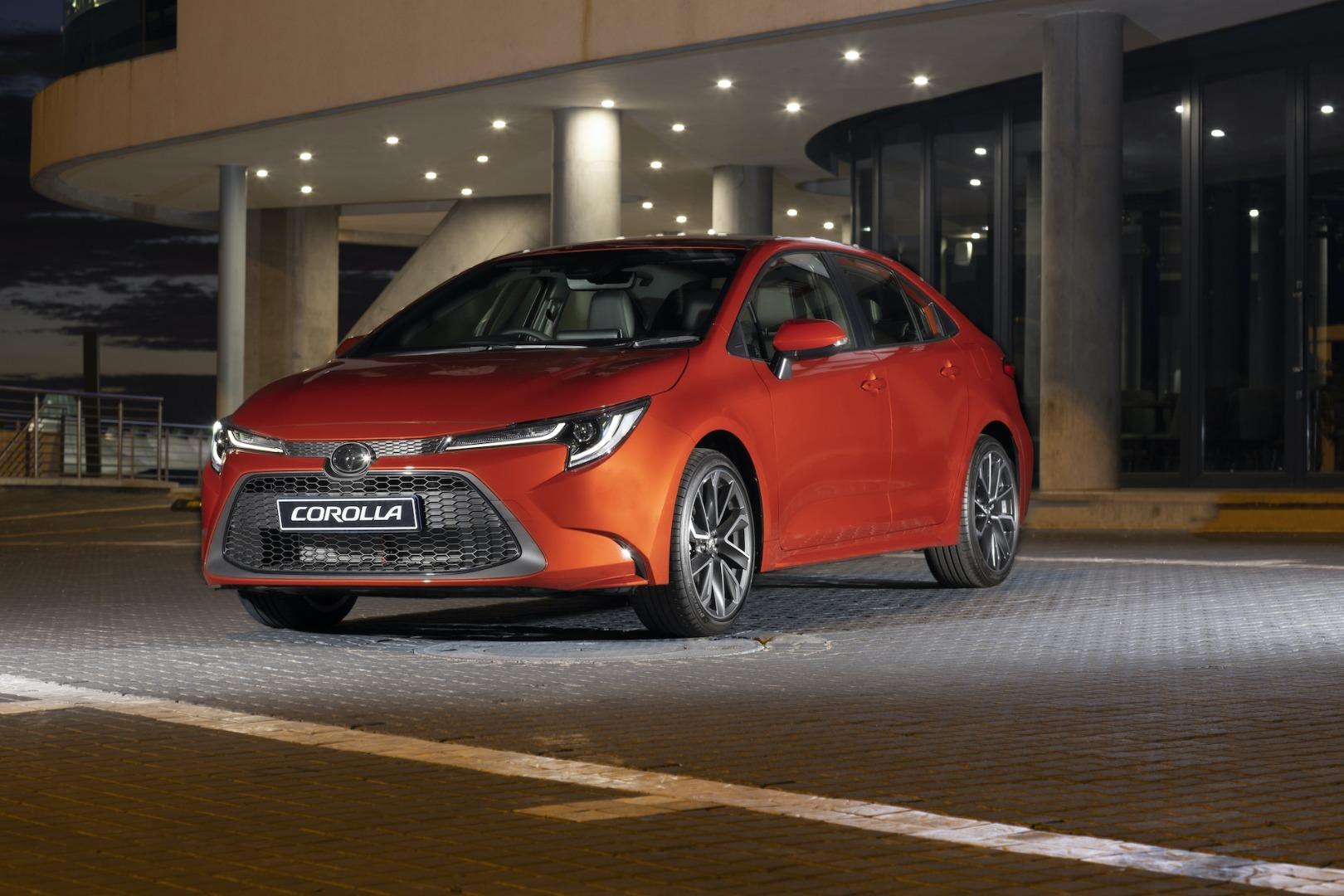
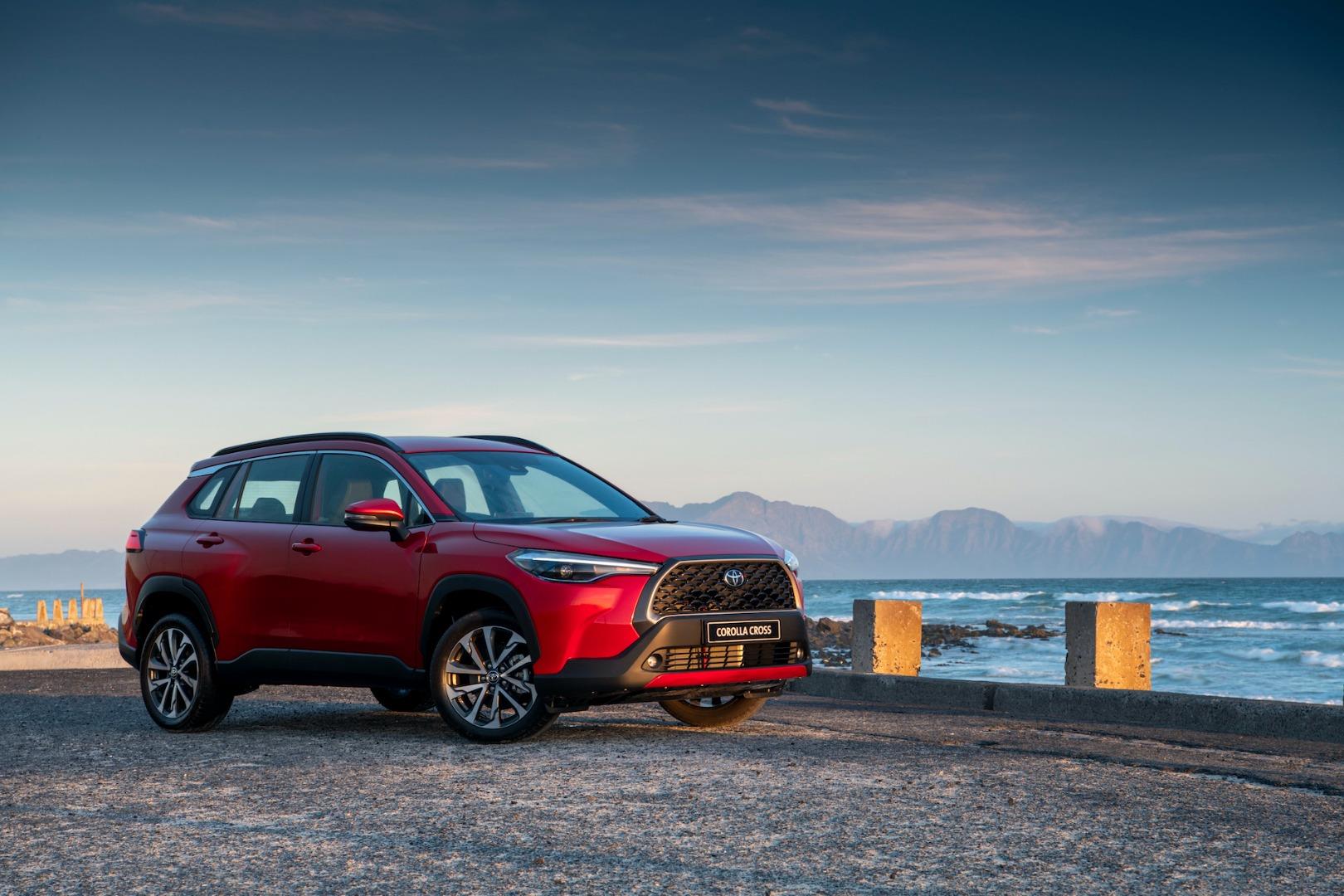
Next up is a 1.8-litre non-turbo petrol, which is the base engine for the Corolla Cross. It's rated at 103 kW and 172 Nm, and comes only with the CVT.
The economy option is the Hybrid, once again for both Corolla Hatch, sedan and Cross, which pairs a re-tuned 1.8-litre engine with an electric motor to produce a combined output of 90 kW. This one definitely isn't a performance powerplant, but it's entirely adequate for most driving conditions - and rather a lot more frugal than the petrol-only 1.8-litre.
Related: The Corolla Hybrid proved to be a comfortable fuel-saver on test, and even offers good value for money.
It's a pity that the 2.0-litre petrol is only available in the Corolla Hatch and sedan, because it would suit the heavier Cross very well indeed. Toyota offers this engine with a CVT only. 126 kW and 203 Nm aren't amazing output figures these days, but definitely come closer to the term "sporty" than any of their stablemates.

Performance
The latest Corolla still maintains the recent Corolla trend of focusing on efficiency rather than spectacular performance. Even the hottest (current) Corolla, the 2.0 XR manual, needs a claimed 8.0 seconds to get from a standstill to 100 km/h.
For the hottest Corolla experience, one has to look towards the recently released and limited-number-run Toyota GR Corolla. Packing an even-hotter version of the wonderful little GR Yaris's 3-cylinder, 1.6-litre powerhouse and brilliant AWD system into the Corolla Hatch body, this hot new hatch further rekindles enthusiasts' affections.
Related: We compared the petrol-only, non-GR Toyota Corolla engines to decide which one deserves the efficiency crown.

Further down the model range, things are a lot less entertaining. The 1.2T with a manual gearbox is the quickest current hatch, with the 1.2T CVT hatch and 1.8 (CVT-only) sedan posting almost-identical, mid-10-second sprint times from 0 - 100 km/h. Meanwhile, the range-topping 2.0 XR Auto is claimed to need 8.6 seconds for the benchmark sprint, so it's not very quick, either.
The hybrids bring up the rear - Toyota doesn't even quote performance claims for these variants, but getting to 100 km/h should take about 11.5 seconds of merciless flogging in the sedan and about a second longer in the heavier Cross. (We're guessing here, so take it as read that neither Corolla nor or Cross Hybrid are at all quick.)
It is worth noting that the GR-Sport variants of the Corolla Cross offer no discernable performance advantage over their non-GR counterparts.
Related: The Corolla Hatch's 1.2-litre turbo engine was both lively and frugal on test.

Fuel consumption
The hybrids don't need to be quick, though, because they specialise in a different field: fuel efficiency. When we reviewed the latest Corolla sedans in both petrol- and hybrid forms, the hybrids consistently proved to use around 30% less fuel in similar driving patterns. Expect to see no higher than 6.0ℓ/100 km in the real world - we averaged 5.0ℓ/100 km in our review, and Toyota claims as low as 3.5ℓ/100 km.
Related: See how the Corolla Hybrid performed in our real-life fuel consumption test run.
In contrast, the 2.0 XR manual we reviewed proved to be rather thirstier than expected, registering mid-9 ℓ/100 km averages. Real-world driving will likely see the 1.2T Hatch post the next-lowest average consumption, as it registered mid-7 ℓ/100 km averages on test. (Toyota reckons that the 1.2T CVT should use 6.4 ℓ/100 km, but that would take an open road and a light accelerator foot.

The 1.8-litre doesn't do too badly, either, with its claimed average of 6.2 ℓ/100 km being very close to that of the 1.2T. For this reason, it's reasonable to expect similar mid-7 ℓ/100 km real-world averages from the 1.8 sedan as well.
As for the Cross, its added weight and greater frontal area comes with a consumption penalty. The claimed average consumption increases to 6.8 ℓ/100 km and 4.3 ℓ/100 km, for the all-petrol and hybrid power units, respectively. Expect mid-to-high 7 ℓ/100 km from the base Cross and mid-5 ℓ/100 km averages from the hybrid in normal driving.

Which one would we choose?
The driving enthusiast would most likely opt for a 2.0-litre manual, on account of its naturally-aspirated engine and three pedals. For the buyer who keeps a vehicle's running costs front of mind, the Hybrid is the obvious choice. But arguably the best-balanced powertrain in today's Corolla range sits right at the bottom of the hierarchy: The Hatch's 1.2T presents an excellent blend of sparkling dynamics, turbocharged torque, and real-world frugality.