
Which Toyota Auris is better: diesel or petrol?
Which Toyota Auris is better: diesel or petrol?


By Farzana Chaumoo
Buyers are usually of the impression that diesels and hybrids typically use less fuel than their petrol counterparts and will save them money in the long run, but is this true?
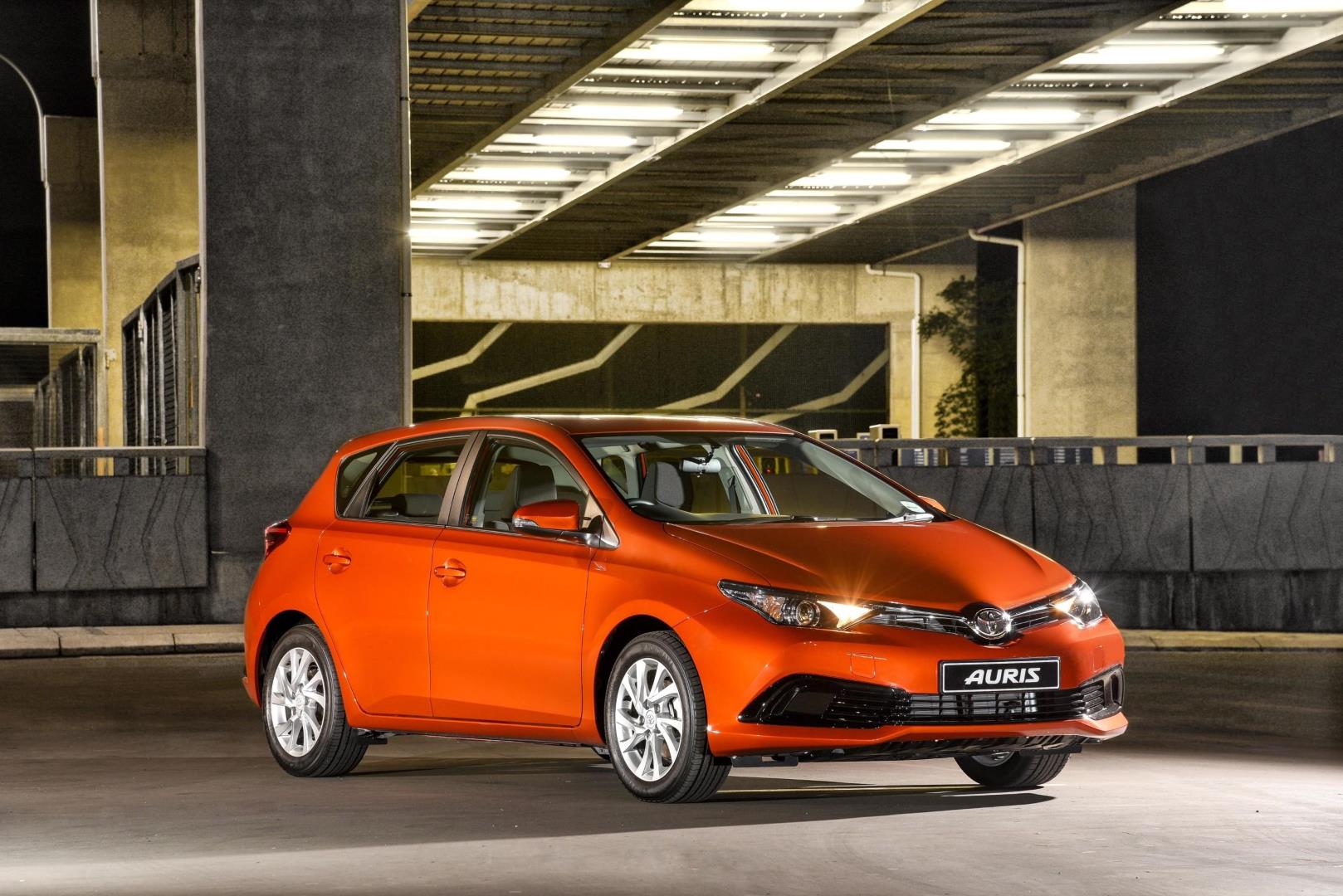
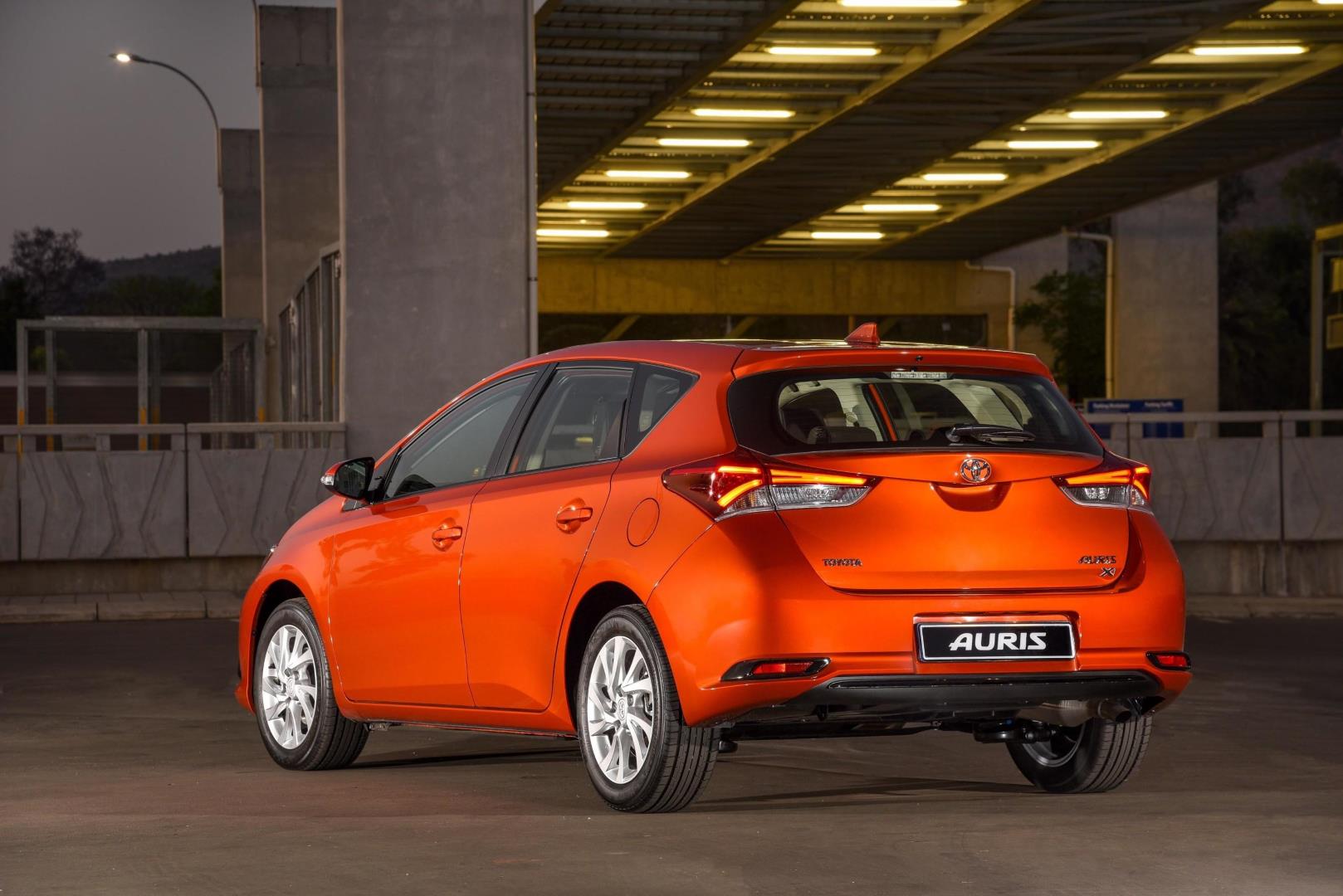
The new third-generation Toyota Auris made its global debut last year, sporting a more dynamic design and offering new engines. However, it reverted to the Corolla nameplate for most international markets, meaning that the Auris nameplate will henceforth only be found on the used car market.
In the local market, the 2018 Corolla Hatchback offers buyers only one conventional engine – a 1.2-litre turbo petrol unit, but international markets also receive a 1.8-litre hybrid powertrain or a naturally-aspirated 2.0-litre petrol. The 1.2 turbo unit is shared with the C-HR crossover and provides an impressive blend of power, torque, frugality and refinement.
The 1.8-litre hybrid system is said to fulfil all the requirements that customers have come to expect from a Toyota full hybrid electric powertrain: silent, intuitive, responsive and self-sufficient EV technology with low cost of ownership, no need for plug-in recharging, excellent fuel economy, low CO2 emissions, and up to 50 per cent all-electric driving in everyday commuting. We hope that this derivative will eventually reach South African shores, as the outgoing (second-generation) Auris had this powertrain option to supplement its non-turbo 1.6-litre mill.
Monthly costs
The more efficient an engine is, the lower your monthly fuel costs will be. Petrol is usually the cheapest option due to its lower monthly repayments.
If you’re planning on keeping your car for longer than its finance period, then diesel and hybrid models eventually recoup their extra purchase price through the fuel savings, although this can take an awfully long time.
The time taken to recover a car’s initial purchase price can be cut shorter depending on how much mileage you do in a year. Someone covering a lot of distance will then benefit from a diesel or a hybrid car quicker than a driver who does low mileage. As a result, for someone doing low mileage, they are almost always better off with a petrol car.
Should I choose diesel?
Diesels usually cost more but they do use less fuel. Here are some reasons why you should consider a diesel engine.
Typically, diesels have loads of pulling power – or torque – which is ideal for towing, be it caravans, trailers or horse boxes. Diesel engines also run better at constant speeds, so if the majority of your time is spent on the motorway, then diesel definitely makes more sense.
On the opposing end, diesel engines are noisy and can ruin an ambience in the car and may compromise the ownership experience. Due to the different combustion process of a petrol engine, they sound sufficiently smoother and quieter which make them a whole lot easier to live with.
Unfortunately, Toyota South Africa only offered a diesel engine in the first-generation Auris (alongside an earlier Hybrid variant), before deciding to replace them both with only the Hybrid variant for its successor.
Verdict
We can’t tell you which engine is right for you, that comes down to you. You can best decide by first looking at your budget and calculating the monthly fuel and repayment costs. Combine these factors with the amount of mileage you intend covering along with the period of time you plan on keeping the car for. Then you can see which option makes the most financial sense.
Recommended: The Auris gets rebadged: A Corolla by any other name...We drive Toyota's sassy new Hatch!