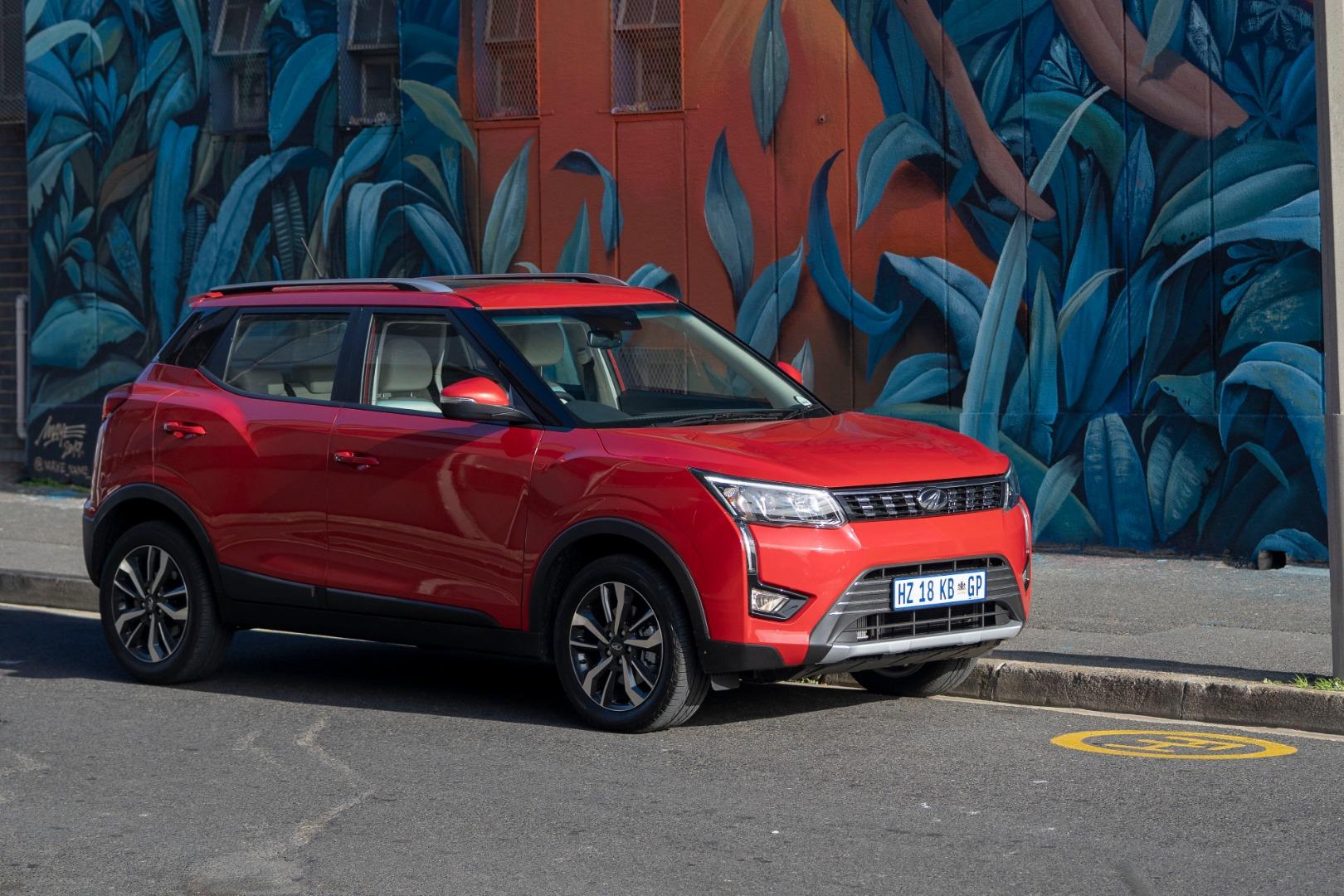


Compact crossovers are increasing with popularity as consumers find their raised ride height and pseudo-SUV styling combined with hatchback-like manoeuvrability and ease of use appealing. The XUV was not only the first within the segment for Mahindra, but it also signalled a new design direction for the brand, with a far more palatable approach to aesthetics. Join us as we compare the two models within the range to determine which is best, the petrol or the diesel.
|
|
Mahindra XUV300 1.2T W8 |
Mahindra XUV300 1.5TD W8 |
|
Engine |
1.3-litre, 3-cylinder, turbo petrol |
1.5-litre, 4-cylinder, turbodiesel |
|
Power/Torque |
81kW/ 200Nm |
86kW/ 300Nm |
|
Transmission Type |
6-speed manual |
6-speed manual |
|
Driven wheels |
Front |
Front |
|
Kerb weight |
1 352kg |
1 404kg |
|
Fuel Consumption(claimed) |
6.1 L/100 km |
4.8 L/100 km |
|
Fuel range |
689km |
875km |
|
Price |
R316 999 |
R336 999 |
The figures
Five models, two engines
The local XUV300 range consists of five models, three fitted with the diesel engine and two with the turbocharged petrol. For this comparison, we have selected the top-spec W8 models in both petrol and diesel guise. They make for an interesting and relevant comparison as both are similarly priced, both feature small capacity engines, the same 6-speed manual gearbox and are near identical in terms of standard specification.
The petrol
The petrol engine in the XUV300 range is a turbocharged 1.2-litre three-cylinder unit that produces 81kW of power at 5 000r/min and 200Nm of torque between 2 000-3 500r/min which is sent to the front wheels via a 6-speed manual gearbox. Claimed fuel consumption is an admirable 6.1 L/100km while an official 0-100km/h sprint time is not quoted; however, we feel as though that unnecessary in a vehicle like this in any case.
The diesel
The 1.5-litre turbodiesel in the XUV300 produces some impressive figures for its displacement, with 86kW of power at 3 750r/min and a meaty 300Nm of torque available between 1 500-2 500r/min. The diesel features the same 6-speed manual gearbox which also sends power to the front wheels; however, the diesel is notably lighter on fuel, with a claimed figure of 4.8L/100km.
Analysis
Looking at the figures, the only areas in which the petrol model appears to be superior to the diesel is in its lower initial cost price and in its kerb weight. If we look at the power and torque figures, the diesel has its power and torque available lower in the rev range (mainly because diesel engines do not rev as high as petrol motors), is markedly lighter on fuel and provides nearly 200km more driving range on a single tank.
Verdict
Having viewed the figures, the diesel model within the XUV line-up is the most efficient while offering the most power and torque, however, the petrol model is some R20 000 less when new and is 52kg lighter. The R20 000 price discrepancy means little when a monthly instalment scenario is considered, meaning that the diesel will be the cheaper car to run, will provide more driving range on a single tank and is likely to match the petrol in terms of acceleration, handing it the victory in today’s comparison.