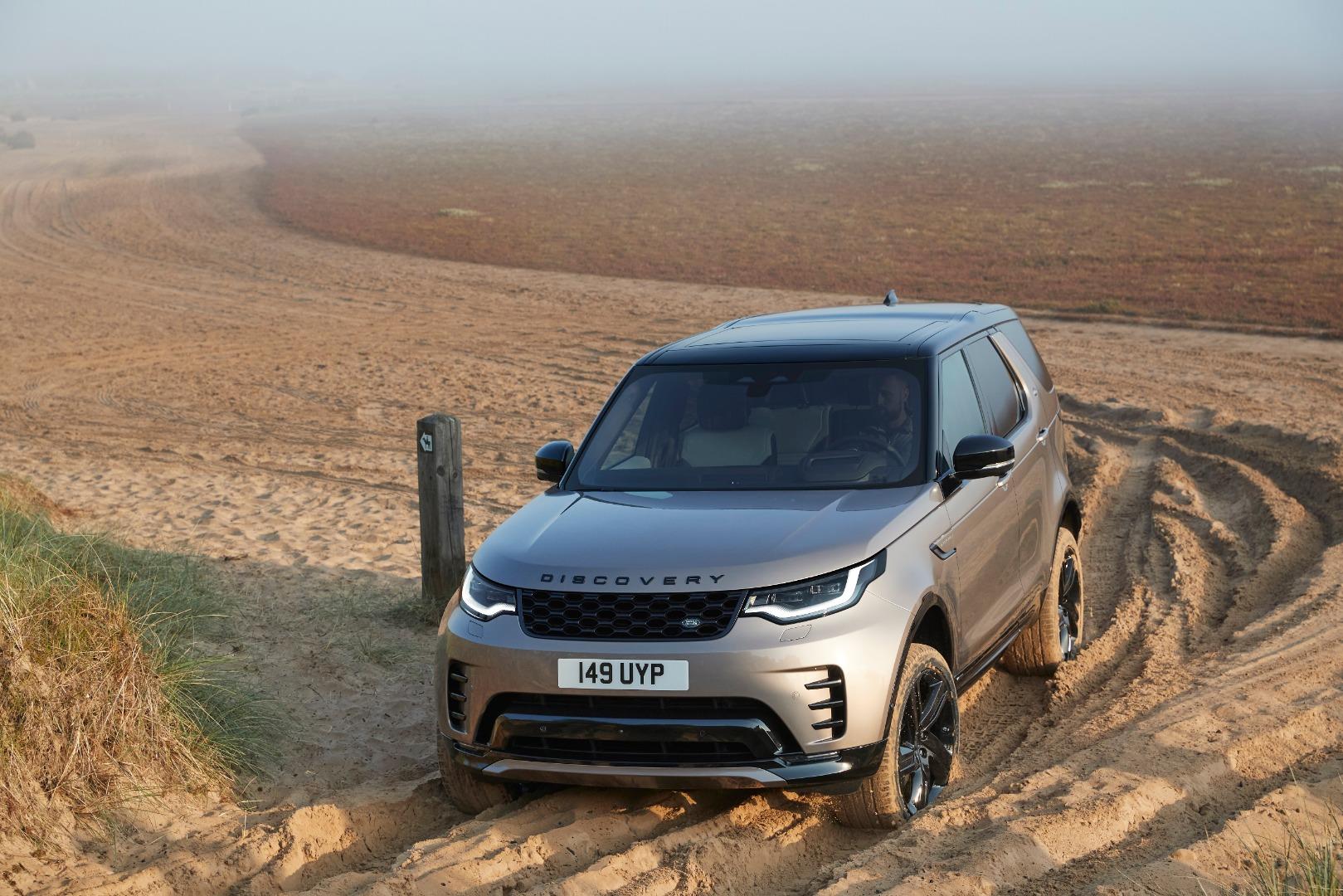
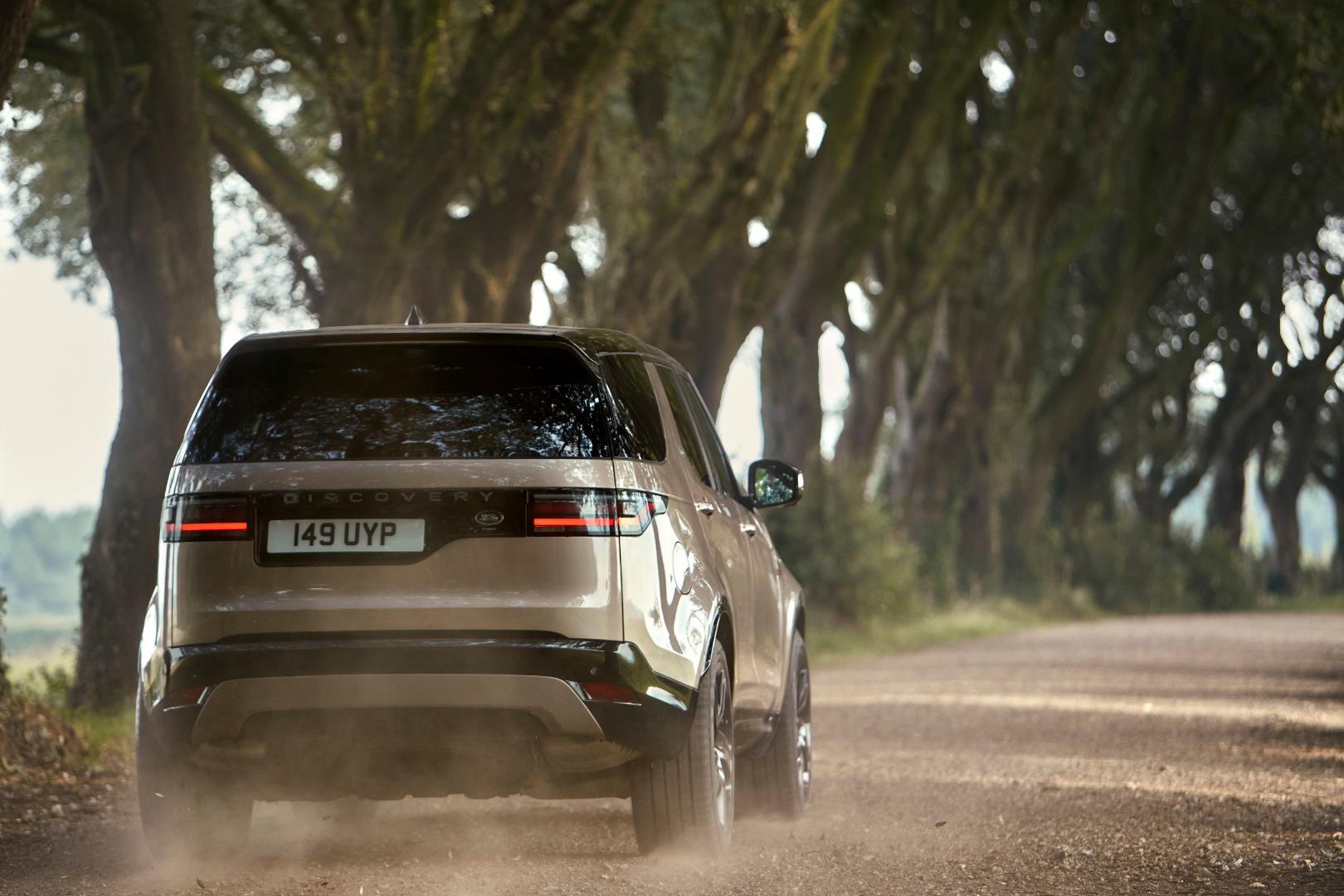
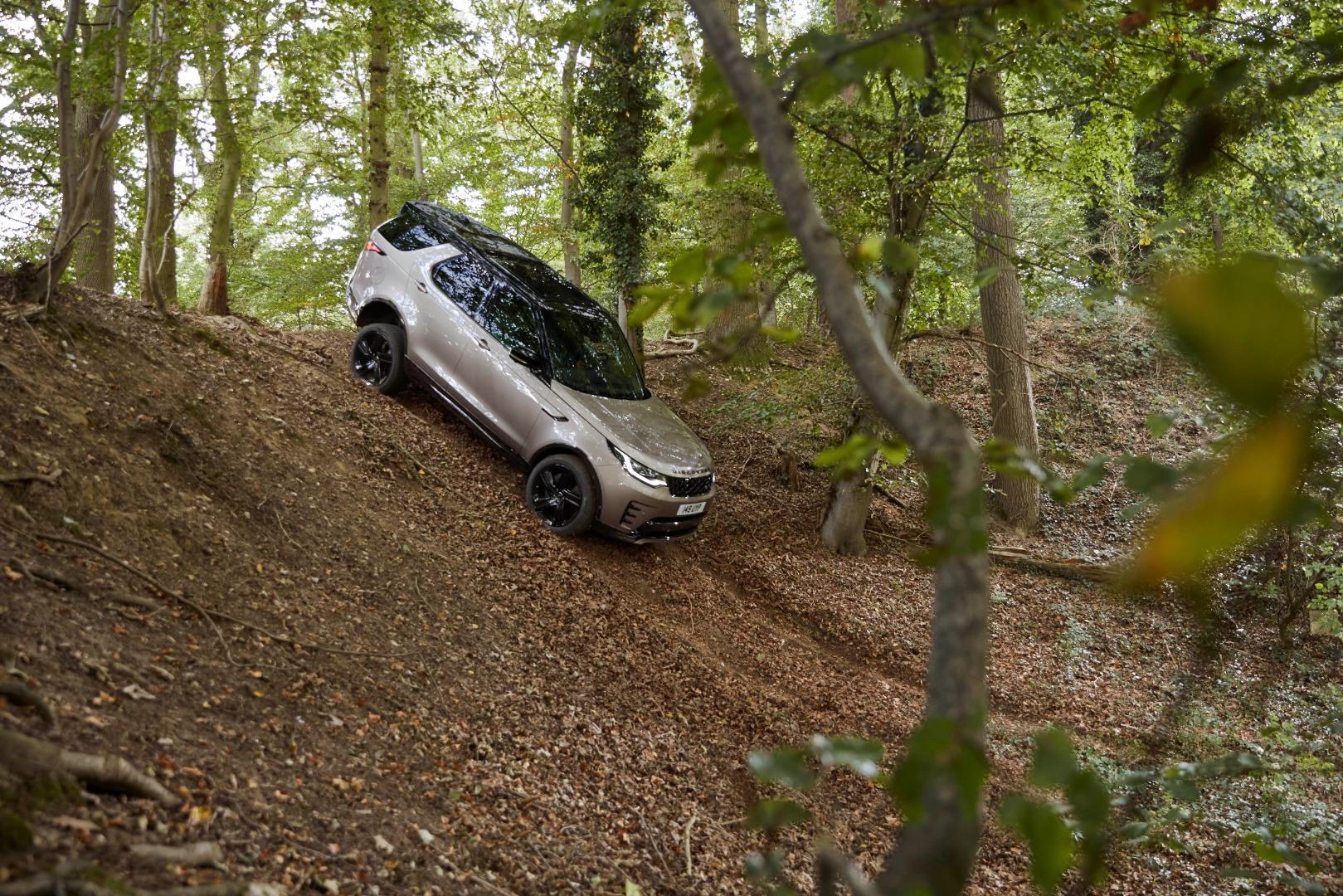
The updated version of Land Rover’s Discovery is set to make its local debut in the first half of 2021. With air suspension, the Terrain Response 2 system, and a host of engine, cosmetic and specification upgrades, the new model is set to take the fight to key rivals in the luxury off-road-ready segment. We examine whether, on paper at least, the new petrol model with its Mild Hybrid technology is better than the updated diesel within the range.
The figures
|
|
Land Rover Discovery D300 S |
Land Rover Discovery P360 S |
|
Engine |
3.0-litre, 6-cylinder, turbodiesel |
3.0-litre, 6-cylinder, turbo petrol with Mild Hybrid |
|
Power/Torque |
221kW/ 650Nm |
265kW/ 500Nm |
|
Transmission Type |
8-speed automatic |
8-speed automatic |
|
Driven wheels |
All |
All |
|
Towing capacity |
3500kg |
3500kg |
|
Fuel Consumption(claimed) |
7.3 L/100 km |
9.3 L/100 km |
|
0-100km/h |
6.8 seconds |
6.5 seconds |
|
Price |
R1 452 700 |
R1 487 600 |
Related: New vs used Land Rover Discovery: What are the top 4 differences?
Six models, two engines
The updated Discovery range, at the time of writing, was reported to consists of six models, three petrol and three diesel variants. The petrol and diesel engines are the same among each of the three variants; however, the specification varies from 'S' to 'SE R-Dynamic' and 'HSE R-Dynamic'. Both engines come with a ZF-sourced 8-speed automatic gearbox.
Related: Nissan Patrol vs Toyota Land Cruiser 200 vs Land Rover Discovery HSE: best value for money
The petrol
The petrol engine in the Discovery range is potentially the most newsworthy aspect of the updated Discovery line-up. The new unit is a turbocharged straight-six from the Ingenium engine family and features a 48V Mild Hybrid system, improving claimed fuel consumption with a figure of 9.3 L/100km while providing impressive performance with 265 kW and 500 Nm of torque allowing for a 0-100km/h sprint time of 6.5 seconds.

The diesel
The 3.0-litre turbodiesel in the Discovery line-up is also from the Ingenium engine family, replacing the previous SD4 and SDV6 engines. The engine features all-aluminium construction and an improvement of 31kW and 50 Nm in terms of outputs versus the SDV6 that it replaces.

Analysis
The petrol and diesel engines within the updated Discovery range are indeed far more closely matched in terms of performance and consumption than ever before. As is to be expected, the petrol is the more accelerative of the two while the diesel features the lowest claimed fuel consumption.
The 2.0 L/100km discrepancy in fuel consumption between the two appears to favour the diesel, which is just 0.3 seconds slower to 100 km/h while also being around R35 000 cheaper than the petrol while offering superior torque, which will prove handy while towing.

Verdict
Having looked at the claimed fuel consumption, performance and expected outputs for the two new engines coming in the updated Discovery line-up, it becomes clear that the new powertrains will make the Discovery an improved product in terms of its driving experience and from a performance perspective. Despite the seemingly massive strides that the petrol model has made in terms of improved consumption and acceleration, the diesel still appears to be the pick of the range, offering improved torque, similar acceleration and a noticeably better fuel returns.
Recommended next:
Lexus LX vs Land Rover Discovery vs Mercedes GLS: which one is the best value for money?