
Which Lexus UX is better: petrol or hybrid?
If you’re thinking of buying a Lexus UX, you’ll be faced with this decision: hybrid or non-hybrid. We compare price, fuel consumption and performance to help you make an informed choice.


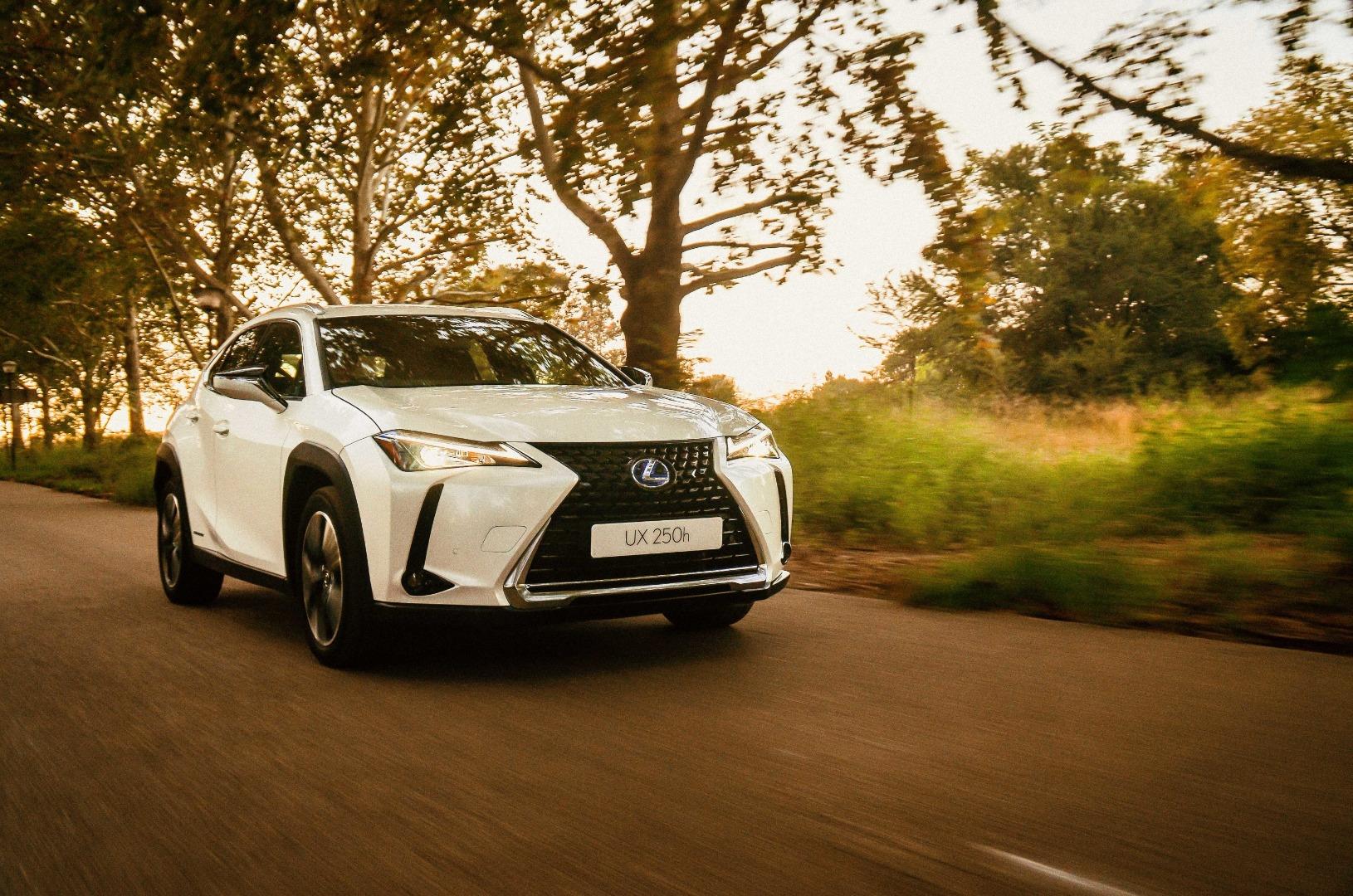

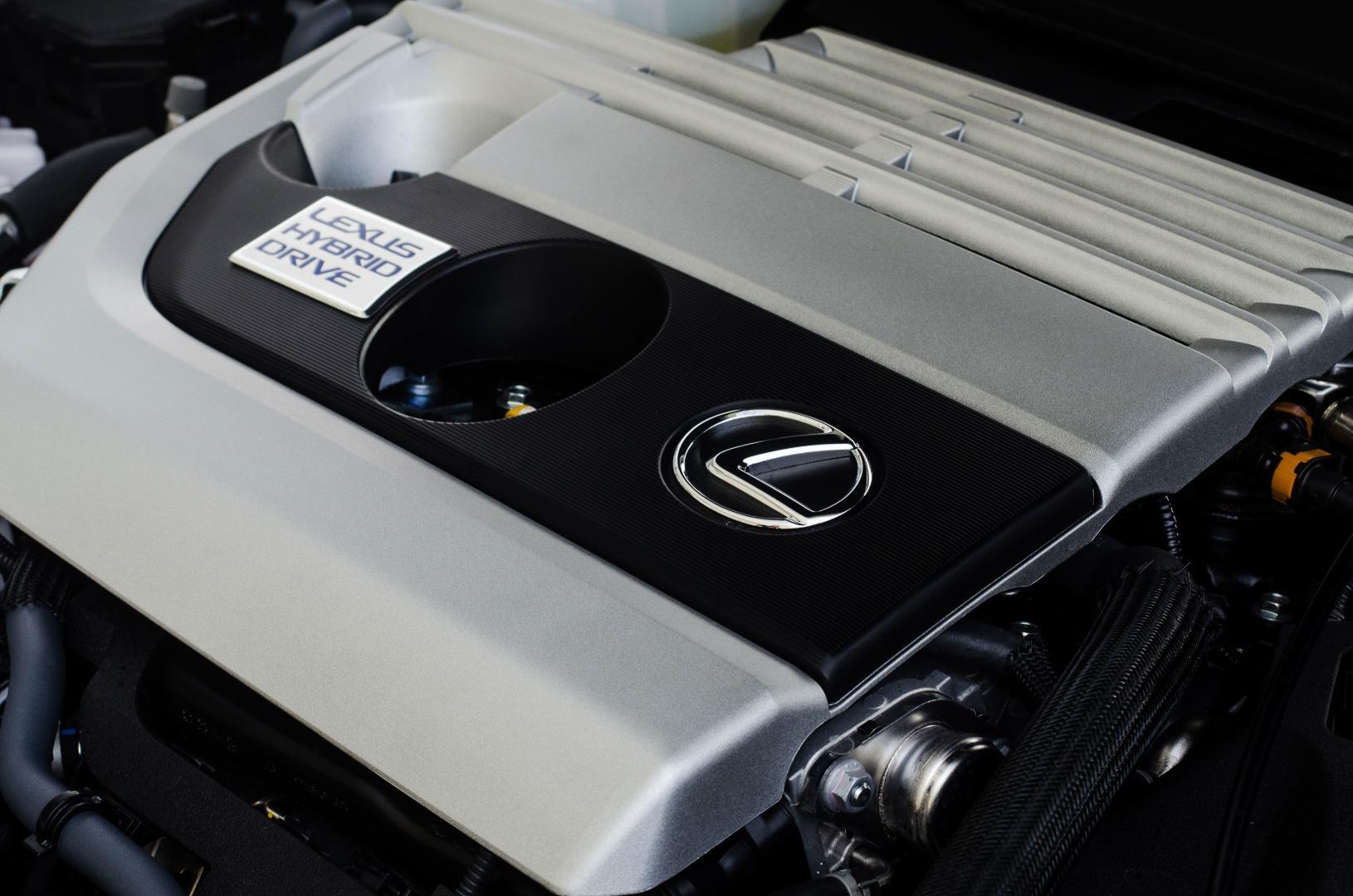
Hybrid cars can slice some rands off your fuel bill, but they’re usually much more expensive than their traditional counterparts. Are they worth it? We compare the Lexus UX hybrids to their more straightforward siblings, to find out.
The UX is the boutique SUV in the Lexus range, where the NX is the mid-size SUV and the RX is the big dog. The UX is about as spacious as a Toyota C-HR inside, so it’s no Sesfikile. It uses the same brilliant platform as the C-HR, which endows it with a comfy ride and safe handling, although perhaps not as comfy as the C-HR’s magic ride, if you can believe that.
Related: Lexus adds entry-level hybrid to UX crossover range
Choose your weapon
The UX is available in four flavours, each motivated by one of two powertrain options: A petrol engine, and an electric-and-petrol combo. No turbos are involved. The line-up looks as follows, with “H” denoting hybrid.
Lexus UX 200 EX – R654 700
Lexus UX 250H EX – R690 300
Lexus UX 250H SE – R756 200
Lexus UX 200 F-Sport – R785 400
As you can see, the price difference between the first two (EX and EX hybrid) is small, after the recent introduction of the more affordable UX 250H EX.
The combination of the 2.0-litre petrol and electric ‘engines’ in the UX 250H EX’s hybrid drivetrain gives better performance than the UX 200 EX’s solitary petrol engine, also a 2.0 litre. The 250H versions of the UX can sprint from 0 to 100 km/h in 8.5 seconds, while the others, including the expensive F-Sport, need 9.2 seconds.
Consumption figures
But wait, there’s more: As can be expected, the hybrid uses less fuel than the petrol-only car. Lexus claims an average consumption of 6.2 l/100km for the non-hybrid and 4.5 1/100km for the hybrid. Personal experience proved that the hybrid can use even less than the above in city driving, where most cars spend most of their lives.
Related: Top 3 things you need to know about the Lexus NX
Which one to choose
The hybrids have clear advantages over the primitive versions. They use less fuel, have more straight-line speed, but are more pleasant to drive too. Although these hybrids can’t store much power in the electric motors’ small batteries, they still slip into full-EV mode every so often and that makes for a serene and quiet driving experience.
If you’re concerned about the ownership experience — all UX cars enjoy factory warranty cover for 7 years / 105 000 km.
The hybrids are definitely the top picks in the UX range.
If you want more space, power and all-wheel drive, look towards the entry-level NX, at R751 800. If you want UX refinement at a much lower price, consider the Toyota C-HR, that starts at R379 100. It has a feisty 1.2 turbo engine too.
Recommended next:
New vs used Lexus RX: What are the top 3 differences?