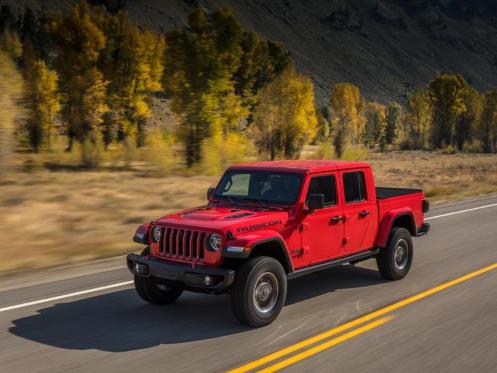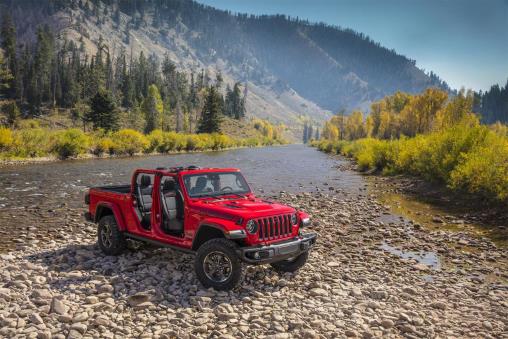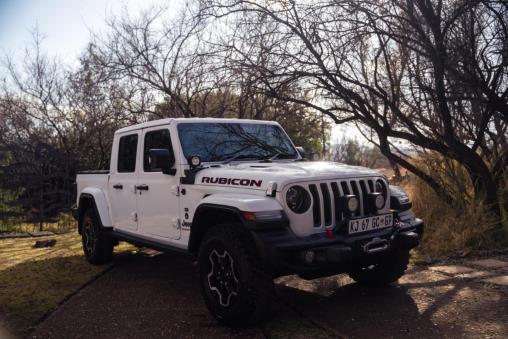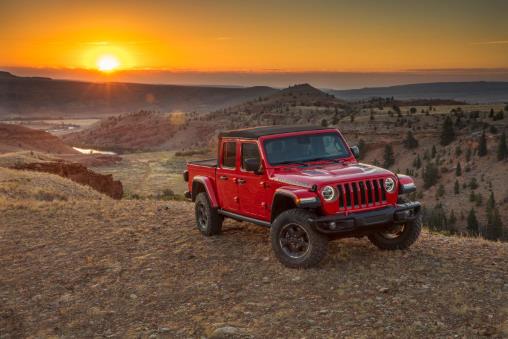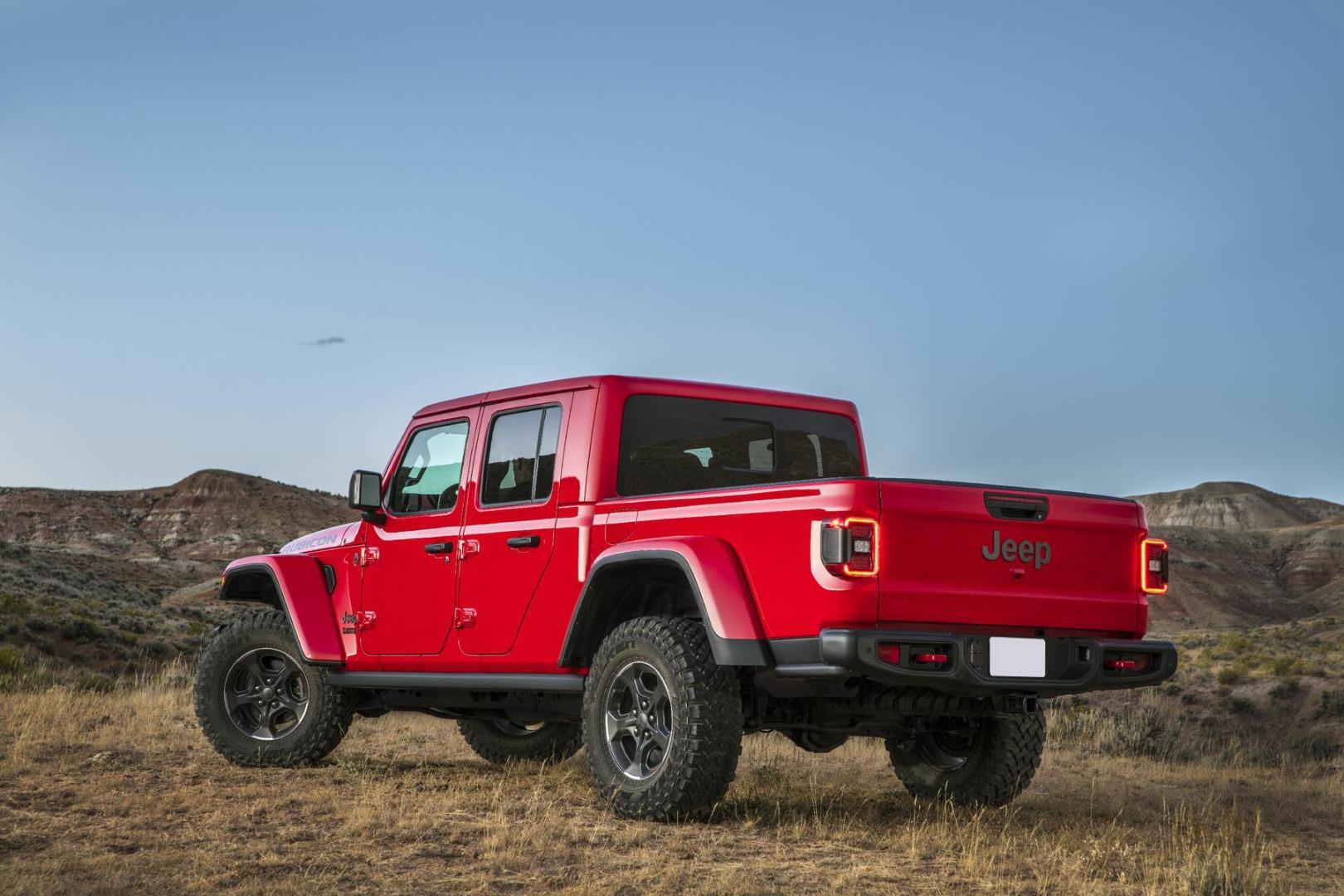
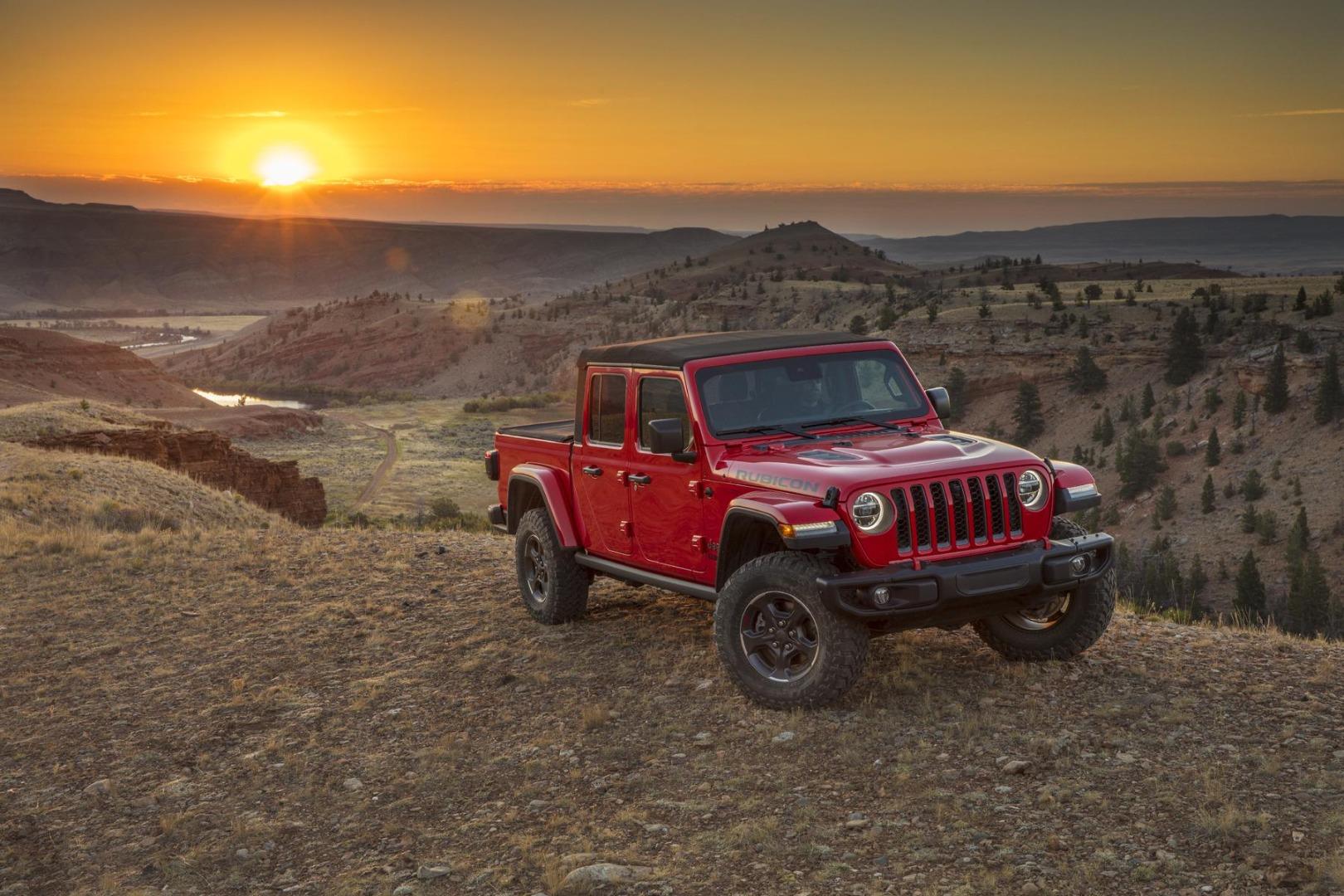
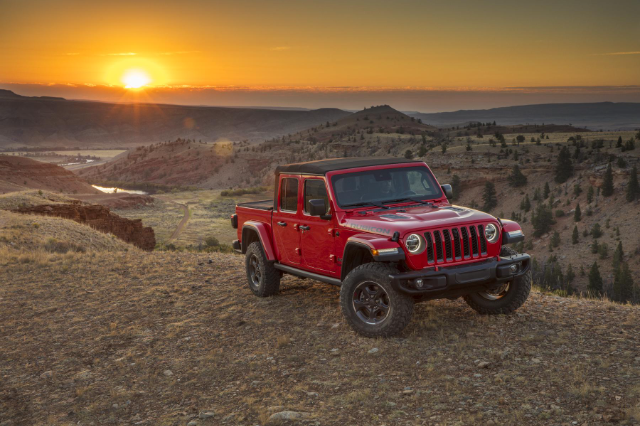
The Jeep Gladiator occupies a somewhat unique position in its segment as there are very few competitors with similar products. The Gladiator is very much aimed towards the lifestyle use case rather than utilitarian, however, should the owner decide to use it in the commercial sense, the R 1 329 900 behemoth should prove more than capable for most duties.
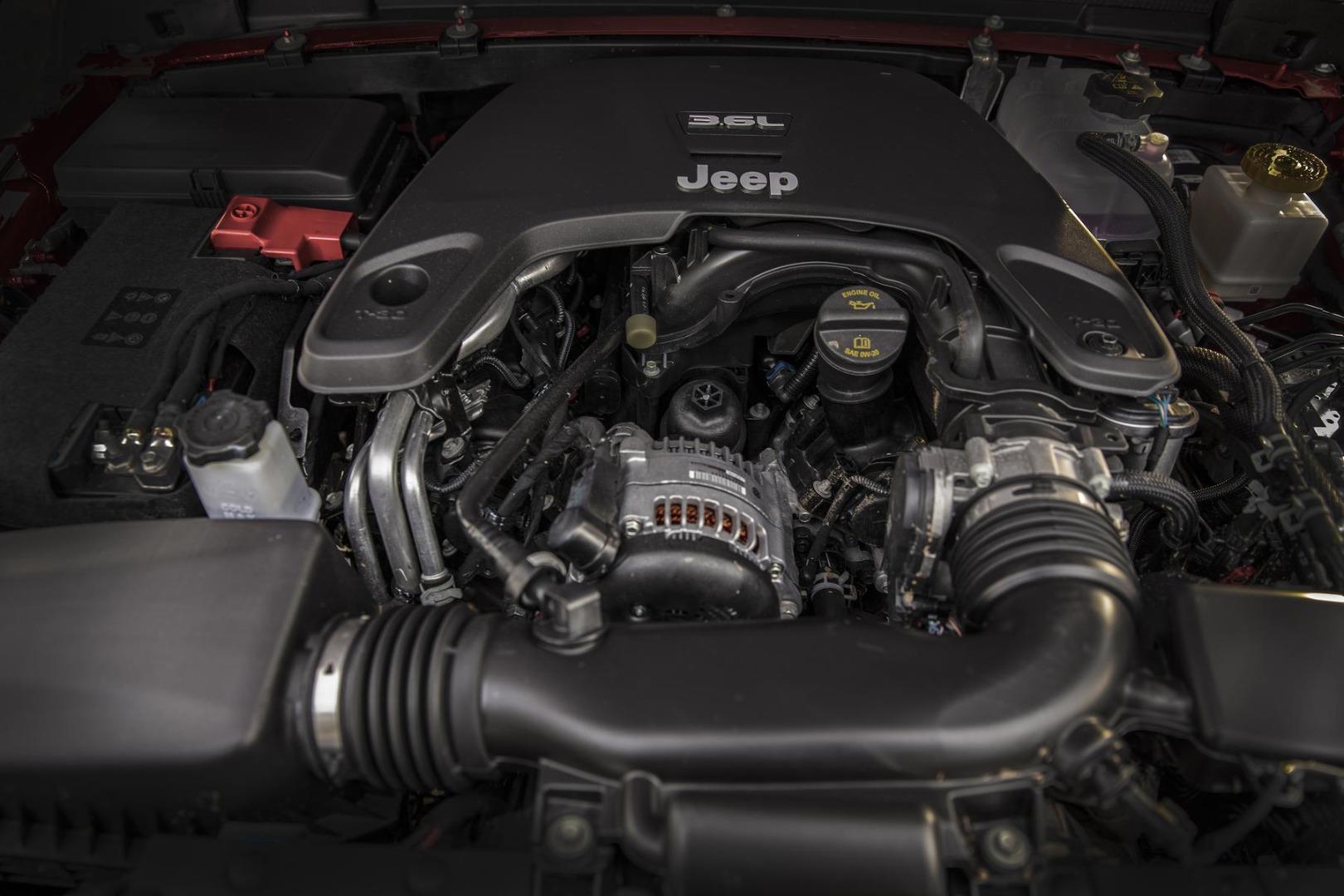
But if you want to get an Instant Offer on your vehicle and start your search for new or used Jeep Gladiator models on AutoTrader, you should note that the model is only available locally with the petrol engine.
Related: Jeep Gladiator (2022) video review
Diesel vs petrol
| Jeep Gladiator 3.6 Rubicon | Jeep Gladiator 3.0 Rubicon | |
| Engine | 3.6-litre, V6, Petrol | 3.0-litre, turbocharged, V6, Diesel |
| Transmission | 8-speed automatic | 8-speed automatic |
| Power | 209 kW | 194 kW |
| Torque | 347 Nm | 600 Nm |
| Fuel consumption | 12.4 L / 100 km | 10.7 L / 100 km |
| CO2 emission | 288 g / km | 272 g / km |
*Note that these figures were obtained from multiple but reputable sources and were correct at the time of writing this article. However, these figures can change at any moment and without notice.
Verdict
In comparison, the diesel powertrain seems to shine in almost every aspect except for the claimed power output. But the difference there is marginal. So you might wonder, why wouldn't the diesel derivative be offered locally if everything points to it being a superior option? Well, there are a variety of factors that could prohibit a vehicle maker from introducing a specific powertrain.
Some examples might include that the diesel fuel in South Africa could contain more impurities and, as a result, could greatly affect the reliability of the powertrain. Another reason could be that after import duties and all taxes are paid, on a vehicle that will only sell in limited numbers, the overall price of that particular variant would exceed what most customers would be willing to pay.