
Which BMW X1 trim holds its value better?
The BMW X1 has matured into a hugely desirable small SUV and a strong adversary to the Volvo XC40 and Audi Q2/Q3. They’re all compelling options, but which version of the X1 will hold its value better than its stablemates?


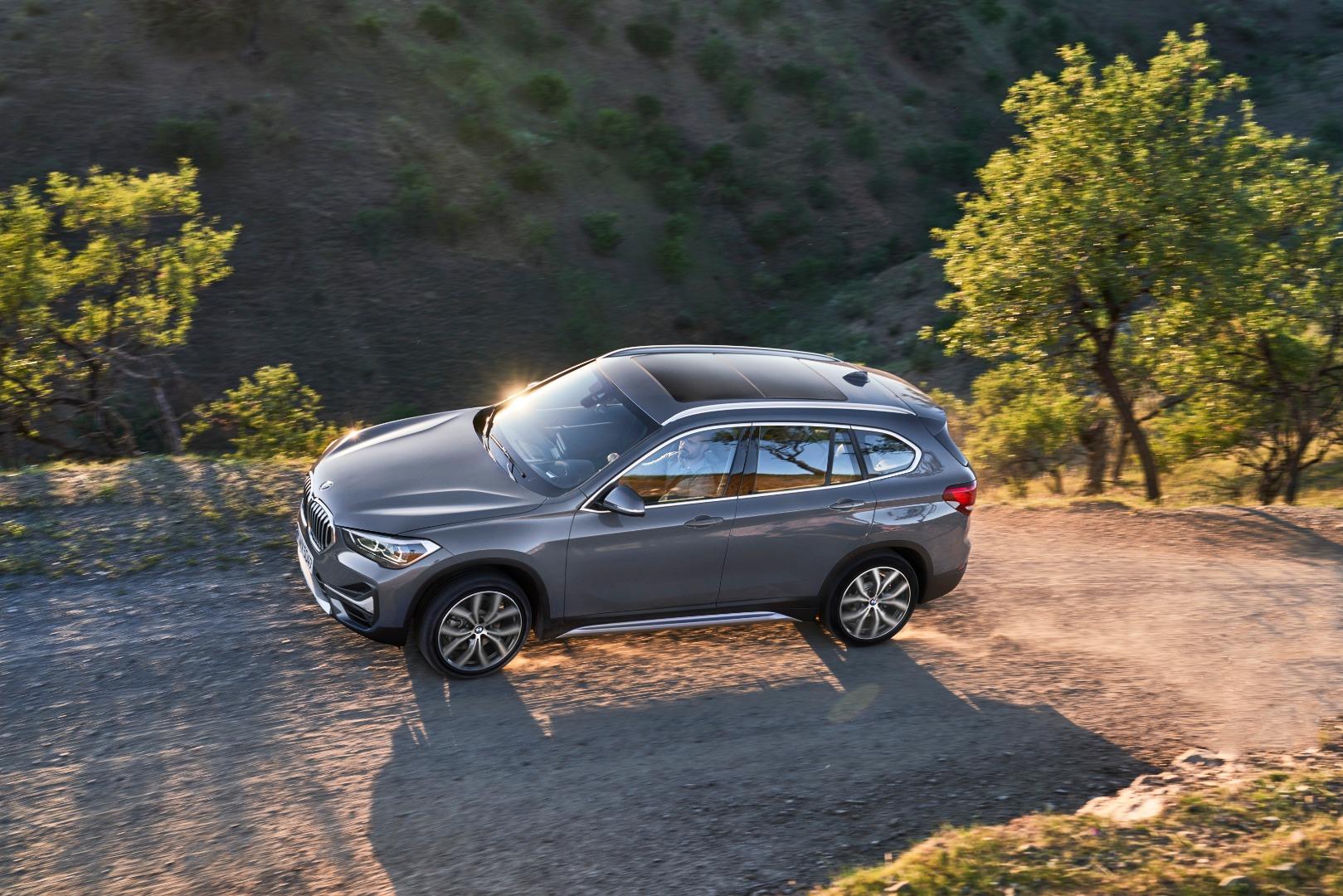
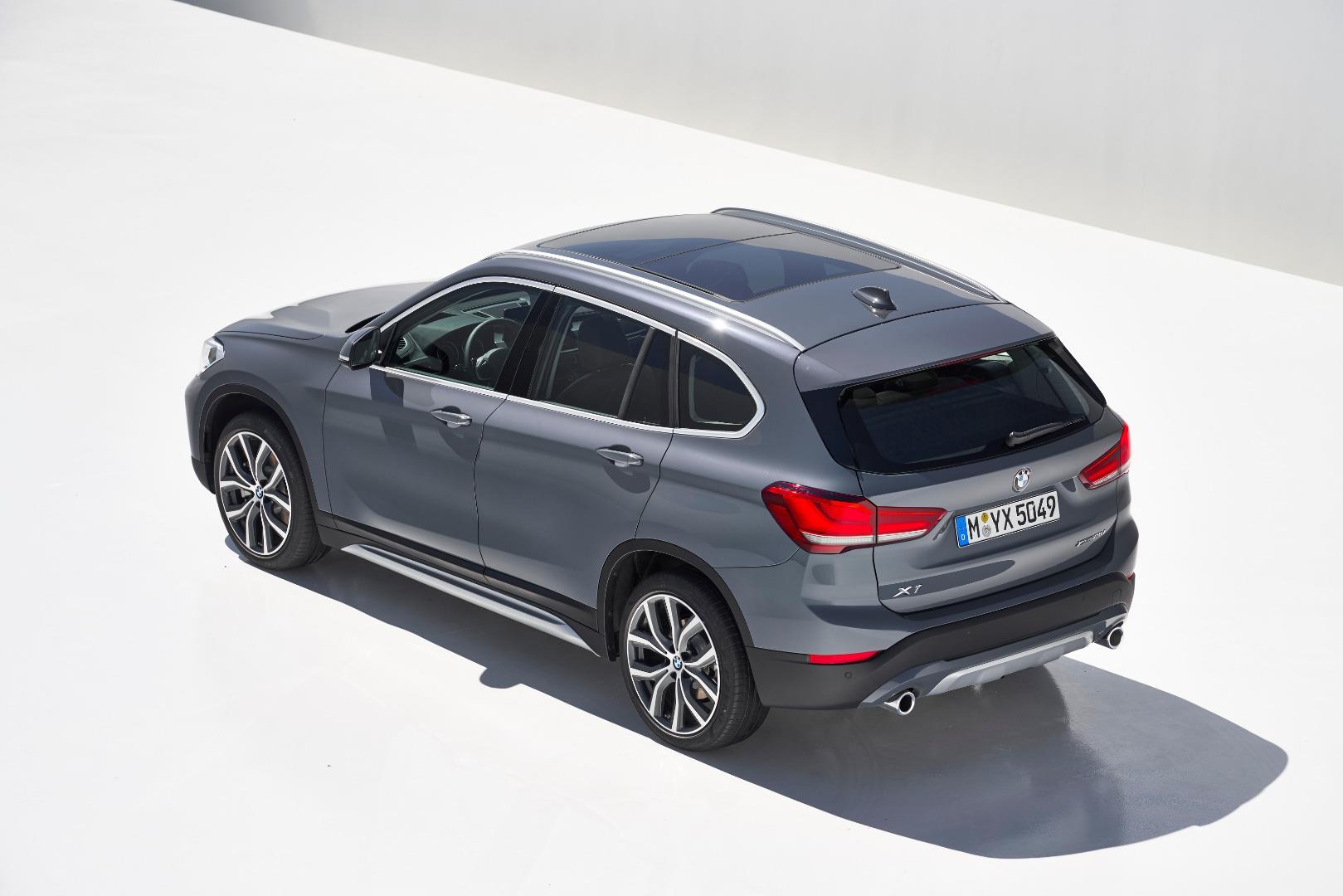
What are my model options?
The BMW X1 range offers fifteen model derivatives to choose from. Sharing their architecture with the Mini Countryman, twelve of them send power to the front wheels only (FWD), which means only three offer all-wheel drive (AWD). Front-wheel drive transmissions hold significant cost benefits, as we shall see in a minute or so.
Related: Which MINI Cooper Countryman is better: diesel or petrol?
There are four engine options: two run on petrol and two on diesel. All four enjoy turbo-fed forced induction for increased performance. There are no manual transmissions available. The petrol engines enjoy the benefits of dual-clutch automatic ’boxes, while the diesels use traditional torque-convertor transmissions.
1.5-litre, 3-cylinder petrol – 103 kW and 220 Nm
2.0-litre, 4-cylinder petrol – 141 kW and 280 Nm
2.0-litre, 4-cylinder diesel – 110 kW and 330 Nm
2.0-litre, 4-cylinder diesel – 140 kW and 400 Nm
The first two engines (above) are all mated to FWD transmissions. Those who want the benefit of AWD can choose between the 141 kW petrol engine and 140 kW diesel engine.
Related: BMW X1 vs Lexus UX vs Mercedes-Benz GLA: which one has the best infotainment system?
What about the trims?
There are four trims available: xLine, Sport Line and M Sport. The first two differ cosmetically, while the M Sport has actual differences: lowered M Sport suspension and variable sport steering, among others. This begs the question: Why buy an SUV if you want it lowered and suffer a less comfortable ride because of stiffer suspension? Fortunately, buyers can order the M Sport with normal running gear.
The other important differences are sport seats for the driver and front passenger, an M leather steering wheel and black headliner.
The last noteworthy difference is also cosmetic, but it makes a big visual impact. It’s the M Aerodynamics package with front apron, side skirts, wheel arch trim and cladding in the body colour. The final touch is the M logo on either side.
There’s a Standard trim too, but BMW dealers we spoke to advise against choosing this ‘trim’ – if you are conscious of depreciation.
Related: Which BMW X1 is better: diesel or petrol?
What is best for value retention?
Looking at the engine and driven wheels, the X1 sDrive20d model fared best in value retention between 2018 and 2020 (January), with a loss of 29%. Depreciation in the others sit between 30- and 32%, so the difference is truly marginal.
Why is the sDrive20D a good bet? Well, you don’t really need all-wheel-drive for a car that won’t be used for exploring off-road tracks, and there’s a cost advantage to buying the FWD car.
Note that prices of pre-owned cars generally reflect the popularity of cars in the new-car market. Therefore the most popular new model derivatives hold their value better. Diesel engines with auto transmissions are very popular with South African car buyers and the 20d has the highest torque output, without suffering a fuel penalty.
So what role does trim play? As alluded to earlier, the used-car market likes trim packages, so at least get the xLine or Sport Line. But if you want the best shot at value retention, choose the M Sport, the head of a large BMW dealership said. But do yourself a favour and choose the standard suspension, for a comfortable ride on and off the black stuff.