
Which Audi Q7 trim depreciates the fastest?
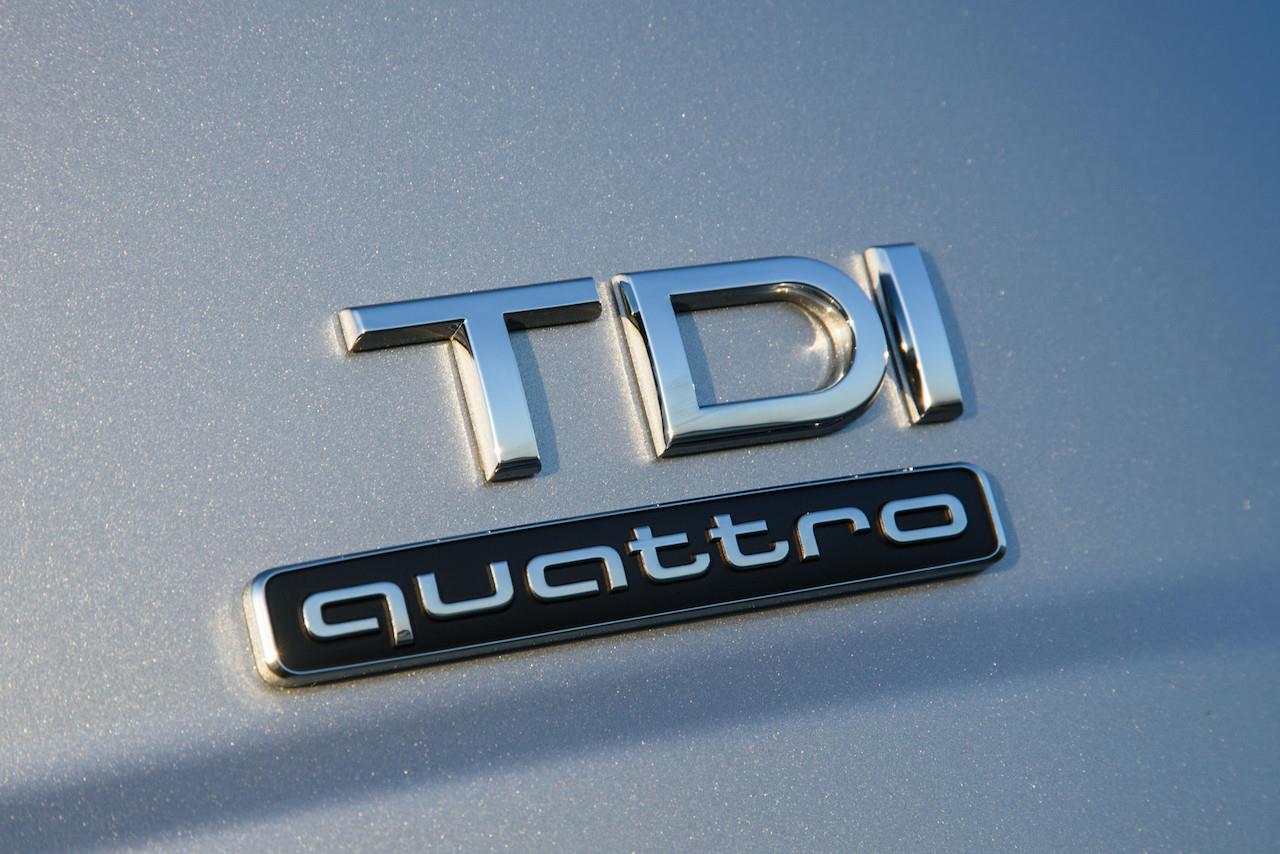
Audi’s second-generation Q7 arrived on local shores in 2015, appearing with only one available engine: Volkswagen Group’s 3.0-litre V6 TDI. Since then, its Porsche- and Volkswagen cousins also arrived, along with increasing internal competition from the smaller Q5 and sleeker Q8. How did this familial constriction affect the Audi Q7’s resale values?


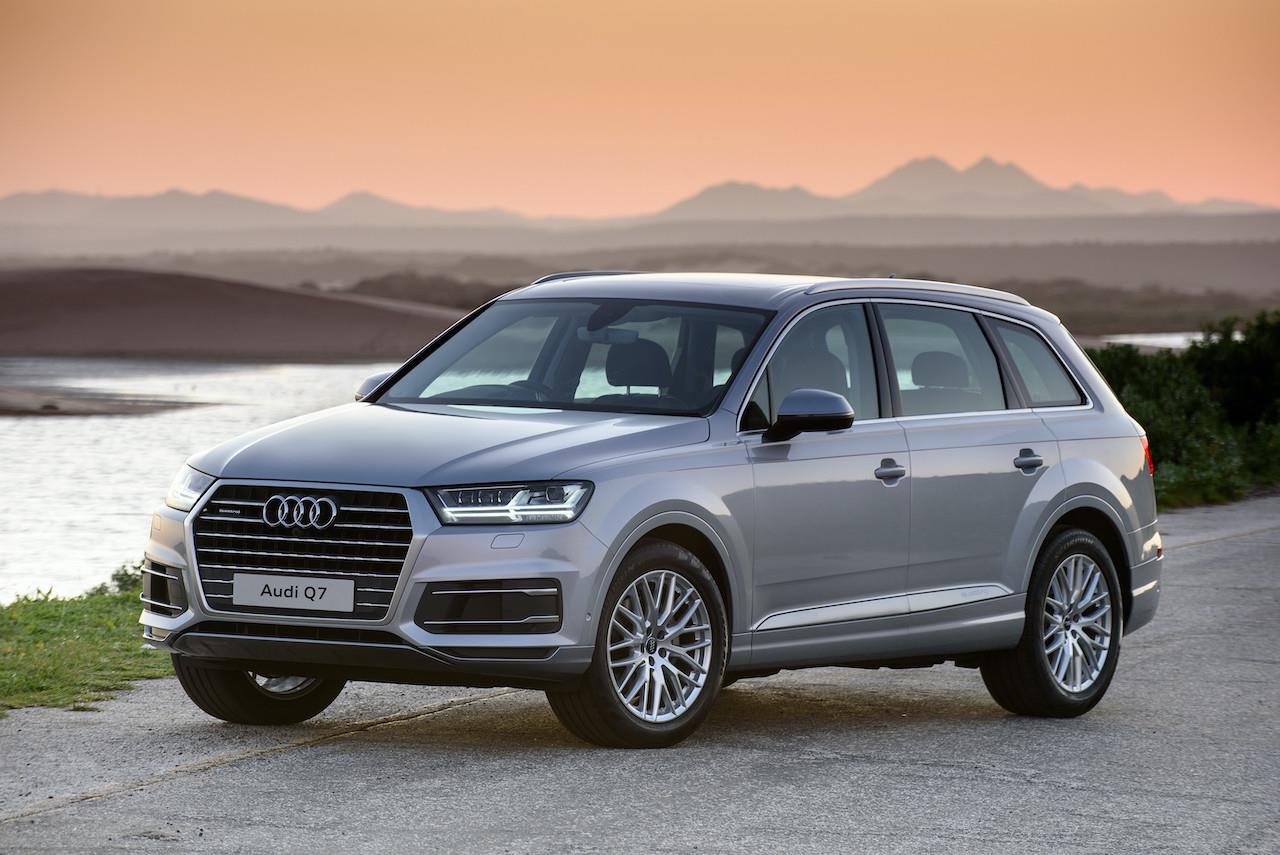

Say what you wish about the first-generation Audi Q7’s appearance, but at least it wouldn’t be mistaken for anything else. In contrast, while the second-generation Q7 left its predecessor’s lumpen excesses behind, its new, sleeker body somehow managed to become ordinary-looking – like a well-executed large station wagon, rather than an SUV.
In a motoring landscape full of aggressive and sporty-looking large premium SUVs, the new Q7’s subtle elegance largely went unnoticed, but that was because there was more to come. The rakish Q8 was waiting in the wings, so the Q7 could be allowed to take on a more-gentlemanly role in the family hierarchy. And that’s pretty much how it stayed up till the time of writing, when it transpired that there’s a facelift coming for the Q7 midway through 2020 – a decidedly more stylish interpretation of the same theme.

Related: What luxury SUV can you buy for less than R 350 000?
But did the Audi’s low-key appearance and single powertrain combination cost it any popularity, and how do these factors affect its depreciation? To determine the Audi Q7's value retention, we searched AutoTrader for 2015 (second-generation) examples with up to 100 000 km on the odo, and compared their averaged current prices to what they cost when new. We also calculated the percentage of the value they retained over this period.

2015 Audi Q7 3.0 TDI quattro
Price when new: R 924 000
Averaged current price: R 573 250
Percentage of value retained: 62.0 %
Remember how we made the cut-off point for our sample cars 100 000 km? That’s because 20 000 km is about the average mileage covered per year, according to industry standards - every year, for 5 years. It’s also the point where most Audis run out of Freeway Plan, an event which immediately leads them off a depreciation cliff. As illustration, consider that another 2015 Audi Q7, less than 5 000 km over this mileage, is listed for about R 60 000 less – indicating value retention of only 53.5% after 5 years.
Related: We compared the value proposition of a new Audi Q7 to those of two competitors.

Analysis
However, those Q7s on site with some of their maintenance plans intact still managed to maintain almost 10% more of their value, with lower-mileage examples selling between R 560 000 and R 600 000. Its 62% value retention after 5 years is pretty impressive for a low-demand, high-priced vehicle, indicating that the Q7’s subdued appearance actually did it no harm at all.
Interestingly, as we found out in another featured article, the Q7 does suffer from severe initial depreciation, losing about 20% of its value after one year. This means that great purchasing opportunities can currently be found with nearly-new Q7s, followed by up to 4 years of fixed-cost motoring — before prudently selling it on just before the Freeway Plan expires and still getting a reasonable chunk of money back. Alternatively, take the plunge and buy an out-of-maintenance plan Q7 at a bargain price. Just remember to finance a comprehensive mechanical breakdown insurance plan with it!

Related: We compared the Audi Q7’s running costs with those of two key opponents.
This also bodes well for the upcoming Q7 facelift, which promises a much more assertive appearance and updated technology to go with its other virtues. There will also be an exciting new powertrain option: a 310 kW twin-turbo diesel V8 with 900 Nm is promised for the new SQ7. If the updated model continues the established trend, it should also retain its value pretty decently over the medium term.
Recommended Next:
Shop for new and used Audi Q7 cars for sale.