What should I check before buying a used car?
Rushing into a deal is a sure-fire way to burn your fingers. Make sure that you know what to look out for and what to inspect before buying a used car. The journey starts even before you see the car in person and here are the things you need to check before and during your test drive.


Ensuring that you get a good deal on a used car requires that you keep your wits about you. This can be a rather daunting task for those that are not mechanically savvy or just simply get overwhelmed by the thought of buying a car. It need not be too tough though and to help you along, we've formulated a handy checklist of the things you need to look into and out for when you go to buy a car.
Related: 11 Tips for taking a Test Drive
Knowing that you've inspected the car as thoroughly as you possibly can, and done all the necessary research on the selected model you wish to buy, will help ensure that you part with your hard-earned money with peace of mind.
Grab this checklist when you go to view a used car and go through all the points to see if there's anything that you need to worry about. Don't be afraid to ask questions either.
The Dealership
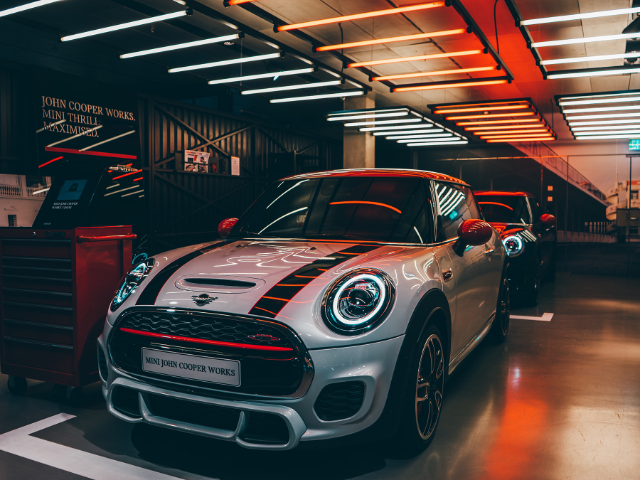
It's not only the car that you'll want to do some research on, you'll want to make sure that you're buying from a reputable dealership with a solid history of good transactions. Here are a few things that you can do to verify the quality of the dealership you are considering using.
- Check the dealer's stock
By clicking on the dealer's stock on AutoTrader, you will be able to get an idea of what sort of vehicles the dealership is accustomed to dealing with. A dealership that deals with very cheap, bangers or skoroskoros probably won't have a clean example of what you're looking for. One that has a wide variety of vehicles, from entry-level cars to higher-end luxury sedans will have a better idea of what condition a car needs to be in before it can be sold.

- Reputation / Reviews
Head on over to Google Reviews and see what the public has to say about the dealership. Using a site like HelloPeter will also help you gauge what sort of experience you can expect from the said dealership. It's worth remembering though that the buying public are quick to complain and slow to compliment, but a slew of negative reviews should set off warning bells.
- Visit their site
Something as simple as a website will be able to give you some indication as to what operation the dealership is running. A decent website will show that the dealership understands the customer buying journey (as most research and shopping happens online these days) and has the digital savvy to be able to service you remotely as well. Any dealership that has pride in their work will want to display it on an attractive website.
The Car
Inspecting the car is a little tougher than ascertaining whether the dealership is right for you or not. It's always best to take someone with mechanical experience with you when viewing a car but with this list, you can identify problem areas yourself.
- Maintenance
Before you even look at the car in person, do a little research into the maintenance costs of the model you're interested in. Call the factory dealers and find out what a major and minor service costs on average. Call a spares shop and get the price of items like brake pads and shock absorbers and see how the parts prices fare and if they're readily available or not.
- Dealerships
A little investigation into the local dealerships for the brand of car you're looking for is worth the effort. If you will be servicing the vehicle at the dealerships, you will want a dealer in your town. Buying a brand that isn't represented in your town can lead to delays when it comes time to service or repair the vehicle. A look into the local dealer reviews is also a good idea.
- Known faults / Recalls
A few minutes of internet research into the known faults in the make and model that you're looking at buying will arm you with knowledge before you go to inspect the car. Some vehicles have notorious faults that will be well documented on the internet. This search should include published recalls for the model you are looking at and you'll be able to ask the dealership where you're buying the car if the recall has been carried out, if applicable.

The Inspection
Now we get down to the nitty-gritty part of the process, the actual vehicle in question. This is where your mechanic friend comes into play. Take your time and don't rush the decision. Don't be blinded by the excitement of a shiny new set of wheels. It's always worth requesting a multi-point inspection report from an independent third party when buying a used car.
- Bodywork
As you walk around the car, inspect it for signs of damage. Some may be very visible and some may be hidden well. Check the panel gaps and make sure they're even and all the panels align. Run your finger in the creases to feel for overspray and uneven gaps. A magnet will help you check suspect areas to see if there's been bodywork repair (a magnet will stick to metal but will have a very weak attraction to a panel that has body filler in it). Check to see that the paint matches on all the panels and check to see that the lights are all the same age and colour. Check the wheels for signs of damage.
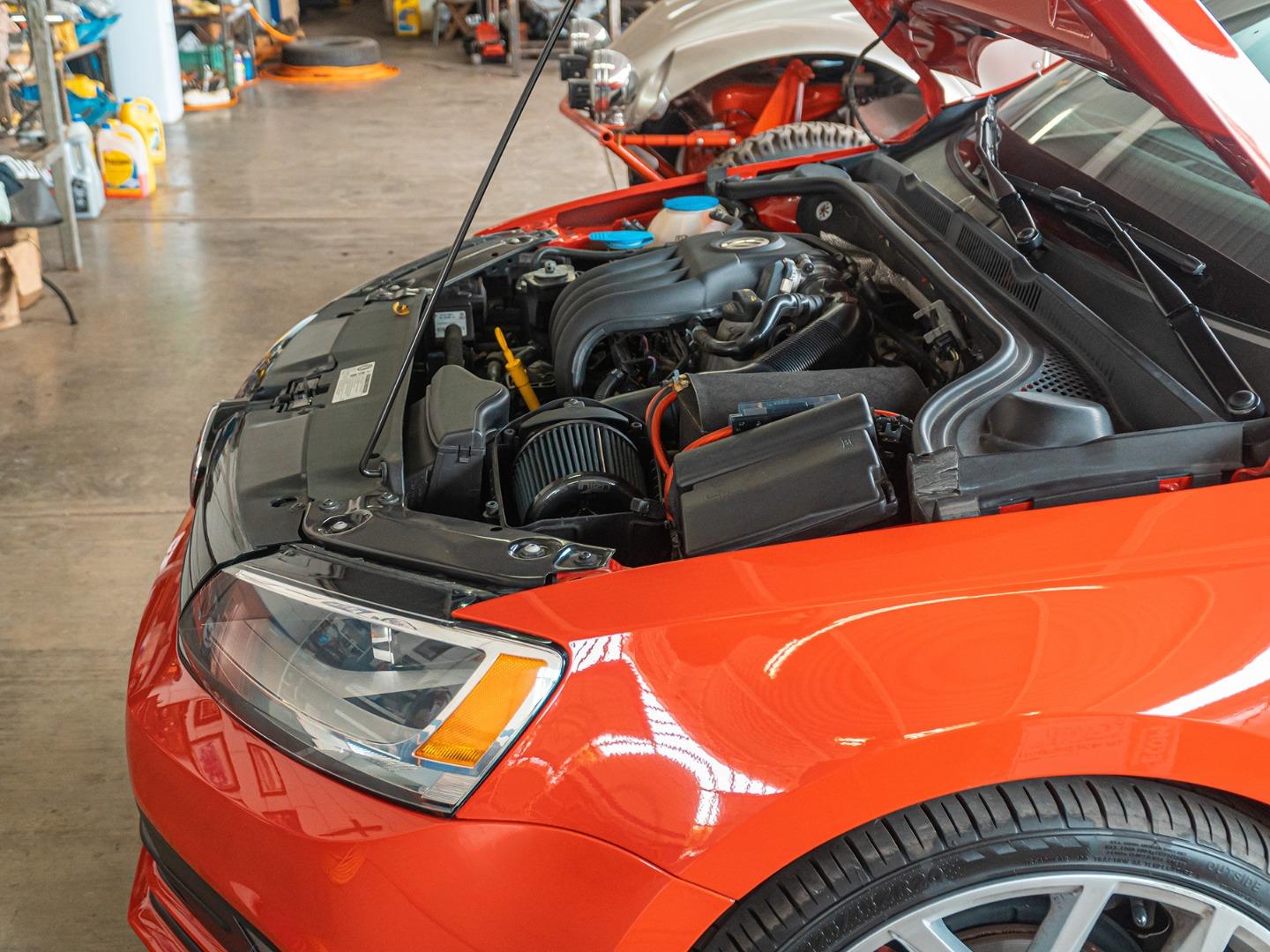
Check inside the boot and lift the carpet to see if there are any signs of accident damage or repair work. Do the same in the engine bay, checking to see if the chassis legs and metal work is straight and doesn't show signs of previous damage.
- Mechanical
Start by checking under the car for signs of leaks. Hopefully, the car won't have been started and you will be able to listen to what it does on start-up. If the dealership has started the car before you get there, be weary as they may be trying to mask hidden issues, like a difficult start-up or smoking on start-up. If the car has been running, it's customary for the air conditioning condensation to leave a small puddle of water underneath.
Start the car up and listen for any strange noises, squeals or squeaks. You may hear a ticking sound coming from the engine but it's only an issue if it doesn't go away after a few seconds. Check around the back of the car to see if there's any smoke coming from the exhaust pipe (cold mornings will see a little condensation, that's normal).
- Drive
On your test drive, check to see that the engine isn't behaving in a strange manner. It should respond fairly quickly to throttle inputs and not labour when revving. Pay attention to any strange sounds when you rev the engine out (once it's warm, of course). You'll also want to check that the gearbox shifts smoothly and if it's a manual, take note of where the clutch takes. A high clutch could point to a worn-out clutch.
Check the play in the steering and make sure that the brakes work and that the car doesn't pull under braking. There should be no knocking noises or squeaks from the suspension as you drive over rougher surfaces either.
- Electrical
Your last task is to check all the electronics in the car. Spend some time with the car parked and engine running to check to see if the various electrical items function the way they're supposed to. Lights, wipers, displays, air conditioning, as many as you can activate while stationary.