What does TSI stand for on a car?
Vehicle technology has rapidly evolved over the last few decades and engineers have found numerous solutions to common problems that were previously faced. These advances have allowed us to extract more power from smaller engines, improving fuel economy and emissions in the process.

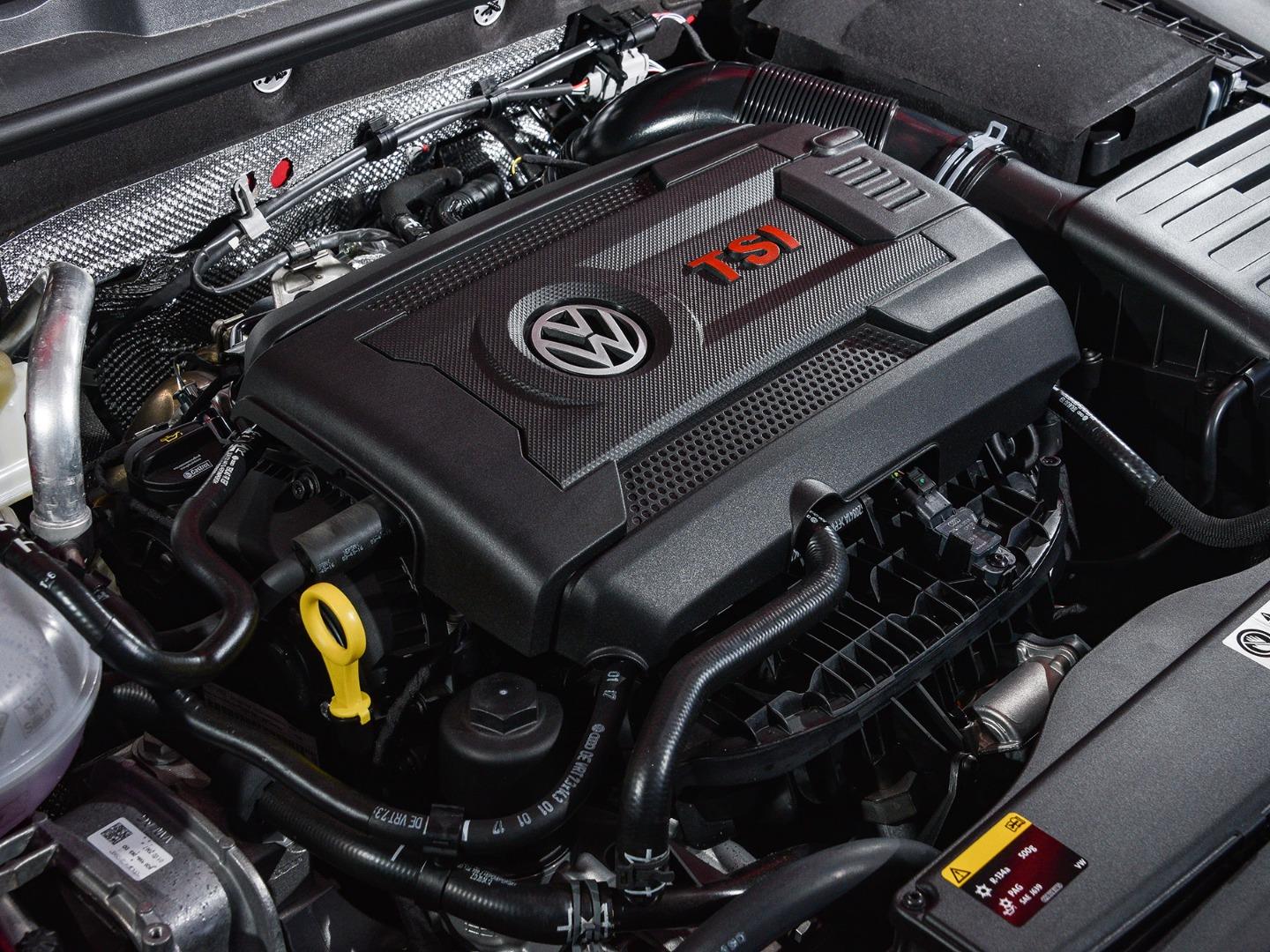
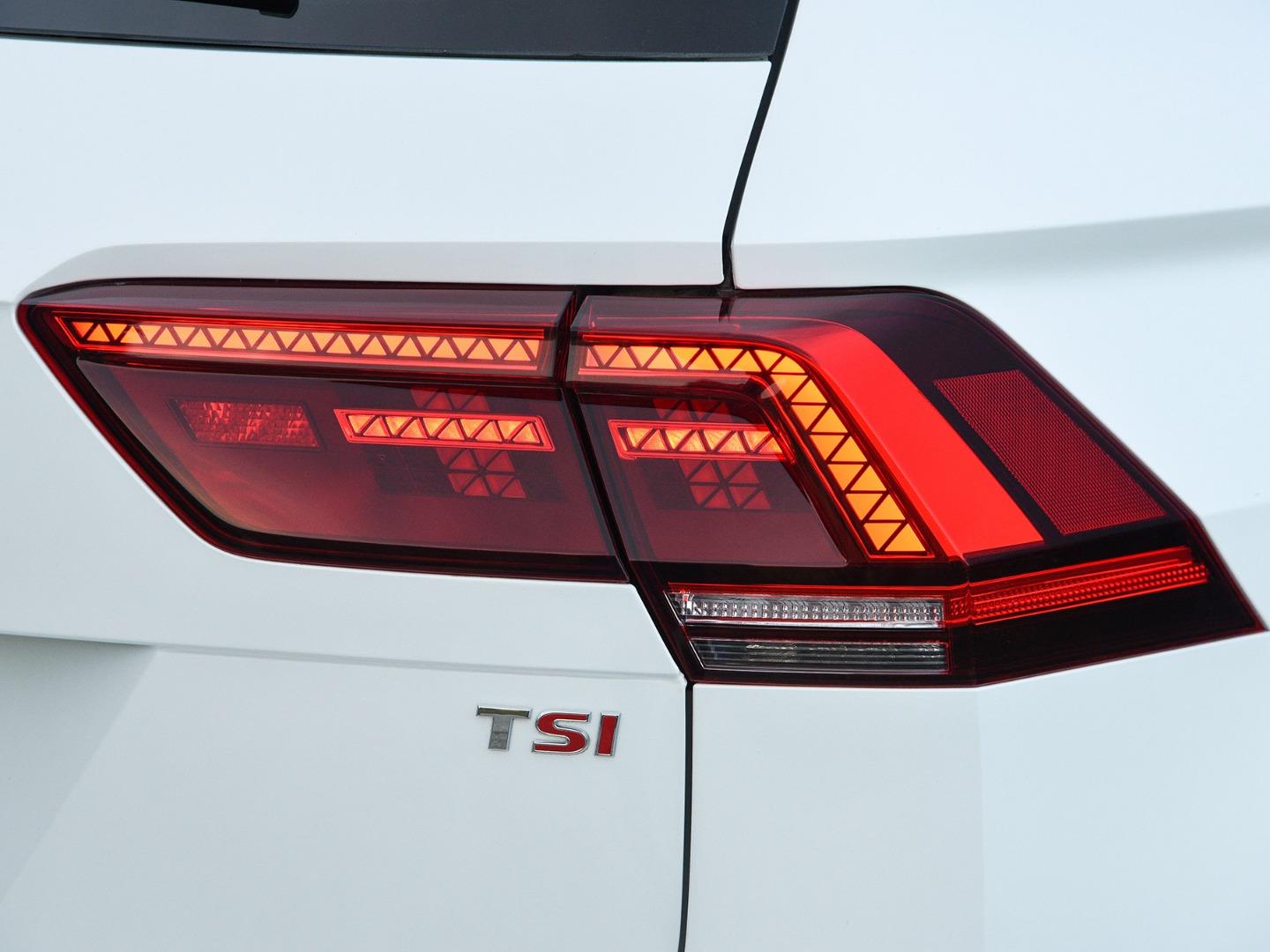

You've probably seen the letters 'TSI' or even 'TFSI' on the rear of or on the engine covers of some cars, most probably an Audi or a Volkswagen. Used car adverts will have it listed either in the title or as part of the description. But what does it stand for? What does it mean to you, the consumer? Is it better than others and if so, how will it affect your ownership experience?
Related: How does a turbo engine affect fuel efficiency?
In order to answer all of these questions, it's important to understand how the internal combustion engine works.
The Otto Cycle internal combustion engine is the most prevalent form of propulsion for passenger vehicles. It allows for the reciprocating action of pistons and connecting rods to be converted into a rotational motion and passed onto the rotating wheels of a vehicle.

The Otto Cycle employs a 4-stroke pattern with the first stroke involving the induction of a premixed fuel and air mixture into a combustion chamber through the downwards stroke of the piston. This creates a vacuum (in naturally aspirated engines ie: engines without turbochargers or superchargers), akin to the vacuum you feel when you hold your finger over a syringe and pull back on the plunger. This mixture of fuel and air that is now in the cylinder is compressed by the upwards stroke of the piston, with the valves that allowed the mixture in, closed.
Moments before the piston reaches the top of its stroke, the ignition system is fired. A spark plug ignites the compressed mixture and the resulting burn of the fuel and air forces the piston back down; this is the power stroke. When the piston returns back to the top in its fourth and final stroke of the sequence, the exhaust valve is opened and the burned gasses forced out of the chamber. The cycle repeats with the piston sucking in the mixed fuel and air mixture on the following downward stroke.

Limitations
While ingenious in its design, the internal combustion engine has a few limitations. Aside from the natural friction of metals rubbing against metals (its lifespan increased through oil lubrication), the reciprocating masses of the piston and connecting rods can also only travel so fast before their speed and change of direction become problematic. This is why engines have a maximum RPM (revolutions per minute).
The next concern is the compression of the air/fuel mixture. Whenever something is compressed, it heats up and the same applies to the air/fuel mixture that is injected into the combustion chamber. The higher the compression of the mixture, the greater the force from the resulting burn. This is what creates the engine's power. So while a higher compression ratio is desirable it has the negative downside that things get hotter. The mixture can get so hot that it starts burning too soon. This is often called 'pinging' or pre-detonation. It can prematurely wear out the components of the engine due to the forces acting upon the reciprocating masses.
This problem is then compounded when one adds a form of forced induction, such as a turbocharger or supercharger. These power adders are effectively air pumps that force additional air into the combustion chamber. Additional air allows you to add additional fuel and produce more power but this also bumps up the effective compression ratio and runs the risk of pre-ignition.

Solutions
Clever engineers came up with an inventive way of running exceptionally high compression ratios without running into the risk of pre-ignition. They employed a high-pressure fuel pump and sprayed the correct amount of fuel into the combustion chamber, moments before ignition to counter the problems caused by high compression engines. This has several benefits:
- The fuel has a cooling effect on the super-heated compressed air.
- The exact amount of fuel can be injected, leading to reduced waste and lower emissions.
- This exact amount of fuel also helps with fuel economy.
- It allows for high-compression engines to be turbocharged, producing more power from a smaller capacity.
TFSI (and more recently, TSI) stands for Turbocharged Fuel Stratified Injection, or Turbo Stratified Injection, alluding to the direct injection technology that is used in their engines. TFSI and TSI is the name given to the VAG (Volkswagen Audi Group) products that use direct injection.