We compared Suzuki Vitara engines, and the efficiency crown goes to…
Blurb: As a well-established competitor is a tough automotive segment, Suzuki’s Vitara range now offers the customer more choice from a powertrain perspective. In today’s article, we examine which Vitara engine is the most efficient.


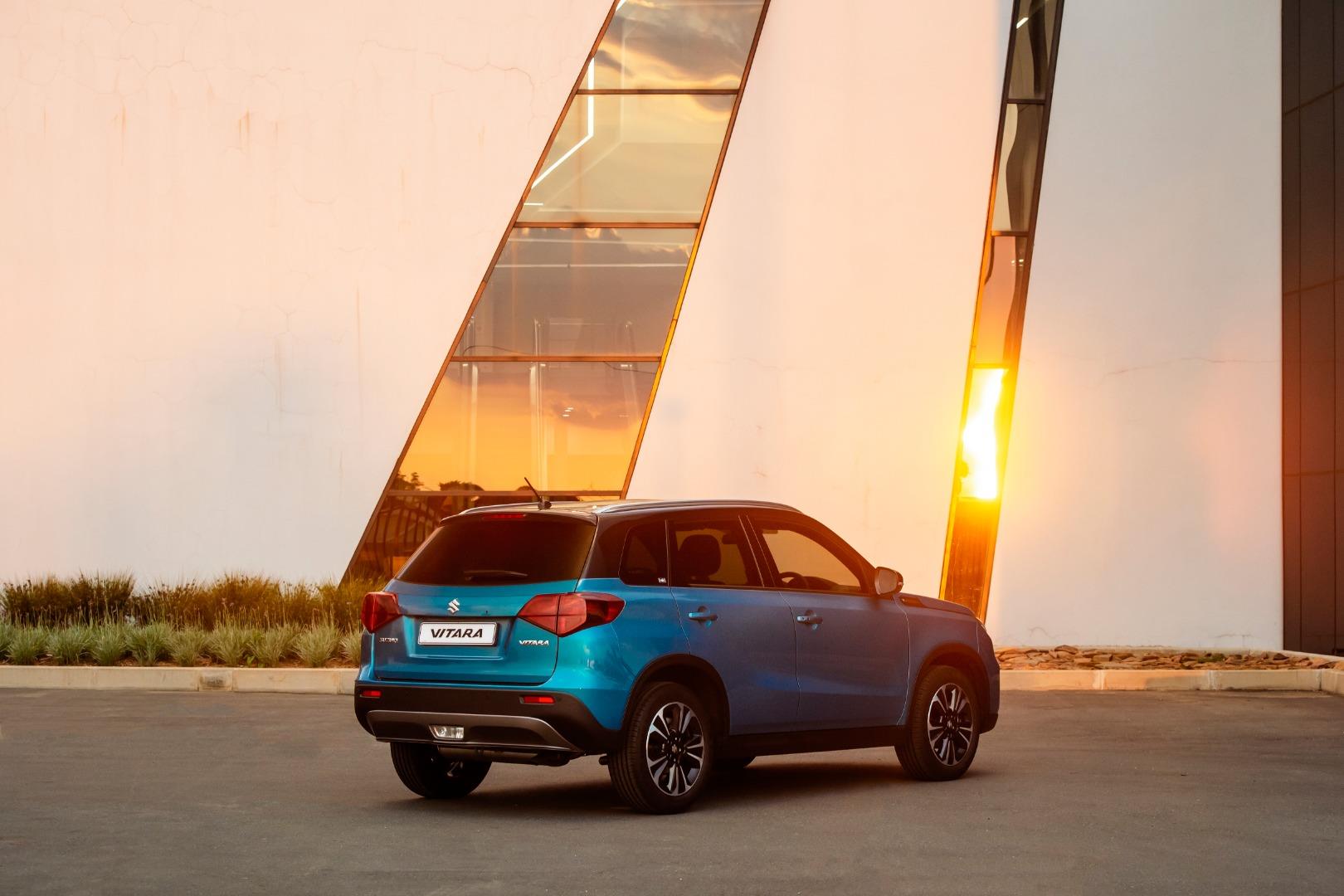

The compact crossover segment is big business these days, constantly stealing sales from the small sedan and hatchback segments while the entrants to the segment appear to grow more numerous by the month. This left Suzuki in a sticky situation, as its Vitara was ageing in a segment the demands the latest in-car technologies and efficient yet powerful small capacity engines.
Related: Suzuki Vitara 1.4T GLX auto review (2020): A crossover reborn
In response to this, the brand introduced an updated Vitara in 2019, ushering in a new turbocharged era for the brand locally while simultaneously reinvigorating the Vitara range. Let us take a look at the current Vitara engine line-up and surmise as to which one is most efficient.
Engines
Despite there only being two engine options within the local Vitara range, there are also four transmission options, which affect the respective fuel consumption figures of the engines with which they are paired. For this reason we have listed all four variants to provide a more well-rounded view of their respective efficiency claims.
|
|
Suzuki Vitara 1.6 GL+ |
Suzuki Vitara 1.6 GL+ auto |
Suzuki Vitara 1.4T GLX |
Suzuki Vitara 1.4T GLX auto |
|
Engine |
1.6-litre, 4-cylinder petrol |
1.6-litre, 4-cylinder petrol |
1.4-litre, turbocharged 4-cylinder petrol |
1.4-litre, twin-scroll turbocharged, 4-cylinder diesel |
|
Transmission |
5-speed manual |
6-speed automatic |
6-speed manual |
6-speed automatic |
|
Power |
86 kW |
86 kW |
103 kW |
103 kW |
|
Torque |
151 Nm |
151 Nm |
220 Nm |
220 Nm |
|
0-100 km/h |
11.5s |
12.5s |
9.5s |
9.5s |
|
Top speed |
180 km/h |
180 km/h |
200 km/h |
200 km/h |
|
Fuel consumption |
5.8 L / 100 km |
6.0 L / 100 km |
5.8 L / 100 km |
5.9 L / 100 km |
|
CO2 emission |
136 g/km |
139 g/km |
136 g/km |
138 g/km |
*This table was compiled using information sourced from www.duoporta.co.za

Conclusion
The four Vitara powertrain variants are all commendably efficient, being separated by just 0.2 L/100km and 3 g/km of CO2 at their extremes. This means that on paper at least, there is extraordinarily little to choose between the models. From our experience with the products though, differences do appear to emerge in the real world.
Torque converter automatic gearboxes, like the units in the Vitara models, tend to increase fuel consumption when compared with their manual counterparts, making both the naturally aspirated and turbocharged automatic Vitara models heavier on fuel than the manual models, a point proven when out testing the vehicles, where an average deficit of 0.5L/100km was seen between manual and automatic models.
This leaves the two manual products to duke it out for the crown. In the case of the naturally aspirated manual vehicle, its 5-speed gearbox puts it at a distinct disadvantage versus the turbocharged model, which not only features the more highway-friendly 6-speed gearbox but also a healthy chunk of low-down torque, making its progress more effortless and subsequently handing it the win in this particular comparison.
Recommended next:
New Suzuki Vitara vs Mazda CX-3 vs Renault Duster: which one has the lowest running costs?
Suzuki Vitara vs Hyundai Creta vs Mazda CX-3: Which car has the best infotainment system?