
We compared Hyundai Kona engines, and the efficiency crown goes to…
There are only two variants in the local Hyundai Kona range, and while they look identical from the outside, their oily bits are rather different. We compare the downsized 1.0-litre turbopetrol engine to the non-turbo 2.0-litre petrol, to determine which one would be the most efficient choice.


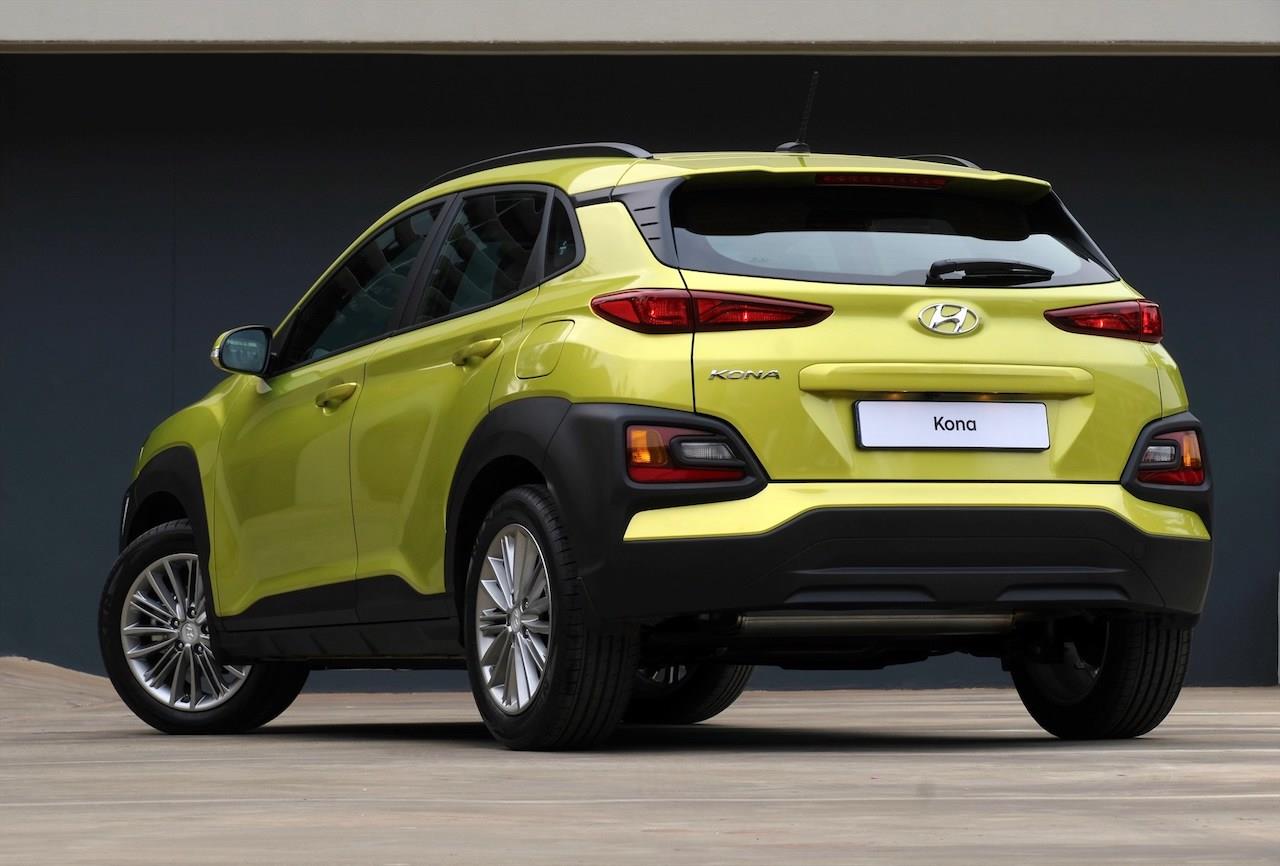

1. Hyundai Kona 1.0T Executive
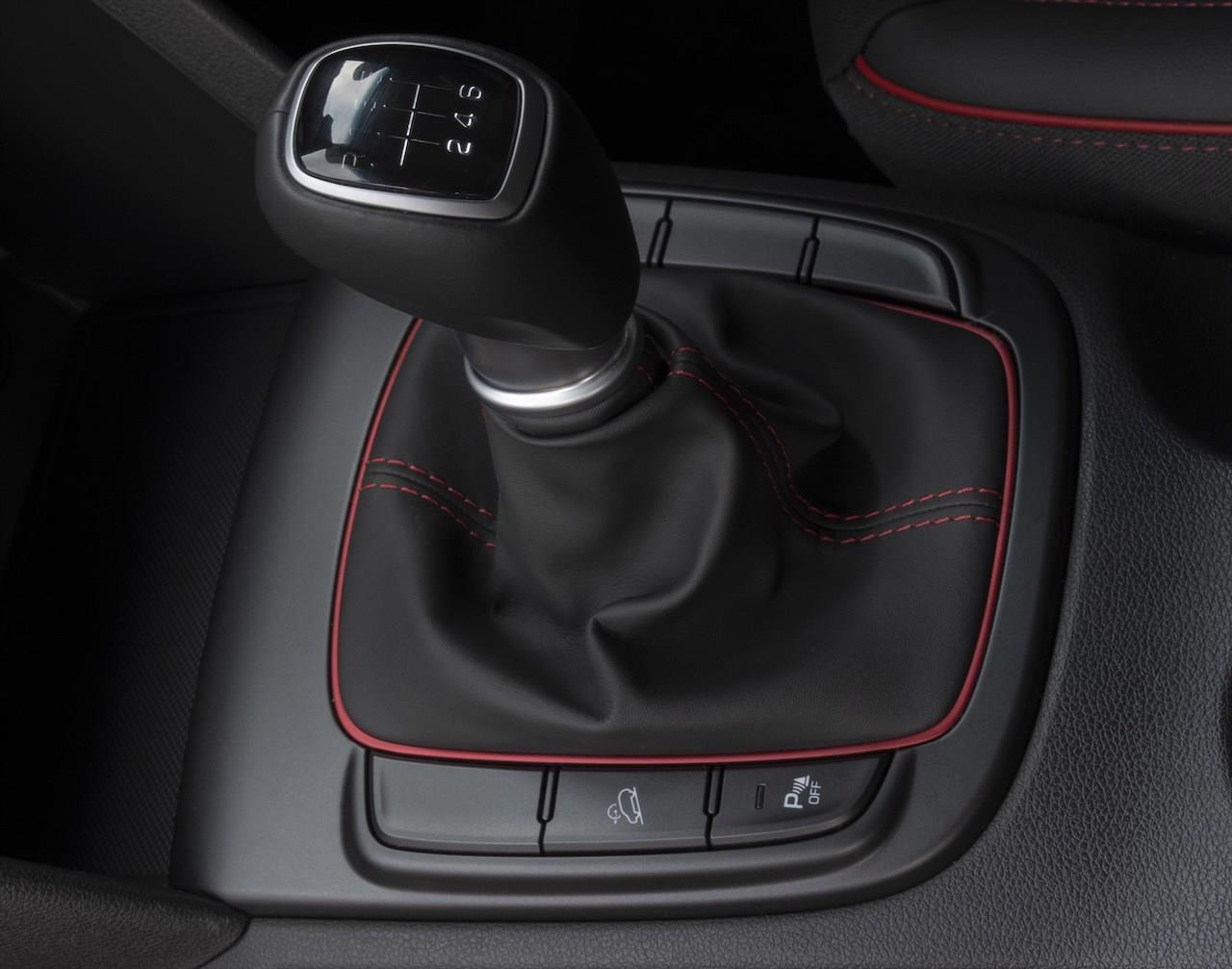
This is the most affordable Kona derivative in our local market, and it is propelled by the smallest engine as well. Its price advantage isn’t due to the small engine, though – it’s also the only one to offer a 6-speed manual gearbox, which costs rather a lot less than the 6-speed torque converter automatic employed in the more expensive version,.
That little 3-cylinder engine is quite a peach, though, with outputs of 88 kW and 172 Nm, thanks to modern add-ons like direct injection, variable valve timing and some boost from a turbocharger. Furthermore, as a result of the smaller engine and simpler (manual) transmission, the Kona 1.0T weighs has a 57 kg weight advantage over its larger-engined (automatic) sibling. But, in other aspects (from trim level to tyre sizes), the two Konas are pretty much identical.
Claimed average fuel consumption for the entry-level Kona is 6.8 ℓ/100 km – and it’s quite likely to approach that figure in normal driving as well. When we reviewed a Kona 1.0T, the car returned an average consumption of 7.2 ℓ/100 km after a week of fairly heavy-footed mixed-cycle driving. This is an eminently reasonable level of thirst for a car of this size, although there are some alternatives which use even less…

2. Hyundai Kona 2.0 Executive
The only difference between this variant and its less-expensive sibling lies in the engine room, where a non-turbo 2.0-litre 4-cylinder is mated to a 6-speed torque converter automatic gearbox to also drive the front wheels only. This is more of an old-school engine with few modern gadgets: there’s variable valve timing, but that’s about it.
Rather more interesting is the fact that this engine is configured to operate according to the Atkinson cycle (instead of the usual Otto cycle of other engines), which theoretically leads to cleaner exhaust emissions and improved fuel efficiency (albeit at the expense of some power). How effective is the engine at containing the Kona’s fuel thirst?
At first glance, the official figures look promising: Hyundai claims an average fuel consumption of 7.2 ℓ/100 km for the larger-engined Kona, which isn’t very far off from the 6.8 ℓ/100 km claimed for the 3-cylinder. However, this doesn’t quite happen in real life: when we reviewed the Kona 2.0 at sea level, the fuel consumption varied between 7.7 ℓ/100 km on open roads and the high-9 ℓ/100 km range in heavy traffic. Neither number comes close to those optimistic claimed figures, though, and they’re both quite far off from the good numbers returned during our (Highveld altitude) test of the 1.0T variant.
The Efficiency Champ
There’s no doubt that the cheaper Kona will also be the most fuel-efficient in the real world. It’s lighter, doesn’t suffer from the high drivetrain losses of its automatic counterpart, and can take advantage of its downsized engine’s lower internal friction and reduced thirst in low-load conditions.
These advantages are compounded at Highveld altitudes, where the turbo can compensate for the less-dense air, largely maintaining its power where the non-turbo engine loses 17-ish percent of its output. In addition, the 1.0T delivers its peak torque (which also correlates to peak efficiency) between 1500- and 4000 r/min, against the 2.0’s torque peak, which only occurs at 4500 r/min. This will make for easier overtaking, less need for (fuel-wasting) downshifts, and more economical steady-speed cruising. Maybe there is some merit to the whole downsizing craze, after all…

Recommended next: