
We compared Ford Transit Custom engines, and the efficiency crown goes to…
With one engine in use across the range, but in three different states of tune, the Ford Transit (and Tourneo) Custom is a great example of one engine being adapted to produce different characteristics. We looked at the different variations of this engine to determine which one works best from an efficiency point of view.


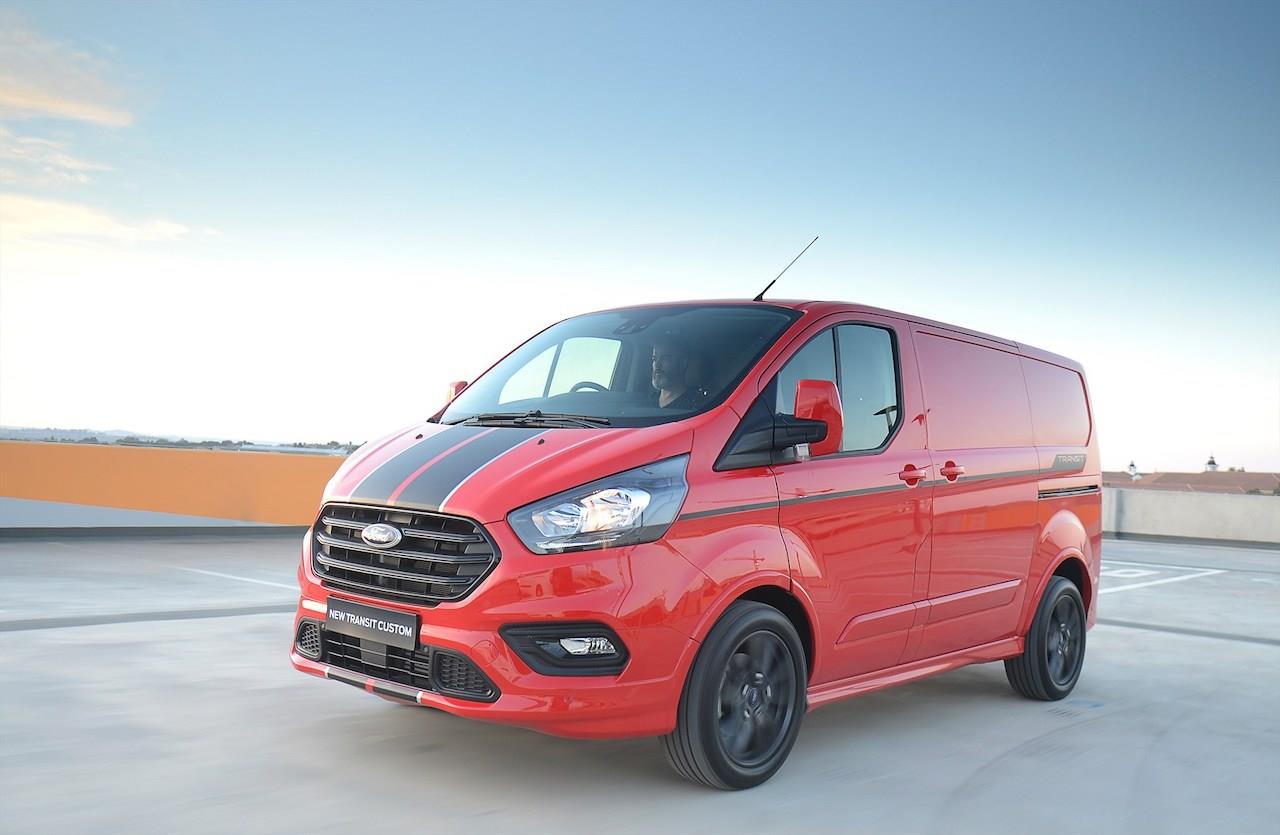
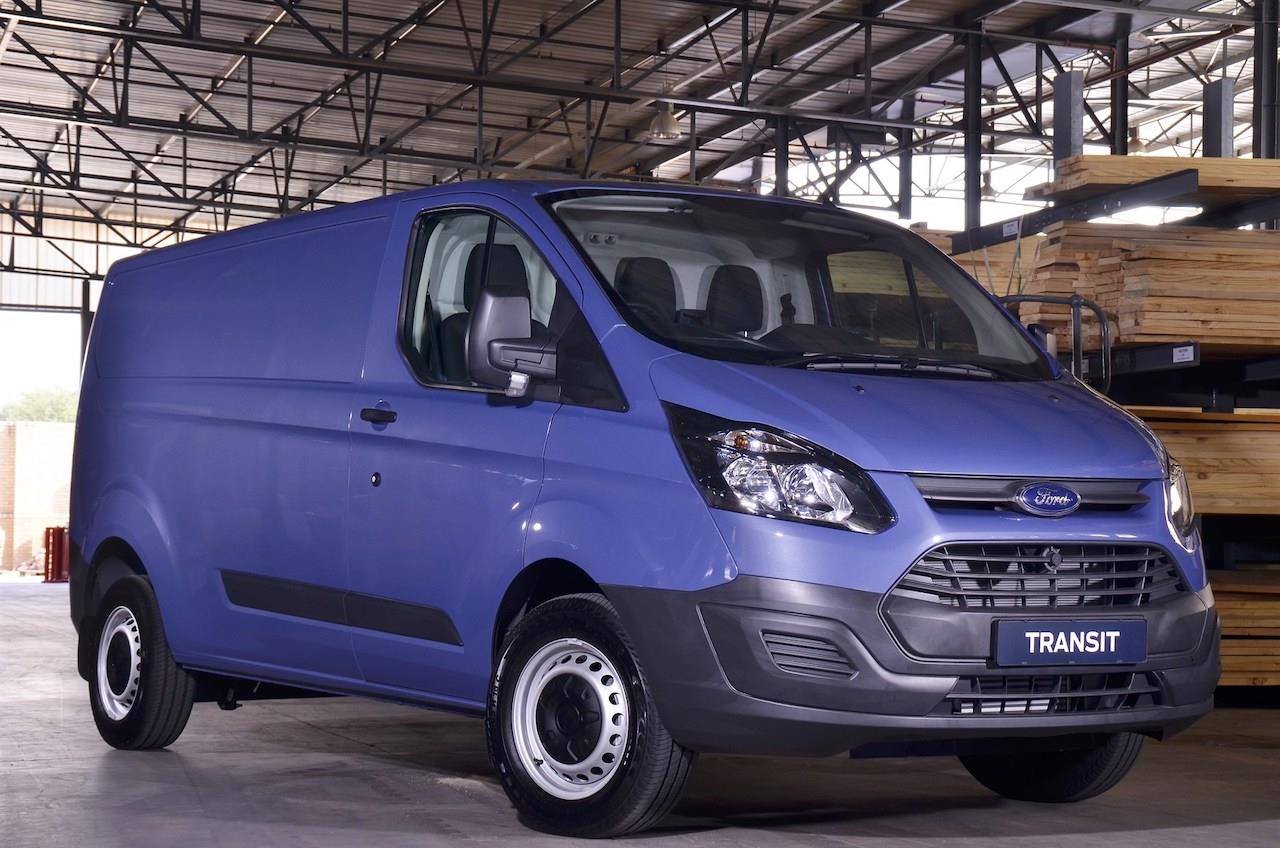

Panel vans aren’t meant to be speed record holders, but should rather operate efficiently and reliably while doing some hard work. To this end, Ford devised three unique variations of their well-regarded 2.2-litre “Puma” turbodiesel engine, for use in the mid-sized Transit Custom panel vans. Outputs range from very mild to surprisingly potent, even though the actual engine doesn’t change much between applications. All variants have an 80-litre fuel tank, which is used a basis for our range estimates.
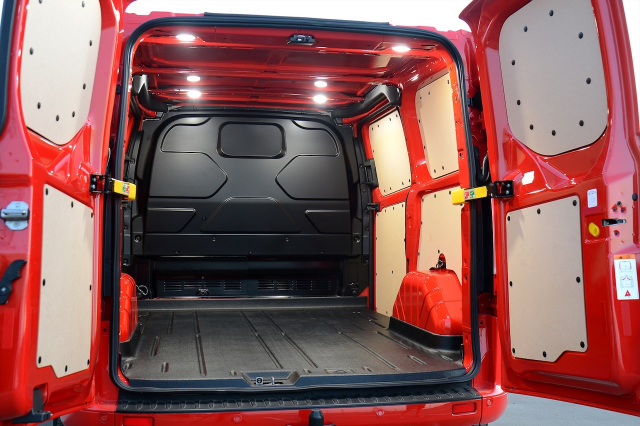
Related: We compare the running costs of the Ford Transit/Tourneo Custom to its competitors.
Ford Transit Custom 2.2 TDCi 74 kW LWB
This is the lowest output variant of this engine which produces only 74 kW, but comes with a hearty 310 Nm of torque, the latter of which peaks at only 1300 r/min. As in all Transit Customs, it’s mated to a 6-speed manual gearbox to drive the front wheels.
Average fuel consumption - combined cycle (manufacturer’s claim):
7.0 ℓ/100 km
Estimated fuel range:
1143 km
Ford Transit Custom 2.2 TDCi 92 kW LWB
In its mid-level state of tune, this engine’s power output goes up to 92 kW, with a bump in torque to 350 Nm, available at 1450 r/min. This is still far below what this engine delivers in other applications, so it’s still very under-stressed in this trim.
Average fuel consumption - combined cycle (manufacturer’s claim):
7.3 ℓ/100 km
Estimated fuel range:
1096 km
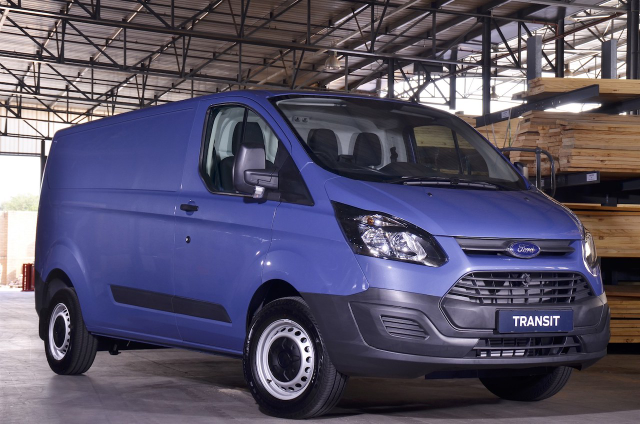
Ford Transit Custom 2.2 TDCi Sport SWB
This is a bit of an odd duck in the line-up, as it not only uses the highest-output engine, but also combines it with a slightly lighter short wheelbase body. In this application, the engine is tuned to produce 114 kW and a staunch 385 Nm, the latter of which arrives at 1600 r/min.
Average fuel consumption - combined cycle (manufacturer’s claim):
7.1 ℓ/100 km
Estimated fuel range:
1127 km
Verdict:
Panel vans are meant to carry heavy loads, especially when they offer a long wheelbase with all its space advantages. For this reason, we’d recommend the more-potent 92 kW engine over its 74 kW sibling, purely because its extra torque will come in handy when getting down to cargo-hauling duties. The mid-spec engine’s consumption penalty is negligible, and its estimated fuel range on a full tank only drops by 50 km or so in comparison to the low-power version.

The short-wheelbase panel van is the most efficient of all (officially), most likely because the SWB body weighs a bit less and might have less aerodynamic drag. But, because of its more-compact dimensions, it loses almost 900 litres in load capacity, and has a much lower payload as well. So, in spite of its superior fuel economy, it’s not the best option when it comes to a van’s primary mission of carrying cargo. Strange that this more-potent engine trim isn’t available with a LWB body, then – that would really make for a formidable working van!
Recommended Next:
Shop for new and used Ford Transit Custom cars for sale here.