
We compared BMW X5 engines, and the efficiency crown goes to…
The theory used to go that those who can buy super expensive cars, like BMW X5s, don’t care about fuel consumption. But, since climate change was linked to carbon emissions, it makes more sense than ever to choose an efficient car. We shine a spotlight on the X5 range’s consumption figures, and crown the one that can do the most, with the least.


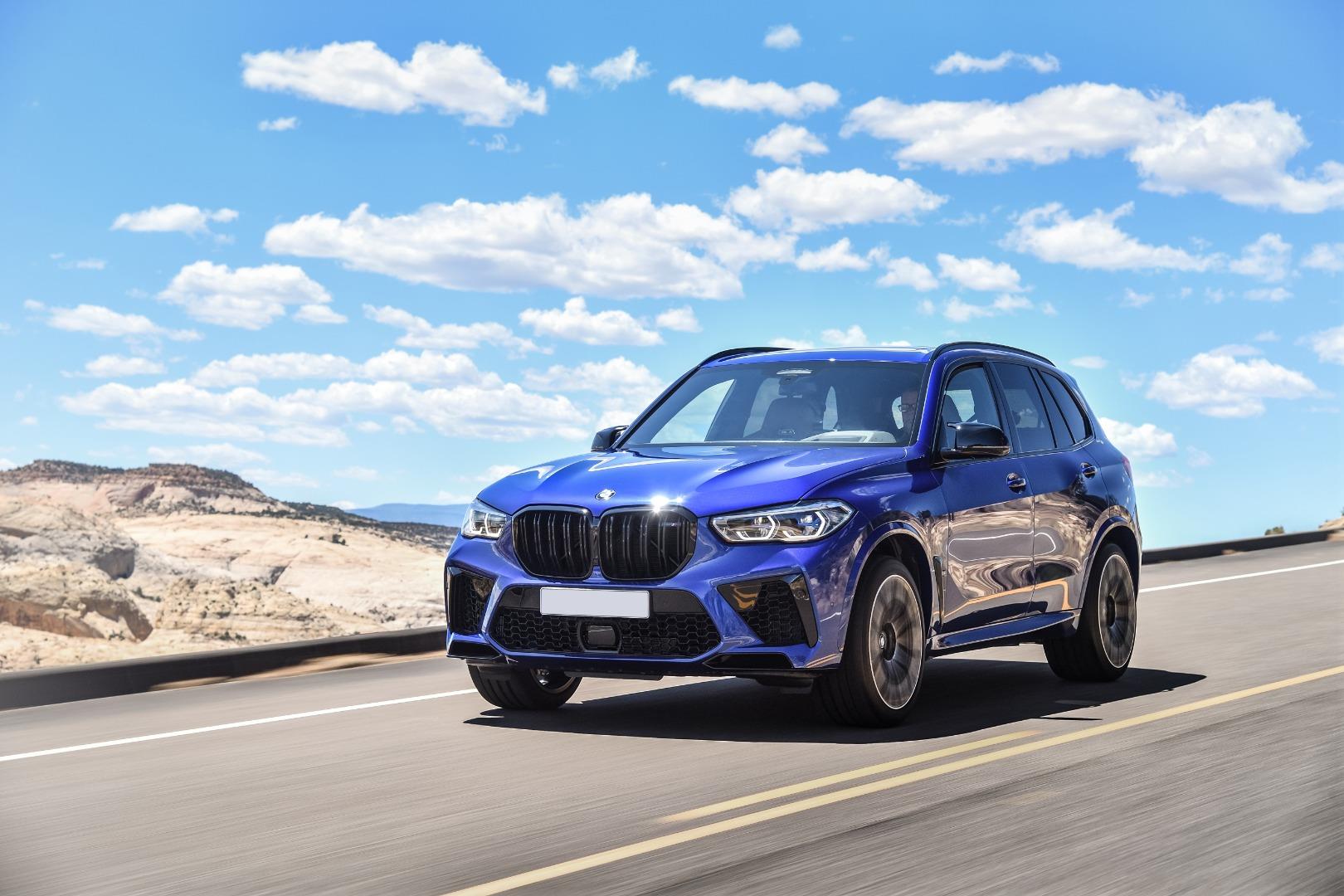
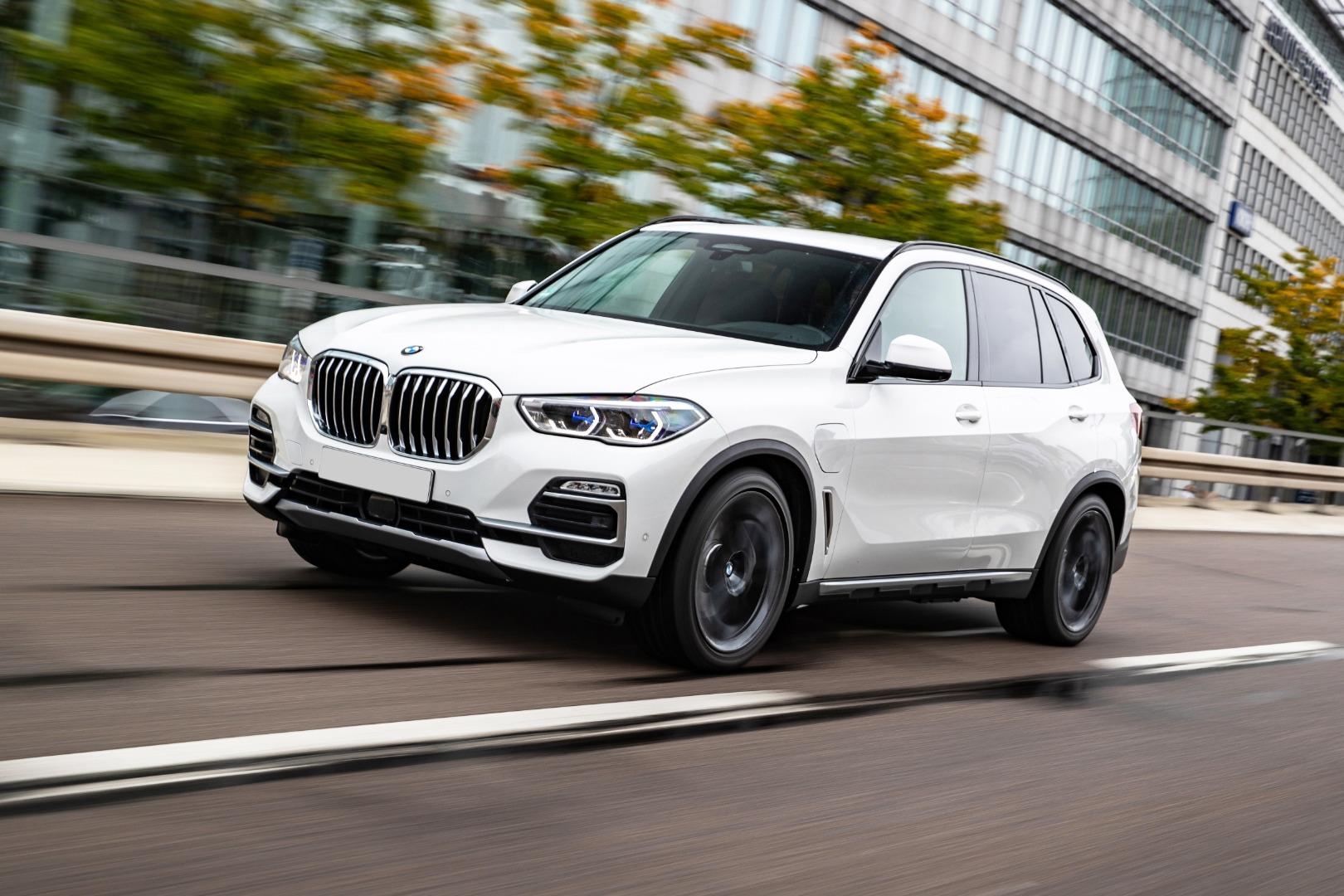
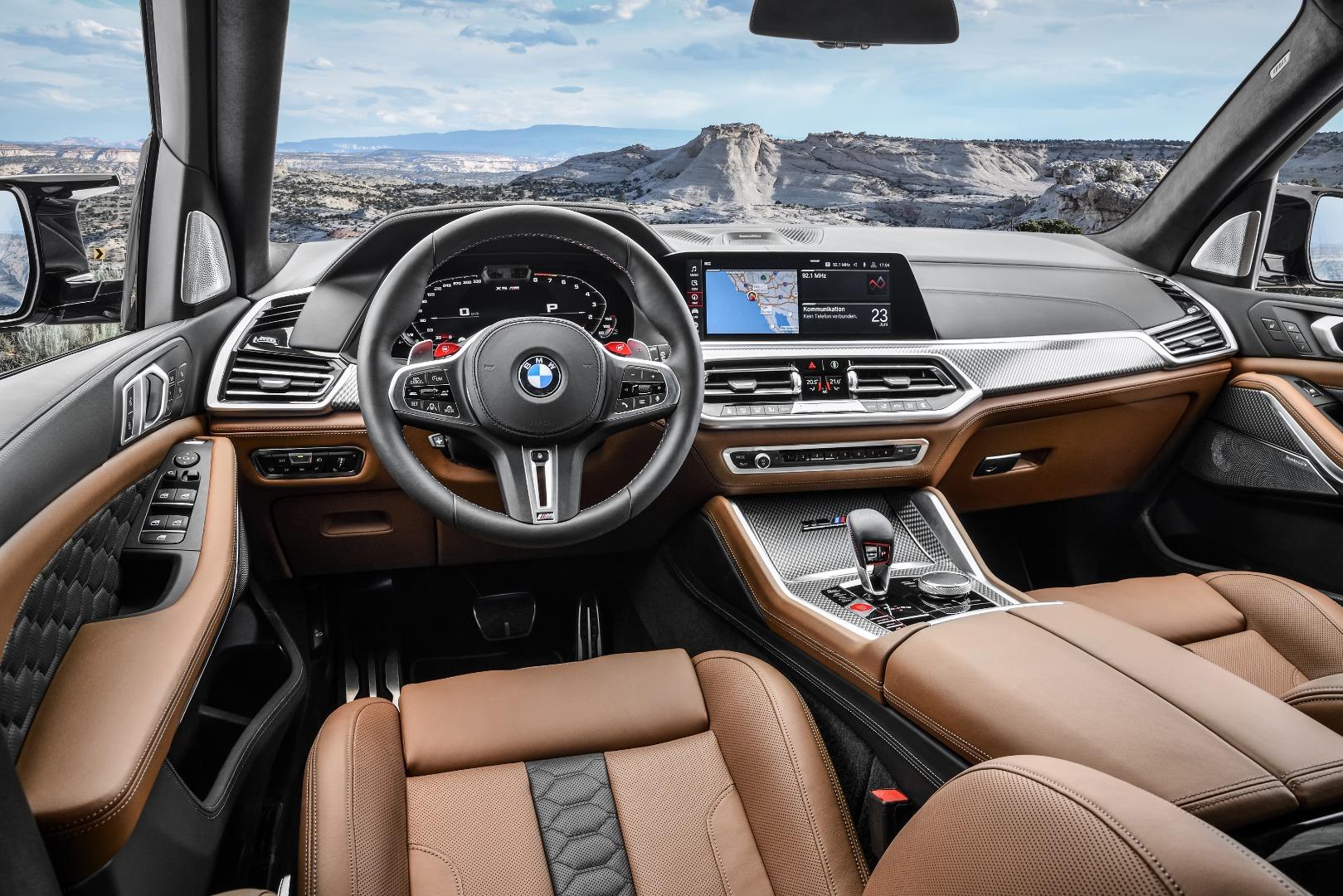
Where efficiency is concerned, the BMW X5 range offers more than you might think, considering the vehicle’s size, heft and that all four wheels are driven. This is because BMW employs advanced diesel engines and hybrid technology. There are two guzzlers in the model line-up, the X5 M50i and the X5 M, but you can get almost as much performance from the less thirsty versions of the X5 range.
Related: The New BMW X5 – four turbos for more fun
Sweet baby diesel
The line-up starts with the xDrive30d, that packs a 3-litre, straight-six mill, good for 195 kW and 620 Nm. BMW notes its average consumption as 7 litres/100km, which is slightly optimistic, as is the norm. The xDrive30d has enough muscle to accelerate from 0 to 100 in just 6.5 seconds and its top speed is quoted at an unnerving 230 km/h. (Cap it at 180 km/h – like Volvo, BMW.)
Related: BMW X5 xDrive30d M Sport Review: When an apparent evolution really signals a revolution.
Petrol-electric powerhouse
Next is the X5 xDrive45e, which is motivated by a petrol-electric hybrid drivetrain. It’s important to note that this is a plug-in hybrid and not what some manufacturers call a “self-charging hybrid” – like the first Toyota Prius. Because the battery that powers the vehicle is quite large, you have to plug the car into an electricity supply to ‘fill it up’. This takes little effort and it gives the xDrive45e enough juice to run petrol-free for up to 97 km! Therefore, the xDrive45e’s (official) average consumption is 2.5 litres/100km, but only when the driver sets off with a fully-charged battery.
The Bavarian manufacturer says the car will sprint from standstill to 100 km/h in just 5.6 seconds and it will top out at 235 km/h. To achieve this kind of performance, the car combines its electric and petrol power for a total of 290 kW and 600 Nm.
Torque-show
Those who enjoy the crazy torque of a high-performance turbo-diesel engine, and feel that the xDrive30d’s 620 Nm doesn’t blow their hair back, may opt for the X5 M50d. It uses the same 3.0-litre, straight-six as the xDrive30d, but had it radically enhanced to push out 760 Nm of torque and 294 kW of power. Amazingly, its official consumption figure is 7.2 litres/100km, just 0.2 more than the xDrive30d’s number. With a top speed of 250 km/h and a 0-100 time of 5.2 seconds, the X5 M50d is faster than the cars above.
Q-car
Arriving at the petrol-only X5 M50i, we have also reached V8 territory. To be precise: 4 395 cubic centimetres of V8, enhanced by two turbo-chargers. This results in a maximum power output of 390 kW, which is 15 kW over the Alfa Romeo Stelvio Quadrifoglio’s 375 kW. At 750 Nm, the M50i’s torque output is just 10 Nm shy of the M50d’s tractor-like 760 Nm.
All these turbos and numbers conspire to give the M50i a 0-100-sprint time of just 4.3 seconds, while top whack is limited to 250 km/h. This makes the M50i the consummate sleeper or q-car, because very few people would expect such velocity from a boxy SUV, without the letters ‘M’ or ‘AMG’ stamped anywhere.
Unfortunately, these fireworks come at a cost – to the wallet and the environment. The M50i’s average fuel consumption figure is 11.5 litres/100km. This means the M50i (conservatively) exhales 263g of carbon dioxide into the atmosphere for every kilometre it travels, or 263 kg of the stuff for every 1 000 km. It also means you’ll be lucky to get 6 kilometres for a litre of petrol.
Dirty bullet
For those who want a top-heavy, overweight-yet-practical sportscar, BMW has just launched (how apt) the X5 M Competition. Using the same 4.4-litre V8, the M Competition cranks out a maximum of 460 kW and 750 Nm, clocking the 0-100 dash at a mere 3.8 seconds, BMW says. Its average fuel consumption is 12.5 litres/100km, which is equal to a rather dirty 286 g/km of CO2 emissions.
And the crown goes to...
There’s a very clear winner here, and it doesn’t take much to figure out it’s a hybrid. The consumption of the X5 xDrive45e is rated at 2.5 litres/100km, but with a purely (how apt) electric range of almost 100 km, you could run this beast at zero litres/100km on 5 out of 7 days. And if you charge it with solar power, you have just about perfected personal mobility.
Recommended Next:
BMW X3M Competition (2020) Review: An X3 with some real M-agic