
Used city cars – ranked by practicality
Used city cars – ranked by practicality




By Martin Pretorius
With even the lowliest budget cars edging past the R150 000 mark, we take a look at other city-friendly offerings in the pre-owned market, and rank them according to their practicality.
Instead of paying inflated prices for a comparatively primitive budget car, you may be considering buying a slightly larger and more sophisticated city car for similar money, even if that means that you’ll have to buy used instead of brand new. We set a budget cap of R150 000 for this exercise, found a variety of used city cars, and used their quoted utility space to rank them from the least practical to the most.
Information for the total utility space was found at various local- and international news sources, as not all these cars were comprehensively evaluated on local soil. We ignored cabin space this time around, as none of these cars are in any way spacious, and they’re all more or less equal on this front anyway. At this price point, there are plenty of late-model cars with low mileage on offer, so these are the ones at which we’ll be looking.
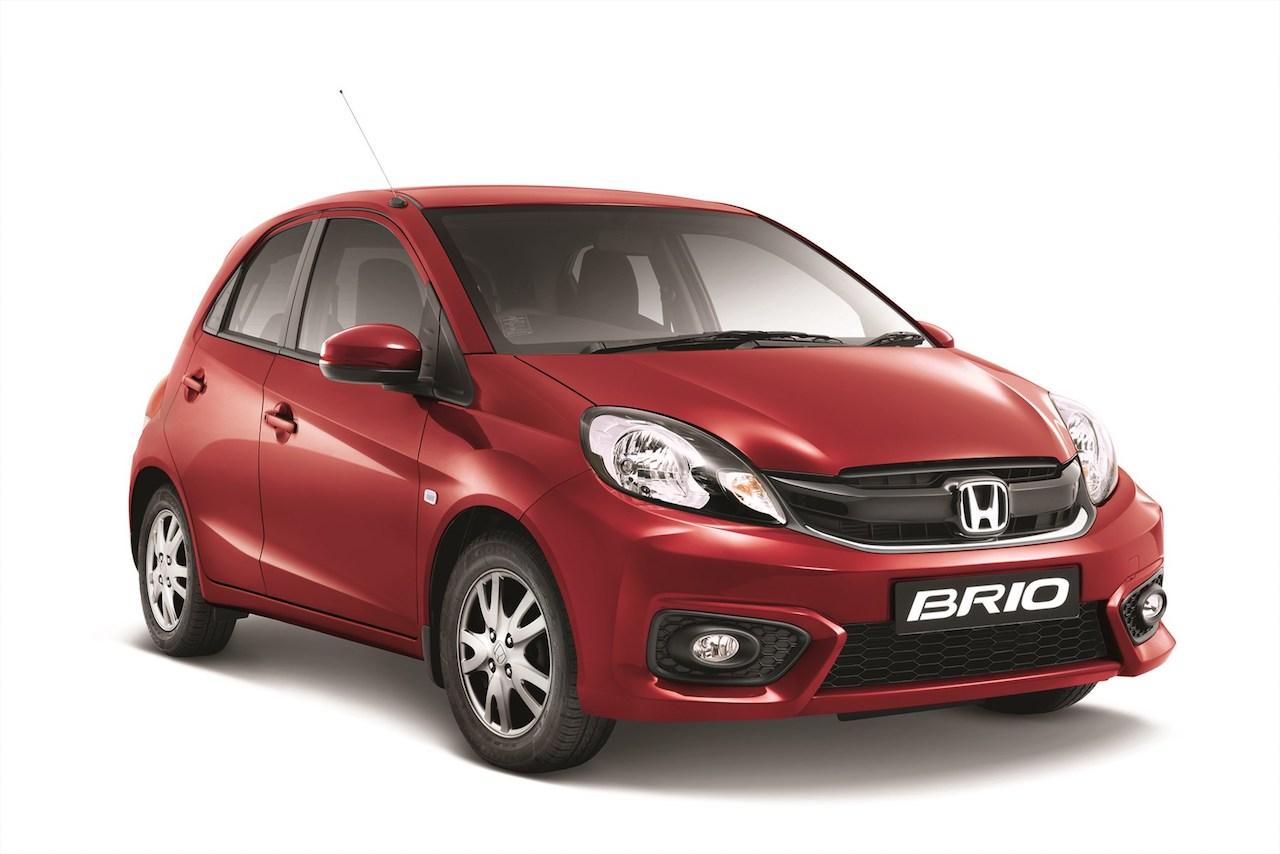
7. Honda Brio Hatch
First up is the smallest Honda on offer in South Africa. The Brio really is a tiny little thing, and those small dimensions influence every possible parameter. The car’s narrow width means that the front seats are very close together, and it restricts the access to the small luggage area. Even with the rear seats folded down, the Brio can only manage to scare up a total of 519 litres – similar to a VW Jetta’s default boot size! From R 77 500 here on AutoTrader SA
6. Toyota Aygo (Second Generation)
Next we see the Toyota Aygo – which we already suspected would have very little total utility space. Its capacity of only 750 litres is again as a result of its extremely compact exterior dimensions, and means that this one probably also won’t be great at moving house... From R 100 000 here on AutoTrader SA
5. Kia Picanto (Second Generation)
We’re moving closer to respectability here, but the Picanto’s maximum cargo volume of 870 litres is still by no means cavernous. It should be able to carry the things two people might need for a week’s holiday, but that’s it. No wonder the latest Picanto was re-designed to offer a lot more room! From R79 500 here on AutoTrader SA
4. Chevrolet Spark (Second Generation)
Scarcely bigger than a Picanto, the Spark’s total of 883 litres is still very small – and its boot space with the rear seat up is equally tiny. They are really affordably priced, though – and that also makes a difference... From R60 000 here on AutoTrader SA
3. Hyundai i10
This is looking more promising: even though the i10 and Picanto are vaguely related, the Hyundai engineers managed to extract 910 litres of utility space from the little i10 – 40 litres extra doesn’t sound like much, but it makes a big difference when you have so little to start off with... From R65 000 here on AutoTrader SA
2. Volkswagen Up!
True to Volkswagen tradition, the Up! somehow finds more space than the car’s dimensions would suggest – 959 litres of total utility space with the rear seats folded down is a lot more than you’d imagine possible in such a small car. It’s still only about 64% of an average mid-sized SUV, but pretty decent for a car of this size. From R76 000 here on AutoTrader SA
1. Suzuki Celerio
The practicality king in this comparison has to be the Suzuki’s 1034 litres total utility volume. In fact, there’s almost double the amount of room you’d find in a Brio Hatch, although it has to be remembered that the Brio really is tiny and the Celerio is slightly less so. Still, well done to Suzuki’s boffins for making such efficient use of the available space. From R 109 000 here on AutoTrader SA