
Used cars ranked by practicality: Family hatchbacks
Used cars ranked by practicality: Family hatchbacks


By Martin Pretorius
Family hatchbacks feature strongly in our market, because they suit most of the average person’s needs: compact enough to be easy to drive, yet large enough to carry everything we throw at (and in) them. For these buyers, practicality takes on an even more-important role, because it determines the car’s usefulness when going about its job. We’ve taken a look at 10 used family hatchbacks listed here on AutoTrader, and ranked them from the least to the most practical. For the purpose of this exercise, we’ve used luggage space (with 5 seats in use) as the yardstick, because most offerings in this class are about the same size, and offer roughly similar cabin space. Luggage volumes are as claimed by the manufacturers.
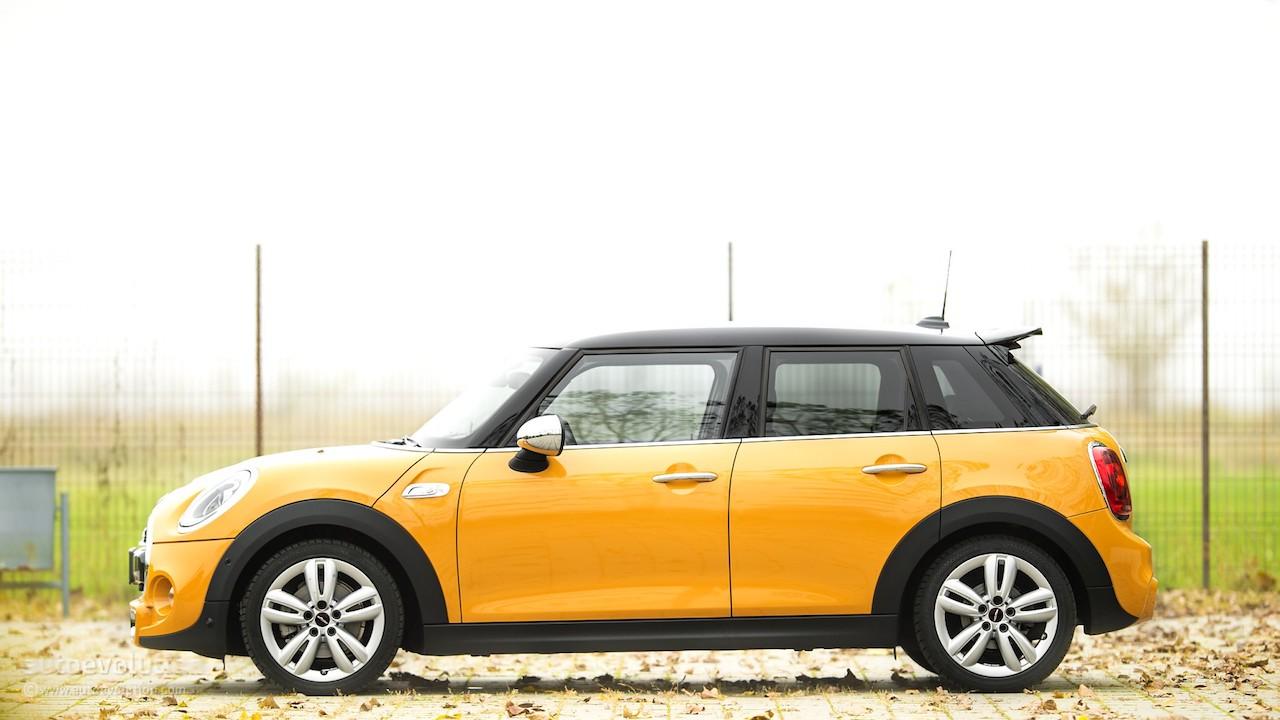
First up, we have the 5-door Mini – a car which has actually grown so large through the years that the only remaining things about it that are still “Mini” are its brand name, and the size of its boot. 278 litres is really very small for a car of this size, and in fact cannot even compare with many cars from a lower size class costing half as much. Such is the penalty for style, then...
Mazda really seems to struggle to endow their cars with decent cargo area space. Just like the CX-3 and CX-5, the Mazda3 has sub-par boot space at its disposal. There’s only 308 litres available under the luggage cover, which is a good 20-odd percent less than the best cars in this list. We’ll see how the next-generation Mazda3 fares when it reaches our shores, probably sometime in 2019.
Here’s a puzzling one: the Focus casts quite a large shadow, yet its cargo area measures a paltry 316 litres. There’s one possible explanation, however, and that’s to do with cabin space: Ford decided to give rear-seat passengers higher priority than the luggage area. That may be noble and all, but other manufacturers manage to reconcile these conflicts more satisfactorily.
Let’s discuss the previous (third-generation) A-Class quickly. It may have been replaced by an all-new car earlier in 2018, but there are plenty of the older ones around on the used-car market. It may have had a rather cramped cabin with very little rear leg- or head room, but its luggage area was surprisingly large for a car with such compromised packaging. 340 litres is a good figure for a car of this size, and makes this A-Class a commendable entry on this list.
The current (outgoing) Auris has always had a rather accommodating cabin, and with a luggage compartment which measures a useful 360 litres, you could carry a decent amount of cargo to go with the spacious interior. Hopefully the next-generation car (which lands sometime in 2019) will continue with this good work.
The current-generation Astra has been around for a few years now, and it’s a good one. There’s more cabin space than in any previous Astra, while the luggage area now has a commendable 370 litres of cargo space available.
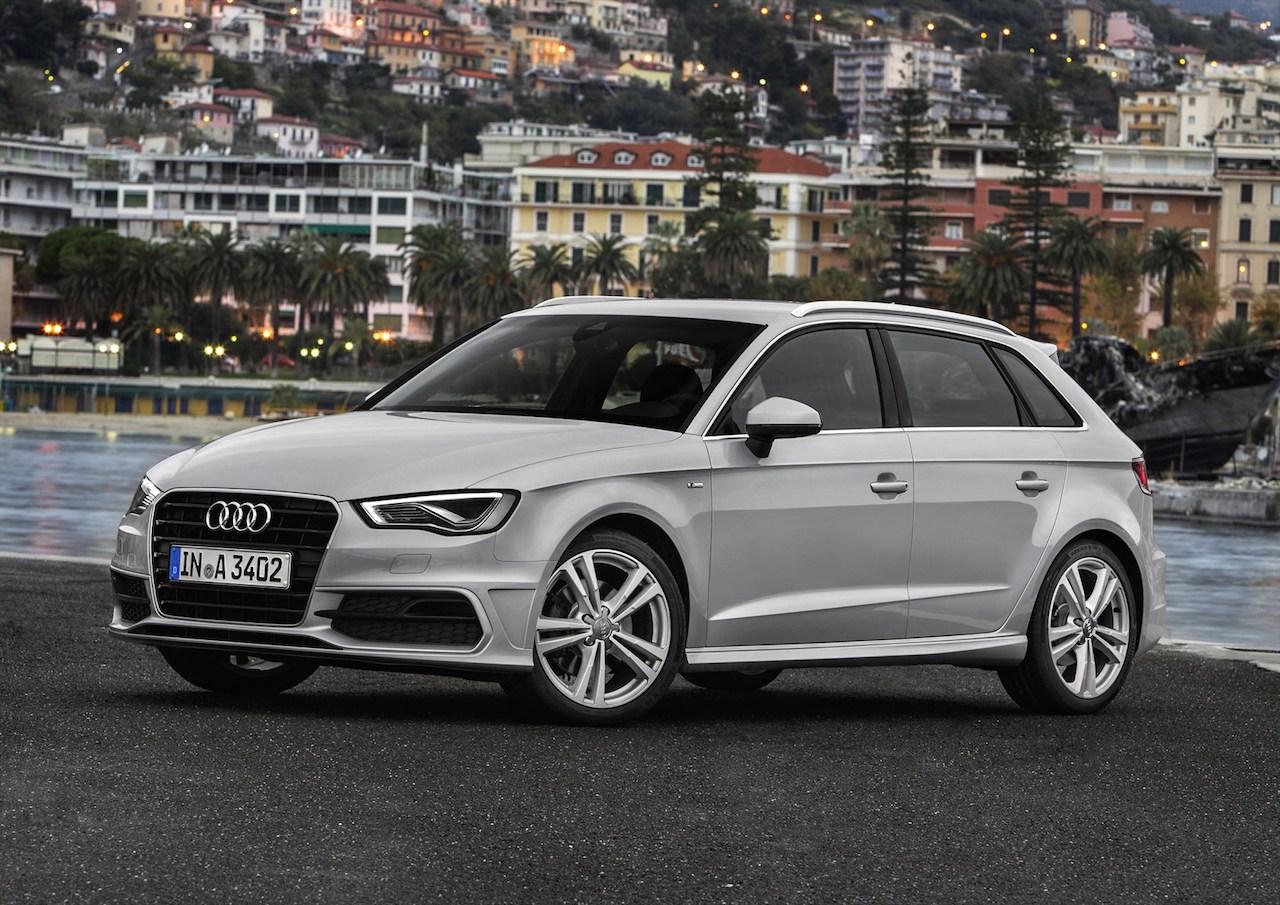
As the first of the MQB cars on this list, the A3 Sportback has 380 litres hiding behind the hatch. This space is well-shaped with few protrusions as well, but the hatch aperture is slightly on the small side and with a high-ish load-over height.
Just like its Audi cousin, the 380 litres available in the Golf’s cargo bay is shaped nicely for easy loading, but its load-over height is slightly lower and its aperture is slightly larger. It’s clear that the Golf was always intended to be the more-practical variant.
And now we get to the heavy hitters. It’s almost as though the French competitors made a specific effort to trounce the Golf on practicality, because the Renault Megane can boast of 384 litres in its load bay.
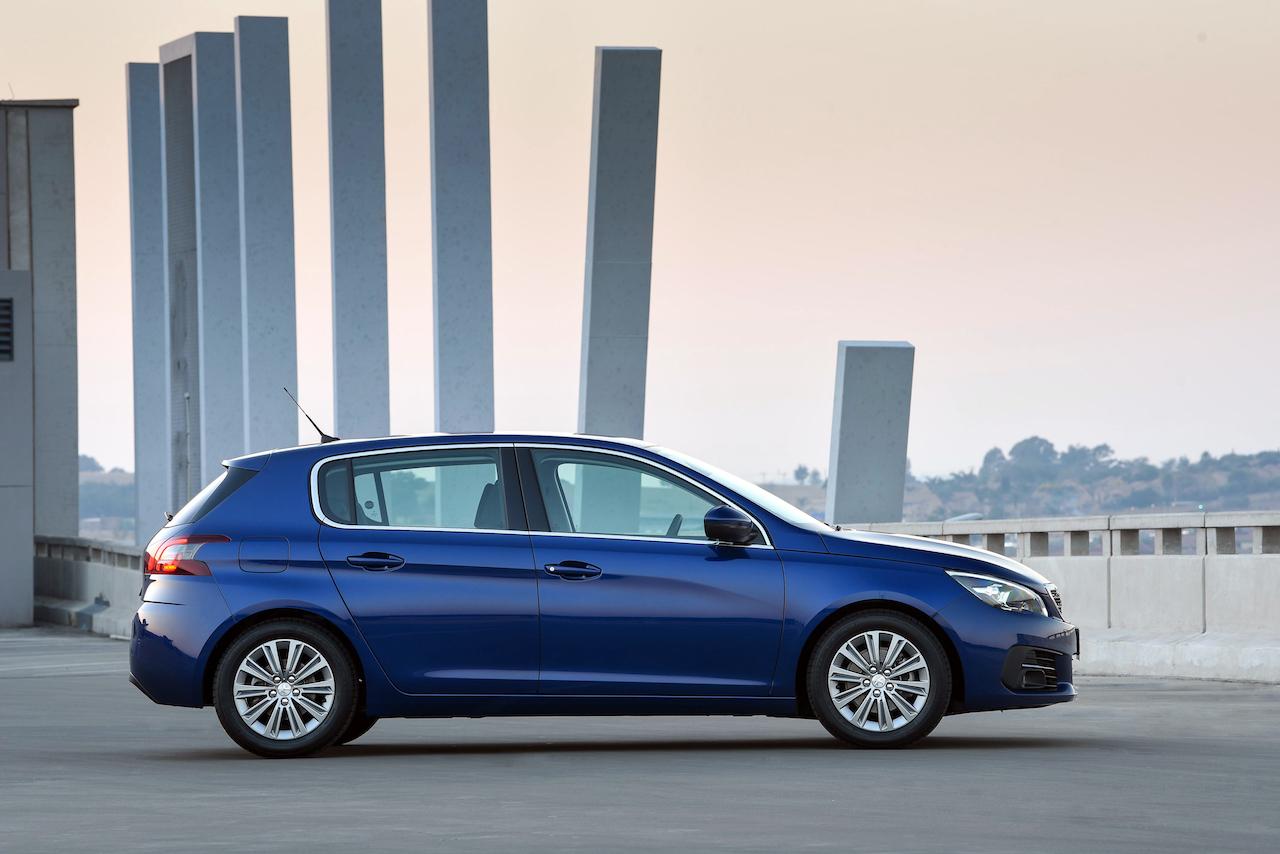
The 308 does even better, and its 385 litres (barely) beats even the Megane. It also has a well-shaped boot, and it’s easy to get your things loaded as well. Bravo, Peugeot!