
Toyota Land Cruiser 78 test drive: make sure to check these features out
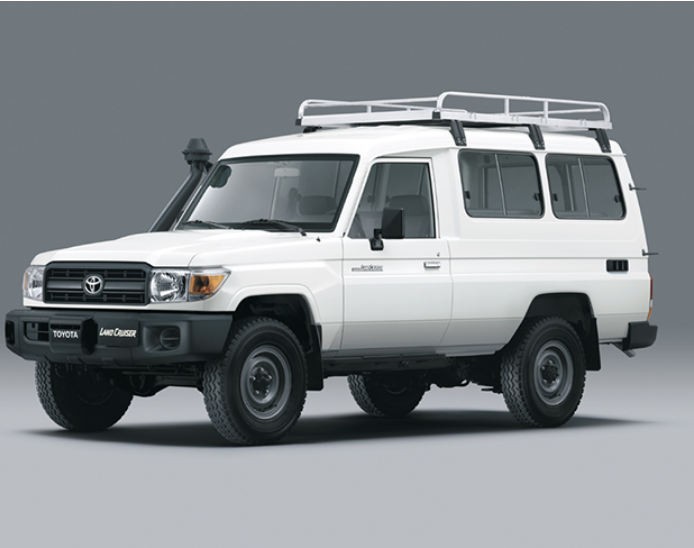
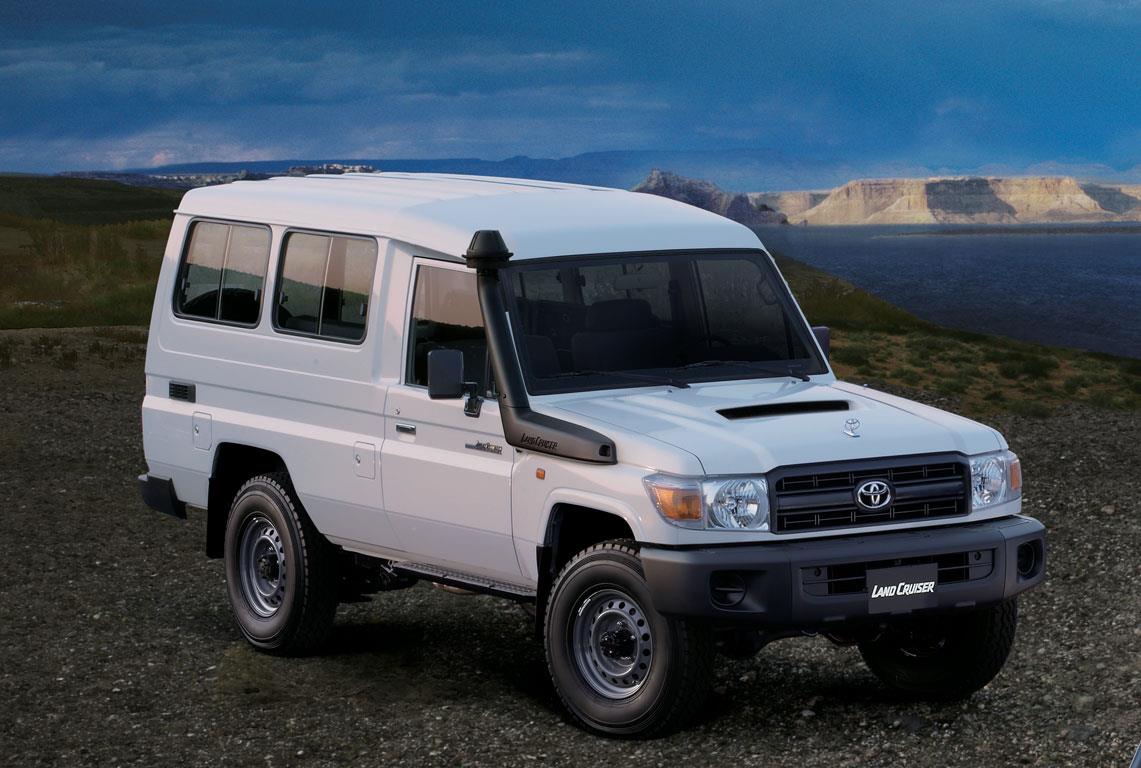
The Toyota Land Cruiser 78 Wagon, affectionally known as the “Troopy”, was for sale in SA for just a short period. This means they aren’t common in SA, and if you do find one with some life left in it and rust free you’re in luck. The 78 Wagon has unique attributes that sets it apart from the Land Cruiser 76 Station Wagon and the Land Cruiser 79 Double Cab. So, check the following features out when you test-drive a 78, plus a bunch of other characteristics that are typical of the 70 series.



1. The cabin is a time capsule
In essence, the Land Cruiser 78 Wagon is a single-cab 79 bakkie fused to a high-roof steel canopy. It has only two side doors, and a panel-van type doors at the rear. The comparison is apt, because thd packing space it offers will make many a van blush. This is especially true when seat six and seven, which are unsafe jump-seats anyway, are removed. Vinyl covers the floor, so owners can mop, sweep or wipe it clean of mud and dust. The 78 can also carry almost a ton’s worth of passengers and cargo, while most SUVs can barely manage half of that.
The Troopy has power steering, vertical and telescopic adjustment for the steering wheel, air conditioning, electric windows, electric mirrors and a 12V accessory connector. From 2013 it was fitted with remote central locking.
The driver and passengers sit high in the 78, and outward visibility through the large sliding windows is excellent. The seats can feel a bit small, especially for tall drivers, but there’s plenty of headroom. Note that not all seats have full three-point seatbelts. Some of the later 78s received dual front airbags.

Related: Is the Toyota Land Cruiser 200 good for families? Here’s our verdict!
2. A dirty, lazy engine
The Land Cruiser 70 Series’ 4 164 cc inline-six (with 12 valves) is of an ancient design and there’s no turbo. This means it can only muster 94 kW of power at 3 800 rpm and 280 Nm of torque at 2 200 rpm. It has none of the technology that make contemporary diesel-powered 4x4s so rewarding to drive. However, this means the old straight-six doesn’t have parts that are expensive to replace, like a high-pressure diesel pump or sophisticated injectors. Where a diesel engine of this millennium would be stopped dead in its tracks by a few drops of contaminated diesel, the 70 Series with this engine will simply soldier on.
Another downside to this Euro 2 engine is that it has no catalytic convertor to reduce harmful emissions. Its CO2 rating is a staggering 320 g/km and its official average consumption figure is 12.2 l/100km. It requires a service every 5 000 km, which you can do yourself, if you carry the required parts with you. Remember to bring the spent oil back home, to dispose of responsibly.

Related: We compared Toyota Land Cruiser 70-series engines, and the efficiency crown goes to…
3. The drive – to stay alive
The 78 has rigid axles front and rear, which makes it very well suited to rock crawling. This is at the expense of comfort, but the 78 doesn’t ride as harshly as some would like you to believe. It’s noisy in the cabin, though, and it takes a while to get used to turn the steering to infinity, when going around a corner.
The 78’s steel wheels were shod with skinny, tubed tyres ex factory, and many owners replaced them with tubeless tyres and alloy rims. So, the type of tyre fitted to your prospective Cruiser will also have a say in its ride and handling. Because of its height, the 78 is top heavy, which makes it easier to topple than most other Cruisers. No fancy safety tech will intervene to save your skin, so be careful – especially if you have added weight to the roof.
The 78 has diff-locks on the front and rear axles, and low-range is engaged with a lever, just like it should! Don’t worry – in most Troopies you won’t have to get out to lock the hubs.
Some of the Troopies that arrived after 2013 were fitted with rear disc brakes as standard.
The 78 has ground clearance of 235 mm. It has a 5-speed gearbox, a top speed of 150 km/h and two fuel tanks of 90 litres each, which give you a range of about 1 300 km, before you have to add fuel or refill the tanks. Best raise the limit on your fuel card before attempting to feed this hungry beast!
