
Top 4 safety features on a Honda HR-V
Top 4 safety features on a Honda HR-V



By Martin Pretorius
Vehicle safety is perhaps the area in which modern car design has made the biggest strides over the past few decades. These gains are even more significant for family cars, because nothing is more important than the safety of young passengers in the event of a crash, except for the ability to avoid a crash in the first place.
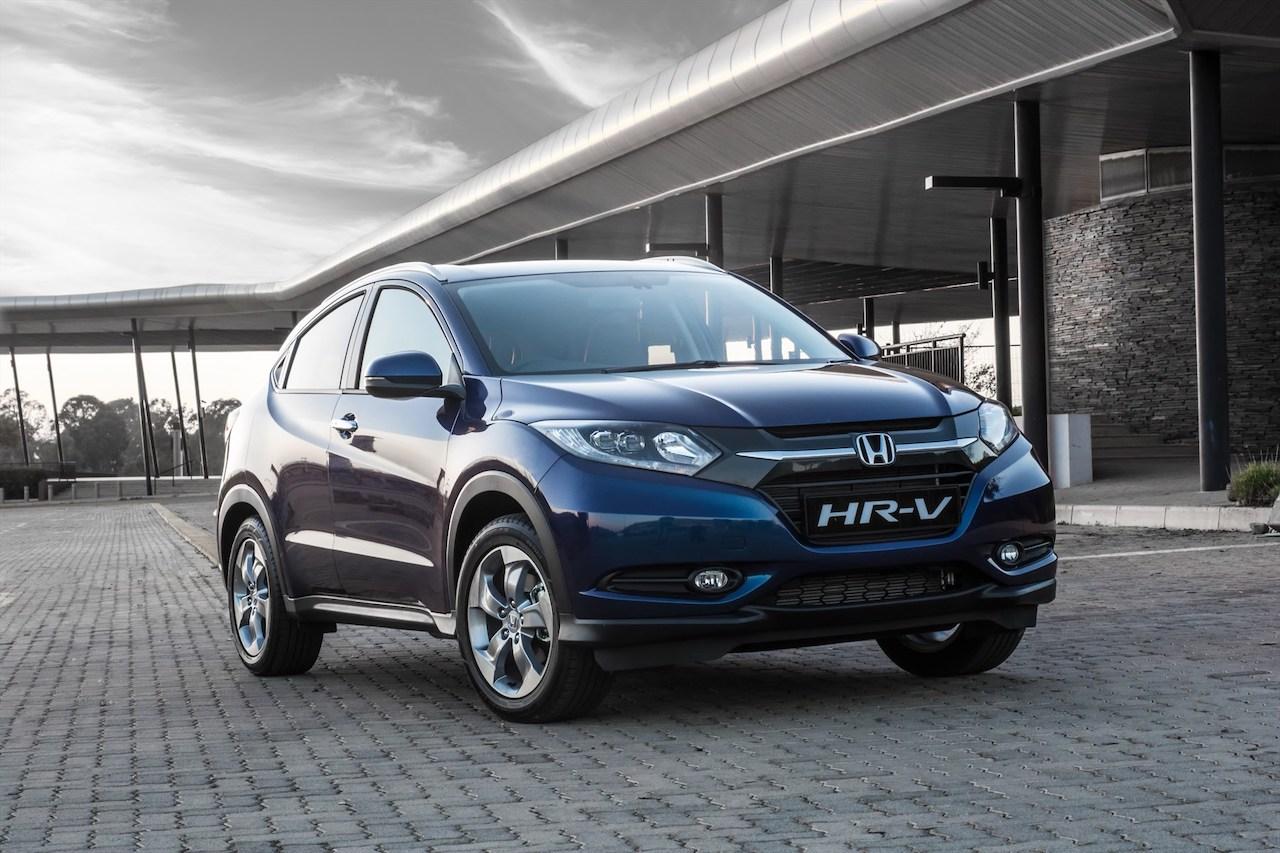
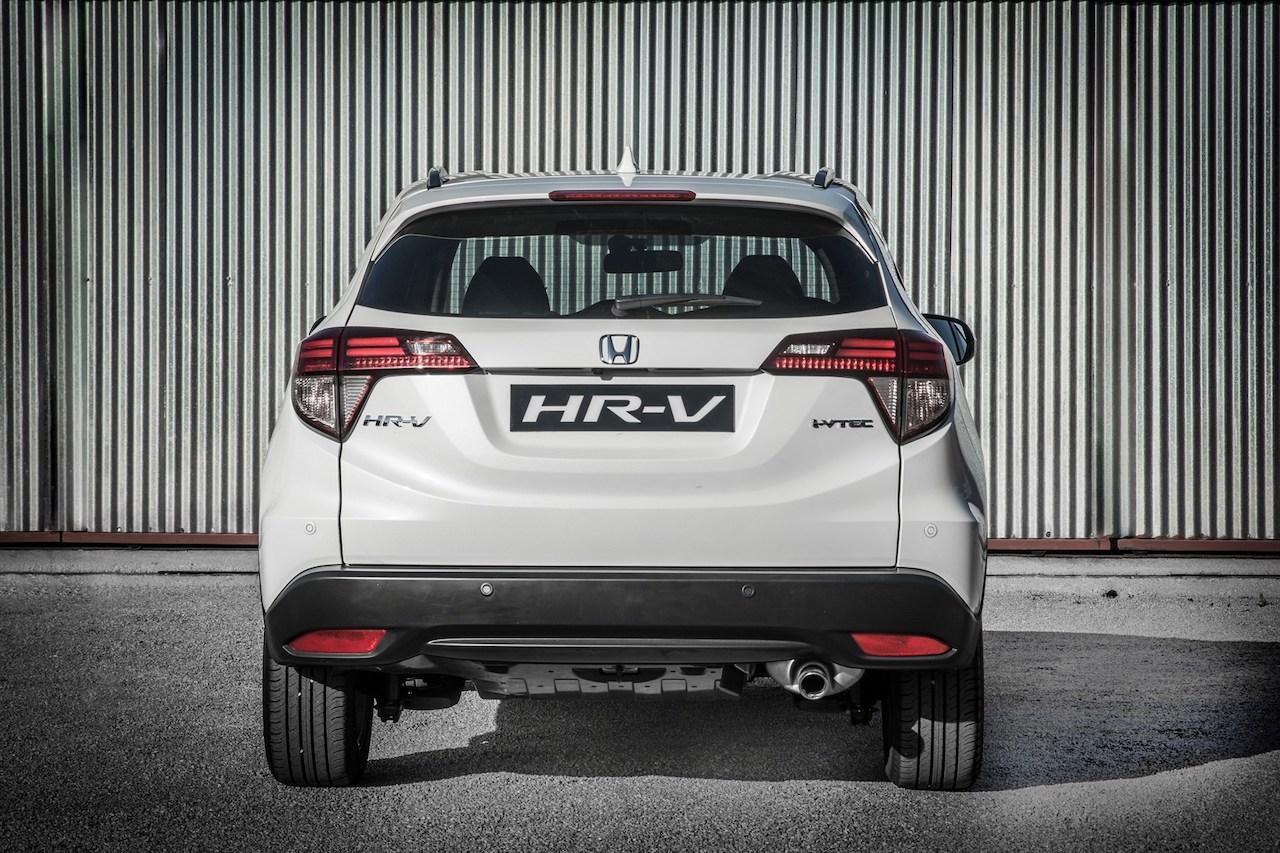
Honda has paid careful attention to the safety credentials of their family-oriented cars and SUVs, which includes the HR-V we’ll be looking at today. In addition to its 5-star Euro-NCAP crash test rating, the HR-V comes with a very comprehensive list of active- and passive safety aids – all in an effort to mitigate accidents or prevent them altogether.
Take note that this list is taken off the specification sheet for the entry-level HR-V 1.5 Comfort (of which all features appear on the pricier 1.8 Elegance as well), which means that the more-upmarket variant's added safety add-ons such as LED headlights (as fitted to the Elegance) aren’t listed here. In short, the basic 1.5 Comfort is well-equipped, but the 1.8 Elegance is even better.
ABS, Stability- and Traction Control
This is a bundle of features which assist in avoiding a collision in the first place. ABS keep the brakes from locking up in a panic stop, thus maintaining steering control over the vehicle even under hard braking.
Stability- and traction control perform a dual function: firstly, they prevent wheelspin under power, which could lead to a loss of control; while they also prevent the vehicle from skidding on a slippery surface or during an emergency evasive manoeuvre, helping the driver maintain control over the car’s trajectory.
6 Airbags
Airbags are fitted to almost all new cars on our market, but at the lower end of the market, it’s usually only the driver and front passenger which benefit from their protection. The Honda HR-V expands this protection around the car, through the inclusion of side airbags for the front occupants, as well as full-length curtain airbags to protect occupants’ heads in the event of a side impact or rollover.
Airbags are most effective as part of a complete safety package, though, which is why it’s crucial that all occupants must be securely strapped in at all times.
Auto Hold
This is a safety add-on which is becoming more commonplace these days. In essence, auto hold keeps the vehicle stationary after coming to a stop, even if the driver removes pressure from the brake pedal.
The benefit when pulling away on an incline is fairly obvious, but it’s just as useful to prevent a car with an automatic gearbox (such as all HR-Vs) from inadvertently rolling forward, if the driver doesn’t maintain enough brake pedal effort to keep the car at a standstill. The auto hold function releases the brakes when the driver applies the accelerator pedal, and usually works so unobtrusively that many drivers don’t even notice its operation...
ISOFIX child seat anchors
With child seats relying heavily on a secure mounting to the car, most current child seat manufacturers specify that their products must be used with standardised ISOFIX mounting points. The HR-V has two sets of these mounting points, one set on each of the outer rear seats.
For those parents without ISOFIX-compatible child seats, the front passenger seat can also be used to mount a rear-facing child seat, provided the passenger's front airbag is switched off, thanks to the provision of an airbag cut-off switch.
*IMPORTANT NOTE: PLEASE remember to only use rear-facing child seats on the front passenger seat once you’ve de-activated the second front airbag, as airbag deployment are often fatal to the occupant (typically an infant) of such a child seat. If your car doesn’t have provision to de-activate the passenger’s front airbag, always use one of the rear seats instead!