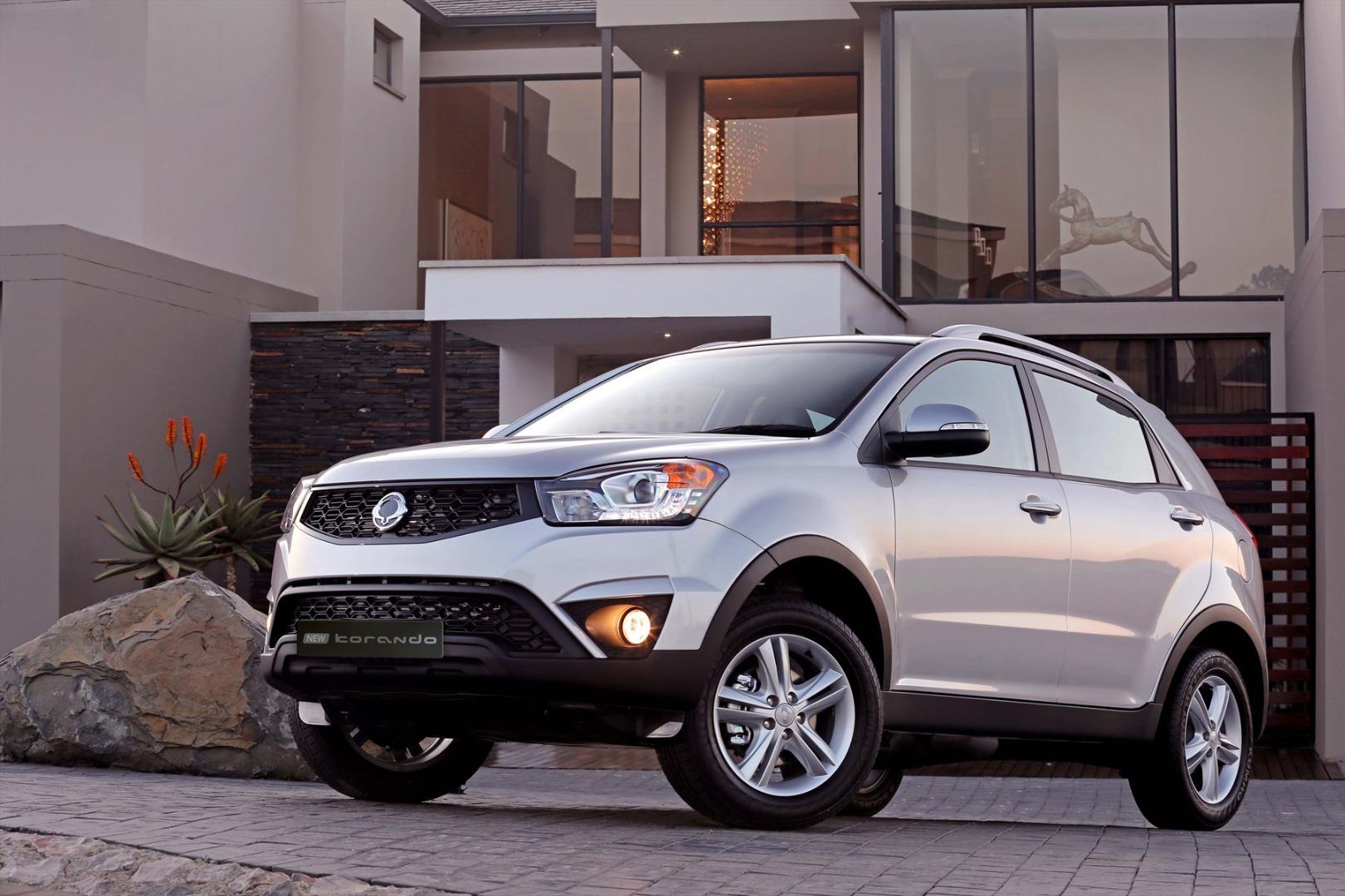

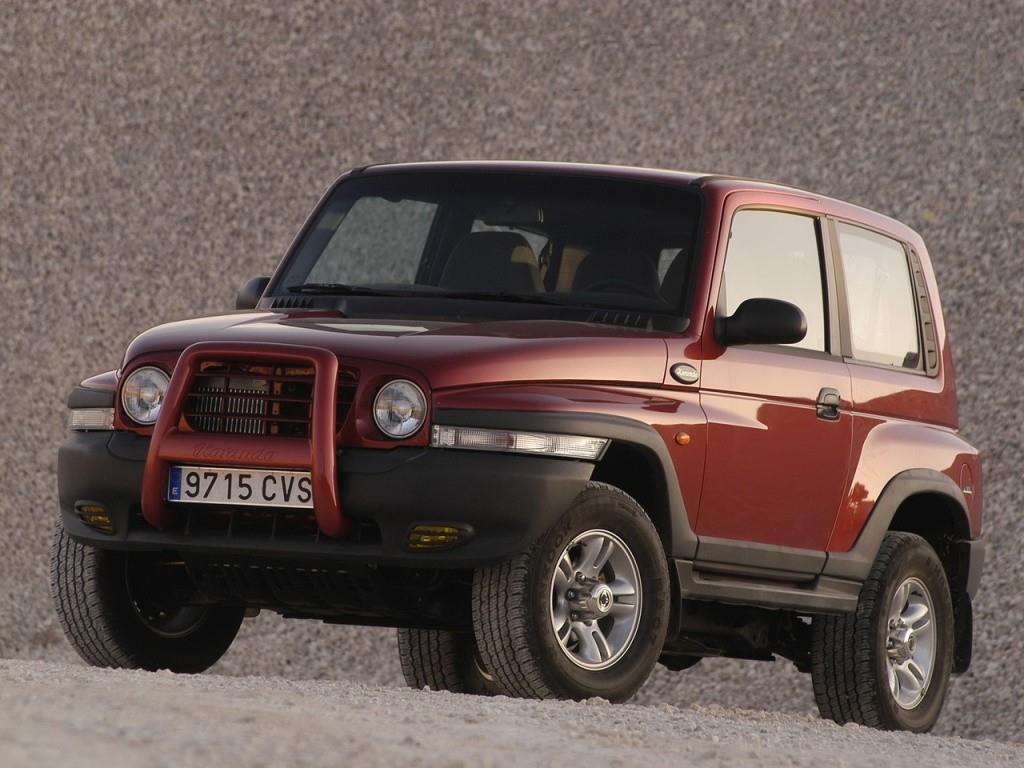
SsangYong has the regrettable distinction of being both hard on the tongue and hard on the eyes. A spill of unfortunate designs and difficult to pronounce model series' has left an indelible mark on the marque's legacy. The models, penned by a clearly drunk Ken Greenley, made an impact in the same way that the asteroid that wiped out the dinosaurs did - the results were less than desirable.
Despite the unfortunate naming conventions and unsightly appearances, the SsangYong brand knew how to bolt a vehicle together. The few that could look past the brand's misgivings were rewarded with robust mechanicals and technical abilities, particularly off-road.

The Korando is one worth taking a closer look at and this model, surprisingly, is entered into the Guinness Book of World Records for having the longest-standing Korean Model Nameplate. As such, there's an interesting story behind the subcompact SUV.
Related: Find a used SsangYong Korando for sale
Here are 3 things you need to know about the SsangYong Korando:

1. Steeped in history
The Korando nameplate dates back to 1983, but the model that received the title was in production, in some shape or form, from as early as 1964. The timeline is traced back to the assembly of Jeeps by the Ha Dong-hwan Motor Company for the United Nations. After several holding company changes, the model was eventually produced for the local Korean market as the Korando under the Keohwa Co Ltd umbrella, a company that was later bought out by the SsangYong Group and summarily renamed to SsangYong Motors.
The first generation was produced until 1996 when it was replaced by the more familiar Second Generation. Both the second and third generations were sold in South Africa but we're yet to see the fourth (C300) model locally.

2. Powered by 'Benz
Indeed, the most memorable aspect of the Korando was the use of licensed Mercedes-Benz engines in the second generation model. Produced from 1996 until 2006, the second generation Korando offered either an M111 2.3-litre or M104 3.2-litre petrol engine, or a choice of OM601 2.3-litre or OM602 2.9-litre diesel engines, all based on the Mercedes-Benz engine design.
For the third generation, the C200, SsangYong switched to their own engine design and now offered a single petrol engine, a 2.0-litre as well as a choice of two diesels, a 2.0 or 2.2-litre.

3. Limited support
While you will still find a handful of SsangYong dealerships dotted around the country, the company hasn't launched a new model locally in nearly 5 years. A back-and-forth dispute over the local distribution rights between Mahindra South Africa and Twin Dragons Automotive, the previous entity with distribution rights has resulted in a fair amount of confusion for customers.
Owners will still be able to service their vehicles and order the required parts through the Mahindra network of dealers with service parts readily available but more serious concerns requiring either a lead time or waiting period while part stocks are ordered.
Recommended next:
5 SsangYong accessories you didn't know you needed