
Top 3 things you need to know about the Alfa Romeo Giulia
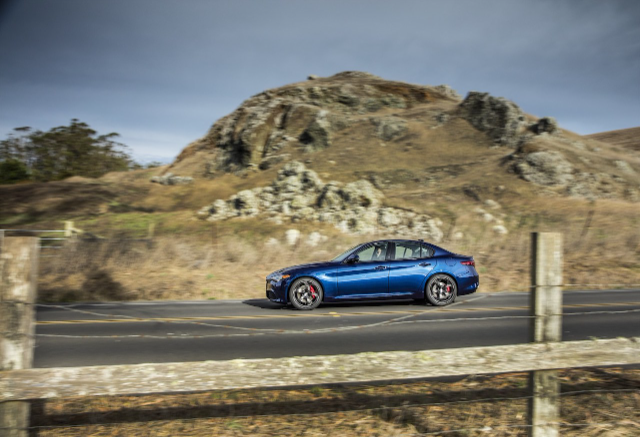
After decades of hit-and-miss front-wheel drive offerings, Alfa Romeo finally returned to their roots to bring us the new-generation Giulia. Unfortunately, this sleek and handsome sedan competes in a marketplace that’s now overrun with SUVs, so it hasn’t really been getting the recognition it deserves thus far. Maybe, if prospective buyers knew these three things about it, the Alfa Romeo Giulia would find greater sales success...


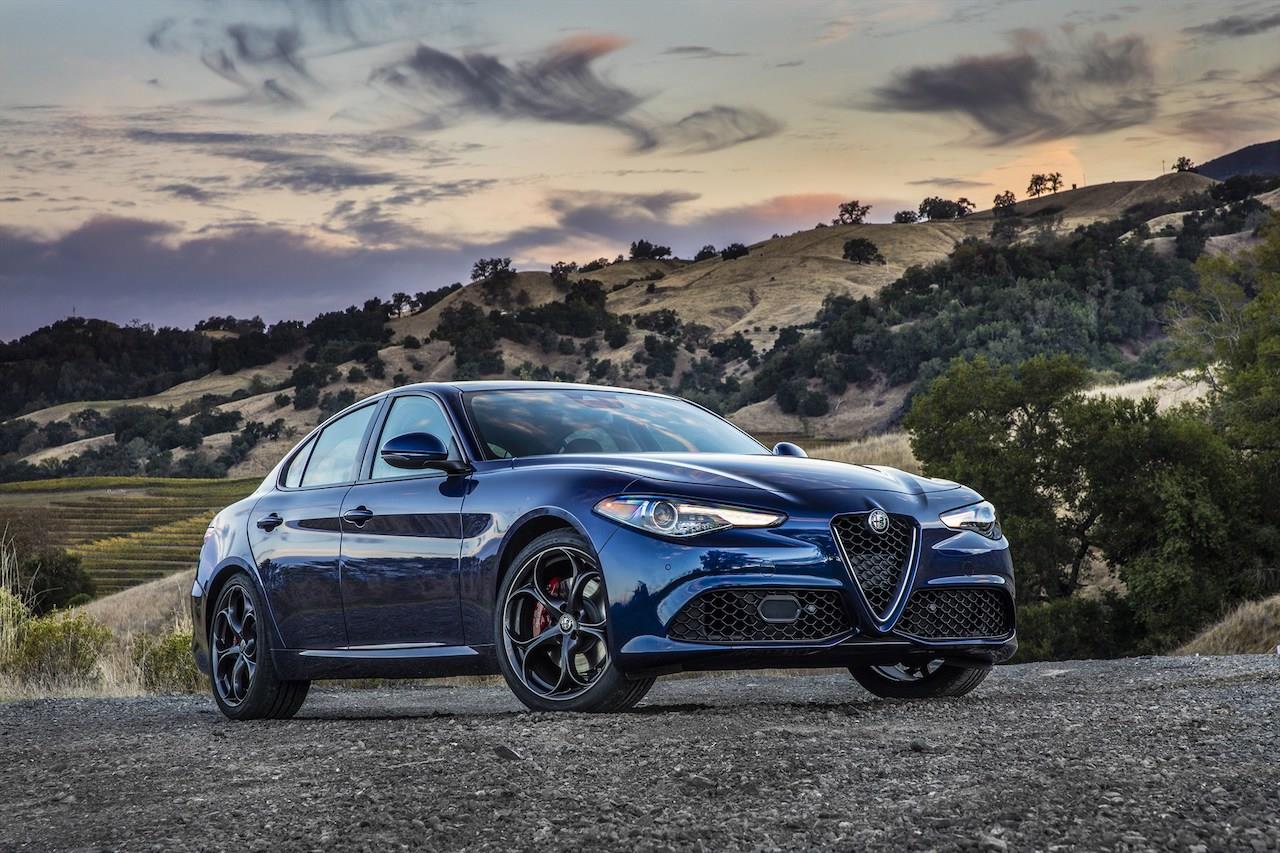
The compact premium sedan market has been under severe pressure for a while now, with SUVs chipping away at their existing market share and economic woes prompting many customers to buy less-expensive vehicles. This makes it a real pity that Alfa Romeo decided to return to this market segment, just as the SUV-pocalyse got up to full speed. Their follow-up with the related Stelvio SUV has a better chance of long-term success, but that doesn’t diminish the Giulia’s loveliness at all.
Related: Everything you need to know about the Alfa Romeo Giulia’s history.
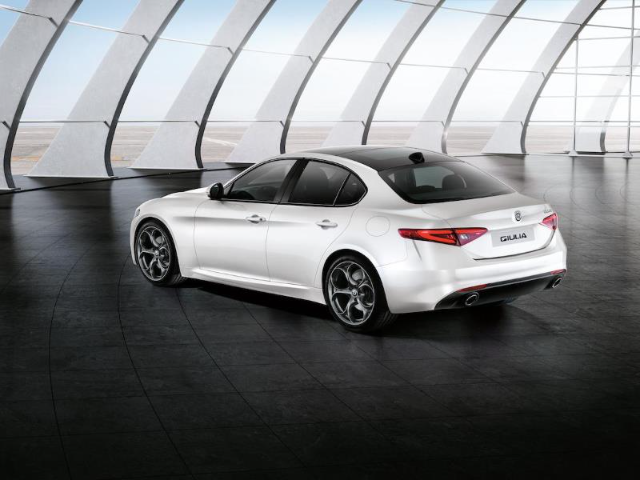
1. Most of it is all-new
At the time of its launch, the Alfa Romeo Giulia shared only a few peripheral systems with other Fiat Chrysler Auto (FCA Group) vehicles, such as some switchgear and the basic infotainment hardware. The rest was almost completely brand new, débuting the all-Alfa “Giorgio” platform and two new engines at the same time.
Unlike other manufacturers of RWD saloons, Alfa Romeo had to start from a blank sheet of paper when developing the Giorgio component set: they had no legacy platform components to transfer to their new car, and there wasn’t anything suitable or modern enough in Chrysler’s North American inventory, either. So, after some soul searching, they roped in some help from Ferrari, and set to work on doing their own thing.
The resulting project was (and still is) a marvel in contemporary automotive engineering terms. Going from a clean-sheet concept to series production in less than 3 years is an incredibly quick development cycle in anyone’s books, let alone doing it in that time from scratch. Even more incredible is the level of polish with which the new Giulia finally appeared, with sublime handling dynamics and highly competitive spec sheets.
Yes, there were some electronic niggles with very early examples, but those were mainly software-related, and have subsequently been rectified through a series of programming updates. But even these niggles couldn’t detract from the inherent goodness of the car underneath the trinkets: the Giorgio platform is arguably one of the best RWD-based developments currently in production, and should eventually also underpin FCA’s North American offerings.
Related: We love the Alfa Romeo Giulia 2.0T Base – watch this video review to find out why.
2. The performance you’d expect from a true Alfa Romeo
In our market, the Giulia is offered with a choice between two engines, with the upscale one only offered in the range-topping, fire-breathing Giulia Quadrifoglio. The base engine is a 2.0-litre, 4-cylinder turbocharged petrol unit, with rather conservative ratings of 147 kW and 330 Nm. While there is no manual gearbox on offer in the local range, the standard ZF 8-speed automatic is a well-regarded and deftly-programmed unit.
The performance on tap belies those relatively modest outputs, however, giving rise to some suspicion that the quoted figures are somewhat on the conservative side. The 0 – 100 km/h dash should be dispatched in a brisk claimed 6.6 seconds, and its top speed of 235 km/h likewise appears to be quite high for only 147 kW. In short, potential buyers shouldn’t be deceived by the bare power figures, as a test drive will confirm that the Giulia 2.0T performs quite a lot better than its claimed outputs would have you believe.
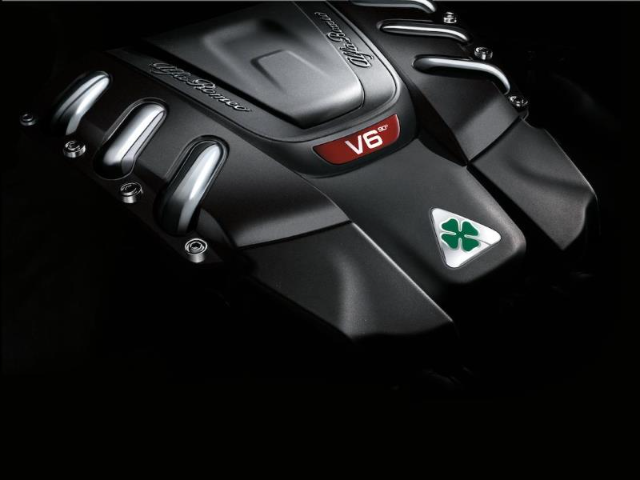
At the top of the range is the Giulia Quadrifoglio (Italian for “Cloverleaf”), with a Ferrari-derived, 2.9-litre, twin-turbo V6 engine that produces 375 kW and 600 Nm. In this case, the on-road performance certainly supports the claimed outputs, with a rorty snarl and ballistic urge across the rev range, giving a 0 – 100 km/h dash in a claimed 3.9 seconds and a top speed of 307 km/h. More than quick enough to take the fight to the class leaders, then, as is becoming of a pure-bred Alfa Romeo!
Related: Battle of two heavyweights in one video – BMW M4 CS versus Alfa Romeo Guilia Quadrifoglio
3. Superb space-efficiency
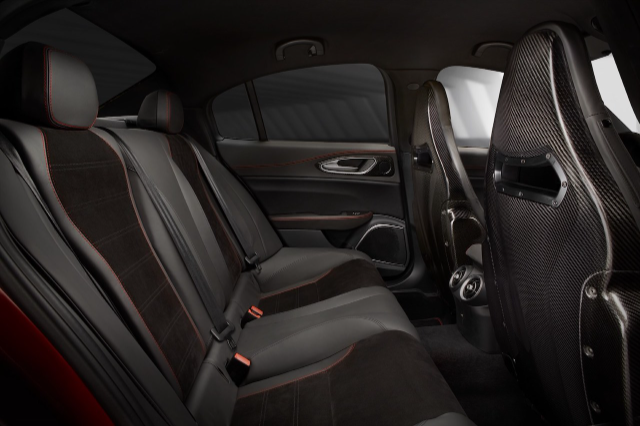
This is one highlight that’s often completely overshadowed by the Alfa Romeo Giulia’s excellent driving dynamics and handsome design. With all its other virtues, the Giulia is also extremely well-packaged, and offers an amazing amount of cabin space for a sedan in this class – and a big boot too (480 litres), just for good measure.
A lot of this is space-efficiency is due to very clever engineering. Take the rear seats as an example: the squabs appear rather thin at first acquaintance, but they’re perfectly shaped (courtesy of varying-density cushions) and located to ensure comfortable rear seating nonetheless. The benefit of this slim-line design (which also applies to the seat backrests) is a lot of extra head- and legroom for rear-seat passengers, without making the car itself any larger than it needs to be.
Related: Alfa Romeo Giulia vs Lexus IS vs Jaguar XE – which one is the best value for money?
Recommended Next:
Shop for new and used Alfa Romeo Giulia cars for sale.