
Safety and reliability: Renault
Safety and reliability: Renault


By Martin Pretorius
When Renault returned to South Africa in the late 1990s, they brought along their latest and greatest European offerings. Modern design meant often-stylish looks and clever design features, as well as a strong drive towards making safer cars. The Clio II (the first model of this family to arrive on local shores) and the first-generation Mégane both had 4-star NCAP safety ratings back in the day, and in many instances various Renault models were the first cars in their respective classes to achieve 5-star ratings.
Earlier models, while safe, were however not always terribly reliable. While the drivetrains were generally quite robust, electronic problems often reared their heads at inopportune moments, and the first small 16-valve engines experienced some expensive hassles with their cambelt tensioners. Making things worse were service staff lacking experience with their products, and expensive spare parts. But things have changed at Renault over the past few years – in more ways than one...
Safety
Seeing as South African-market Renaults are sourced from various factories around the world, and with the respective models being designed to meet the different standards which apply in the various markets, there is quite a variation in the safety credentials of the cars on offer. Cars which are available in Western Europe are all rated as 5-star cars in the Euro-NCAP crash tests, so Kadjar, Captur and Clio sit very comfortably at the head of the safety front.
Vehicles designed for Eastern Europe and developing markets are however not quite as well-endowed, yet most of them still perform well in this regard. The Duster and Sandero do pretty well in their segments – the former being available locally in Latin-American specification (which offers bigger airbags), and the latter counts as one of the safest budget-segment cars around (possibly because it's built on the Clio's platform).
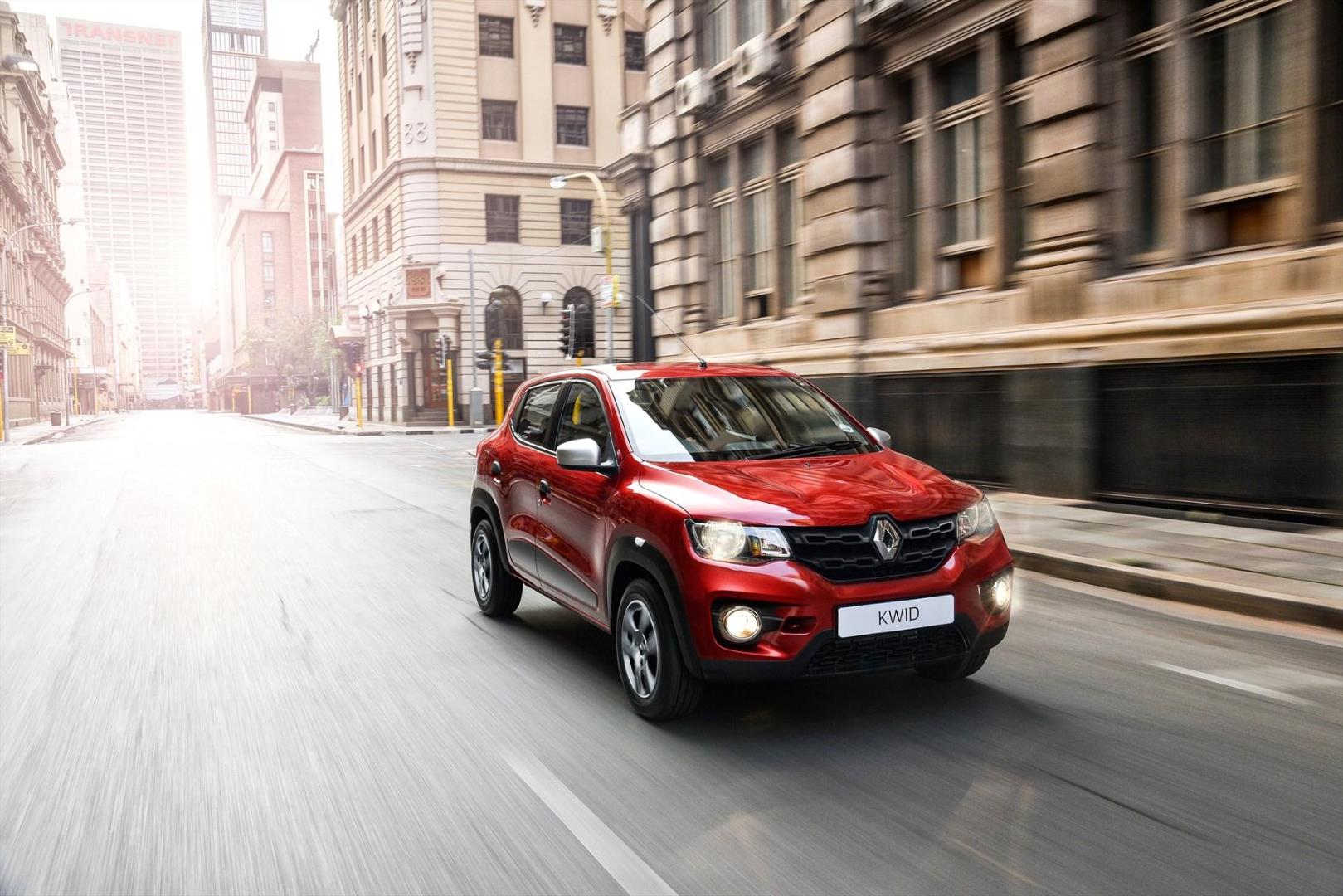
The entry-level Kwid doesn't shape up as well, though – in its first NCAP test, the Kwid scored a round zero stars, with no airbags to be found and the bodyshell collapsing on impact. There has been some improvement for this budget offering, however – some markets already receive a reinforced Kwid with a stronger body structure and 4 airbags, and this version receives a 3-star rating. South African-market Kwids currently only feature one airbag (for the driver), which sadly translates into a 1-star rating. We understand that the 3-star car is under consideration for South Africa, but if it ever arrives, that appealing pricetag will most likely jump a bit.
Reliability
Following the rough patch after their re-introduction to South Africa, Renault reliability has seen a marked improvement in recent times. According to European and British reliability surveys (which use a much larger sample size than any local survey could ever do), Renault sits above the class average with their modern European-market cars. Of course, they have an added advantage of easier and cheaper spare part availability over there, as well as a wider dealership network counting in their favour, but this European data shows that Renault is doing quite well in the reliability stakes these days.
In a pleasant twist, the Sandero and Duster rate highly on reliability as well, probably because they're loaded with fewer modern gadgets and use proven, older-generation mechanical bits. It's still too early to say how reliably the Kwid should keep trundling along, but given its mechanical simplicity and sparse trim, there's not a huge lot to go wrong in the first place...
With generally good safety credentials, much-improved reliability, and an expanding sales- and service network, most of Renault's current-generation offerings make good sense in the real world. European-market cars are obviously more sophisticated and equipped with more safety gear, but with a bit of luck, even the Kwid may soon offer improved protection. And, at the intersection of value, safety and reliability, the Eastern-European cars hit a particularly appealing sweet spot. No wonder they're so popular.