
Safety and Reliability: Honda
Safety and Reliability: Honda


By Martin Pretorius
When the first Hondas appeared on local roads back in the 1980s, South African assembly and distribution was handled by Mercedes-Benz, as was their marketing. Pretty soon, those boxy Ballades gained an image of a “junior Mercedes” - well-engineered cars, nicely made by folks who paid attention to details and quality. This reputation only grew with each successive generation, and even after Honda left the Mercedes fold around the turn of the century, that reputation stuck around.
Those early Ballades and Civics may have been high-quality items, but they were probably not the safest cars around. Sure, their sparkling chassis dynamics gave them great handling, helping good drivers to avoid accidents, but their featherweight construction did their crash safety no good at all. But because the US domestic market is so important to Honda's sales, they had to catch up very quickly in response to changing safety regulations in North America, forcing Honda to pay as much attention to safety as they do to build quality and efficiency. So where does Honda stand on this front nowadays?
Safety
As with many manufacturers and distributors in our market, Honda's cars are sourced from across the globe. This leads to cars designed according to different regulations being available to South Africans, with all the variation in their safety credentials you might expect in such a case. This doesn't result in the usual safety discrepancies you might expect from cars sourced from such a wide field, however – modern Hondas do well in the respective NCAP tests required wherever they are sold.
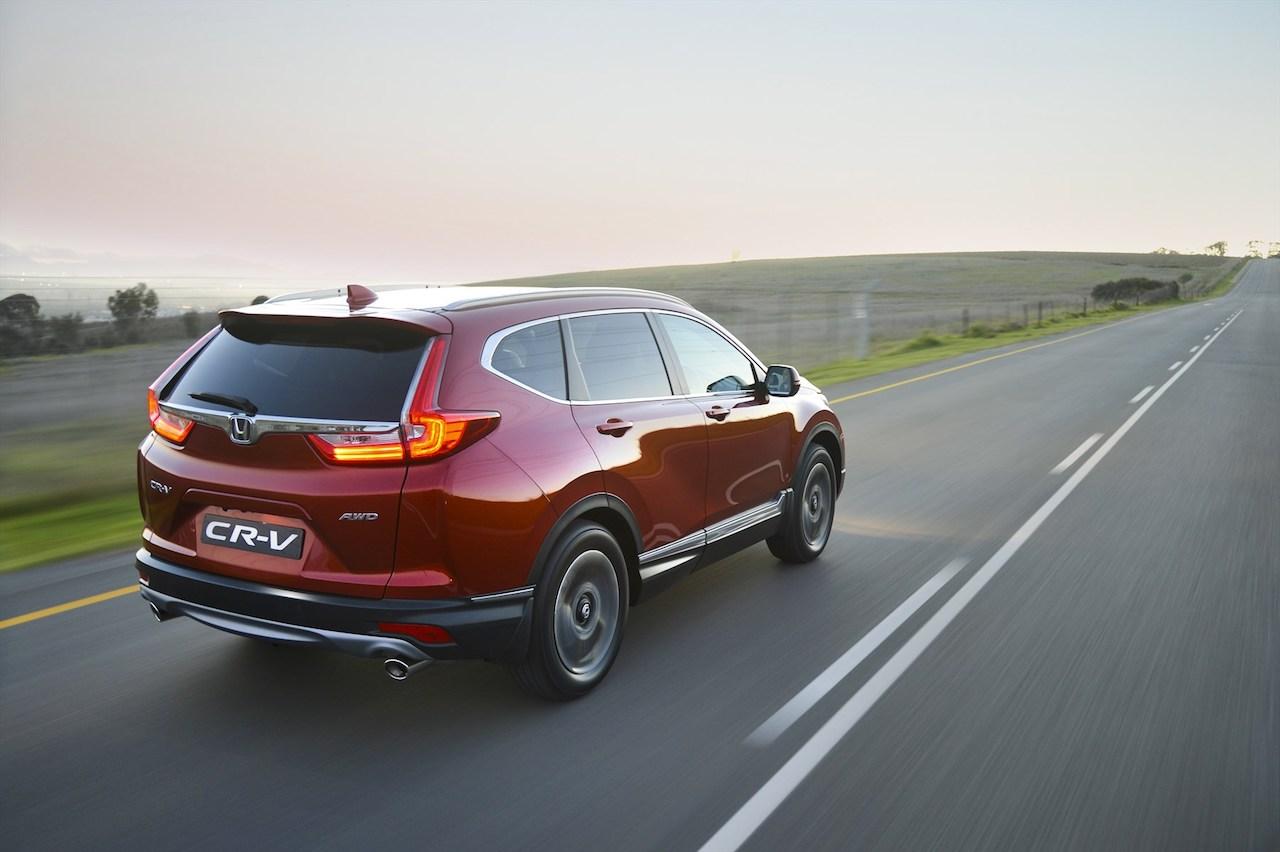
Those models which are available in the USA and mainland Europe generally do score higher marks, though. The Jazz, CR-V and HR-V are all 5-star cars, for instance, and they are fairly well-regarded by the American NHTSA testing authority as well. The odd one out here is the Civic, which scores only 4 stars in the Euro-NCAP test, largely as a result of a slightly lower child occupant safety rating. Adult occupants and pedestrians are still well-catered for, however.
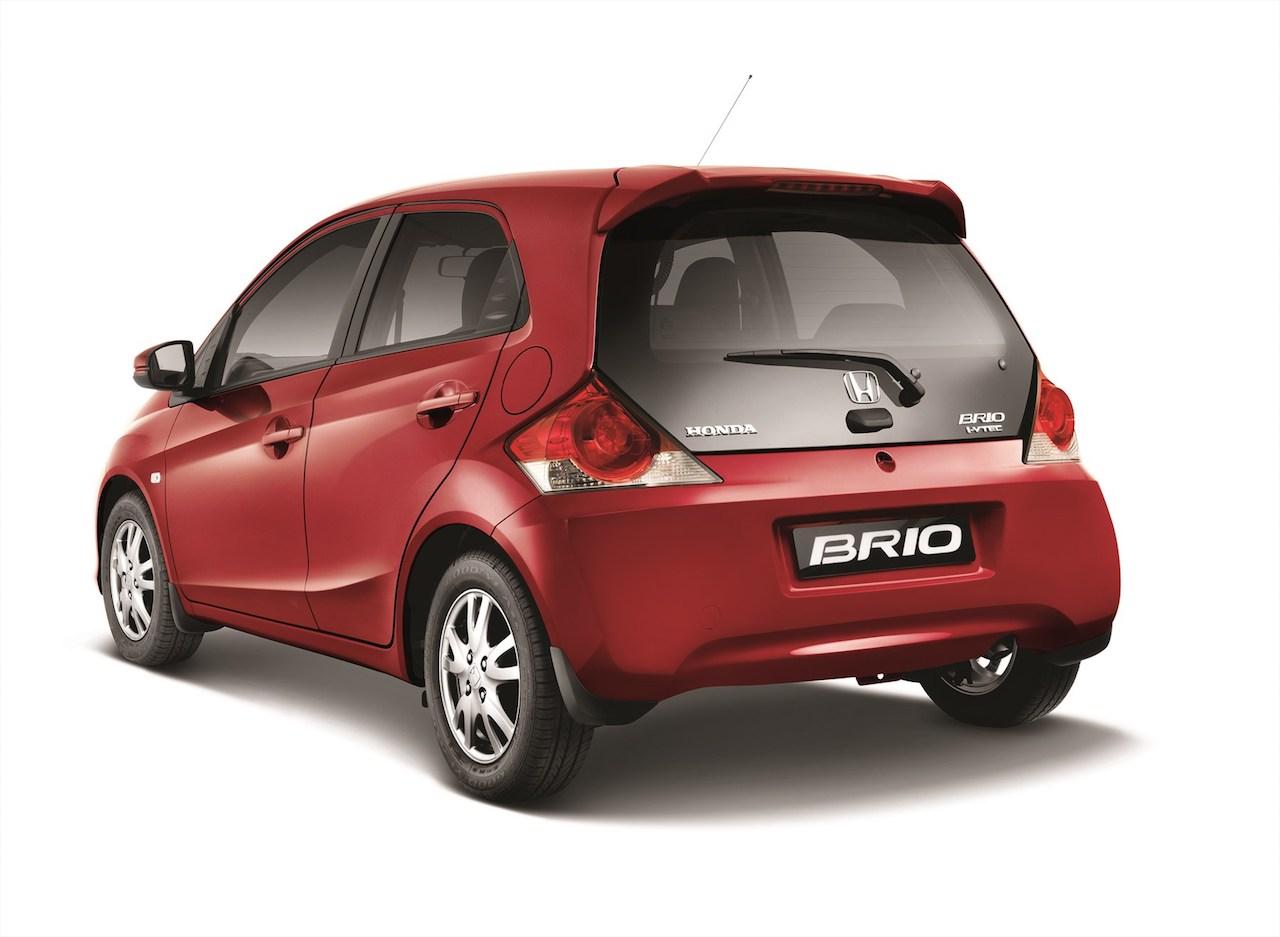
As for the Asian-market Hondas, the Brio and BR-V all scored 5 stars in their ASEAN NCAP tests (in the same specification as the cars available in South Africa), only losing a single star on those derivatives without stability control or seatbelt reminders. These safety add-ons are nice to have, and probably important as well, but at least those good crash test results point to cars which will protect you in the event of an accident.
Reliability
As little as 8 years ago, Honda still ruled the American JD Power Initial Quality Survey (IQS), with at least a top-3 finish in most categories and some outright wins as well. But even then, there were some cracks appearing in the armour: that era's Accord suffered well-documented automatic gearbox maladies, and some electronic issues have started rearing their heads.
Unfortunately, that hasn't really turned around yet, as the 2017 JD Power IQS shows Honda and Acura (their US market upmarket brand) posting below-average results. Longer-term durability surveys (also conducted by JD Power) show another middling performance, with Honda being only slightly better than the industry average and Acura being significantly below average. This is a rather disappointing result, and quite unlike what we would have expected from a brand which built its entire image upon durability and quality.
Things are also unlikely to reverse any time soon, as Honda has now finally joined the downsizing trend with new turbo-charged engines. This means that future Hondas will have more potential failure points, due to the increased underbonnet complexity. That said, the simpler (Asian-market) Hondas we receive here will likely still maintain their reputation for durability, even if the absolute build quality of today's Jazz perhaps isn't quite as great as that of its predecessor.