
Running costs: Honda ranked by model
Running costs: Honda ranked by model



By Martin Pretorius
One of the biggest deciding factors in a vehicle's affordability is its running costs. Service and maintenance costs (along with fuel efficiency) are the main players in determining overall running costs, so let's see how the various Honda models fare.
Here's a summary of the running costs of Honda's model range, ranked from from cheapest to most expensive, and using data from the 2017 Kinsey Report.
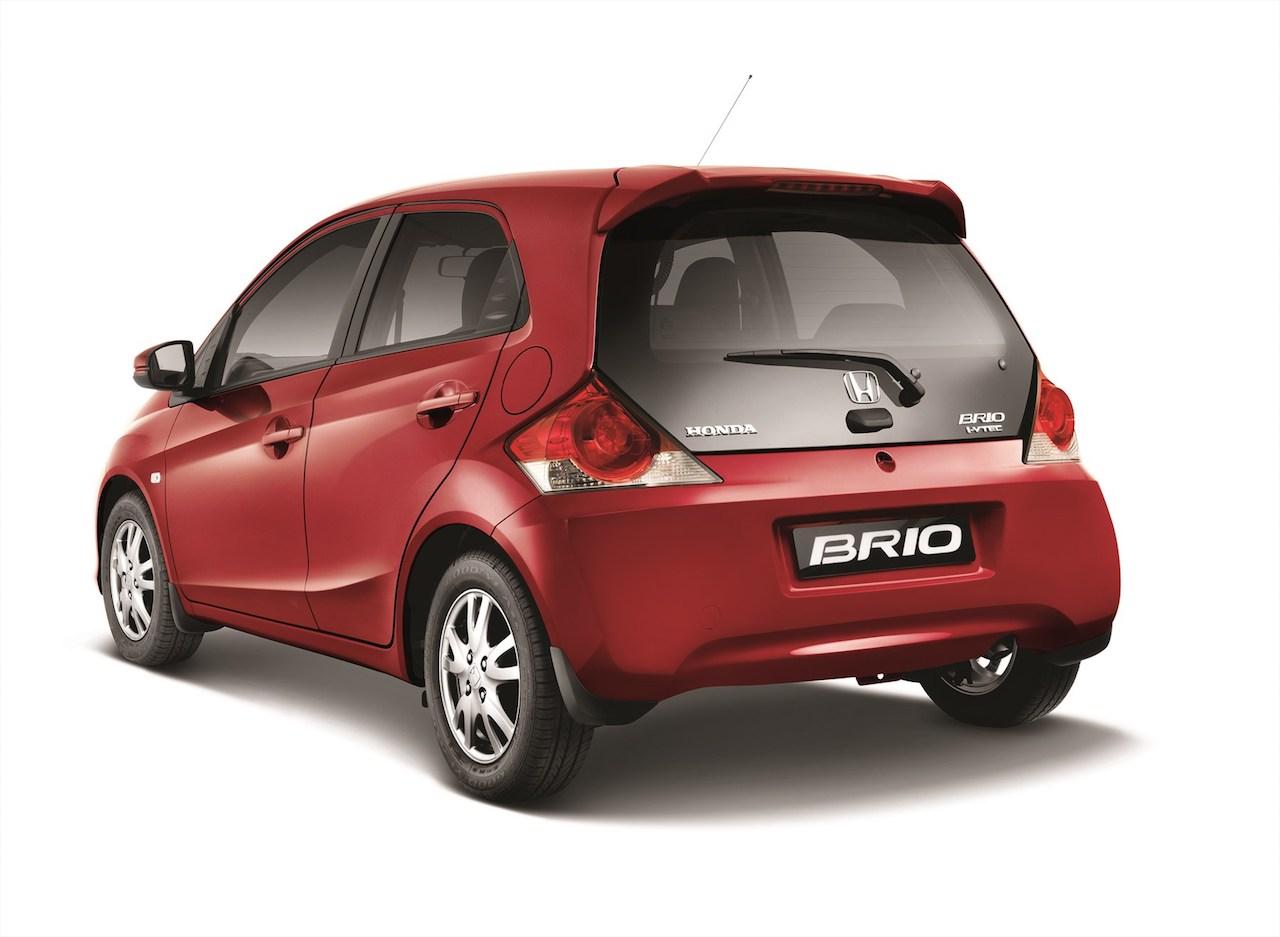
With fairly simple, well-proven mechanical components, the Brio should prove to be fairly affordable to maintain. And, thanks to its lightweight construction and relatively low-powered engine, it is sure to be superbly fuel-efficient as well. They're not very popular with car thieves either, which should make the Brio's insurance quite affordable. However, Honda parts are notoriously expensive from the agents, which will have a negative impact on long-term maintenance costs – a fact confirmed by the Brio's expensive parts basket in the 2017 Kinsey Report.
Built with efficiency in mind, the Jazz is economical to fuel and cheap to insure – it's not a high-risk car, and the typical Jazz owner's profile doesn't extend to the street racer crowd. It won't be quite a cheap to run as a Brio, because it's larger and has a bigger engine, but because its durability is proven, maintenance shouldn't be too expensive, in spite of Honda's expensive parts.
In many ways an upsized Brio, the Ballade has many of the same pros and cons as its smaller sibling. The main difference applies to the engine, which is larger, and will thus carry a penalty at the fuel station. They Ballade is also more expensive and powerful than the Brio, which will increase its insurance premiums. The usual Honda caveat applies to maintenance costs, though, meaning that the Ballade most likely won't be the cheapest car in its class in the long term.
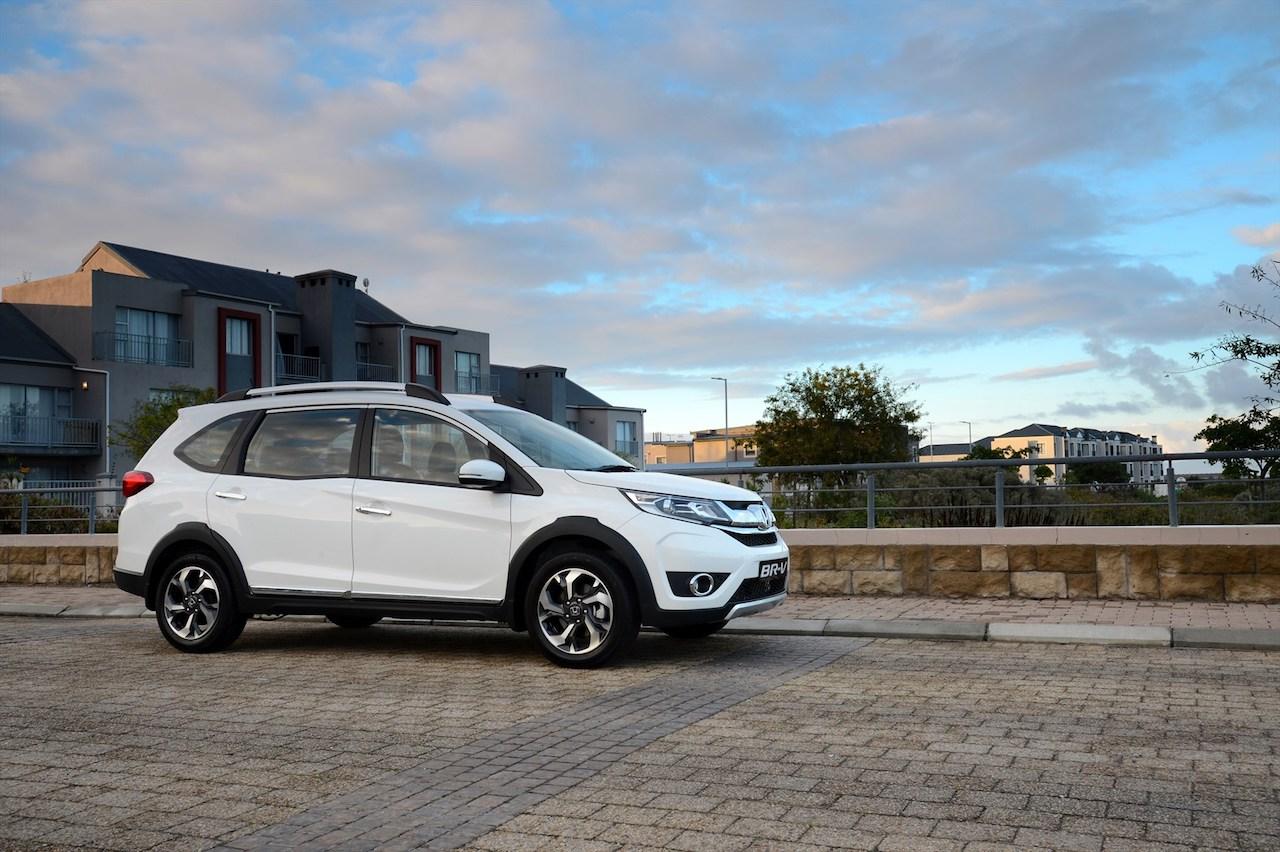
Using around a combination of Brio- and Ballade components, Honda's smallest crossover will cost slightly more to fuel than the Ballade with which it shares its drivetrain due to its added weight and larger size. There won't be a massive difference in their insurance premiums, however, as the BR-V is a bit slower than the Ballade, even if it is somewhat more expensive.
With more powerful engines and higher specification levels, the new Civic is more of a premium product than ever before. This will reflect in its thirst for fuel (in spite of the newly downsized turbo engine) and insurance premiums, because its list price is higher and its engine is more powerful. And, due to its added sophistication, maintenance is also likely to be more expensive than that of its simpler siblings.
In most ways an older-generation Civic in hiking boots, the HR-V still uses an older, non-turbo engine and somewhat simpler mechanical pieces. However, it's significantly larger and heavier than a Civic, which will lead to increased fuel consumption in the long term, but this will to some extent be offset by cheaper insurance on account of the HR-V's low risk profile. Maintenance will be less expensive than for a current Civic, but it will most likely cost more to run than a BR-V would.
Following the demise of the large Accord in our market, the CR-V takes up the mantle as Honda's largest and most expensive local offering. As a result, it carries a premium price from the outset, which will affect insurance premiums, and it's mechanically more sophisticated than most of its siblings, which will inflate maintenance costs. In addition, its added size will have a negative effect on fuel efficiency, leading to a combination which will make the CR-V the Honda with the highest running costs.