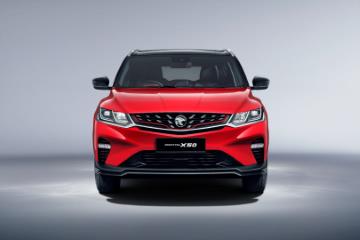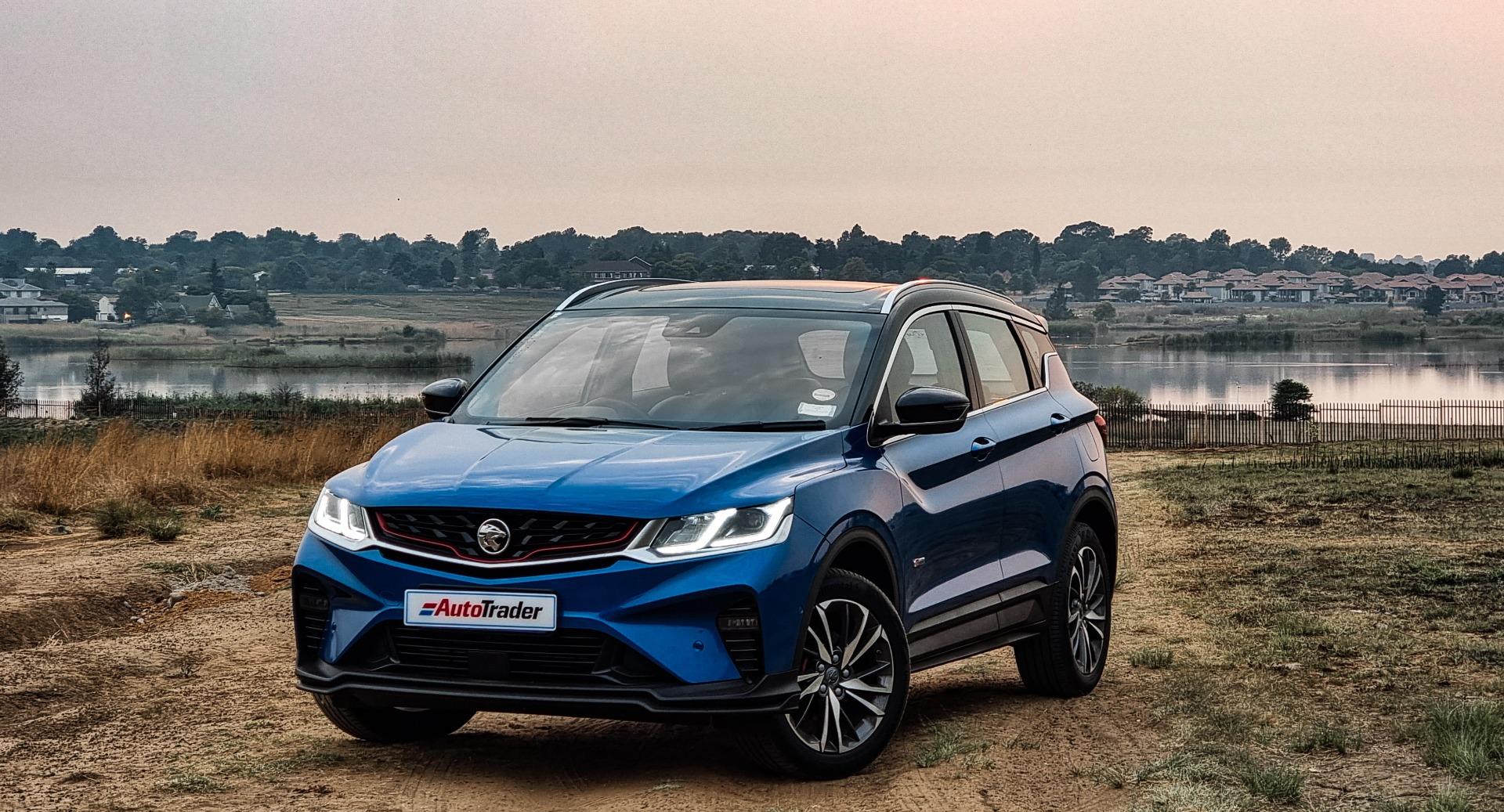

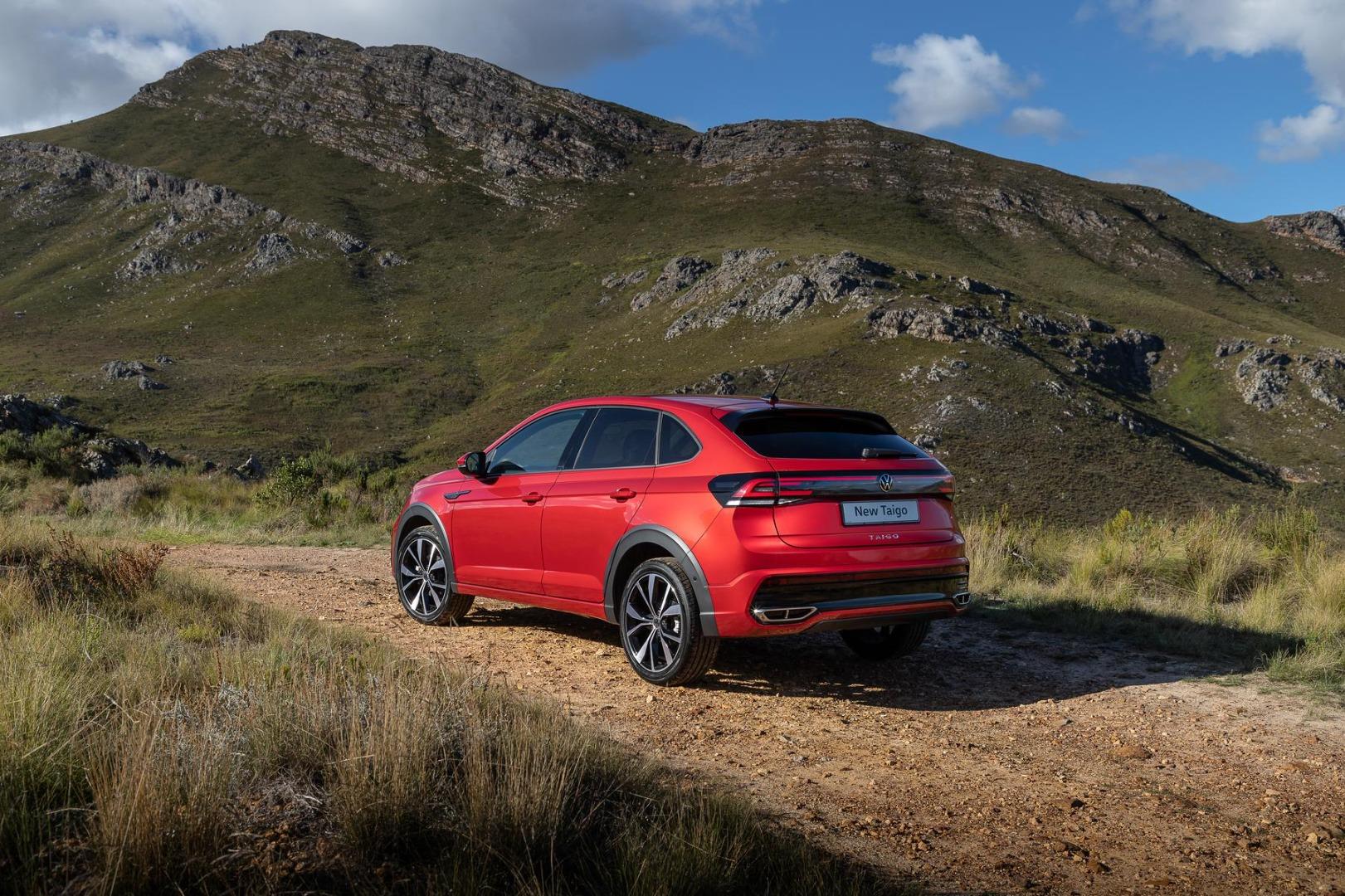
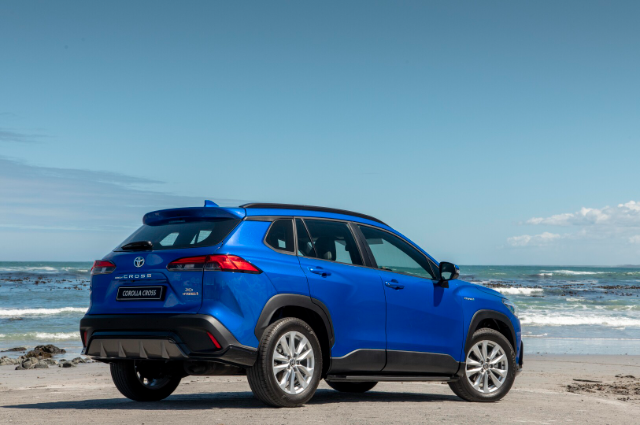
The return of Proton to local shores has seen the Malaysian automaker introduce two crossover SUVs, the most modern of which is the X50 which is priced in one of the most competitive segments in the current market. With rivals such as the Volkswagen Taigo and Toyota Corolla Cross, would we choose the X50, or one of the other two?
Related: Is the Toyota Corolla Cross good for new drivers?
Proton X50
Powertrain and performance
Powering the X50 is a 1.5-litre turbocharged petrol engine with outputs of 110Kw and 226Nm that is sent through the front wheels via a 7-speed dual-clutch automatic. Fuel consumption is claimed at 6.4 L/100km while Proton does not claim an official 0-100km/h time.
Standard equipment
The X50, in Luxury guise, gets 17-inch alloy wheels, 4 airbags, airconditioning, a multifunction steering wheel, a colour screen infotainment system with Bluetooth, Apple CarPlay and Android Auto functionality, front and rear PDC, a rearview camera, front and rear USB ports, front and rear electric windows, keyless entry/start and artificial leather seats. The X50 also gets a service plan that covers 5 years/ 80 000km.
Safety
The X50 was crash tested by ASEAN NCAP in 2020 where it achieved a 5-Star rating.
Practicality
The Cross boasts a 330-litre boot, seating for five occupants and is physically larger than the Taigo, but smaller than the Corolla Cross.
Price and value proposition
At R499 900, the X50 in Luxury guise appears to offer reasonable value, but its rivals certainly make a strong case in terms of value.

Toyota Corolla Cross Hybrid
Powertrain and performance
Powering the Corolla Cross, in this guise, is a 1.8-litre naturally aspirated petrol engine paired with a small electrical system that works in parallel with the combustion motor. The result is a combined output of 90Kw and 163Nm that is sent through the front wheels via a CVT. Fuel consumption is an impressive 4.3 L/100km while Toyota does not claim an official 0-100km/h time.
Standard equipment
The Corolla Cross, in XR guise, gets 18-inch alloy wheels, roof rails, 6 airbags, outer rear ISOFIX child seat anchor points, climate control, a multifunction steering wheel, a colour screen infotainment system with Bluetooth, Apple CarPlay and Android Auto functionality, a rearview camera, multiple USB ports, keyless entry/start, front and rear electric windows. There is also an electrically adjustable driver's seat, adaptive cruise control, lane keep assist, blind spot assist, leather seats, front and rear PCD and LED headlights. The Corolla also gets the best service plan here, with a 6 services/90 000km offering.
Safety
The Corolla Cross was crash tested by ASEAN NCAP in 2020 where it achieved a 5-Star rating.
Practicality
The Cross boasts a 440-litre boot, 161mm of ground clearance and seating for five occupants, sporting larger dimensions than both the Taigo and the Creta.
Price and value proposition
At R480 200, the Hybrid XR variant of the Corolla Cross represents fantastic value in this particular comparison.
The competition
Volkswagen Taigo
The Taigo features a 1.0-litre turbocharged engine that produces 85kW and 200Nm and is also paired with a 7-speed dual-clutch automatic gearbox that sends power to the front wheels, allowing for a 10.0 second 0-100km/h time and a claimed fuel consumption figure of 5.4 L/100km.
The Volkswagen, in Style specification, is R9 700 more expensive than the Toyota and has less specification, and lacks a reverse camera, adaptive cruise control, keyless entry/start, lane departure warning and blind spot assist and sports 6 airbags and cloth-covered seats. The Taigo was crash tested by Euro NCAP in 2022 and received 5-Stars. The Volkswagen is smaller than the Toyota but offers the same boot space at 440-litres. From a value perspective, the Volkswagen comes with a 3-year/45 000km service plan, and admittedly less specification, but is still reasonably good value.

Facts and figures:
|
|
Proton X50 1.5T Luxury |
Toyota Corolla Cross 1.8 Hybrid XR |
Volkswagen Taigo 1.0TSI Style |
|
Engine size (cyl/size) |
3-cyl, 1.5-litre petrol |
4-cyl, 1.8-litre petrol-electric hybrid |
3-cyl, 1.0-litre turbo petrol |
|
Power/Torque |
110 kW/226 Nm |
90 kW/163 Nm |
85 kW/200 Nm |
|
CO2 emissions |
Not supplied |
98 g/km |
123 g/km |
|
Service plan |
5-year/80 000km |
6 service/ 90 000km |
3 yr/ 45 000km |
|
Airbag count |
4 |
7 |
6 |
|
Fuel tank capacity |
45 litres |
36 litres |
40 litres |
|
Ave Consumption * |
6.4 L/100km |
4.3 L/100 km |
5.4 L/100 km |
|
Driven wheels |
Front |
Front |
Front |
|
Boot volume |
330-litres |
440-litres |
440-litres |
|
Price |
R499 900 |
R480 200 |
R489 900 |
* Manufacturer's claimed figures.
Pricing was all-inclusive at the time of writing but may change without prior notice.
Verdict
Having looked at the figures, it would appear that the Toyota Corolla Cross is the product to go for here, with the best fuel consumption, the most features, the longest service plan and the lowest price. The Cross has proven to be difficult to beat in these comparisons, showcasing what a solid product Toyota has on offer to local consumers.