
New vs used Rolls-Royce Phantom: what are the top 4 differences?
“Phantom” is a storied nameplate in Rolls-Royce history, first being applied to their pinnacle model all the way back in 1925. Of course, the cars that carried this label since then have changed in every way, in an evolution that ran over almost a whole century. The latest Phantom is no different in this regard, so let’s compare the previous-generation (used) Rolls-Royce Phantom to the latest (new) model, to chart the changes.

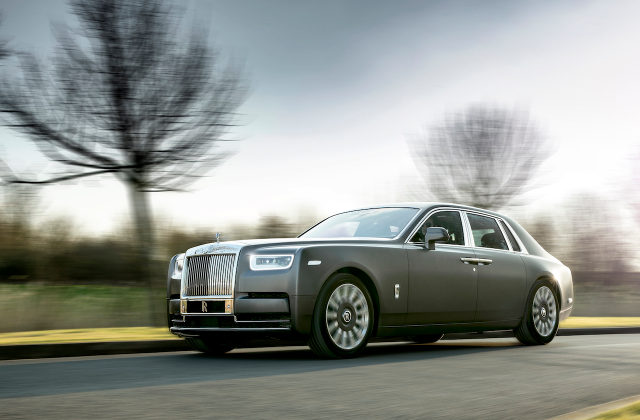
It took BMW a full five years to reveal the first new Rolls-Royce developed under their ownership. This lengthy development period was partly due to the need to erect a new factory (at Goodwood, instead of the old Crewe facility, which fell into Volkswagen’s clutches and now builds Bentleys), but also because Rolls-Royce’s new owners wanted to get the new model absolutely right from the outset.
And, for the next 14 years, the Phantom did indeed set the tone for the ultimate in luxury motoring, spawning coupé and drophead coupé variations along the way, and re-establishing this plutocrat’s express as the most sought-after accessory for the ultra-rich. A mild facelift in 2012 retained the same basic structure, but fine-tuned it to further improve on the luxury-car experience. But all good things come to an end, and midway through 2017, the latest Phantom was released.
Related: We paid tribute to the last Rolls-Royce Phantom VII, just before the latest-generation model was released.
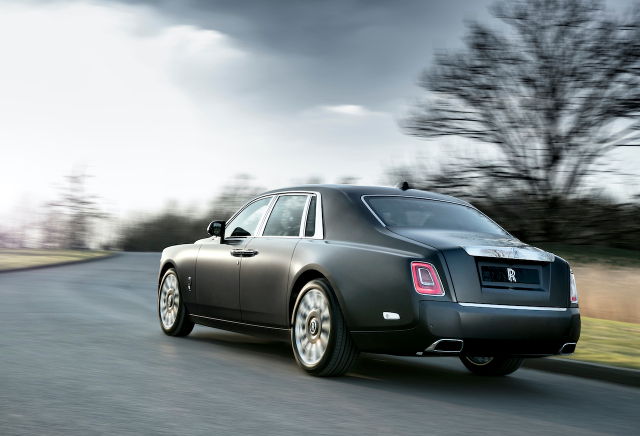
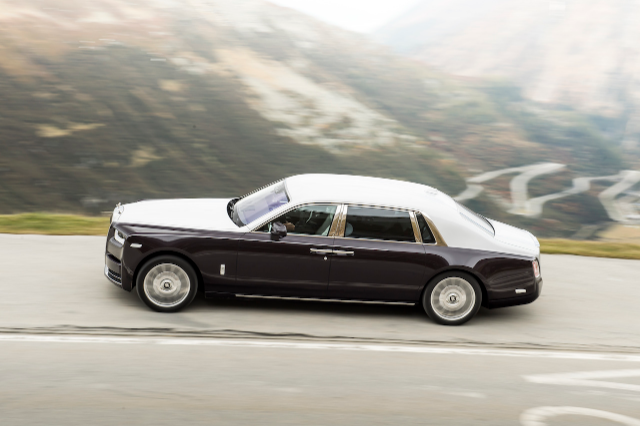
You might not realise that the latest Phantom is a completely different car, though, because it looks very similar to its predecessor’s final form. But, underneath those flowing styling lines and familiar design elements, the new Phantom takes the older car’s virtues and amplifies it even further. Here are some of the under-the-skin differences between the Phantom VII and the Phantom VIII:

1. High-tech new platform
Although the new car retains much of the imposing styling of its predecessor, the new body shell cloaks a brand-new platform. As with the previous-generation car, the body construction consists of a (hand-crafted from various pre-manufactured sections) aluminium structure, to which the outer panels are attached and perfectly aligned – once again, by hand.
The reasons for the development of this all-new platform are manifold, but are mostly centred around flexible production, body rigidity (it’s now 30% stiffer than before) and weight saving (important, because this would allow the engineers to add even more sound insulation without bumping up the already-substantial kerb weight).
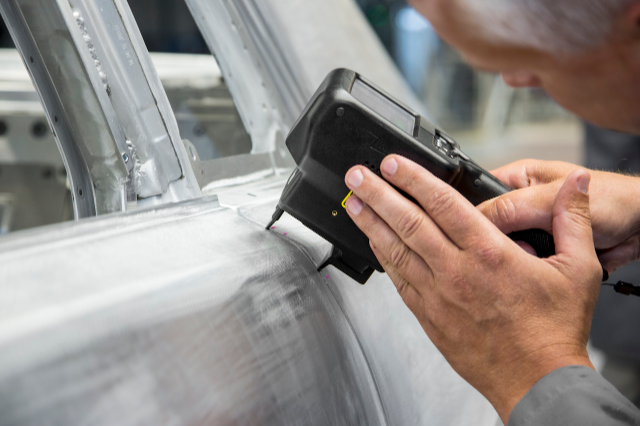
It’s called the “Architecture of Luxury” (even the name sounds regal!), and its next spin-off is already on the market underneath the new Rolls-Royce Cullinan SUV. Future Ghost, Wraith and Dawn replacements will also employ this component set, albeit scaled differently to suit their smaller dimensions.
Related: We covered the world début of the Rolls-Royce Phantom’s first platform-mate - the imposing new Cullinan SUV.
2. Four-wheel steering
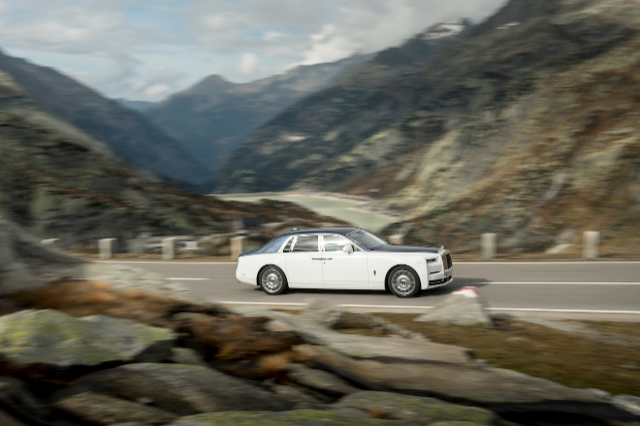
Following a brief flurry of development in the 1980s and 1990s, four-wheel steering disappeared from modern cars for a while. But now, with many mass-market manufacturers offering such systems, it stands to reason that the Rolls-Royce Phantom would also receive this enhancement.
Even in SWB form, the latest Phantom’s wheelbase alone is about as long as an entire Kia Picanto is from bumper to bumper, so the addition of four-wheel steering to the latest Phantom is especially significant: it greatly aids the manoeuvrability of this gigantic car. High-speed stability and handling also benefit, helping the behemoth to feel less daunting to drive and easier to pilot along a winding road.
3. Extremely adaptive suspension
Once again, Rolls-Royce coins a very cool name for one of their achievements. The adaptive suspension features a system called “Flagbearer”, and it continuously adjusts the settings for the air springs, active dampers and active anti-roll bars for optimised comfort and control at speeds up to 100 km/h.
To do this, it employs a stereo camera system, which scans the road surface ahead to pre-emptively configure the various suspension components for the best possible ride quality. In combination with the GPS-linked transmission, which pre-selects the optimum gear for any road situation, this leads to rapid, smooth progress without extraneous noise- or vibration intrusion into the cabin.
Related: The top three things you need to know about the Rolls-Royce Wraith.
4. Very special tyres
Co-developed with Continental, the new Rolls-Royce Phantom also features “Silent Seal” tyres. These tyres employ a layer of special foam on the inside surface of the tyre tread, to eliminate the noise created in the tyre cavity between the tread and the wheel (which usually gets transmitted to the cabin, necessitating a lot of added sound insulation to contain tyre roar).
This might seem like overkill to the casual observer - but overkill is pretty the name of the Phantom’s game anyway, so it became an obvious inclusion in the new car’s specifications. Using these special tyres apparently led to a cabin noise reduction of up to 9dB, reinforcing the top-level Rolls-Royce’s claims about being the quietest car in the world. This claim was echoed by various (very privileged) motoring journalists, who bestowed accolades such as “freakishly quiet” and “utterly exceptional” on the Phantom’s extremely hushed cabin.
Recommended Next:
Shop for new and used Rolls-Royce Phantom cars for sale here.
