"What's in a name? That which we call a rose by any other name would smell as sweet;" the famous Shakespeare quote from Romeo and Juliet. She was alluding to the fact that even if Romeo was named something else, he would still be as handsome and he would still be her love.
No, you haven't clicked the wrong link and ended up on the wrong side of the internet, I am still referring to the Mitsubishi Triton which, a long time ago, was known as the Colt; a light commercial vehicle (or bakkie for us Saffers) that was adored and revered by many.
The Triton name came into existence many decades ago but South Africa saw the Triton name for the first time in 2006 along with the strange new cabin design. This design made the Triton a bit like Shakespeare - you either love it or hate it. There was much merriment when the fifth generation was released in 2017 as the aggressive inward swoop of the cabin had been toned down.
Related: Mitsubishi Triton 2.4Di-D 4X4 Auto Review
2019 saw the fifth generation get a facelift, bringing it in line with the rest of the Mitsubishi range in terms of design language but retaining most of the tried and tested underpinnings.
Here are the top 5 differences between a new and used (pre-facelift) Mitsubishi Triton.

1. Styling
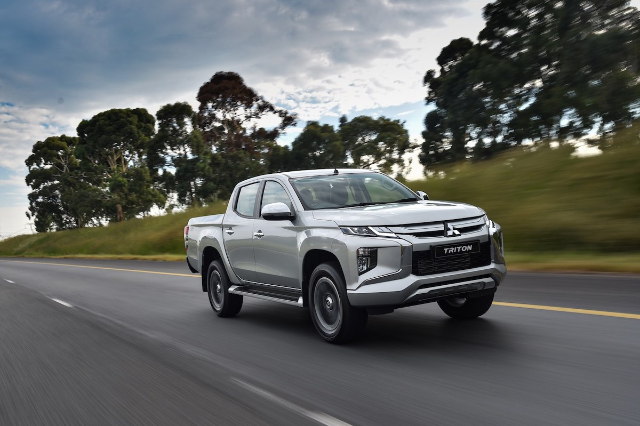
The sleek, racy look of the pre-2019 model with its pulled lines and smooth curves made way for sharp creases and hard edges. This styling redesign gave the Triton a much-needed testosterone boost, giving it back it's hard and rugged demeanour.
The front end got what Mitsubishi calls the Dynamic Shield Grille with its imposing chrome bars and large grille. The headlights are more streamlined but feature angular edges and new lighting elements.

Around the back, there's more angular goodness while the side profile is awash with contrasting edges, sharp lines and beefier arches.
All of this makes the Triton more imposing and menacing on the road.

2. New colours
To mark the arrival of the new bodywork, some new colours were added to the spectrum, helping highlight the lines of the new design. In the mix is Sunflare Orange, Diamond White Metallic and Graphite Grey Metallic.

3. Added connectivity
The infotainment system in the facelifted model was updated to include smartphone tethering with screen mirroring for Apple and Android phones. As such, you can stream music, make calls and use a variety of approved apps with Apple CarPlay or Android Auto.

4. New gearbox
The updated Mitsubishi Triton may use the same 2.4-litre MIVEC DOHC turbodiesel engine as before, making 133 kW and 430 Nm but it's now mated to a new 6-speed automatic gearbox with intelligent shift control. This gives the best combination of power and efficiency for all conditions. It's still available with a 6-speed manual as well, for those that like to row their own gears.
5. Better agility
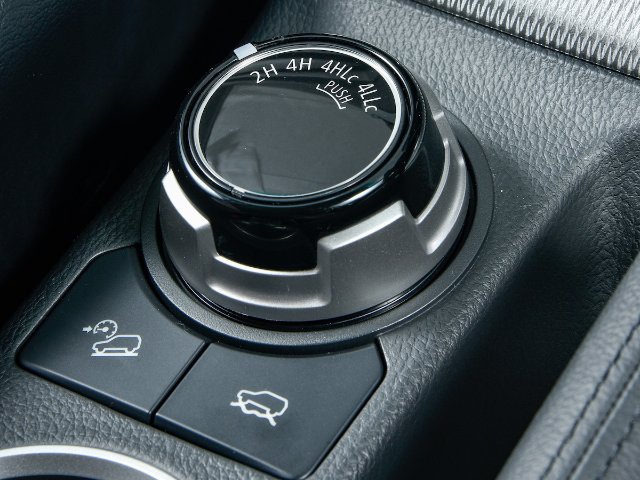
In addition to the already tried and tested (and highly revered) Super Select II 4WD control system, the updated Triton got a new Off-Road mode that ensures that there is the right amount of power being sent to each individual wheel when traversing Gravel, Snow, Sand or Rock. This system also includes hill-descent control for even more control off-road.
Recommended next:
Mitsubishi Triton: Assertive new face heralds a comprehensive upgrade
Generic Car Comparison – 4x2 Double Cab bakkies: Navara vs Fullback vs Hilux