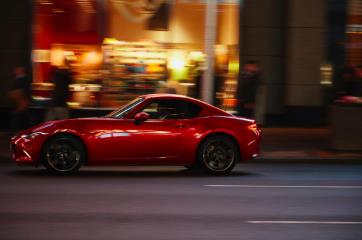
New vs used Mazda MX-5: what are the top 5 differences?
The world's best-selling roadster, the Mazda MX-5, has a chequered history in South Africa. Despite this, it's still an absolute joy to drive and experience. While you may like the convenience of a new one, here's what you need to know about the used market.

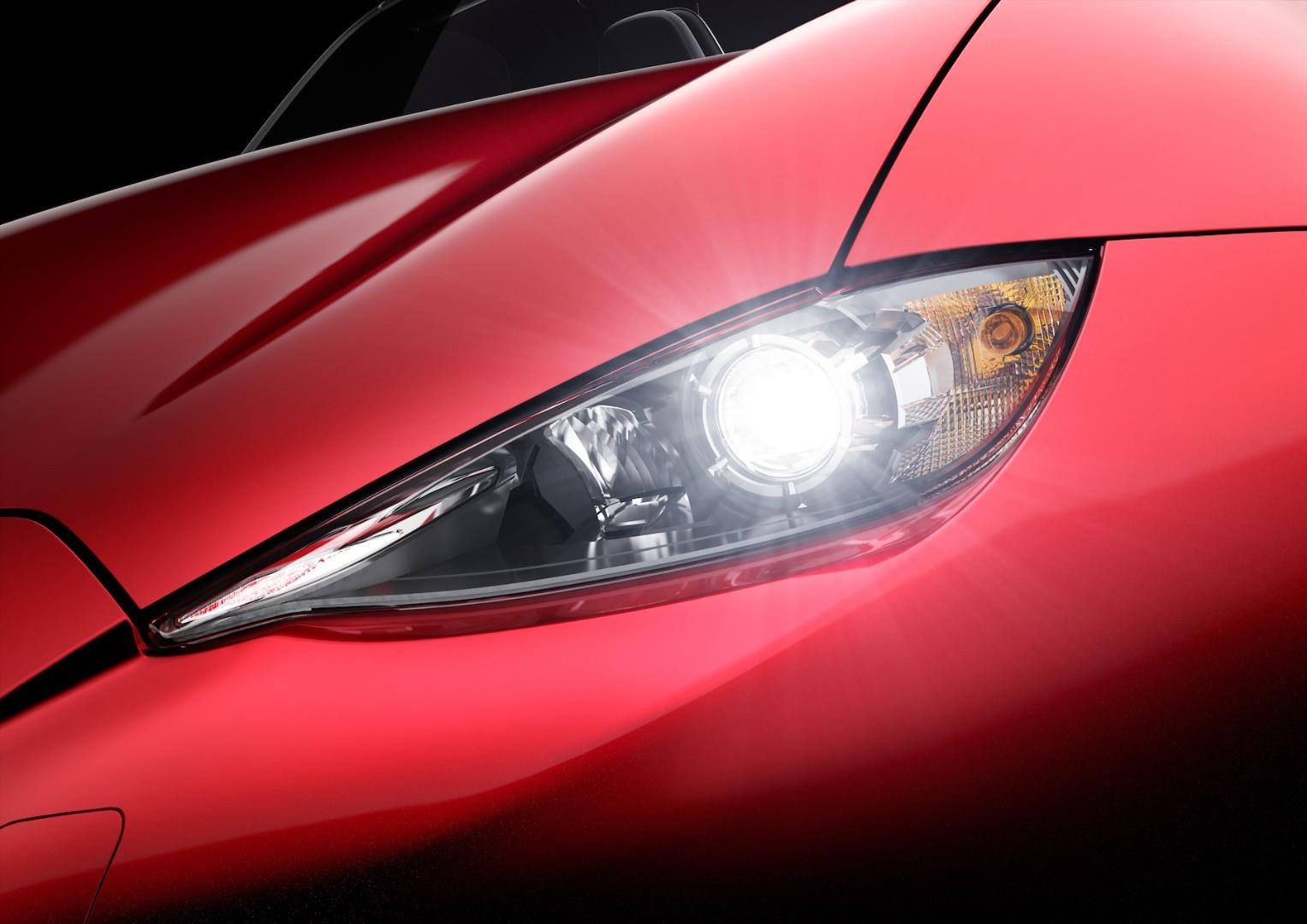
The Mazda MX-5 has a long and illustrious history in the automotive world, dating all the way back to the late 70s when Tom Matano and Bob Hall first discussed what type of car Mazda should make next. The project only came to fruition over a decade later when the first Mazda MX-5 rolled off the showroom floor. This Genesis model reignited the passion and sparked the roadster revolution. Since then, over 1-million Mazda MX-5s have been sold, making it the best-selling roadster in the world.
Related: The Mazda MX-5 – Everything you need to know.
South Africa was a little late to the party and only a handful of the original (NA-model) Mazda MX-5s were imported officially. SAMCOR (the holding company for Ford/Mazda at the time) brought in a few more of this first generation right before it was replaced by the second-generation NB-model. Mazda SA slept on this one too and for several years, one was unable to get the diminutive roadster until the facelift model released in 2002.
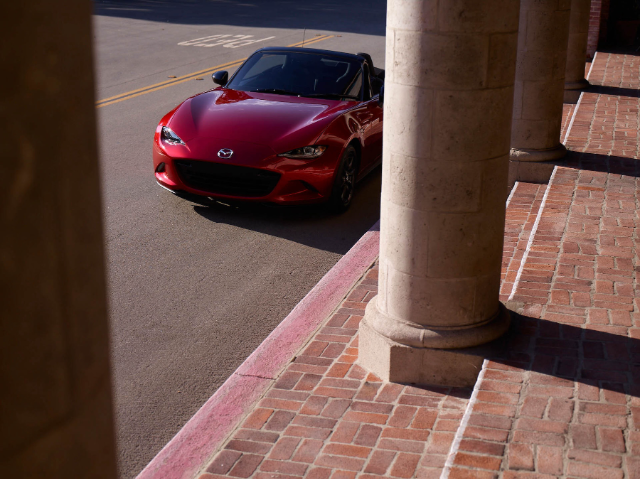
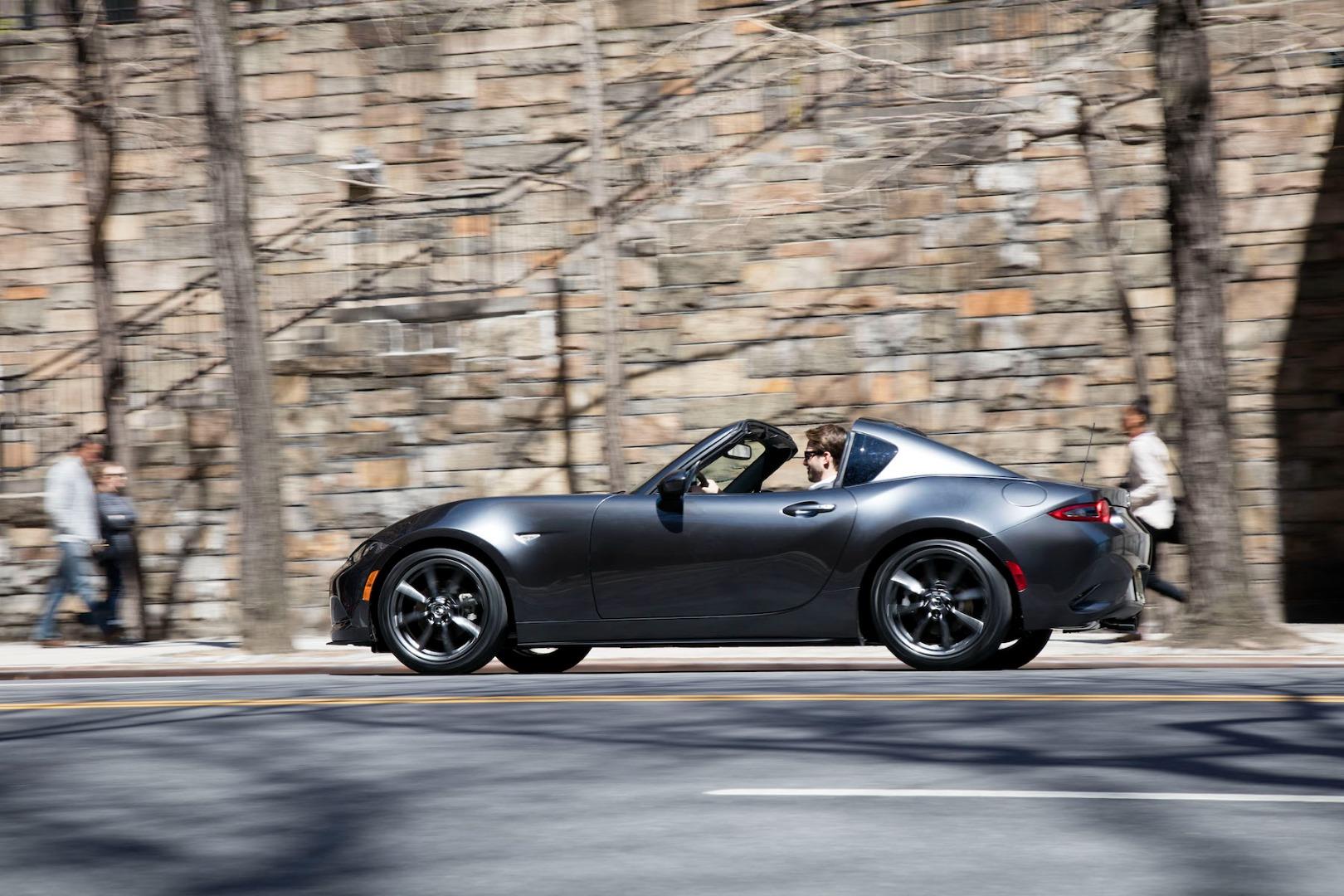
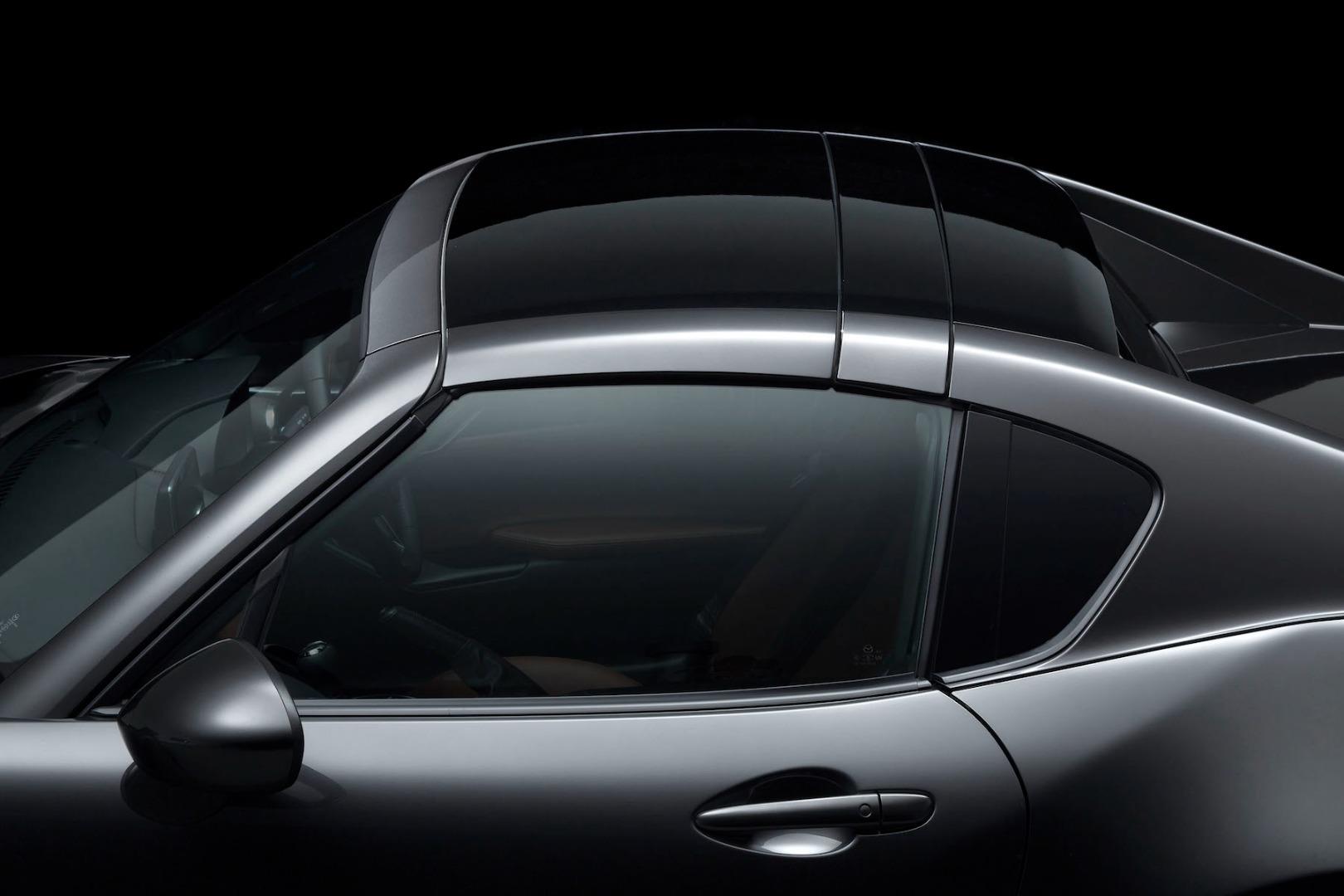
The third generation was supported a little better and is undoubtedly the most common version on our roads today. When the fourth version released in 2015, the little roadster was fighting against the SUV trend. As a result, sales figures were less than stellar and the roadster was discontinued locally in 2017, not before Mazda SA unveiled the MX-5 RF, a version with a folding Targa top, or Retractable Fastback (RF).
Sadly, this model too has been discontinued locally but some stock still remains. If you're looking for a new MX-5, it will have to be an RF but if you're OK with a slightly older model, you can get the full-cream MX-5 Roadster
Here are the five key differences between the old, and the "new".
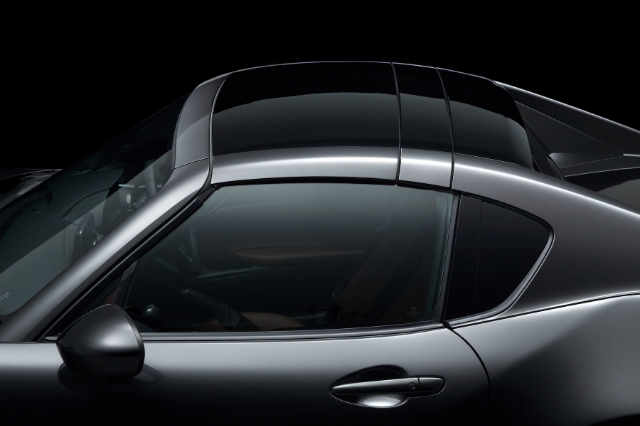
1. The RF folding roof
One of the detractions from the Roadster was the canvas folding roof. Despite being able to drop or lift the roof in a matter of seconds, the flexible nature of the canvas roof did little to ease the minds of consumers who were worried about vehicle theft and break-ins. The folding hardtop of the RF model was, therefore, more appealing, offering the additional safety and security that consumers wanted while still allowing them to enjoy open-air motoring.
Sadly, the electric motors, roof and folding mechanism (along with the gearbox) helped add 40 kg to the overall weight and placed this weight further over the rear wheels. This made the RF slightly less enjoyable to drive than the Roadster.

2. Automatic only
One of the largest and most unforgivable faults that Mazda SA made was electing to import the MX-5 RF in automatic only. The loss of the third pedal may have made sense in a market where automatics are favoured over manuals but die-hard driving enthusiasts (the kind that the MX-5 was designed for) scoffed at the thought of a 6-speed torque-converter automatic. The gearbox stunted the driving experience and helped add unnecessary weight to the package.

3. One wheeler peeler
If the automatic gearbox was a crime, then the next culprit is an accessory to murder. Mazda SA also dropped the 2-way mechanical limited-slip differential for the locally imported RF models. The manual gearbox and LSD in the Roadster allows you to position the car and corner with the greatest of ease. In fact, the Roadster has such a wonderfully balanced chassis that you are able to invoke either understeer or oversteer as you wish and makes it an absolute thrill through the turns.
While you will still enjoy the drive from the RF, the experience is muted and the changes have turned the RF into a boulevard cruiser.

4. Advanced safety systems
One thing that the RF did get right though was the inclusion of some driver safety systems. The RF saw the standard safety equipment bolstered by an Adaptive Front-lighting System that allows for cornering lights and better visibility around corners at night. The RF also saw the inclusion of a Blind-spot Monitoring System and a Lane Keep Assist system to make it easier to navigate the highways and byways in the little car.

5. Updated infotainment
The RF also benefitted from an update to the infotainment software. While the RF still used the likeable MZD system with its 7-inch screen, the software of the last few models saw it equipped to offer Apple CarPlay and Android Auto. The infotainment system was also bundled with its own onboard satellite navigation for those times when you don't feel like using your phone.