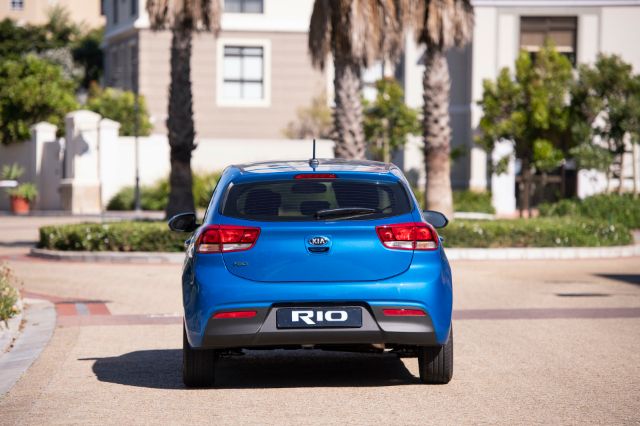
New vs used Kia Rio: What are the top 3 differences?
At first glance, the changes may appear to be small, but the Kia Rio’s late-2020 facelift added mildly-refreshed styling, upgraded feature content, and a new low-end derivative to appeal to value-conscious buyers. We highlight the top three differences between a new Kia Rio and a (pre-facelift) used one.


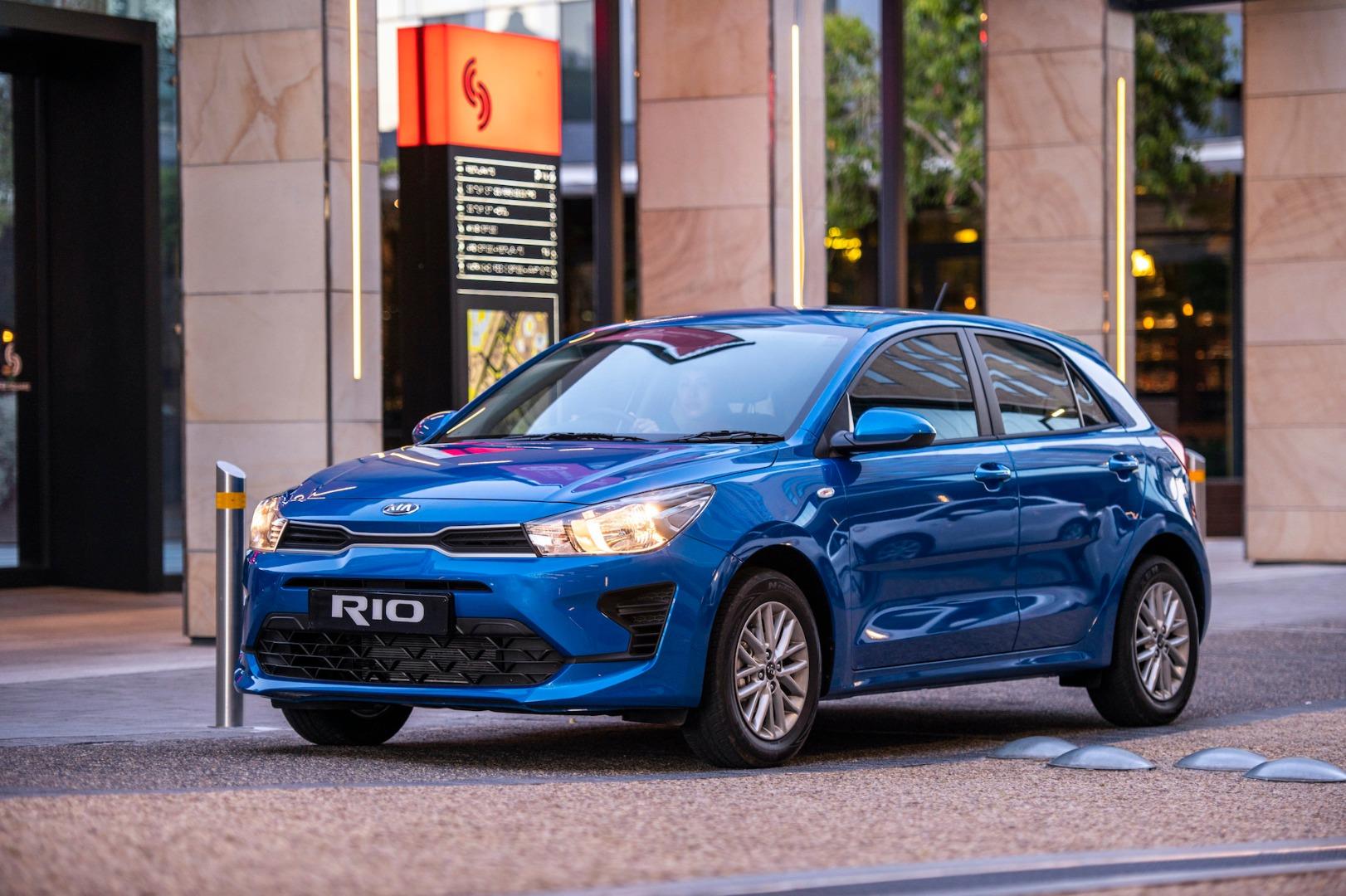
While there are no major mechanical changes, detail refinements aim to keep the 2021 Kia Rio competitive in a very crowded market segment. This update mainly concentrates on improving this popular model’s value proposition, and brings some improved cabin Technology to complement its lightly-revised appearance.
Related: Find out everything about the 2021 Kia Rio in this launch report.

1. Restructured range
The current-generation Kia Rio always employed a 1.2-litre engine as the range-opener, which was mated to the most-basic “LS” trim level. For 2021, the range is expanded to also include a 1.4-litre LS, which also brings a 6-speed manual (or automatic) transmission to the party (the 1.2 LS remains available, but only with a 5-speed manual gerabox).
This is great news for value-conscious buyers, because it combines affordability and reasonable performance into one package: the better engine can now be had, with a choice of two gearboxes, but without spending extra for luxury features you probably don’t need. All Kia Rio LS’s come with some nice-to-haves, anyway, such as the new infotainment touchscreen and 15-inch alloy wheels, so it’s nowhere near barren even in entry-level trim, and nicer than its predecessor, too.
Related: We reviewed the Kia Rio TEC automatic when it was upgraded from a 4-speed to a 6-speed gearbox.
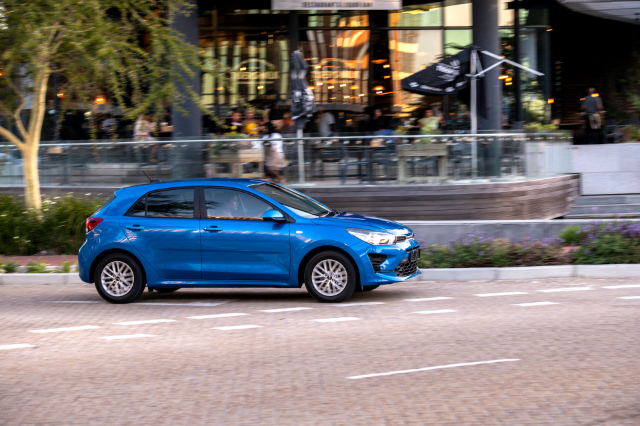
2. Improved safety features
The most important add-on involves the fitment of standard stability control for all variants from the LX trim upwards, to go with the airbags, ABS and ISOFIX child seat anchors that’s been standard all along. Most of the range only have two airbags, though, with the top-level “TEC” trim being the only one to receive a full complement of 6 airbags.
Related: Do you want to stand out in a crowd? You should perhaps consider a Kia Rio 1.4 TEC (manual), as shown in this review of a pre-facelift example.
3. Updated technology and specifications
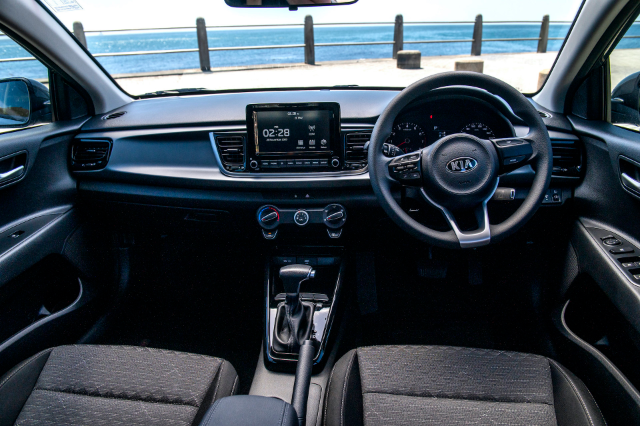
The biggest new inside the new Rio’s cabin revolves around the centre touchscreen display, which now grows from 8- to 9-inches in size, and features smartphone mirroring across the range. Lower-mid-level LX variants (and up) also gain a 4.2-inch digital instrument cluster, electrically-folding side mirrors, and automatic on/off control for its headlights.
Higher-mid-level EX trim adds projector headlights, LED DRLs, rear parking assistance (including a camera with moving guide lines), and upgrades the cosmetics even further with new 17-inch alloy wheels. As before, the range is capped by the TEC derivatives, which adds automatic climate control, rain-sensing wipers, real LED lamps, cruise control, self-dimming inside mirror, and leather upholstery.
Related: Which Kia Rio trim depreciates the fastest?