
New vs used Isuzu D-MAX: What are the top 3 differences?
After expanding their D-MAX range with more automatic variants, Isuzu has now subtly re-aligned this popular bakkie’s range, in another push to tide them over until the all-new model arrives in South Africa. We highlight the 3 most notable differences between the (used) outgoing one and the (new) facelifted model.


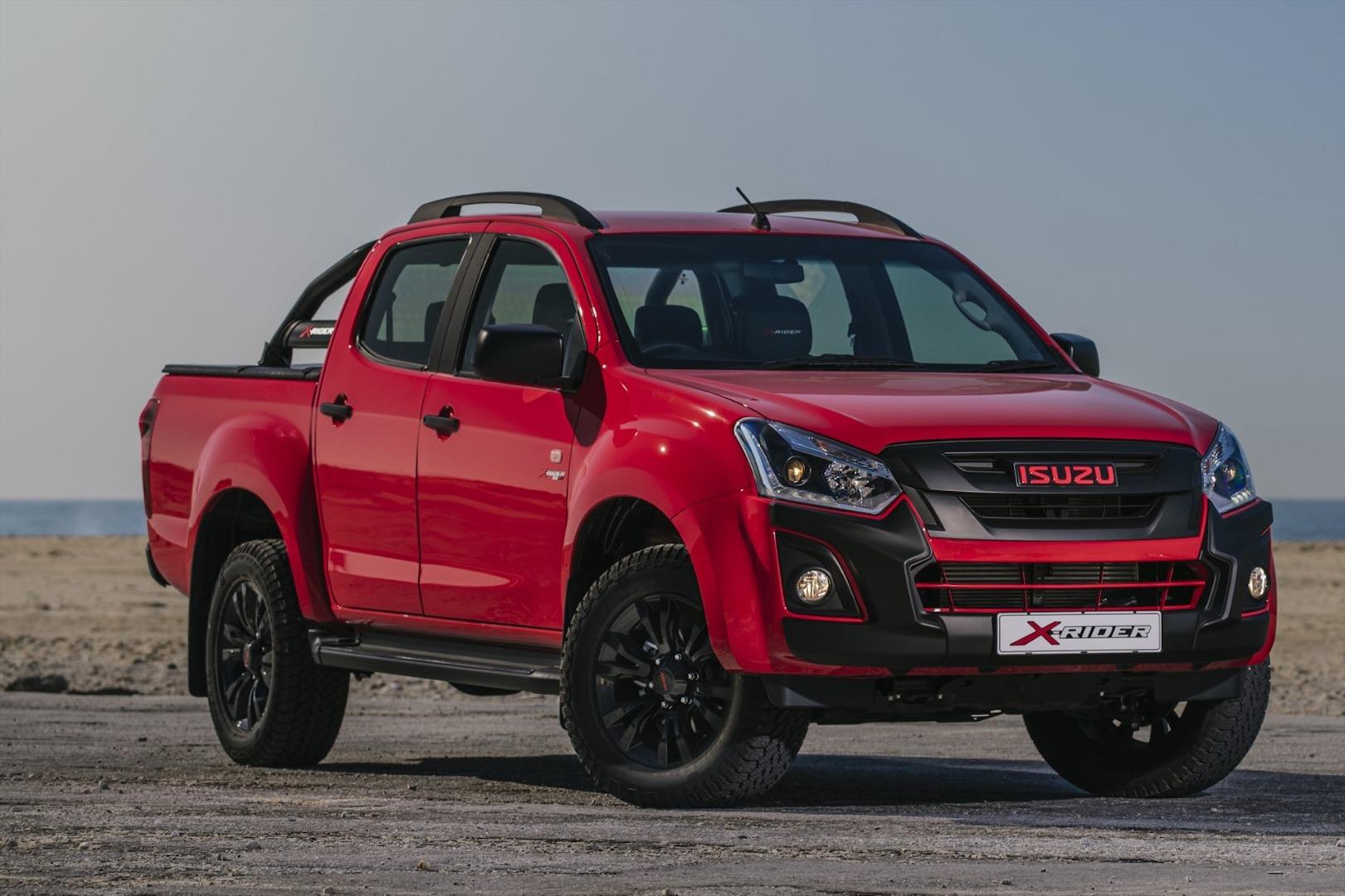
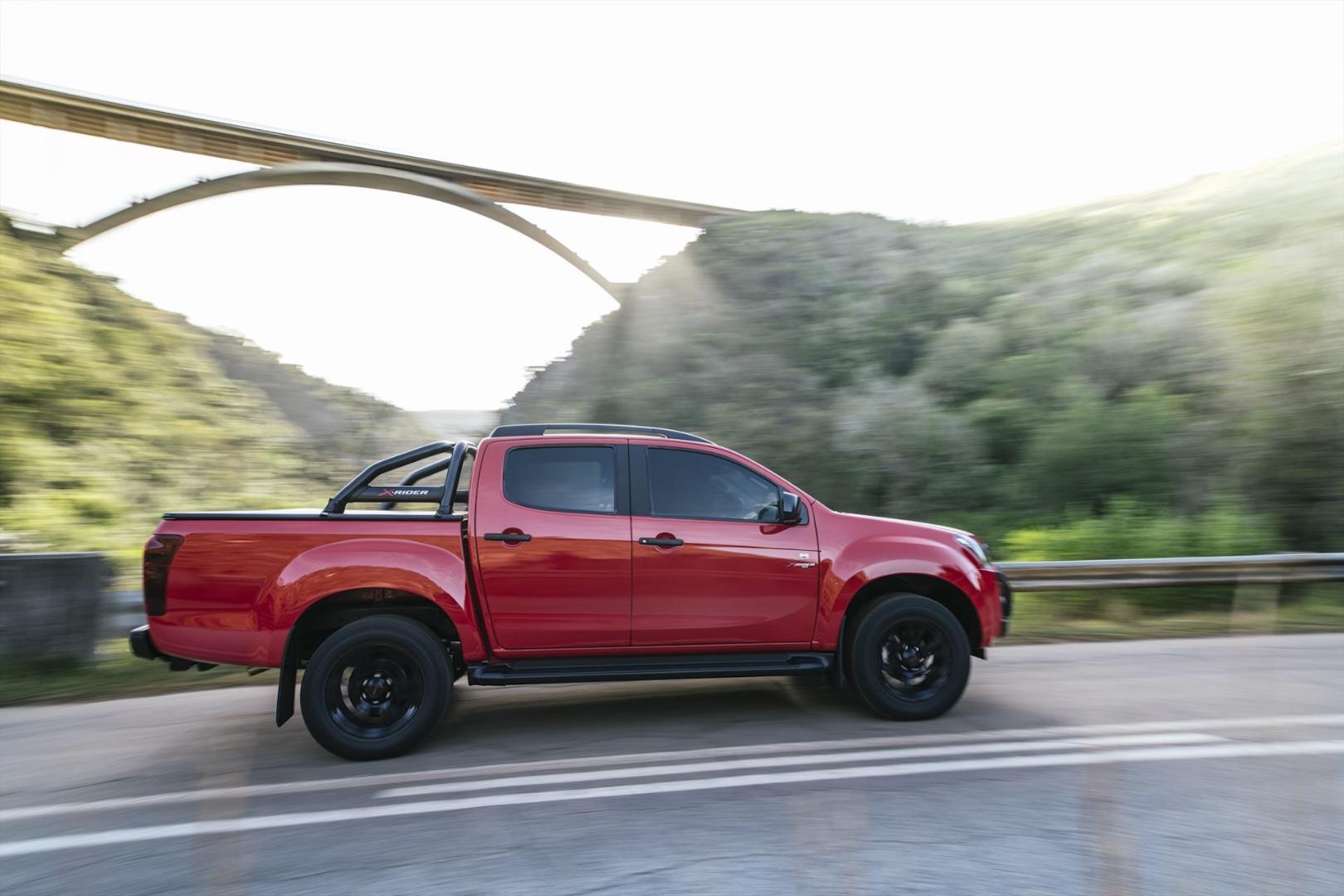
Soldiering on with conviction and notable success
In spite of having been around for seven years already, and in the face of increasingly upmarket competition, the current-generation Isuzu D-MAX still racks up respectable sales figures. Appealing more on capability and durability than gadgets or outright power, the high-value Isuzu D-MAX consistently draws in buyers looking for a multipurpose workhorse instead of a show pony.
Part of the secret of its enduring success is the continuous upgrade program applied to the D-MAX throughout its lifecycle. Beginning back in the days when this bakkie (and its predecessors) still carried the respected “KB” label, some improvement (or usually a bundle of them) was announced at least once a year – often accompanied by a model range shake-up.
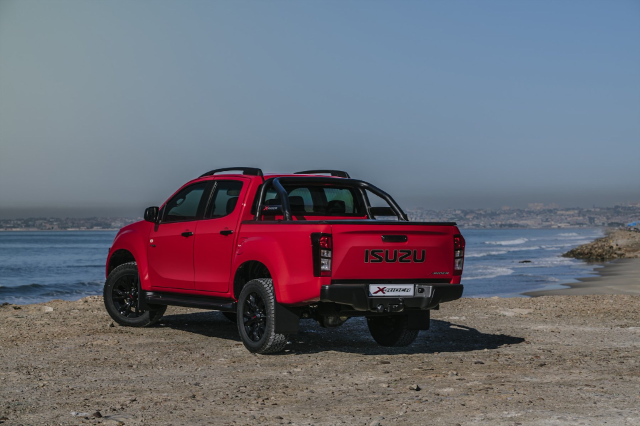
This strategy clearly serves the ageing D-MAX well, because it still delivers respectable sales to this day. So, apart from a fresh warranty and service plan, what are the top 3 differences between a new (facelifted) Isuzu D-MAX and a used (pre-facelift) one?
Related: The Top 5 Isuzu KB and D-MAX articles on AutoTrader.
1. The X-Rider family grows
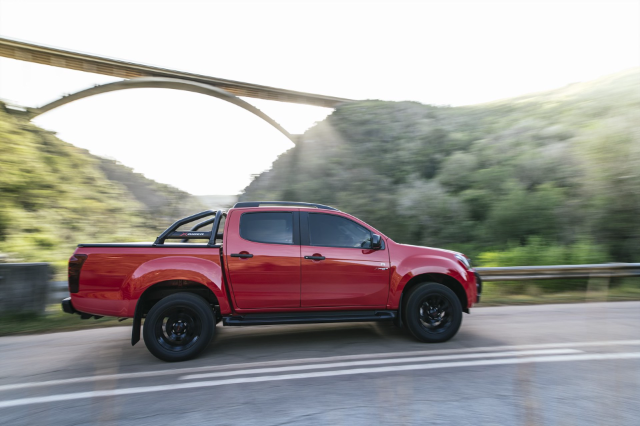
Since its initial arrival in 2016, the X-Rider nameplate has grown from a single, spruced-up mid-level variant of the KB to a rather comprehensive sub-brand of its own. For 2020, the X-Rider trim level includes extended- and double cab body styles, and with a choice between two engines, two transmissions, and RWD or 4WD for the double cab derivatives.
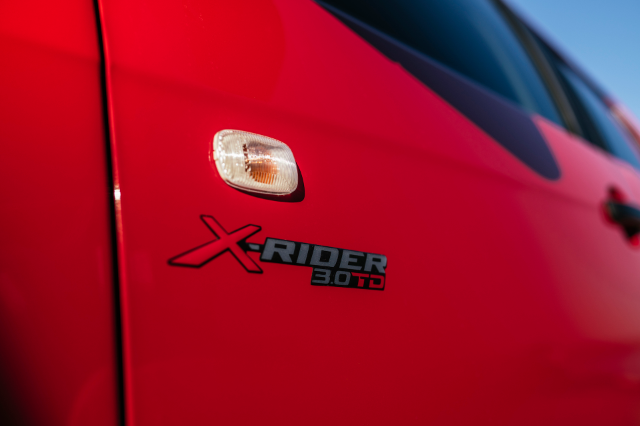
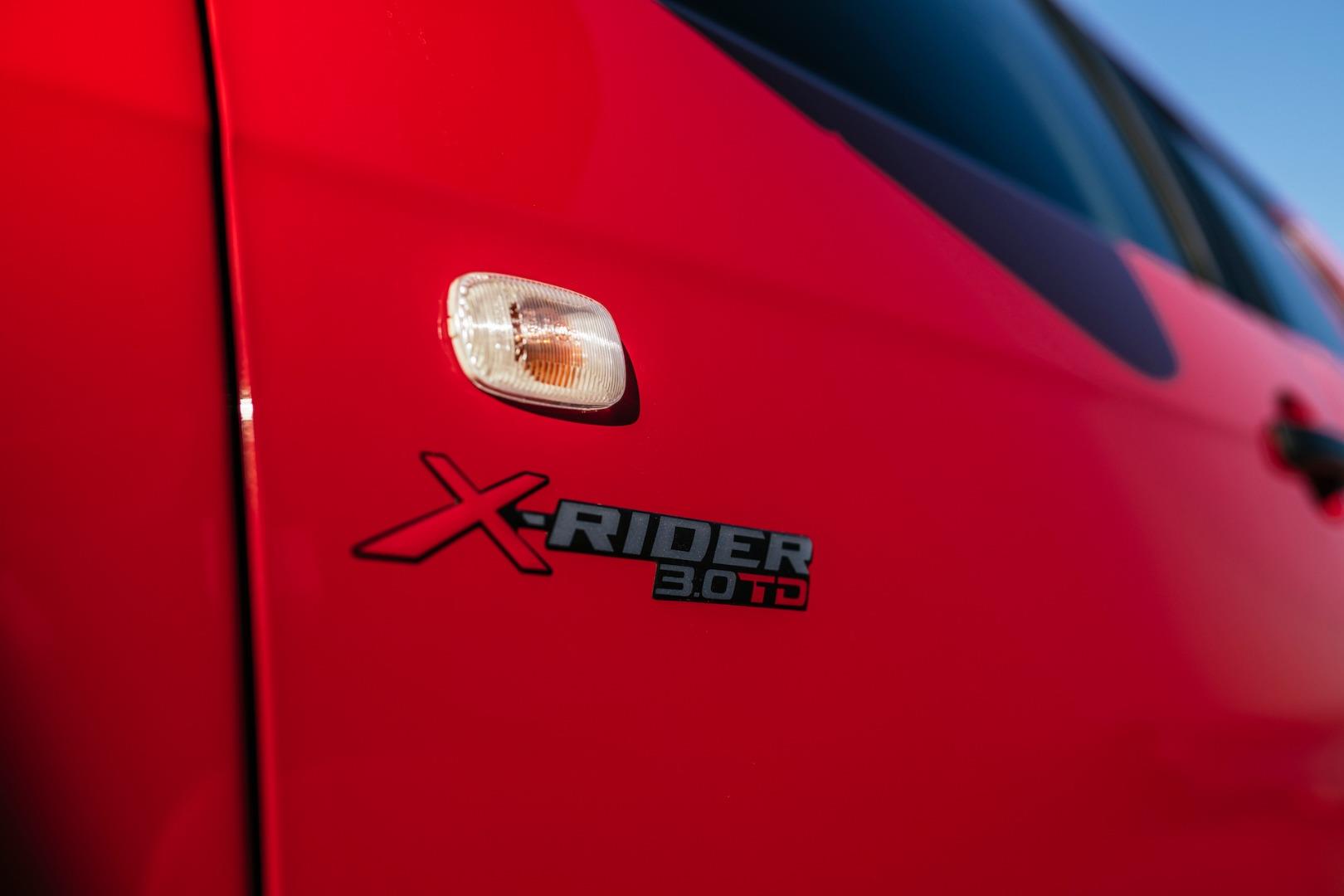
The latter highlight is more significant than you might think, as it extrapolates the X-Rider formula to offer 5-speed manual- or 6-speed automatic options, with the 2.5-litre engine (auto-only in extended cab form), or an automatic-only 3.0-litre derivative. Essentially melding the oily bits from the top-spec D-MAX 300 LX with the mid-trim X-Rider cosmetics pack and value-enhancements, this new variant’s only downside is that you can’t get an X-Rider 3.0-litre with either a manual gearbox or with 4WD.... yet.
Related: Find out more about the expanded selection of automatic Isuzu D-MAX bakkies in this launch report.
2. Slight range adjustments elsewhere
There’s still a range-topping LX variant, of course, and it’s available with most permutations of body styles and transmissions, but they all employ the same 3.0-litre, 4-cylinder turbodiesel engine. The only notable changes for these variants are the addition of a brake override system (which activates when the accelerator- and brake pedals are pressed simultaneously), and an all-black interior (including roof- and pillar linings). The “250 LE” trim level and the basic workhorses remain unchanged.
Related: Quick single-cab comparison – Isuzu D-MAX vs Toyota Hilux.
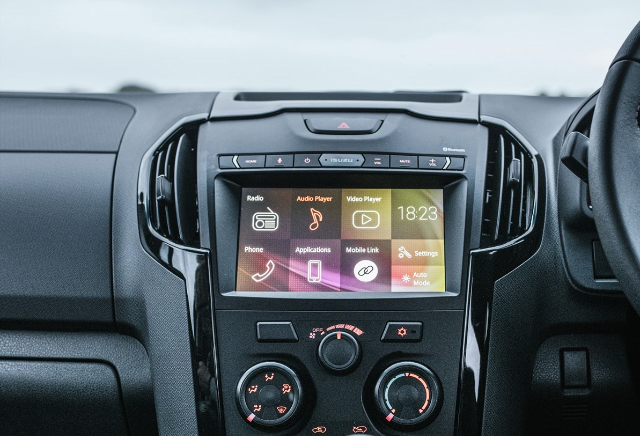
3. Infotainment improvement from August 2019
This upgrade didn’t receive much attention when it was applied a year or so ago, but it’s quite an important item in today’s market. Beginning in August 2019, all X-Riders switched over to the LX trim level’s 8-inch colour touchscreen infotainment system, complete with smartphone mirroring and steering wheel remote controls, which also brought along a rear-view camera. Fair compensation for missing out on the LX’s rear parking sensors in exchange for a substantial cost saving, we’d say.
For the rest, the Isuzu D-MAX is in a holding pattern, with major changes only likely to appear when the next-generation begins production in Port Elizabeth in the very near future.
Related: Road Trip Review – Taking an Isuzu D-MAX X-Rider to the Cederberg.
Recommended Next:
Shop for new and used Isuzu D-MAX cars for sale here.
Shop for used Isuzu KB-series cars for sale here.