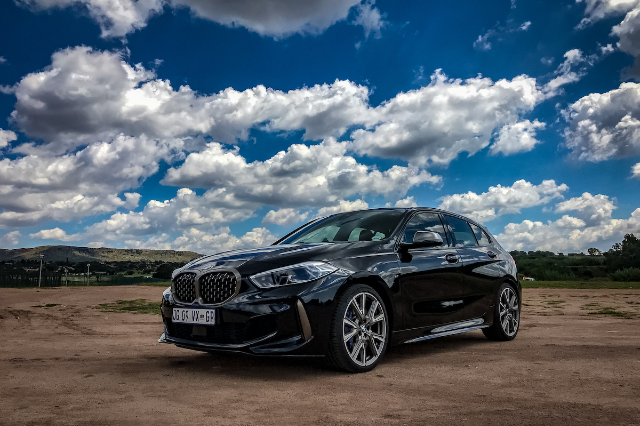
The BMW 1 Series has been with us for nearly two decades and in that time has only been changed up, in a major way, three times. Only three generations of the 1 Series exist and the latest one is the most radical of them all.
Carrying the spirit of the BMW 3 Series Compact, the 1 Series became the new entry-point into the brand with the entry-spec BMW 116i proving to be the best way to get into a rear-drive German machine for not a lot of money. It started with the E87 1 Series that ran from 2004 through to 2011 and gave us a variety of 5-door hatches, 3-door hatches, 2-door coupes and of course, 2-door convertibles (each with their own E-code).
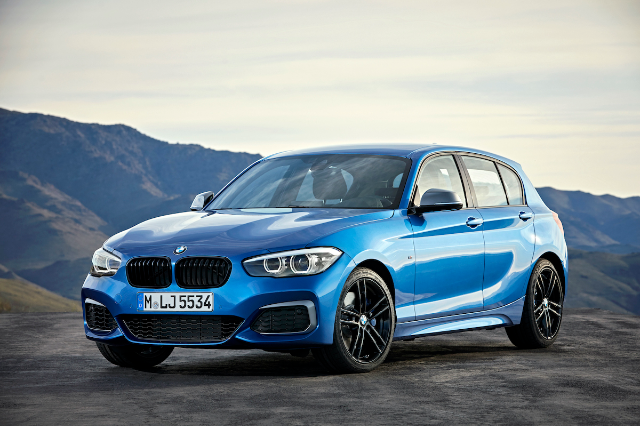
It was replaced by the F20 model series that did away with the coupe (that became the 2 Series) but still gave us a choice of either 5- or 3-door (F21) body arrangements. These models were with us from 2011 through to 2019 before BMW unveiled the latest version, the much-lamented F40 1 Series.
Related: Complete guide to buying, owning and selling your BMW 1 Series
But why was the public so concerned with the execution of the new BMW 1 Series? Here are 5 major differences between the F20/F21 BMW 1 Series and the new F4 BMW 1 Series.
1. Style
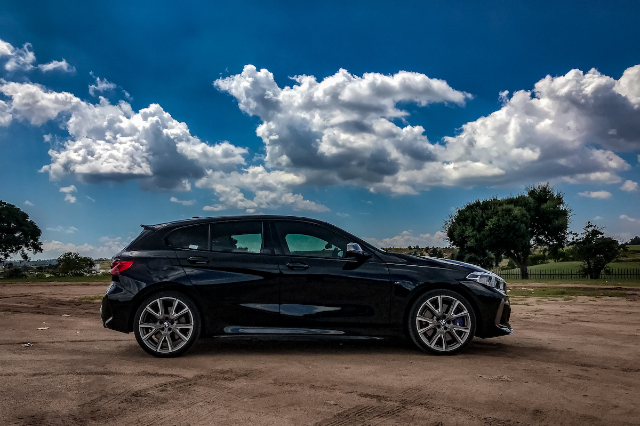
The first two generations of the BMW 1 Series were technically hatchbacks, but the styling echoed that of a 'shooting brake' with a long bonnet and short rear overhang. There was little else on the road that looked like it and this made it rather unique. The new BMW 1 Series has adopted a more traditional hatchback design style with a steeply raked bonnet and less of an included angle between the bonnet and windscreen.
2. Drive
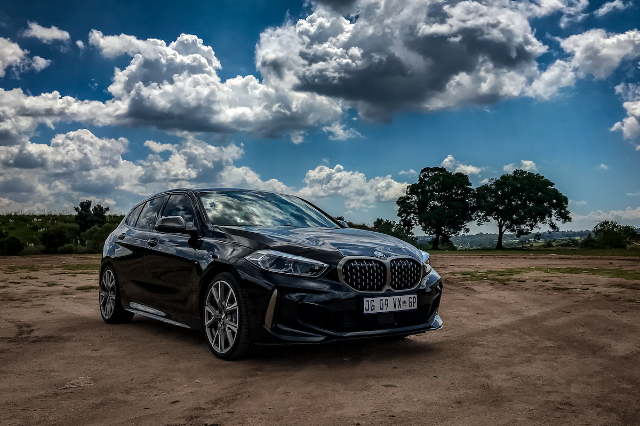
Possibly the biggest shift from the previous generation was the engine and drive layout. The 1 Series was the only hatchback to offer rear-wheel-drive and all BMW 1 Series models sent drive to the rear wheels from a longitudinally mounted engine. The new BMW 1 Series has a transversely mounted engine and sends power to the front wheels, with the exception of the all-wheel-drive M135i xDrive (which is predominantly FWD, but will switch to AWD under certain conditions). This also means that we will most probably not see a six-cylinder F40 BMW 1 Series.
3. Tech
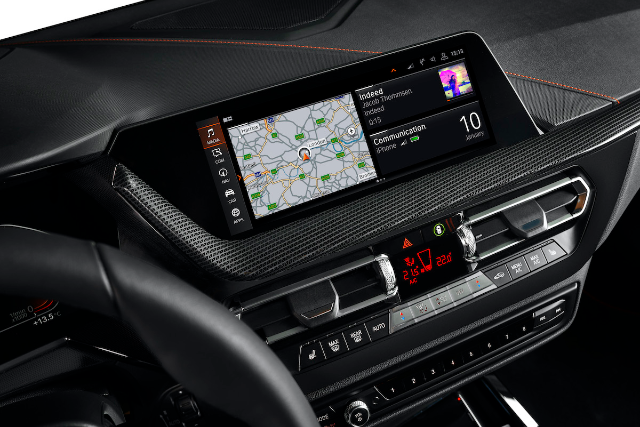
While the earlier BMW 1 Series had a stripped-down approach with basic tech fitted to keep costs down, the new F40 1 Series comes with considerably more tech than before. You're also able to spec it with BMW OS7.0 with gesture control, Intelligent Assistant and with the Infotainment Professional Package, will get two 10.25-inch screen for a full-digital display.
4. Size
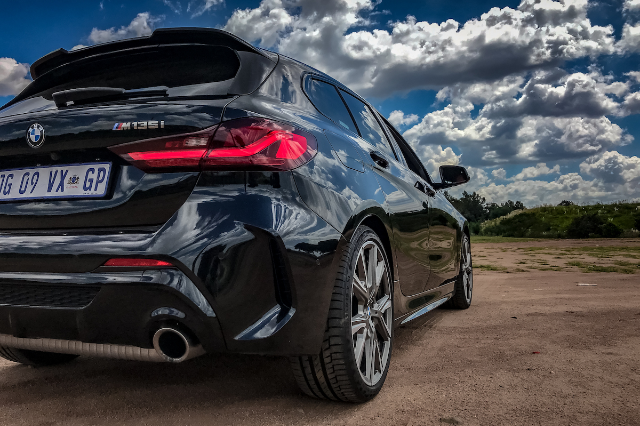
It may look rather different but the dimensions are roughly the same as the outgoing model. There are a few tweaks though and the new BMW 1 Series is 5mm shorter than before but is 13mm taller. It's also wider, growing by a substantial 34mm over the old model. BMW wanted to make the car more agile so they shaved off 20mm from the wheelbase to help it turn in better.
5. Space
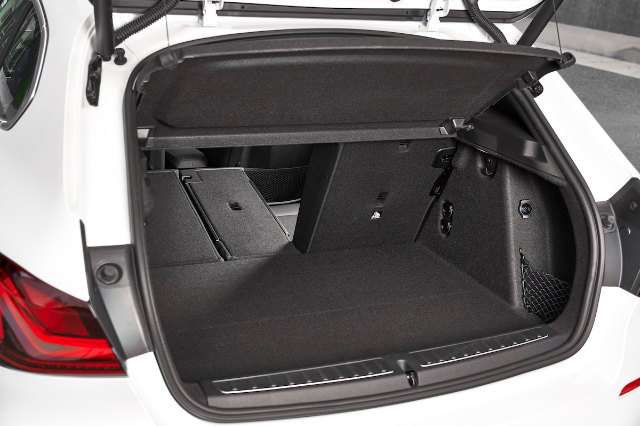
While some of these changes may seem to detract from the overall package, they also allow for certain liberties to be taken. The lack of a transmission tunnel means that the interior can be rearranged to create more space. You will get 33mm more legroom in the rear and 19mm more headroom up front. There's a generous 42mm more elbow room in the front but you will feel most of the space in the boot where the overall size weighs in at 380-litres, 20-litres more than the old model.
Recommended next:
Which BMW 1 Series holds its value better?
BMW M Festival is back - M8, M Competition models, New 1 Series, and more...
BMW 1 Series vs Mercedes-Benz A-Class vs Audi A1: which one has the best infotainment system?