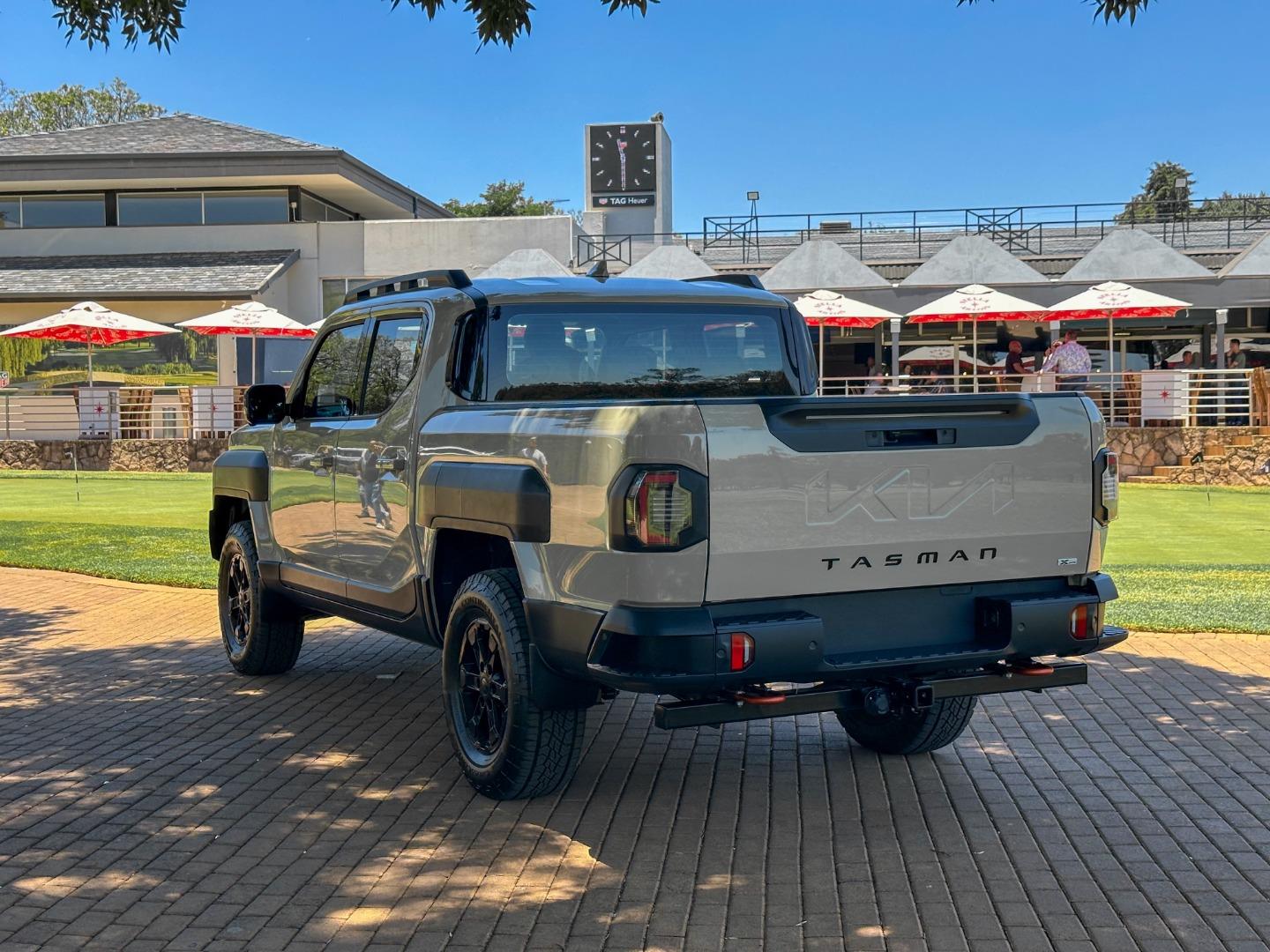
In October 2024, Kia unveiled its highly anticipated new Tasman. This launch introduces a fresh competitor to the growing double cab market, with a bold design and a clear intention to target a specific niche. The brand brought the very same model from the launch to South Africa for a commercial shoot, and before they were shipped back to Dubai, the brand invited us to have a look at it. Here's what you need to know about this new model.
Region-specific
The Tasman targets very specific regions. The South Korean brand states that Saudi Arabia, Australia, and Africa are its key target areas. An all-electric version of the model is slated for launch in North America in 2026.
Distinct Styling
The Kia Tasman’s styling has already sparked debate. While some may find its design a bit divisive, there’s no denying that it stands out in the crowded double-cab market. The vehicle adopts a distinctive aesthetic that deviates from the more traditional offerings. Personally, I appreciate Kia's approach to the exterior design, but many do not find it appealing. This may be the new Marmite car of 2025.

Launch and Production Timeline
The official launch and production of the Kia Tasman are expected to begin around April or May 2025 in Hwaseong, South Korea, though it is likely that it won’t reach South African shores until later in July 2025 or beyond.
Double Cab Model Only: A Focused Approach
Locally, the Tasman will likely be offered exclusively as a double cab—despite a more utilitarian model being produced and sold in markets such as Australia.

The K2700 Legacy: Kia’s Military Division Influence
While many bemoan Kia's lack of bakkie-producing prowess, the K2700 bakkie has made a reputation for itself within the local market, while Kia’s military division has decades of experience when it comes to producing vehicles for commercial applications. Only time will tell whether this translates into success when building a lifestyle bakkie.
Targeting a Specific Niche
While the Kia Tasman may appear to target the broader bakkie segment, the brand appears to be aiming at a specific market niche. The vehicle appears set to compete with formidable rivals like the Ford Ranger Wildtrak, Isuzu D-Max V-Cross and Toyota Hilux GR-S, offering a more lifestyle-focused approach to the traditional double-cab segment.
Success Criteria: A Modest but Ambitious Target
Kia has set its sights on modest success for the Tasman. The brand has hinted that selling between 50 and 100 units per month would be considered a success.

Three Spec Levels
The Kia Tasman will come in three spec levels: Base, X-Line, and X-Pro. The base model is designed for those seeking a no-frills double cab. The higher-end trims, however, cater to buyers looking for a more premium, lifestyle-oriented experience. The X-Pro trim, in particular, is expected to offer features well-suited for off-road adventures, adding a touch of luxury without compromising performance.
Premium Interior
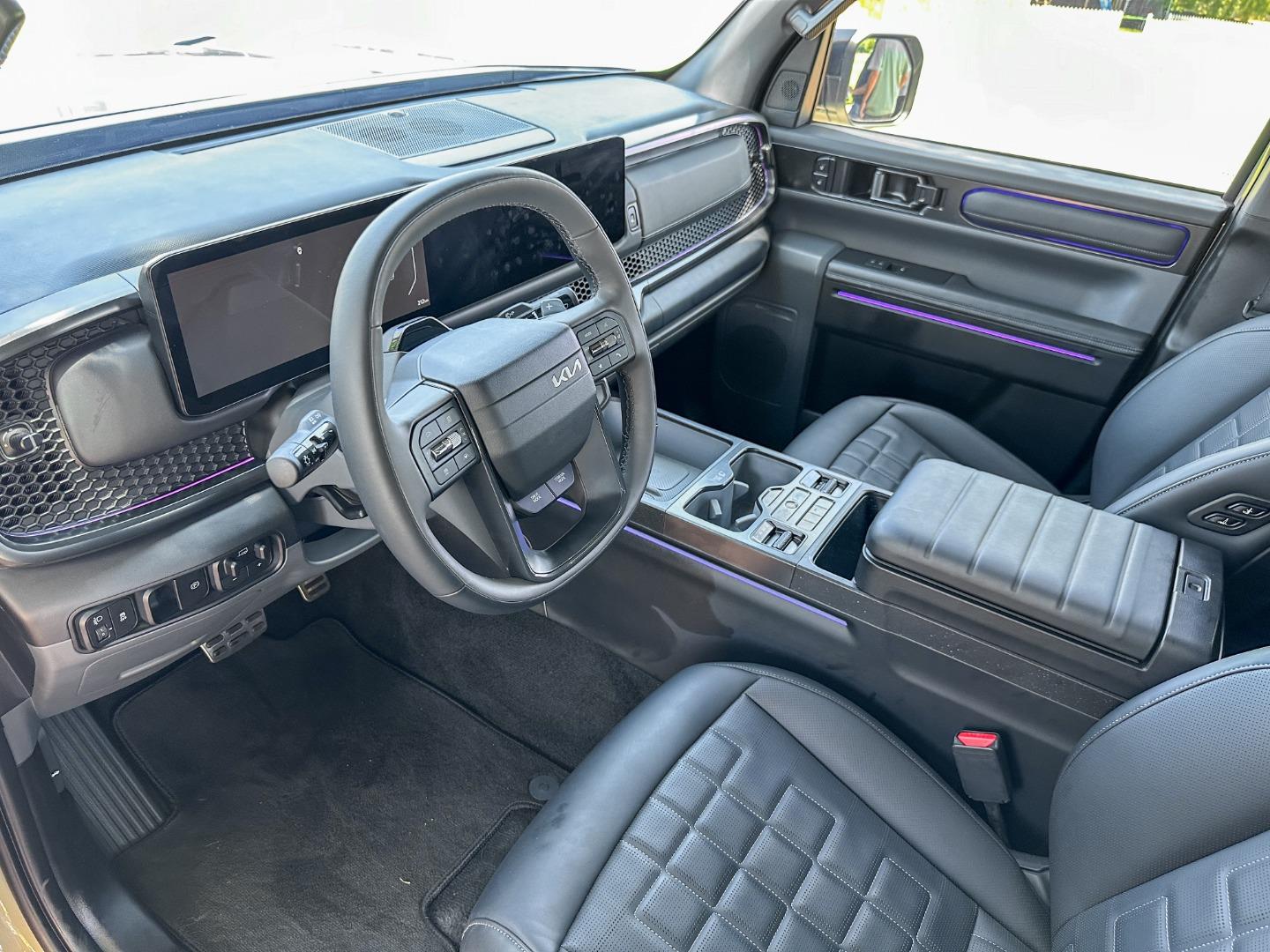
At the event, I was able to interact with the new model, and despite it being a left-hand drive with a turbocharged petrol engine, I have a good sense of what the new model offers from an interior perspective. The interior is decidedly premium and more SUV-like, as we have seen in many lifestyle bakkies of late. Expect high-quality materials, advanced infotainment systems, and ample space for passengers and cargo.

Engine Options: What to Expect in South Africa
While the 2.5 turbo petrol engine will likely be a feature in markets outside South Africa, the 2.2-litre diesel engine is expected to make its way to local shores. The diesel engine is the Smartstream FR D2.2 in D4HF guise, producing 154kW and 441Nm of torque. There's a 3 500kg braked towing capacity and a payload of roughly 1 000kg!