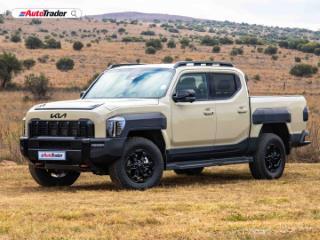
New Kia Seltos (2026) First Drive Review
South Africans are willing to gamble on lesser-known brands if the car looks good and the price is right, but what if heritage brands can keep their pricing competitive and offer cars with style, tech, spec, space, and value? Does the new Seltos manage to fulfil that criterion? Let's find out!


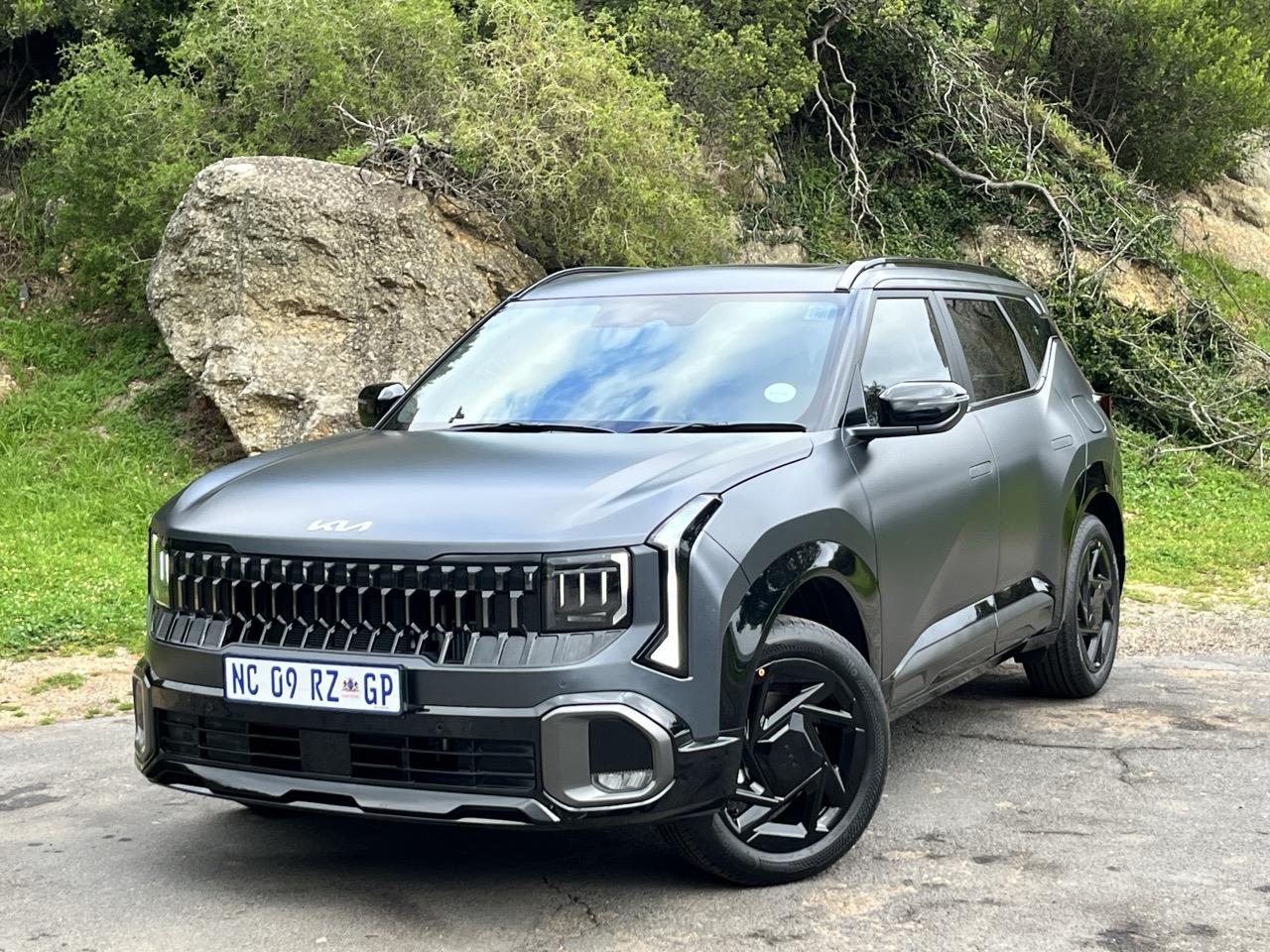
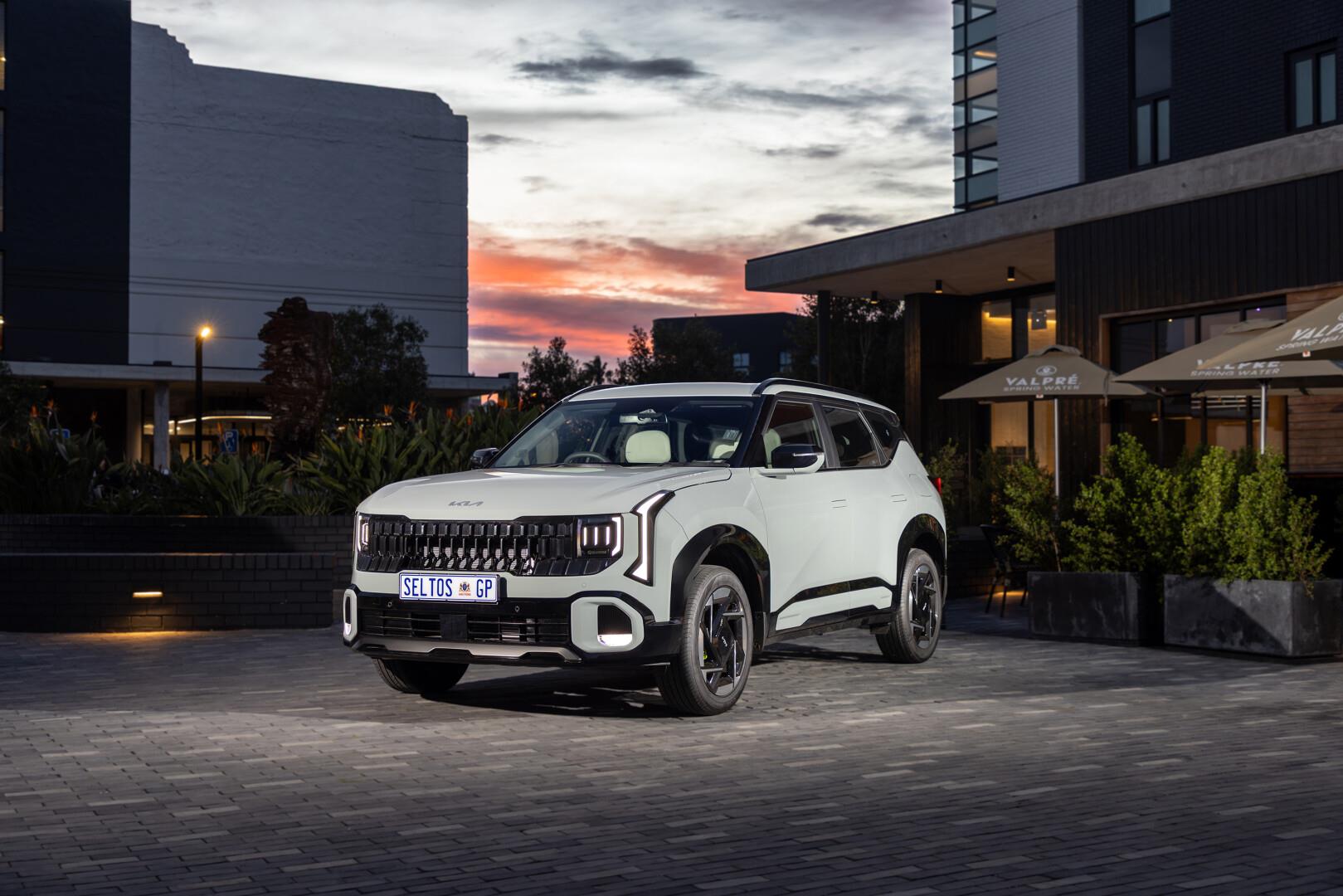
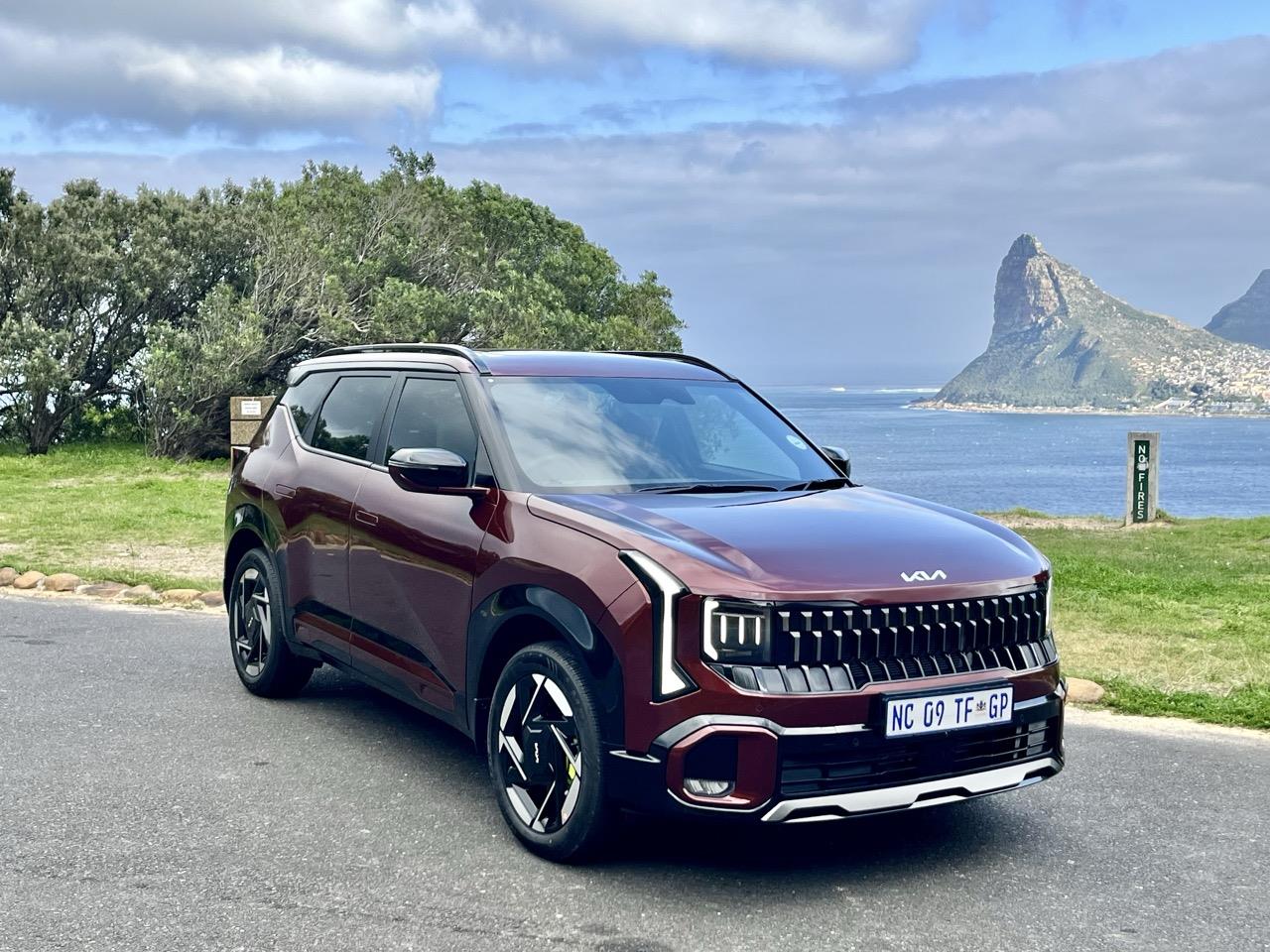
The Kia Seltos landed in South Africa in November 2019, wedged neatly between the Picanto and the Sportage. It was a smart fit: a compact SUV for people who wanted more than a hatchback but didn't need a large family SUV. Built in India, it went on to become Kia's second-best-selling nameplate globally and the fastest Kia ever to reach a million sales.
Locally, though, the story is slightly different. The Seltos peaked at 3,301 units in 2021, then slid every year after: 2,501 in 2022, 2,230 in 2023, and just 1,651 in 2024. Meanwhile, the Chinese weren't just knocking on the door; they were rearranging the furniture. The Chery Tiggo 4 Pro alone moved 16,838 units in 2025, a year in which the Seltos didn't even crack the top 15.
Kia SA CEO Paul Turnbull put it bluntly: the brand had been "complacent" about the Chinese threat, but Kia SA promptly acted. The brand grew by 25.3% in 2025, clawed its way back into the top 10, and now arrives in Cape Town with an all-new second-gen Seltos built on a fresh platform, gunning for the segment it once ruled.
The question is simple: can a great-looking car from a proven Korean brand win back buyers who've been seduced by cheaper Chinese alternatives?
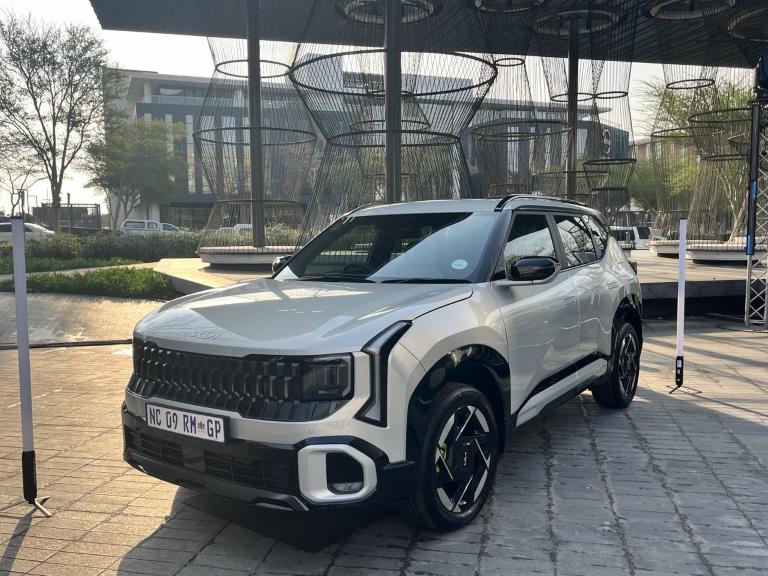
Styling
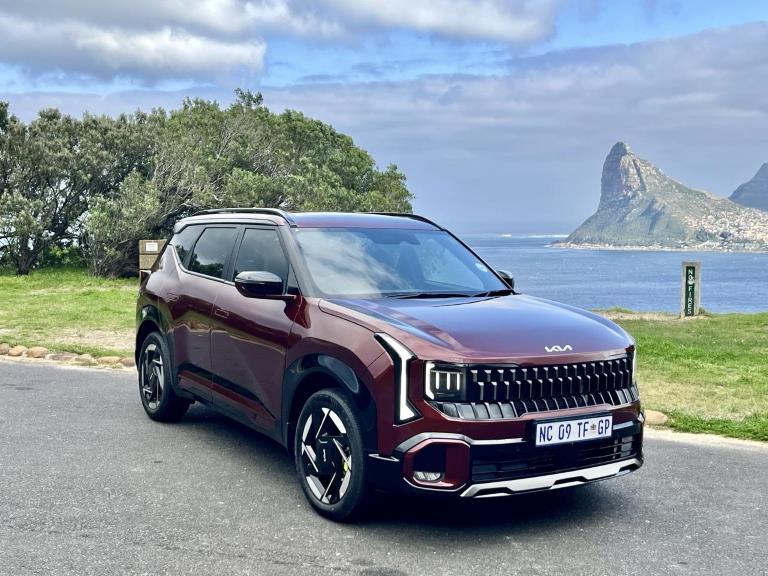
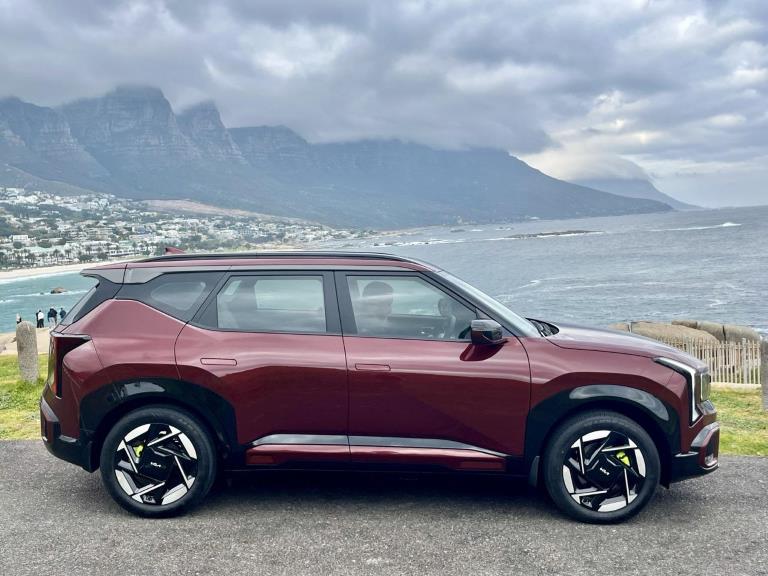
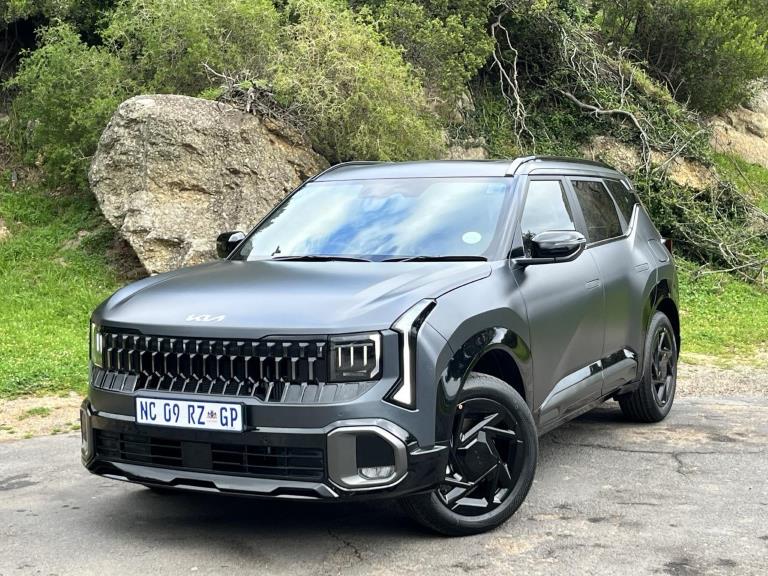
The new Seltos sits on the K3 platform and is slightly bigger in every direction. It's 4,430mm long, 1,830mm wide, with a 2,690mm wheelbase, and is referred to by its designer, Kurt Kahl, as a "baby Telluride."
The "Star Map" LED lighting that runs across the front looks unique and special, and there's an animated welcome-light sequence that greets you as you walk up to the car.
Buying used? Read our '24 review of the Seltos 1.5 EX CRDi Auto
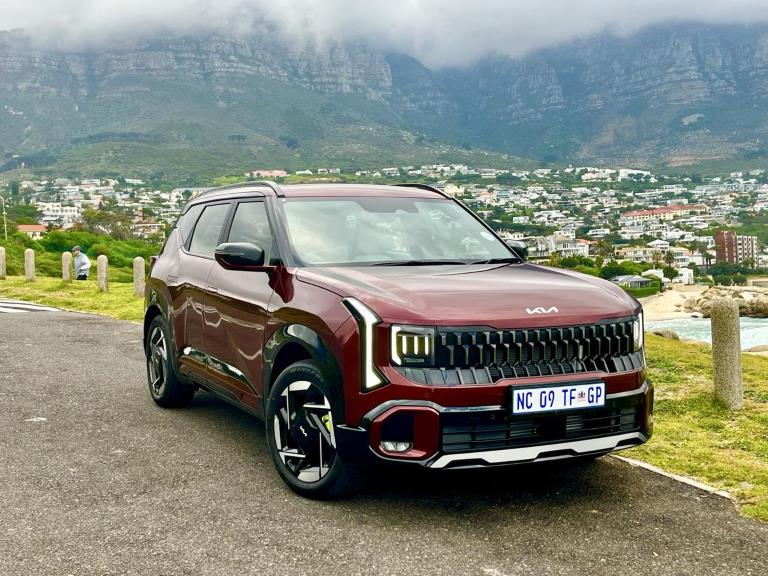
Down the sides, flush-fitting door handles clean up the lines and are said to help with aerodynamics; unfortunately, they are not very practical and do not pop out when you unlock the car; instead, you have to push the front end of the handle with a finger for the back end to pop out, and when you grab hold of it, the grip is not very secure. (Trying to hold on to that door during a blustering South Easter may prove difficult!)
Read: Toyota Corolla Cross vs. Kia Seltos vs. GAC Motors Emkoo
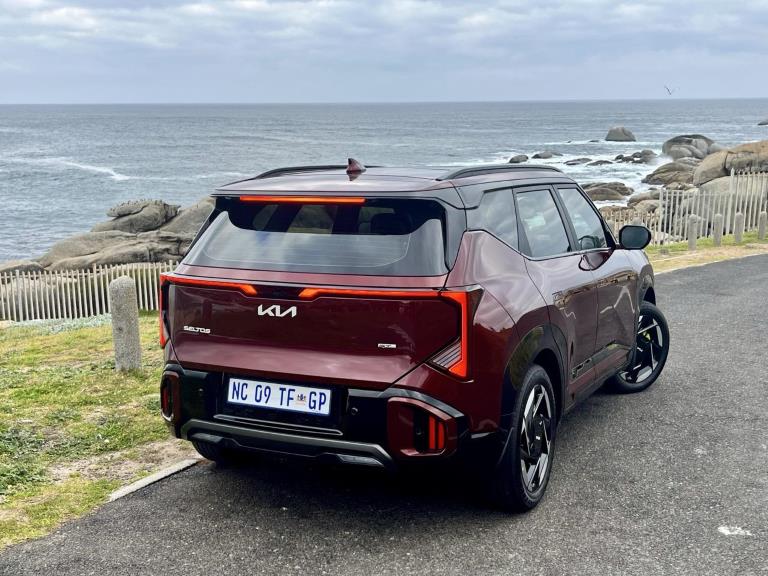
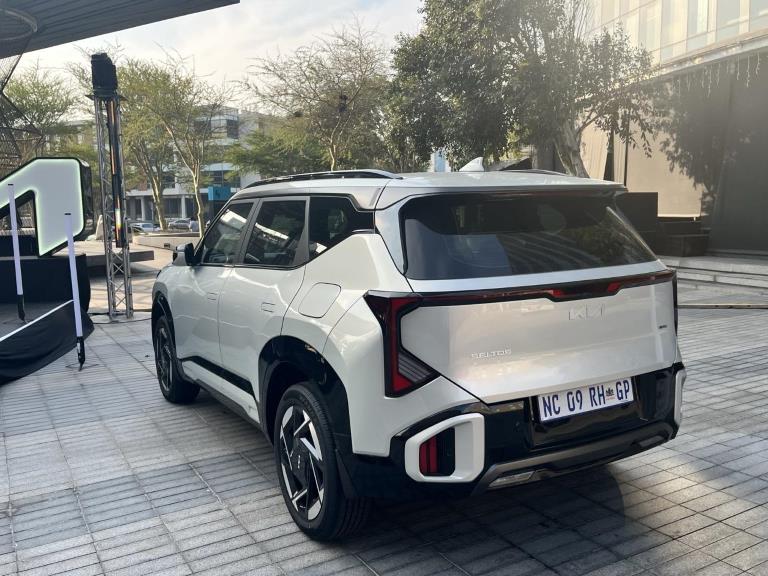
Around the back, the view is equally appealing, with a slim, angular LED light signature, which is de rigueur in the segment right now. Kudos to the design team; it looks fabulous.
2024 Kia Seltos vs Haval Jolion vs Chery Tiggo 7 Pro
Inside the new Kia Seltos
Colour us even more impressed inside; the cabin looks like a more practical version of a Mini Countryman, but without the finicky round screen and inflated price tag.
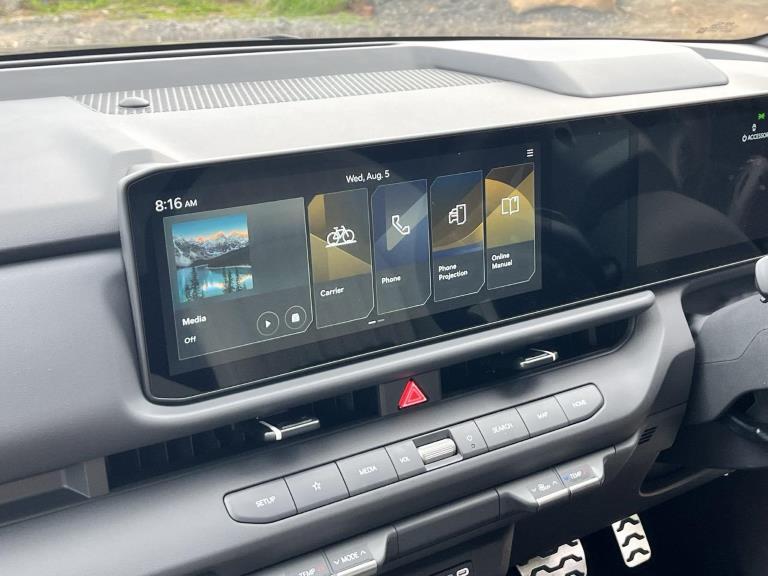
Kia's always built interiors really well, with enough physical buttons, charging ports, and switchgear to keep occupants frustration-free, and it's evident that a member of the fairer sex heads Kia's interior design team. It's usually women who happen to think of everything when it comes to living spaces!
Minyoung Lee describes the interior as "a smart, thoughtfully considered space that embraces and supports a wide range of lifestyles," with "every detail reflecting a commitment to caring for the people who will experience this car in their daily lives." And she's absolutely right.
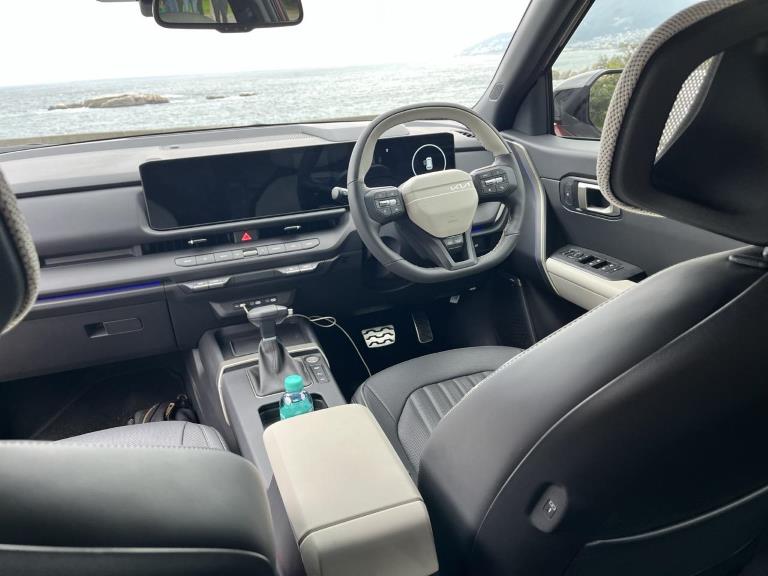
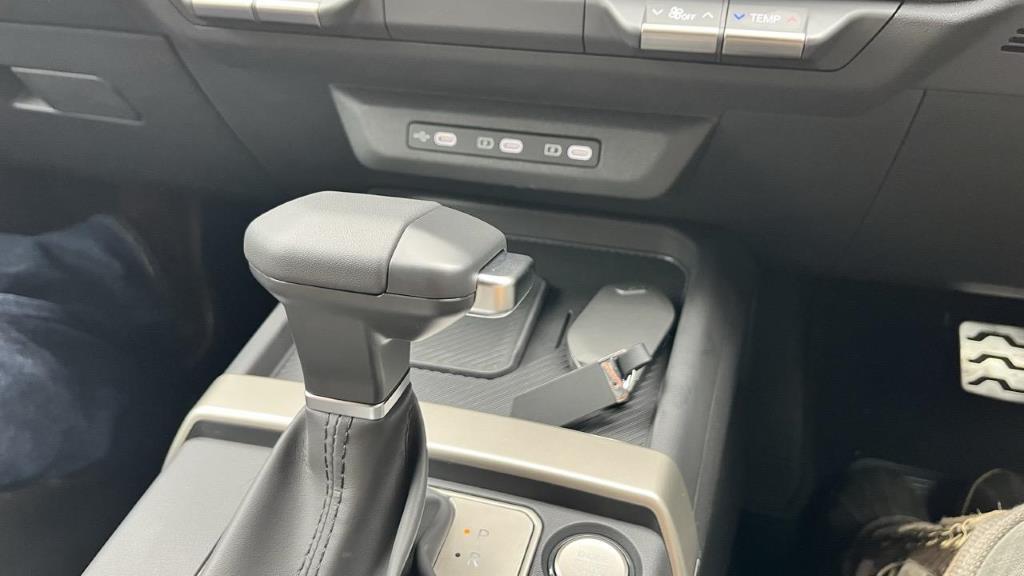
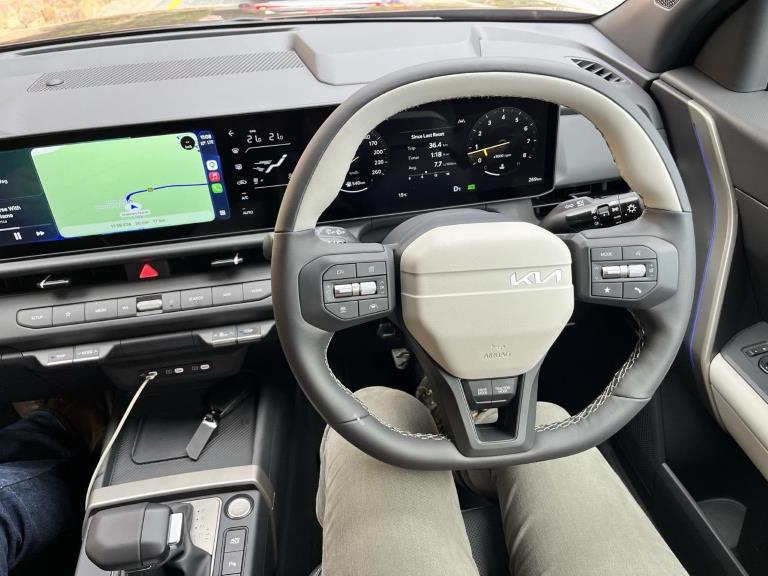
In our GT-Line S turbo-petrol test model, as seen in the photos, the stylish seats are dual-toned (the top half contrasts sharply with the bottom), ventilated, and super supportive, with comfortable mesh headrests. We had a practical, effective rubberised smartphone charging pad, enough cubbies and recesses for those pesky loose items, a spacious armrest cubby, ambient lighting, a sunroof, and that high-tech dual-screen setup with a Bose sound system.
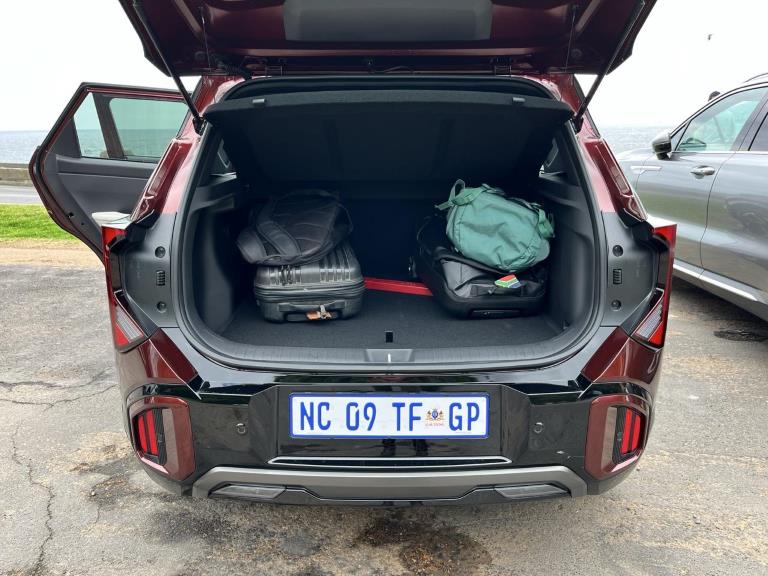
The rear seat still offers lots of legroom, although two adults will fit better back there than three. There are two USB-C ports integrated into the sides of the front seats and a total of five in the cabin. Apple CarPlay (and Android Auto) paired instantly. The boot can swallow 447 litres, so there's enough room for separate bags with shoes or a case or 2 of wine, along with the usual luggage.
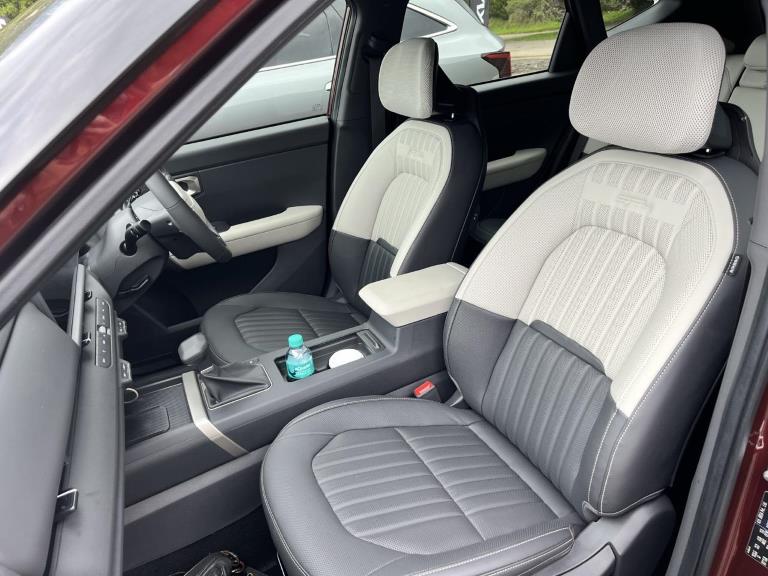
But for me, it's the overall design and layout that sets it apart. It's like someone at Kia read the minds of picky buyers and designed the Seltos' interior to suit their preferences! Let's hope more manufacturers decide to follow this sensible trend.
Read: 2024 Kia Seltos vs Ford Puma vs Haval Jolion
Driving the new Seltos in Cape Town
The Seltos is what I'd call a no-brainer to drive. There is nothing to figure out; everything is perfectly intuitive. You're not fiddling with screens and diving into menus to switch obvious functions on and off. You're not struggling to pair a phone, you're not fussing with cables unless you prefer to plug in. Despite all the advanced, modern tech, you just get in, and you drive. You park easily (steering is super light in the city), you have eyes everywhere, and the turning circle is small.
Our Cape Peninsula adventure led us down a few roads that are in need of a tar touch-up, and the Seltos just glided over those imperfections. Even when we overtook slower traffic on rippled tarmac with visible tree roots underneath, the car didn't bat an eyelid. The Seltos has a useful 200 mm of ground clearance, and should feel great on gravel or dirt.
The turbocharged petrol engine and DCT gearbox are a perfect match; road/wind/engine noise is well suppressed, and the car is light on its feet and nimble in city traffic. Our combined fuel consumption came to around 6.8 litres per 100 km, which is good for a 1.5T, and it will probably improve once the car is properly run in.
Also read: Kia Seltos vs Mazda CX-30 vs Honda HR-V
Our test model came equipped with standard ADAS (advanced driver assistance systems) and Level 2 autonomy. This is available only in the GT-Line S and X-Line, and it entails the following:
| Feature | Function |
|---|---|
| Blind-Spot Collision-Avoidance Assist (Rear) | Warns of vehicles in your blind spot and can apply braking if you change lanes into one. |
| Lane Keeping Assist | Detects lane markings and steers you back if you drift out without indicating. |
| Forward Collision-Avoidance Assist | Detects vehicles or pedestrians ahead and brakes automatically if you don't. |
| Lane Following Assist | Actively keeps you centred in your lane; does the actual steering, not just warnings. |
| Smart Cruise Control with Stop & Go | Adaptive cruise that maintains following distance and can stop and pull away in traffic. |
Kia Seltos features according to spec level
There are two 'new' entries - the LS at the bottom of the rung and the X-Line at the top, next to the GT-Line S.
The LS is the entry point, and there's nothing 'poverty spec' about it. It rolls on 17-inch alloys and gets LED lighting and all the 'Star Map' styling cues, a 10.25-inch touchscreen, Wireless Apple CarPlay and Android Auto, a 6-speaker sound system, cloth/artificial leather combination seats, manual A/C and cruise control. Safety features include 6 airbags, a rearview camera, parking sensors, a tyre pressure monitor, and hill-start assistance. It has auto-folding mirrors and roof rails.
The LX looks largely the same as the LS from the outside. The real changes are inside, where it adds a larger 12.3-inch screen and dual-zone climate control. (Externally, you'd struggle to tell them apart in traffic.) This model also has an electric parking brake with auto hold, a smart key & push-button start, an upgraded digital cluster, and parking sensors in the front and rear.
The GT-Line dials things up with 18-inch alloy wheels, unique exterior and interior design accents, a panoramic sunroof, rain-sensing wipers and an ECM rear-view mirror, wide-projection headlamps, faux leather seats and a faux leather steering wheel, a wireless smartphone charger, and ambient mood lighting.
The GT-Line S (driven on launch) is the performance flagship and gets dynamic welcome lighting to go with its turbo-petrol engine. Its front seats are powered and ventilated. Specs include a 12-inch digital cluster and semi-autonomous driving tech comprising smart cruise control, forward & blind spot collision avoidance, and lane-keep/following assistance. It has two-tone seats
The X-Line gets an exclusive matte Graphite Grey paint finish paired with full black 18-inch alloy wheels, plus a two-tone Hunter Green and Dark Grey interior. It's the most distinctive Seltos in the range and also comes with the semi-autonomous safety tech found in the GT-Line S.
The local lineup
The South African range offers buyers three 1.5-litre four-cylinder engines, each with a different purpose.
The naturally aspirated 1.5 MPI makes 85 kW and 144 Nm. It comes with a six-speed manual or CVT in LS, LX and GT-Line forms. It's the sensible option if you are looking for a low-maintenance car in the long-term and you're not in too much of a hurry.
The 1.5 CRDi turbodiesel also produces 85 kW, but its 250 Nm gives it much more authority in everyday driving. It is available with a six-speed automatic in GT-Line and X-Line derivatives. This is the model to go for if you're a road-tripping family; the diesel is a famously light sipper.
As I've mentioned, we drove the top-spec 1.5 T-GDi GT-Line S at R614 995, which is the flagship model, a position shared with the Kia Seltos 1.5 CRDi X-Line. It produces a hearty 119 kW and 253 Nm through a seven-speed dual-clutch transmission.
| Model | Price | Fuel | Power | Torque | Transmission | Claimed Fuel (L/100km) | 0-100 (sec) |
|---|---|---|---|---|---|---|---|
| Kia Seltos 1.5 LS manual | R389,995 | Petrol | 85 kW | 144 Nm | 6-speed manual | 6.2 | ~11.8 (est.) |
| Kia Seltos 1.5 LS auto | R414,995 | Petrol | 85 kW | 144 Nm | CVT | 6.4 | 12.3 |
| Kia Seltos 1.5 LX | R464,995 | Petrol | 85 kW | 144 Nm | CVT | 6.4 | 12.3 |
| Kia Seltos 1.5 GT-Line | R514,995 | Petrol | 85 kW | 144 Nm | CVT | 6.4 | 12.3 |
| Kia Seltos 1.5 CRDi GT-Line | R544,995 | Diesel | 85 kW | 250 Nm | 6-speed automatic | 5.3 | 12.0 |
| Kia Seltos 1.5 T-GDi GT-Line S | R614,995 | Petrol | 119 kW | 253 Nm | 7-speed DCT | 6.3 | 8.9 |
| Kia Seltos 1.5 CRDi X-Line | R614,995 | Diesel | 85 kW | 250 Nm | 6-speed automatic | 5.3 | 12.0 |
Kia Seltos safety spec: Grade walk
Just to recap:
- The LS is fitted with ABS, six airbags, stability control, a rear camera and rear parking sensors, hill-start assist control, a tyre pressure monitor, and Isofix. (That's a solid baseline.)
- The LX fills the obvious gaps: front and rear parking sensors, Manual Speed Limit Assist.
- The GT-Line is identical to the LX in terms of safety.
- (The GT-Line S and X-Line unlock the full ADAS suite mentioned earlier.)
Verdict
So, can this sexy Korean win back buyers? After a day with the new Seltos in Cape Town, my answer is a confident yes.
It looks great from every angle, the interior is certainly one of the best in the segment, and it drives with the kind of unflustered confidence that makes you trust it within the first kilometre. In a world where cars are getting more complicated by the day, that sheer straightforwardness is worth more than Kia probably realises.
The GT-Line S turbo petrol I drove is the pick of the range if you want performance and the full safety suite, but the diesel GT-Line is the clever solution for touring families. And at R389,995, the LS offers excellent value.
The finicky door handles are potentially painful, and the serious safety tech doesn't arrive until R614,995, which feels steep. But everything else about this car is so well-judged, so thoughtfully put together, that those gripes feel like nitpicks rather than dealbreakers.
The segment the Seltos once ruled has moved on. But so has the Seltos. And it's back at the front of the conversation.