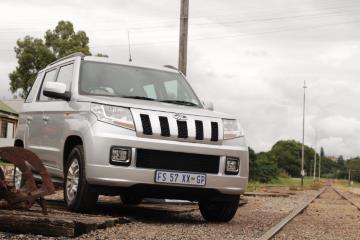
Mahindra TUV300 vs JMC Landwind vs Haval H2: which one has the lowest running costs?
The more affordable SUV options within the South African market often come from manufacturers that are still in their infancy in terms of introductory dates. This can be said for Haval, Mahindra and JMC, who despite being in the market for a substantial period, are still relative newcomers. Today we compare three SUVs from these brands to determine which one has the lowest running costs.

Determining a vehicle’s running costs is a multi-faceted process with many considerations including maintenance, fuel consumption, depreciation, insurance, and monthly instalments. Since all three of these products are affordable when new, we are certain that the owners will be concerned with their respective running costs, which will have a profound effect on their purchasing decision.
Let’s meet the contenders
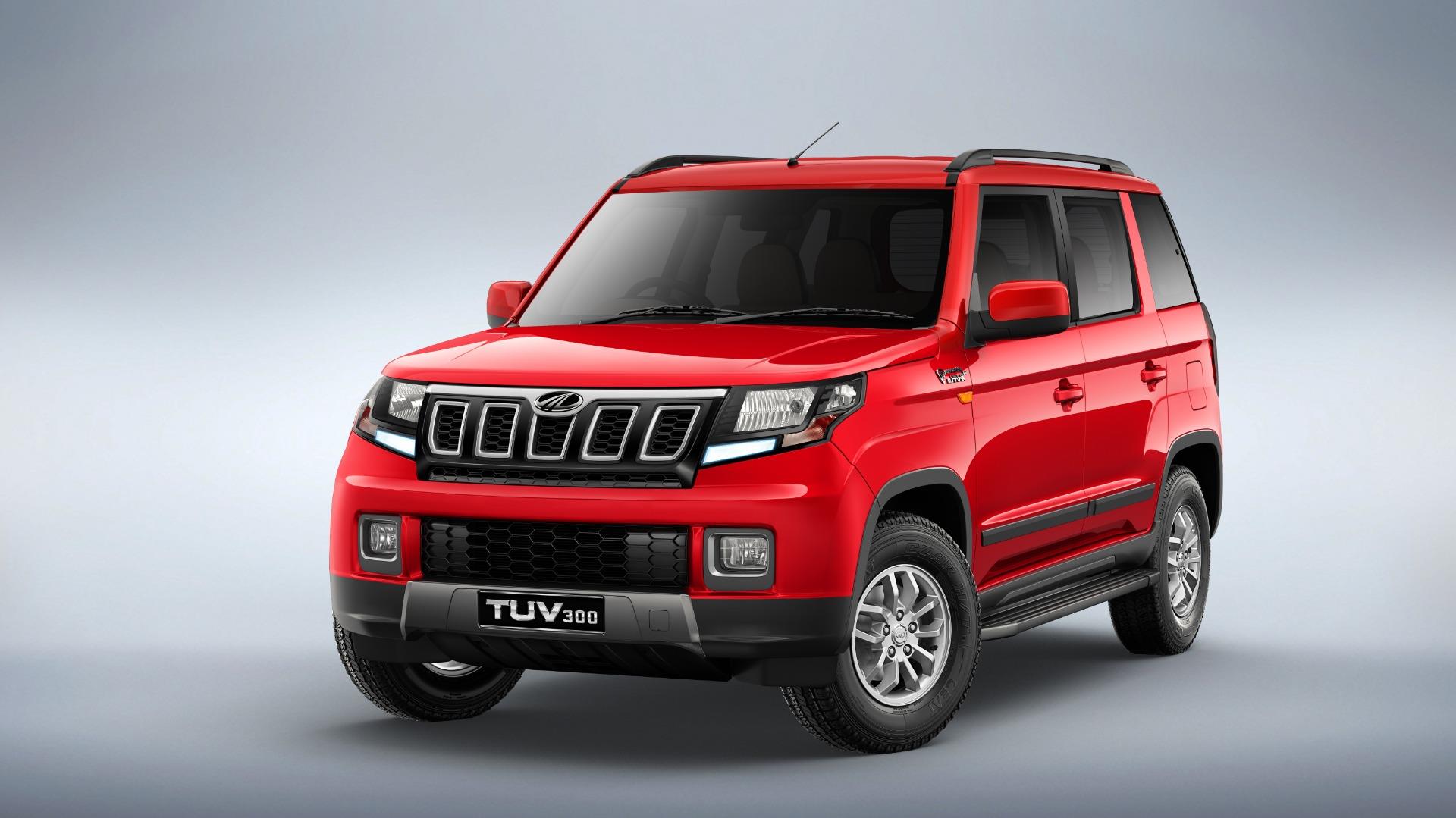
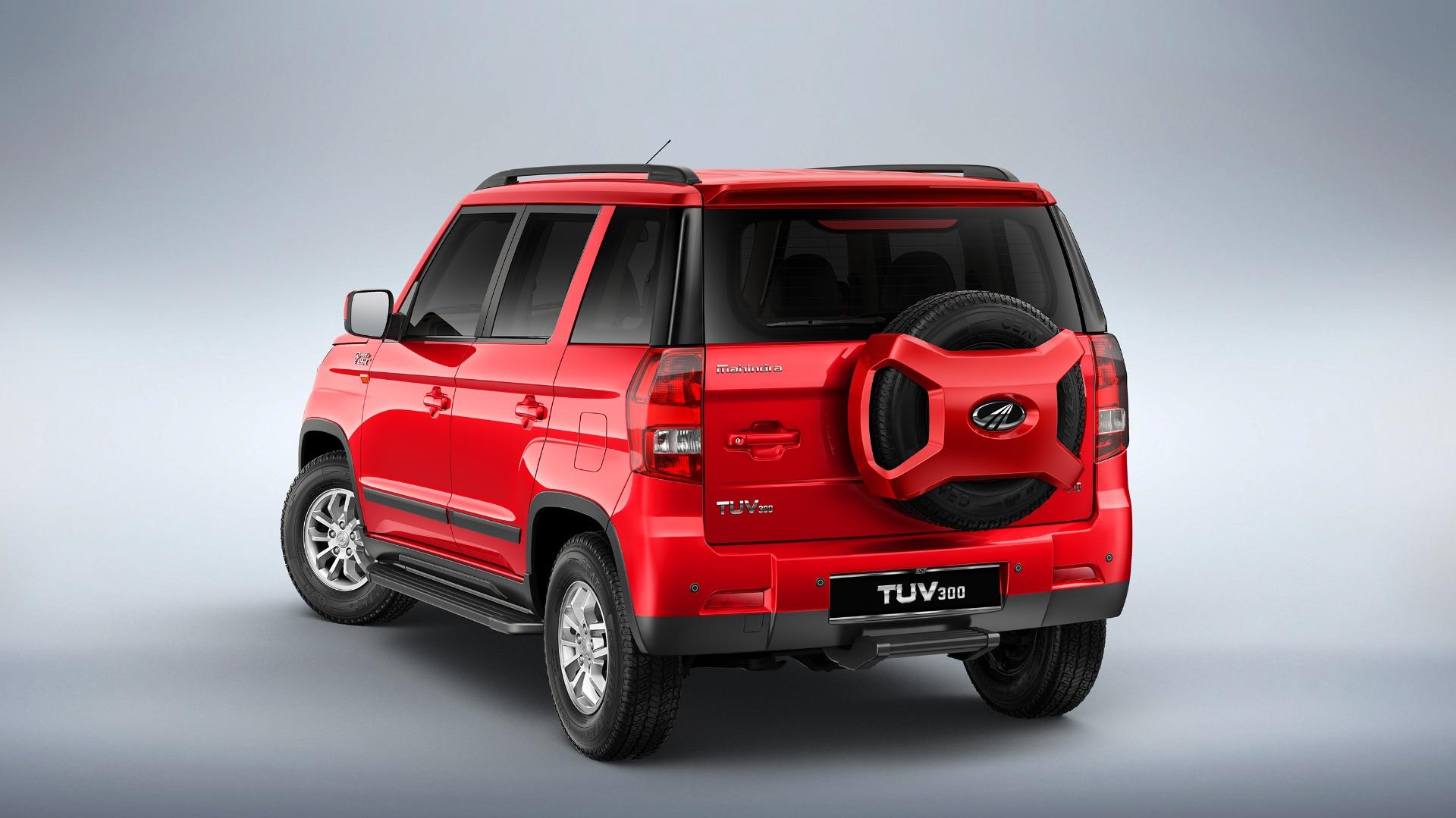
Mahindra TUV300 1.5CRDe T8(R254 999)
The Mahindra TUV300 is an often-overlooked oddball SUV from the Indian marque. Sporting seven seats, an attractive list price and a recently updated interior and exterior, the TUV300 may be a good SUV proposition for the right buyer.
The diesel motor in the TUV displaces 1.5-litres and produces a modest 74kW and 240Nm of torque and is paired with a 5-speed manual gearbox sending power to the rear wheels. Performance figures are not of much consequence for these contenders and will therefore not be provided in this instance.
JMC Landwind 5 2.0T Flagship (R249 995)
The JMC Landwind has been around locally for over half a decade now, offering a value-filled product from a lesser-known manufacturer that makes use of a variety of parts sourced from established manufacturers. Its 2.0-litre engine, for example, is a Mitsubishi 4G63 design, with a Borg Warner turbocharger and its 8-speed automatic gearbox is from Shengrui Transmission Co, to name a few suppliers. The engine produces 140kW and 250Nm of torque, making the Landwind the best bang for your buck in this test.
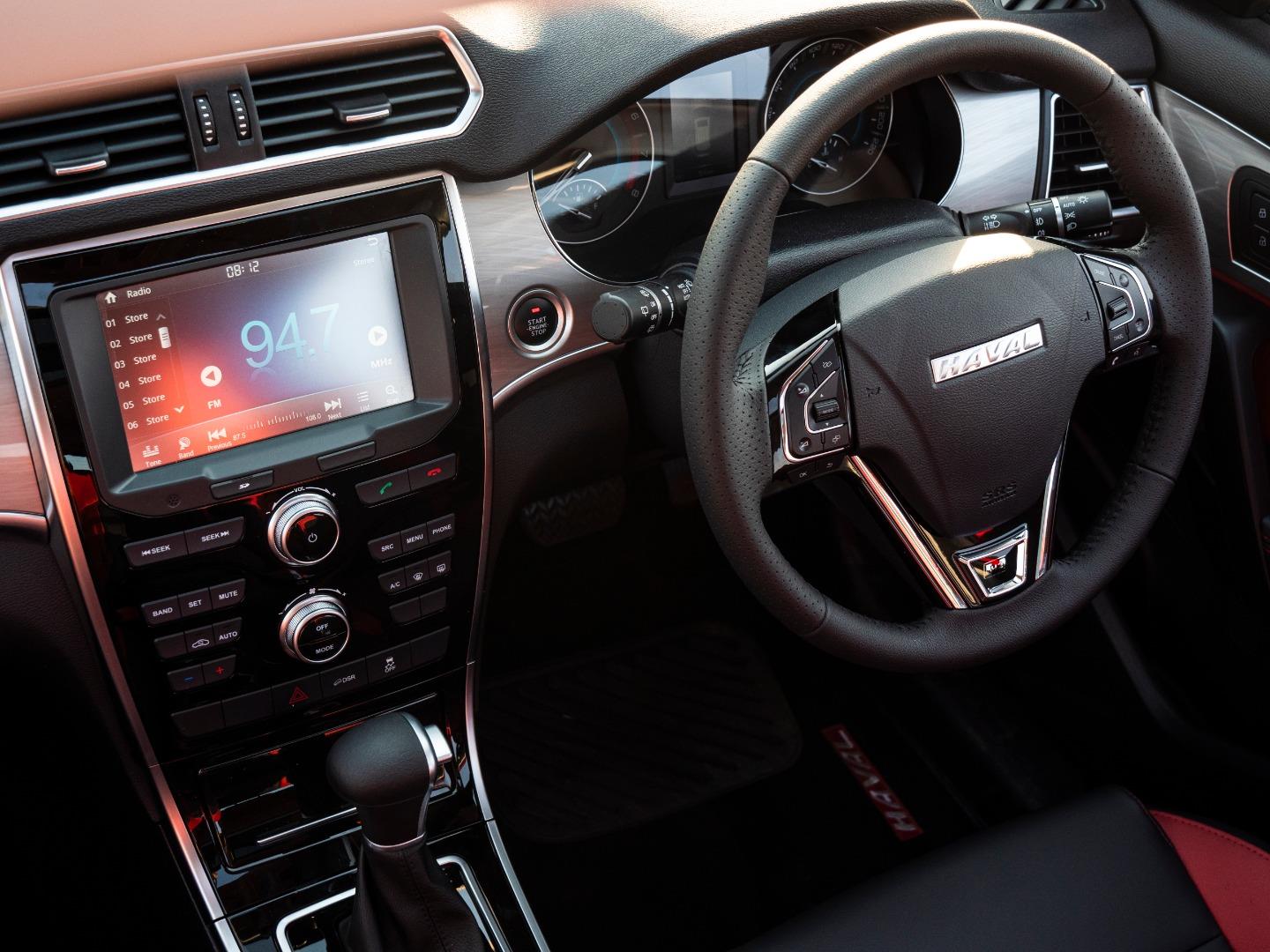
Haval H2 1.5T City(R294 900)
The H2 has been a phenomenal success for the Haval brand locally, cementing GWM’s SUV division within the minds of local consumers. As a compact SUV, the H2 provides seating for five occupants, a lot of standard specification and a large dealer network. Powering the H2 is a 1.5-litre turbocharged four-cylinder engine that produces 105kW and 202Nm of torque which is paired with a 6-speed manual gearbox sending power to the front wheels.

Which one has the lowest running costs?
Purchase price and depreciation
All three of these products are likely to suffer from a depreciation, as with most cars, however, the more established Haval is likely to retain its value better as there is more demand for used H2 models. Both the Landwind and the TUV300 are not common sights on the road, meaning that they will lose a greater percentage of their value in the used market due to a lack of demand.
Looking at the initial purchase price, the Landwind it’s the cheapest model here by R5 000 when compared to the Mahindra and R45 000 when compared with the Haval. The lower list prices of the TUV300 and Landwind may negate the superior residual values of the Haval, meaning that there is likely not much difference between the three in this category.
Instalment calculator
We have calculated the monthly repayments on each of these vehicles for those that choose to finance.
*Calculated according to the AutoTrader Car Finance Calculator, with a 72-month finance agreement, 10% interest rate, 10% deposit, and no residual value. All prices listed in this article were accurate at the time of writing but may change without prior notice. Prices include carbon tax and VAT but exclude optional extras and dealer charges.
Mahindra TUV300 1.5CRDe T8
List price: R254 999
Instalment: R 4 251.68/month
JMC Landwind 5 2.0T Flagship
List price: R249 995
Instalment: R 4 168.24/month
Haval H2 1.5T City
List Price: R294 900
Instalment: R 4 916.94/month

Fuel efficiency
Comparing the claimed fuel consumption of products is never the most accurate way of doing things, however, it is the only data that we have for the contenders at present. The Mahindra is by far the most efficient product, on paper at least, consuming diesel at a rate of 5.4 L/100km, followed by the Haval which has a claimed figure of 8.2 L/100km, leaving the Landwind, with a figure of 8.5L/100km.
Warranties and maintenance plans
The warranties of both the Mahindra and the Landwind span 3-years/100 000km while the Haval gets a 5-year/100 000km warranty. The Landwind gets the best service plan here, with a 5-year/100 000km plan, followed by the Mahindra and Haval with 3-year/90 000km and 5-year/60 000 plans respectively.
Insurance
The insurance costs are of course risk profile dependent, meaning that it is impossible to determine an exact amount. All three cars are considered low risk as they are not listed among the frequently stolen or targeted vehicles within the available crime data. From a parts supply perspective, it is highly probable that both Haval and Mahindra, with their drastically larger local footprint, will be able to supply parts more readily and at a lower cost than JMC.
Tyre replacement
Tyres are a big consideration in the running costs of a vehicle The Mahindra has the smallest tyres in this comparison, at 215/75 R15, which cost less than R8 000 for a set. The Landwind comes with 225/65 R17 tyres which are only marginally more expensive than the Mahindra, at approximately R9 000 for a set. The Haval has the largest tyres, measuring 235/55 R18 which cost approximately R12 000 for a set.

Verdict
Having looked over the figures and considered all the categories that make up the running costs of a vehicle throughout the first few years of its life cycle, it becomes clear that the Haval will be the costliest to maintain during that period by its initial list price, its more expensive tyres and its second-best service plan and fuel consumption.
That leaves the Landwind and the Mahindra, and the conclusion is not as simple as it appears. Mahindra has some 56 dealer locations throughout South Africa while JMC has just 22, and in the case of the latter, some provinces just one of two dealers per province, meaning inconvenience and travel costs for a potential owner. That leads us to the conclusion that even though the Landwind and Mahindra will be relatively close in terms of running costs, the Mahindra is where the smart money would go.