
Lexus ES 300h EX running costs vs BMW 520d vs Mercedes-Benz E200
Comparing the projected running costs of a Lexus ES 300 EX with a BMW 520d and a Mercedes-Benz E200 makes for interesting reading. They are similar in many ways, although not in performance.


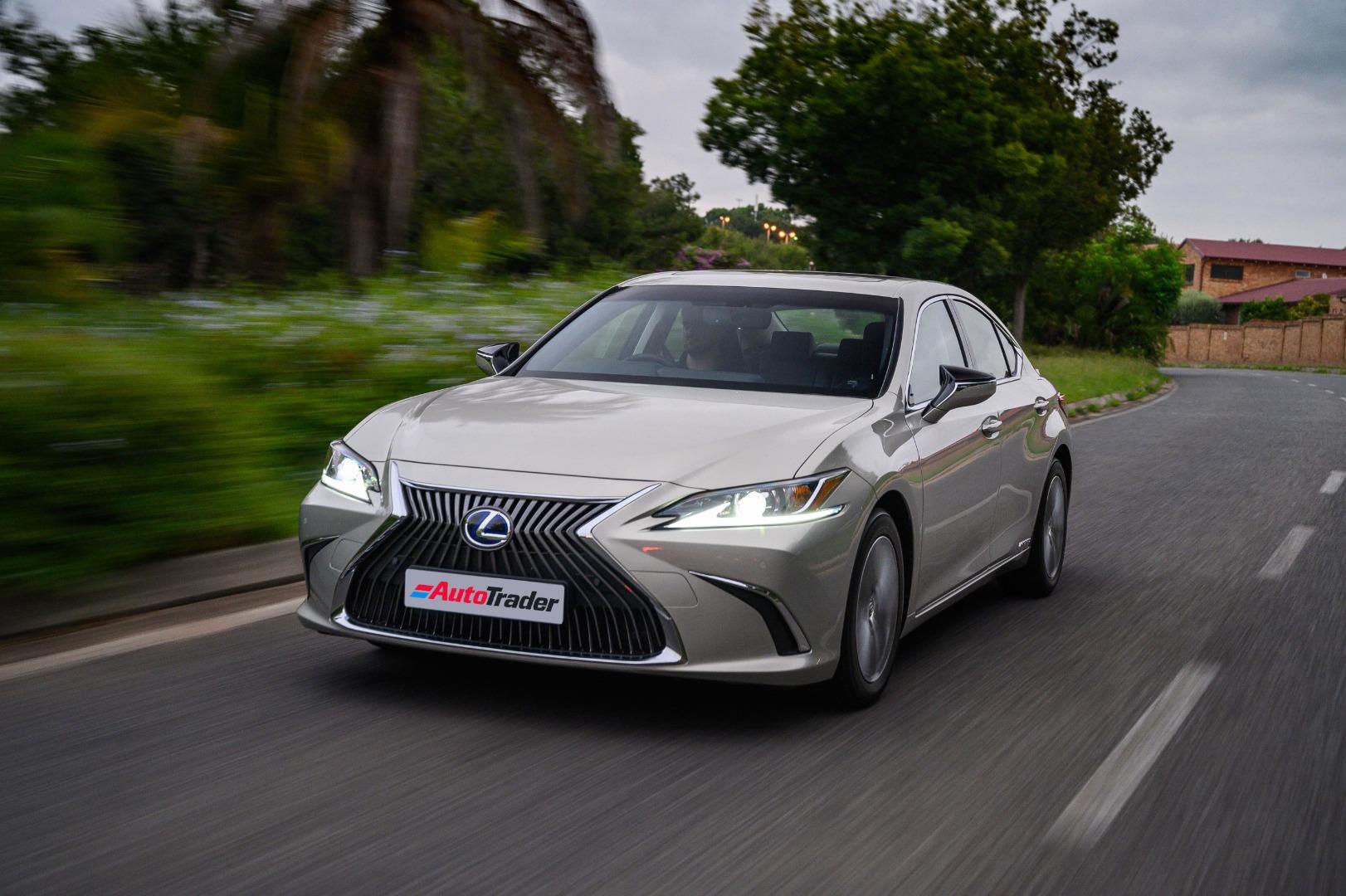
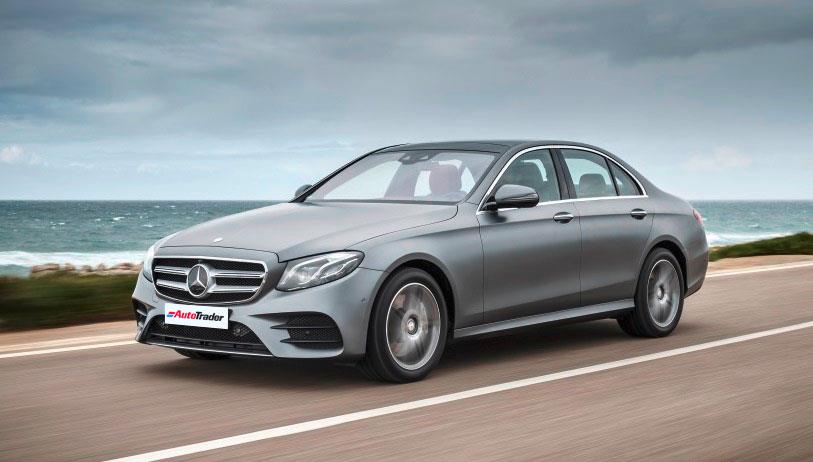
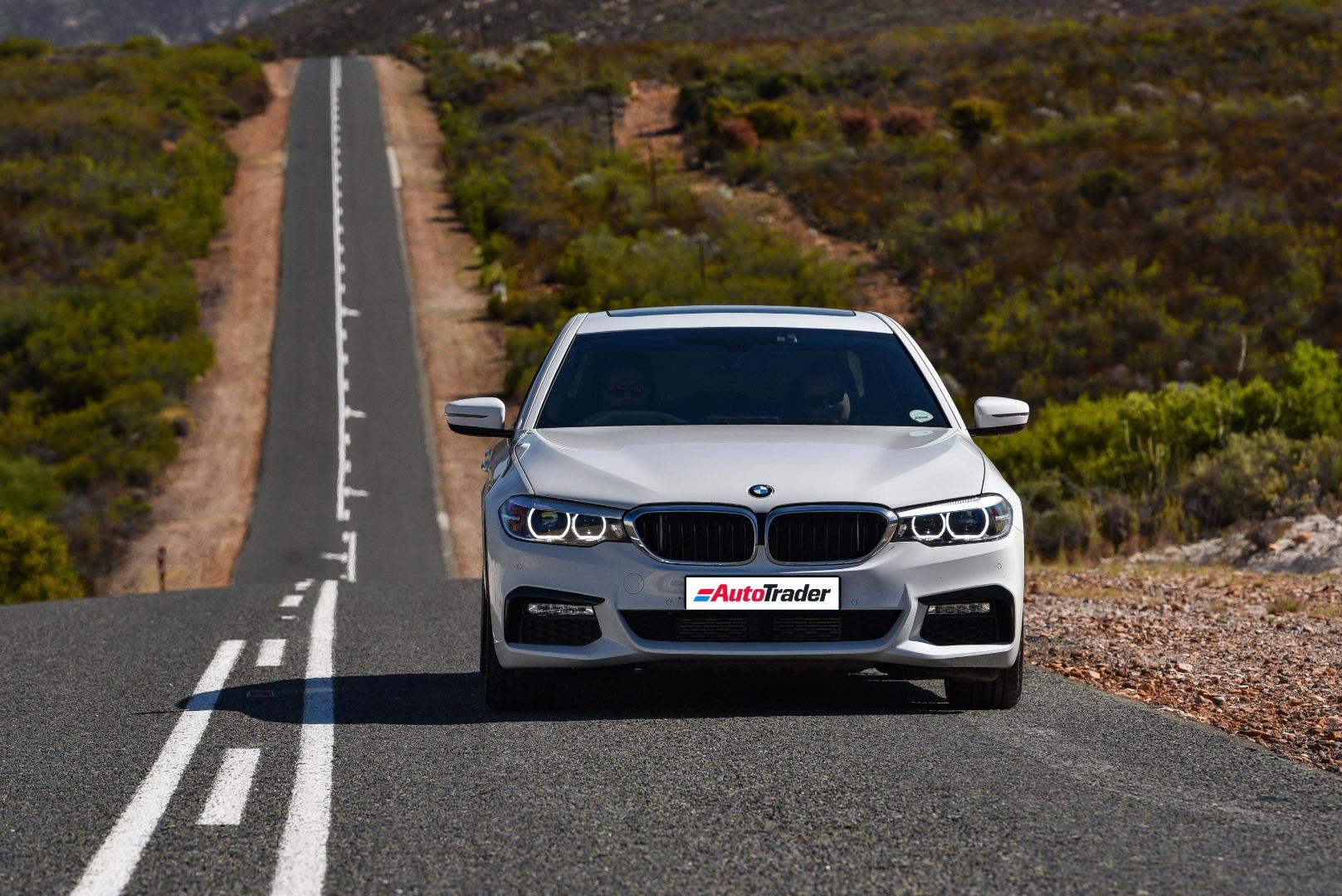
The Lexus ES range recently received a newsworthy boost with the introduction of the new Lexus ES 300 EX. Previously the ES range consisted only of the entry level petrol model, the ES 250 EX, and the petrol-hybrid ES 300h SE, with a higher level of trim. So if you wanted the hybrid option, you had to opt for the extra equipment levels of the SE model at considerable extra cost.
The entry model ES 250 250 EX currently sells for R640 400, while the most luxurious ES 300hSE with hybrid drive sells for R910 900. This new ES 300h EX model effectively plugs the gap in the range, offering more basic trim with the advantages of the hybrid drive train, at R774 300.
Related: Launch Report: Lexus ES 300h EX - Steampunk goes pop
It’s a big car
As with previous versions of the Lexus, the current generation ES gives you a lot of car for your money. And we mean that in terms of sheer size as well as specification. The ES measures just a whisker under 5 metres in length, and has a wheel base of 2 870 mm, which means you get acres of rear legroom. It is also a very imposing car, thanks to a dramatic front end and a sleek shape that enjoys very much of a coupe-sedan- blend, although it is in fact a four-door sedan.
Related: How much are car repayments on a new BMW 520d M Sport?
Powertrain
The Lexus 300h EX uses the same hybrid powertrain as its more expensive 300h SE sibling. This means it employs a 2,5-litre four-cylinder petrol engine using the so-called Atkinson Cycle, which is a combustion technique profiled to produce reasonable power and torque with low emissions. Allied to this is an electric motor working with a variation of a constantly-variable transmission that drives the front wheels. The result is a total of 160 kW of power from the combined petrol and electric engines, and excellent economy.
The manufacturer’s claim for overall consumption is 4,6 litres/100 km Performance is moderate by large sedan standards, with 0-100 km/h at 8,9 seconds and top speed at 180 km/h.
Related: Lexus ES300h SE (Car Review)
Luxury equipment
The beauty of buying a Lexus is that all equipment is included in the list price, so you are not seduced into buying a host of options that can add between R100 000 and R150 000 to your premium-level sedan. The Lexus ES 300h EX does not come with leather seat upholstery, for example but imitation leather. It also has a smaller infotainment system than the much more costly SE model boasts. But a recent upgrade to the EX infotainment system offers full Apple CarPlay and Android Auto phone compatibility, as well as free wi-fi, using Lexus’s “Connect “ network.
Other luxury items include a standard-fit sunroof, reverse rear camera and LED lighting while safety is taken care of by a total of 10 airbags, as well as a number of electronic driver-assistance aids.
Lexus ES 300h EX competitors
Choosing natural competitors to the Lexus RS as far as running costs is concerned is saw us concentrating more on size than on performance. Size-wise, the Lexus ES has always competed with the BMW 5 Series and the Mercedes-Benz E-Class.
Cost-wise the two German ranges are not that compatible, but we chose the cheapest models in the BMW and Mercedes range. These are the BMW 520d at R845 306 and the Mercedes-Benz E200 at R781 769
Related: BMW 5 Series: Which is better, petrol or diesel?
Performance comparison
Lexus ES 300h EX BMW 520d Mercedes-Benz E200
0-100 km/h: 8,9 seconds 7,5 seconds 7,5 seconds
Top speed: 180 km/h 235 km/h 240 km/h
Running costs comparison
Price: R774 300 R845 306 R781 769
Fuel consumption: 4,6 litres/100 km 4,8 litres/100 km 6,5 litres/100 km
Tyre size 215/55 R17 225/55 R17 215/55 R17
Maintenance plan: 7-years/105 000 km 5-years/100 000 km 5 years/100 000 km
Related: How much is your used Mercedes-Benz E-Class worth?
Running costs winner
The Lexus ES 300 EX is the running costs winner, for a number of reasons. It has the lowest fuel consumption, beating the BMW marginally, but easily ahead of the Mercedes on this score. Tyre size can be an important cost factor when it to comes to replacement, and the Lexus has marginally smaller, hence cheaper, tyres.
Cars in this price bracket generally come with maintenance plans, which takes the cost of servicing out of the equation. Here the Lexus’s 7-year/105 000 km maintenance plan easily outguns the 5-year/100 000 km maintenance plans of the Merc and the BMW.
And don’t forget the list price factor
And lastly but perhaps most importantly, there is the mater of selling price. The Lexus has the least-expensive list price, shading the Mercedes by just R7 400, but easily beating the BMW by some R71 000. You can buy an awful lot of fuel and carry out lots of repair work for R70 000!
Overall we think the Lexus ES 300h EX is the best choice here, if running costs form a big part of your consideration. And if you are planning on keeping your car until it is out of warranty and maintenance plan, then go with the Lexus too. Out of this trio, they have by far the best long-term reliability record.
Recommended next:
Is the Lexus IS good for families? Here’s our verdict.
What is covered under Lexus ES 250EX manufacturer car warranty?