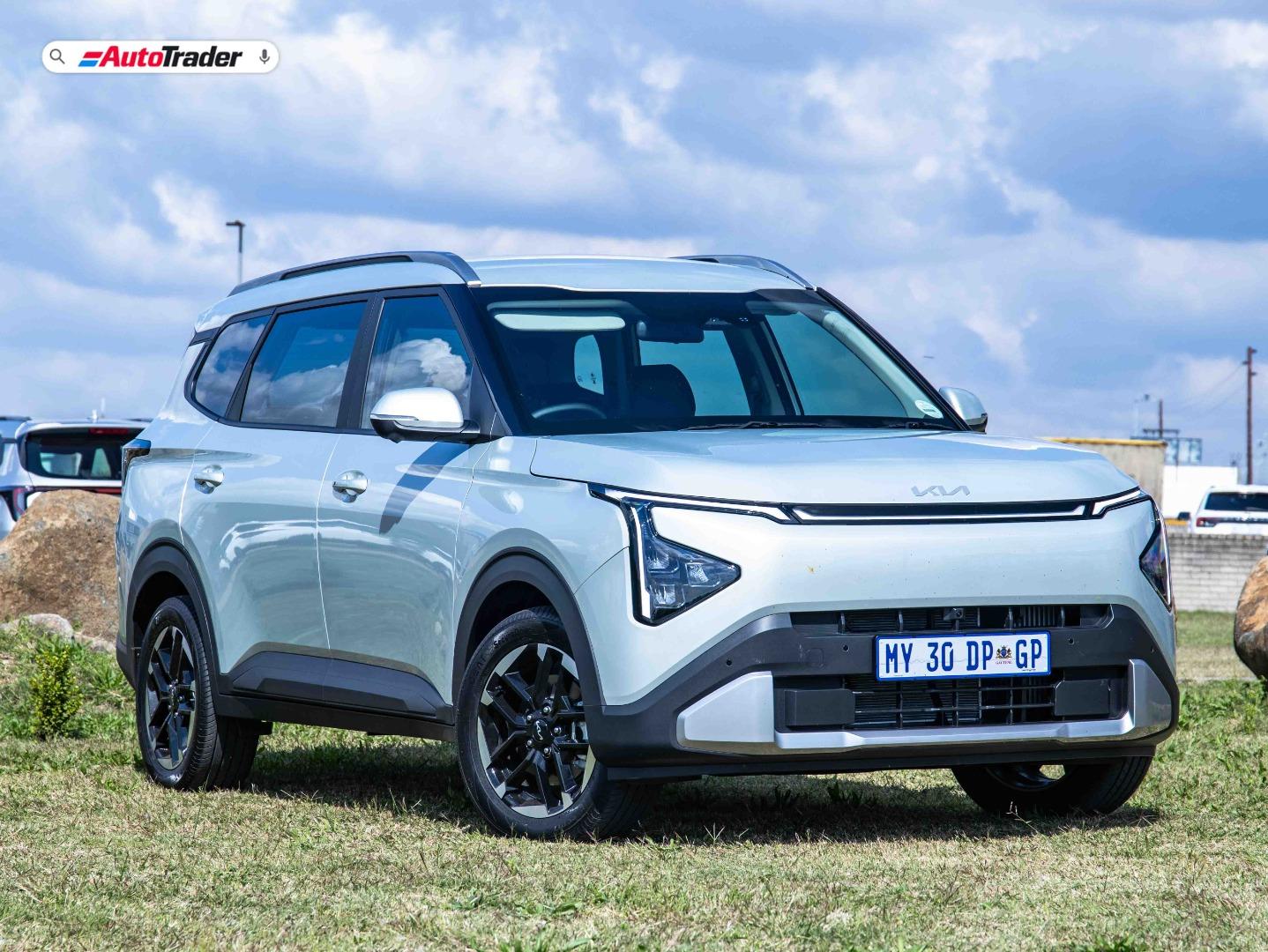
Kia has relaunched a familiar nameplate for the South African market, the Carens. The last time we saw this vehicle was in its second generation, after which it quietly left our market. Now in its fourth generation, the Carens we receive is built in India and fills the gap between the Seltos and Sportage as the 7-seater people mover option until you transition into Kia's premium offerings. The Carens is the second vehicle to launch in Kia's 2026 rollout and serves customers who need a versatile family vehicle. Versatile, the Carens is indeed. Interestingly, for this range, the fuel of choice is diesel, which is on the rarer end of the R400 000-R600 000 range for passenger cars. For this first drive impression, we drove the top-spec SX variant, so our impression will be based on this.
Related: Kia Tasman: at least it has a lovely personality...

Styling
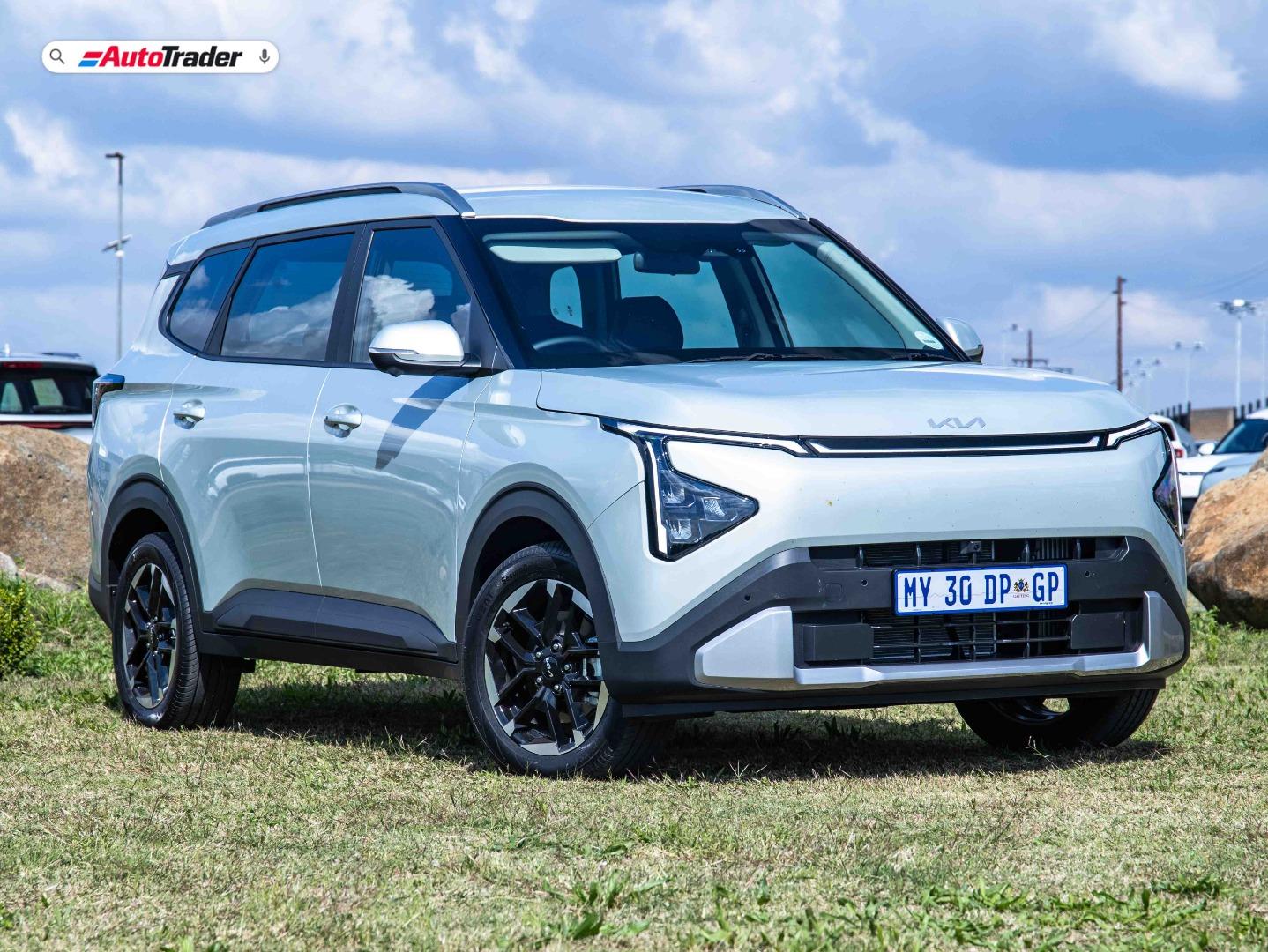
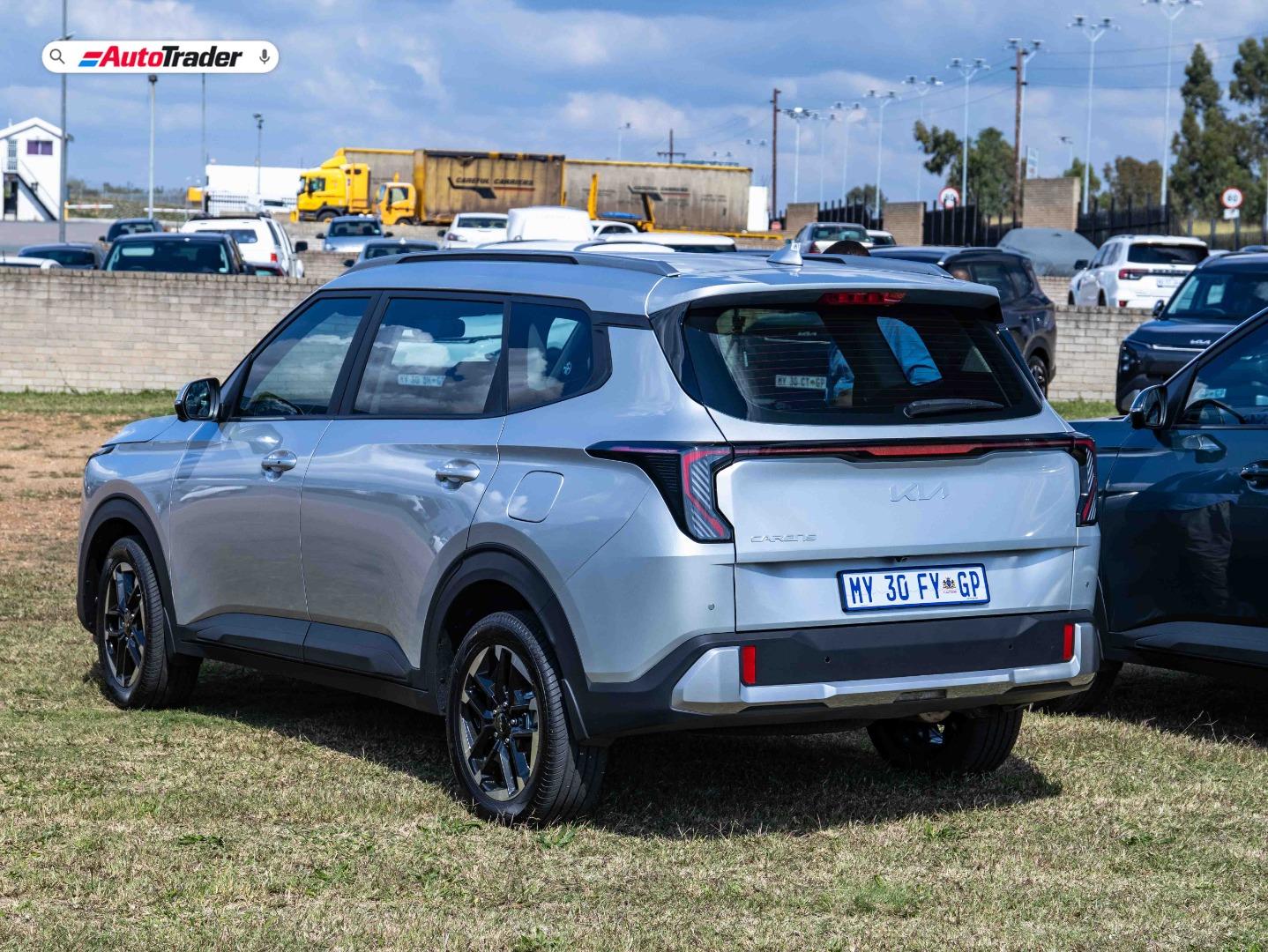
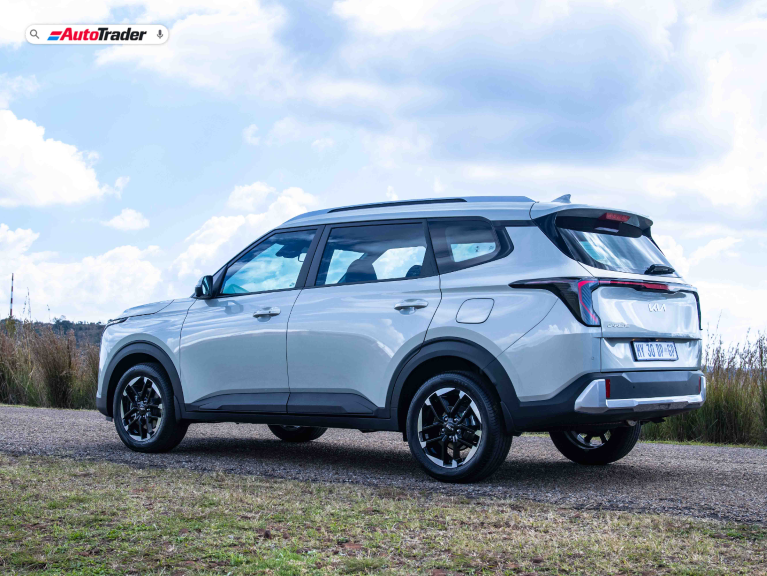
An evolution of Kia's Tiger Nose front end is evident here. The Carens is more reserved than Kia's wilder designs and falls closer to the brand's EV styling. Where the lighting clusters stand out more than massive air dams. The standouts are the Star Map lighting signature, the floating roof, shoulder contours that blend into the lighting clusters, and the verticality within those clusters, too. The colour swatches on offer are more on the Earthy end, with a mix of greys and sandy tones, and a metallic finish. One could argue this does appear to be a crossover of an MPV and SUV, and the telltale signs are there, but hey, the Carens is pretty well, we'll say.

Interior and Space
I like what Kia is doing with their interiors as of late. They look and feel premium, plus they pay attention to ergonomics. Speaking of ergonomics, one interesting feature I found in the Carens was the control panel with rotary knobs, which, at a touch, let you switch between air-conditioning and radio controls, all neatly laid out. Dual-zone climate control would've been a winner in the top-spec variant, though. Above this is a 12-inch infotainment touchscreen, and sat right next to it is the 12-inch digital instrument cluster, all within a black slab. The system is pleasant to operate, and we had a Bose sound system to play around with as well.
I understand using harder materials in some key areas, like the harder leatherette seats, since families tend to be destructive to cars, but the Carens doesn't feel cheap; it feels well-appointed.
The cabin design is clean, though I'd do without the lighter-coloured materials, particularly on the steering wheel and other high-touch areas, as they tend to get grubby quickly. Spacewise, the utilisation of it all is very good. In all three seat rows, the headroom is proper. Regarding legroom, the second row is good, and the third row is adequate for average-sized adults. The seating arrangements, should you choose to prioritise space, are also good, and it's easy to rearrange the seats.

Powertrain
As mentioned earlier, it's interesting to see a diesel powerplant in a passenger car at this price range. The current trend is turbo petrol power and hybrid assistance to boot. The Carens uses a 1.5-litre turbodiesel 4-cylinder unit, the same one as Kia's sister company's Alcazar. In here, though, the diesel mill makes 85 kW / 250 Nm, and that's all sent to the front wheels. In the entry-level LS variant, a 6-speed manual is available, while the rest of the range uses a 6-speed torque-converter automatic. Claimed fuel consumption is rated at 5.3L/100km
Kia South Africa has acknowledged that there are turbo-petrol engine variants overseas, but the diesel powerplant makes sense for our market and the space the Carens falls into locally. However, should demand call for it, they could become available shortly.
The Drive
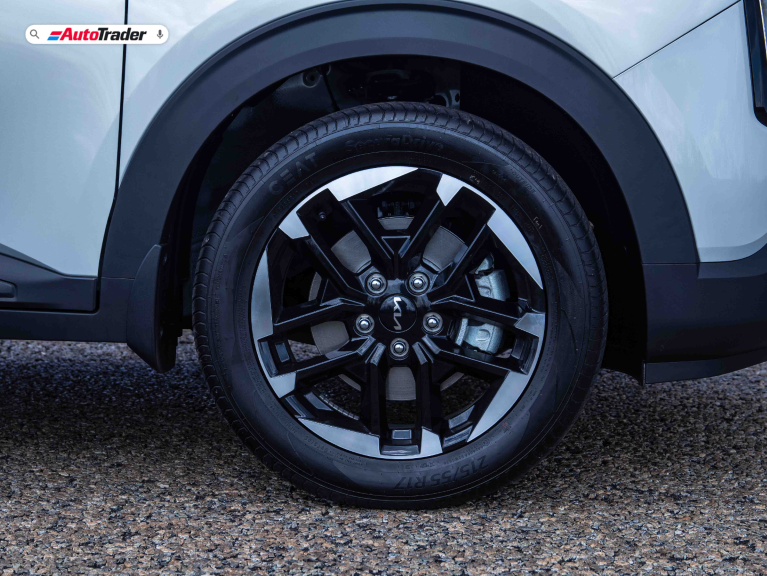
To sum up Caren's drive in a word: Pleasant. The diesel powerplant is up to the task, delivering effortless power that will not shock your passengers or make them think you're a jerky driver. The gearbox is seamless and wonderfully calibrated. Regarding handling, yes, the Carens does noticeably roll a bit, but it's not a sports car, so I don't expect the sharpest handling. The steering feel is nicely weighted and feels connected to the wheels, rather than being a suggestion. The ride quality feels good as well, with a nice balance between not being oversprung and decently dampened. The only noticeable thing I found on the Carens was the hardness of the tyre compound, which led to coarse road resonance permeating the cabin. This could be attributed to higher tyre pressures, but I've also found the CEAT Securadrive tyres to be on the harder side on other vehicles.

Notable Safety
Global NCAP:
Adult: ★★★
Child: ★★★★★
- 6 airbags
- Park Distance Warning
- Blind Spot Collision Avoidance
- ADAS
- Surround View Monitor
Pricing
| Model | Price |
| Kia Carens 1.5D LS | from R399 995 |
| Kia Carens 1.5D LX | from R459 995 |
| Kia Carens 1.5D EX | from R499 995 |
| Kia Carens 1.5D SX | from R599 995 |
The Carens purchase price includes a 3-year/45 000km service plan and a 5-year /Unlimited km warranty and roadside assistance.
*Pricing stated here was correct when publishing and is subject to change without prior notice.

Competitors
- Lepas L4
- Suzuki Across
- Chery Tiggo7
- Hyundai Alcazar

The Verdict
The Carens is a modest offering, and when you look at its competitors across its line-up, it makes a good argument for itself. Kia still believes the diesel engine has a place in the world, and given the Carens' purpose, it makes sense to have it. It's one car that can compete against the brutal Chinese offerings available at the moment. The Kia rollout for 2026 is looking good so far.