Is the BMW 2 Series Active Tourer Front Wheel Drive?
The BMW 2 Series Active Tourer blew onto the market in 2014 to mixed reviews. The loyal BMW enthusiasts were not sold on the idea of a compact MPV. Find out whether the BMW 2 Series Active Tourer is front-wheel drive and what difference the drive wheels make to the driving experience.


Cars, for many, are a means to an end. A solution to their transport needs. The mechanical side of things is often not front of mind or even a concern for the vast majority of consumers. They know that the vehicle needs fuel and that's about it. That's ok, not everyone is mechanically inclined, and it takes all sorts to make the world work. Reading brochures and reviews on cars will bombard you with technical terms and jargon that is sometimes hard to decipher.
Related: The best deals on used BMW 2 Series Active Tourer models, currently on AutoTrader
One of the pieces of information you will receive when browsing for cars and doing your research is the mechanical drive. You will see terms like rear-wheel-drive (RWD), front-wheel-drive (FWD), all-wheel-drive (AWD) and possibly even 4x4. To see what all of this means to you as the consumer, see below.

Driven wheels
You should know that a car has an engine. This is the unit that creates the power require to put the vehicle in motion but an engine alone is not able to propel a car forward. A system called a drivetrain (of which the engine is one part of) is used to transfer the power from the engine to the wheels. A drivetrain consists of numerous parts including the gearbox.
The drivetrain transfers the power to some of the wheels (and sometime all of them). Most cars on the road are front-wheel-drive; this implies that the power that the engine creates is sent to the front wheels so that the car can move under its own power. Race cars generally employ a rear-wheel-drive configuration where the power is sent to the back wheels. This is the more expensive way of building a car as more machinery is needed to send the power from the front where the engine is to the back wheels. It's more cost effective to send the power to the wheels closest to the engine, those being the front wheels.

Pros and cons
You're more than welcome to kop over this part because this is where it gets a little geeky. Both front- and rear-wheel-drive vehicles have their pros and cons. We've already mentioned that RWD vehicles are more expensive to manufacture but they also make instances of control loss more difficult to control. Applying too much power to the rear wheels or even just low traction scenarios may see the rear wheels break traction and lose grip. This results in oversteer; a desirable condition for racing drivers but it is difficult to control and requires fast reflexes, something that the average commuter isn't prepared for. Oversteer is when the steering angle of the steering wheel is less than the steering attitude of the car, ie: the car is turning more than what the driver is steering.

Inversely, front-wheel-drive cars are less prone to oversteer. They do, however, suffer from understeer, a condition where the steering input on the steering wheel is greater than the steering attitude of the car, ie: the car is turning less than what the driver is steering. This comes as a result of a loss of grip on the front wheels.
The front wheels are responsible for the steering of the car. The grip that the have on the road is used to change the direction of the car. Sending power to these same wheels results in too much being asked of the front tyres and a loss of traction can occur. It's for this reason that we have traction control system that will pick up when the front wheels lose traction and reduce the engine power to bring things back under control.

Understeer is easier for the average driver to control. The car, for the most part, continues to face in the correct direction and all that is required to correct an understeer situation is to reduce power and reduce steering input. Far easier than countersteering at the right time.

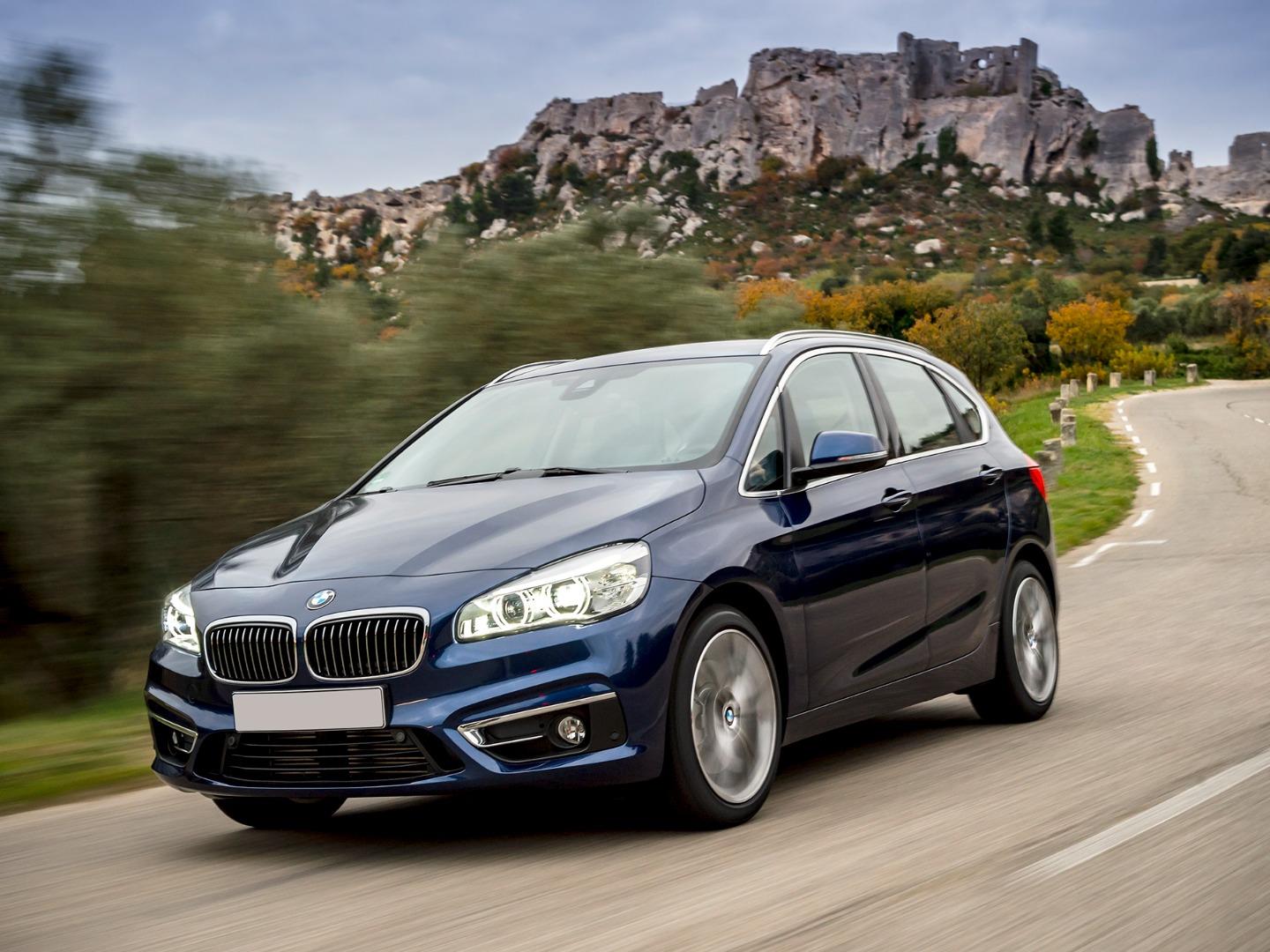
The BMW 2 Series Active Tourer
The BMW 2 Series Active Tourer is a rather special vehicle in BMW's history. It came into existence to compete with the Mercedes-Benz B-Class, a 5-seater compact MPV. It was designed to use the UKL2 platform, a platform best known in the MINI Countryman. This makes the 2 Series Active Tourer the first modern BMW to be designed as a front-wheel drive.
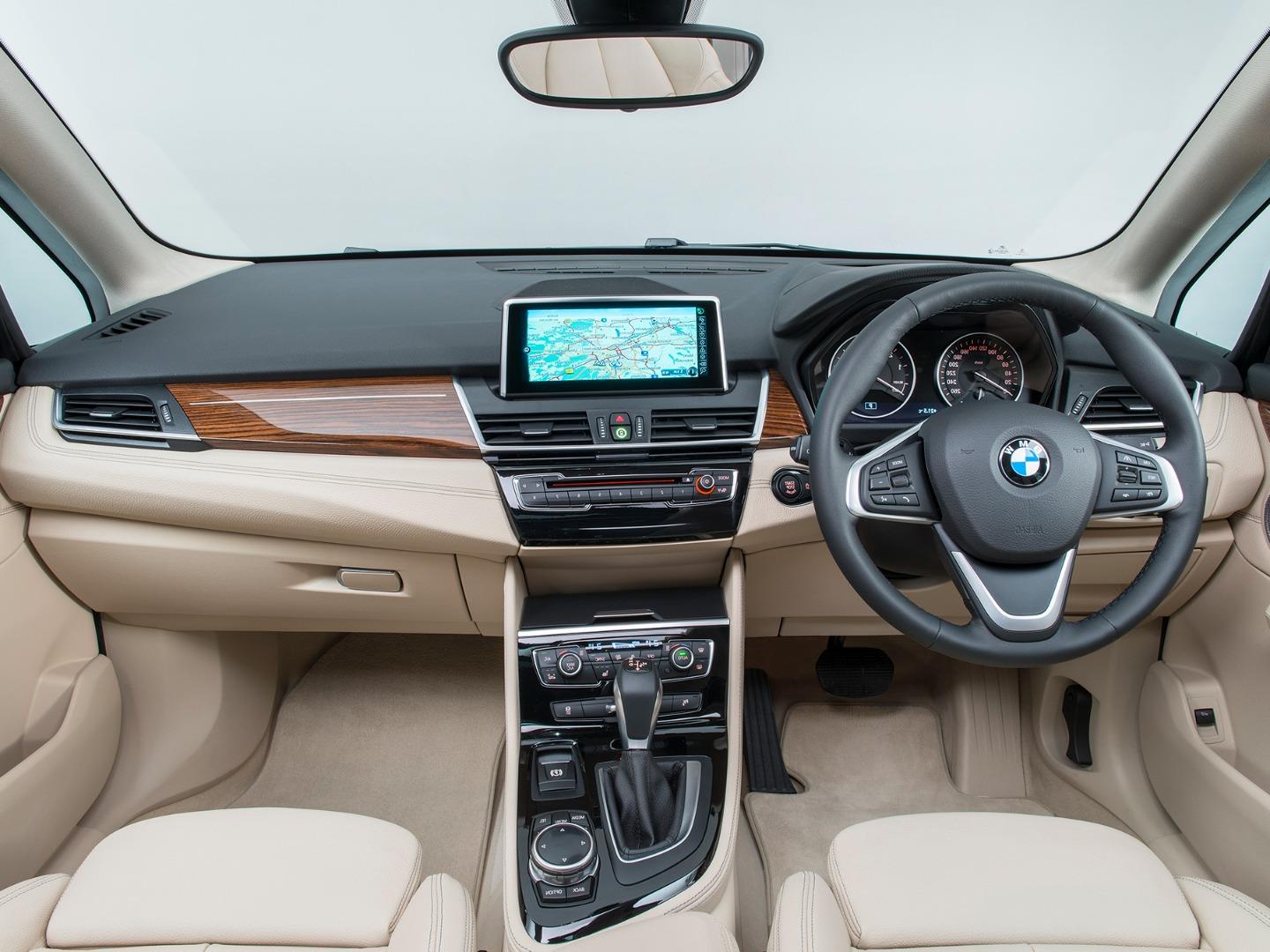
This design approach allowed BMW to free up some space in the interior, space that is better used by the occupants rather than by the drivetrain required to create a rear-wheel-drive offering. While initially fans of the brand were understandably upset at the decision, as BMWs had, for the longest time, been rear-wheel drive or all-wheel-drive. They felt this was a dilution of the BMW DNA and as such lost the unique selling point (USP) that BMW was renown for.
While available overseas in xDrive format (all-wheel-drive), South Africa only received the FWD versions.