BMW is well known amongst enthusiasts for its historic and present presence in motorsport as well as the resulting sports cars that become available for the public. However, products from the German automaker feature in a wide variety of vehicle segments, from hatchbacks all the way up to large and luxurious SUVs.
In this article, we will look at a few models within the BMW product line-up within the vast segments it is represented to find out if the Bavarian marque indeed makes good cars for families.

Hatch
A popular contender amongst premium hatchbacks is the BMW 1 Series of which customers can choose between no less than eight derivatives, at the time of writing this article. The entry-level 118i variant comes fitted with a 1.5-litre, turbocharged, 3-cylinder petrol engine coupled to a 7-speed automated dual-clutch transmission.
The result of this combination is 103 kW and 220 Nm of torque and a claimed average fuel consumption return of 5.9 L / 100 km. In terms of safety, occupants can expect six airbags, ABS brakes with electronic brake assist, traction and stability control systems as well as a hill-start assist system. As for space, the hatchback offers up five seats and 380-litres of boot space, which should be ample for a smaller family.

Sedan
The BMW product range still caters well for those who prefer a sedan as the line-up still include the 3 Series, 5 Series and the larger more luxurious 7 Series models. The most popular amongst the three and mostly due to its price is the 3 Series model. The base specification 318i gets a 2.0-litre, turbocharged, 4-cylinder petrol engine mated to an 8-speed automatic transmission.
This combination results in 115 kW and 250 Nm of torque and a claimed average fuel consumption figure of 6.3 L / 100 km. As for space and comfort, the model offers 480-litres of luggage space as well as a cabin that should comfortably accommodate five occupants. Those occupants are kept safe by no less than six airbags as well as ABS brakes with electronic brake assist, traction and stability control systems and a hill-start assist system.

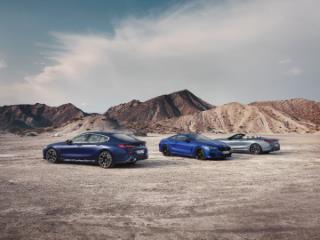
Gran Coupe
BMW Gran Coupe models, like the sedans, come in varying sizes ranging from the 2 Series to the 4 Series and 8 Series ranges. The 2 Series which is built on the 1 Series platform enters the market in a 218i configuration that offers customers a 1.5-litre, turbocharged, 3-cylinder petrol engine coupled to a 7-speed automated dual-clutch transmission that results in 103 kW and 220 Nm of torque.
Like with the 118i, the model claims an average fuel consumption return of 5.9 L / 100 km as well as standard safety equipment that includes six airbags, ABS brakes with electronic brake assist, traction and stability control systems and a hill-start assist system. In terms of space, the model is also capable of carrying five occupants, however, the sloping roofline might encroach on the headroom of taller rear passengers. The boot space is rated at an impressive 430-litre, almost as much as its larger 3 Series sibling.

Crossover
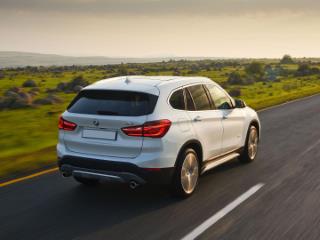
Due to the popularity of this vehicle segment, it is no surprise that BMW not only offers one but rather two crossover models to its customers. While both the entry-level variants of the X1 and X2 models offer identical performance figures of 103 kW and 220 Nm of torque from the 1.5-litre, turbocharged, 3-cylinder petrol engine mated to a 7-speed automated dual-clutch transmission, the X1 takes on a more SUV-like appearance while the X2 leans more towards an SAV design.
Due to the design, customers of the X2 sDrive18i M Sport can expect 470-litres of boot space, 35-litres less than the X1 sDrive18i xLine, however, both will comfortably allow five occupants. The X2 also fall short in the safety equipment department as it omits the hill-start assist functionality that is part of the X1's features list that includes six ABS brakes with electronic brake assist and traction and stability control systems.
SUV
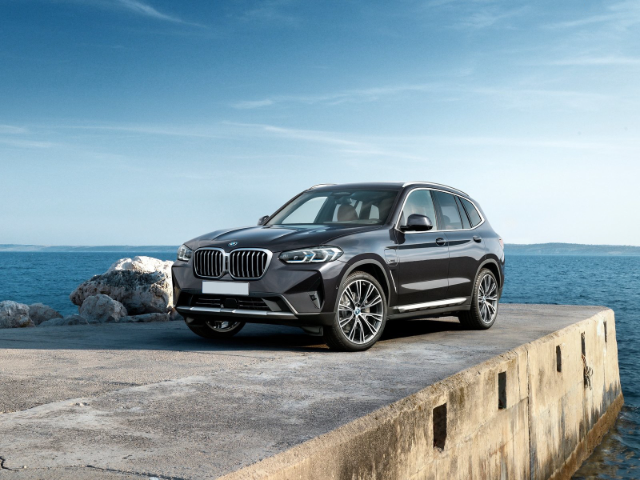
Should you require even more space and utility, BMW has a range of SUVs that will meet those requirements including the X3, X5 and X7 models. The locally built X3 range starts with the sDrive18d derivative which features a 2.0-litre, turbocharged, 4-cylinder diesel motor that sends 110 kW and 350 Nm of torque to the 8-speed automatic transmission.
Like with most of the models covered in this article, the X3 offer occupants six airbags, ABS brakes with electronic brake assist, traction and stability control systems as well as a hill-start assist system as standard safety equipment. While being able to accommodate five occupants comfortably, the X3 is still able to offer 550-litres of luggage space at the rear.

SAV
BMW SAV models retain much of the off-road capabilities as found in the SUV ranges but with a more coupe-like roofline design. At the time of writing this article, customers could choose between X4 and X6 SAV models should they prefer it over the SUV ranges. Both the models are capable of transporting five occupants but like with the Gran Coupe models, the sloping roofline might encroach on the headroom of taller rear passengers.x
At the far rear, the BMW X4 xDrive20d offer 525-litres of luggage space, just 25-litres less than its X3 sibling, however, provides 140 kW and 400 Nm of torque from its 2.0-litre, turbocharged, 4-cylinder diesel motor, slightly more than its stablemate. While the X4 xDrive20d provide the same six airbags, ABS brakes with electronic brake assist, stability control system and hill-start assist system as found in the X3 range, it does omit a traction control system from the list of standard safety equipment.
Electric Vehicle
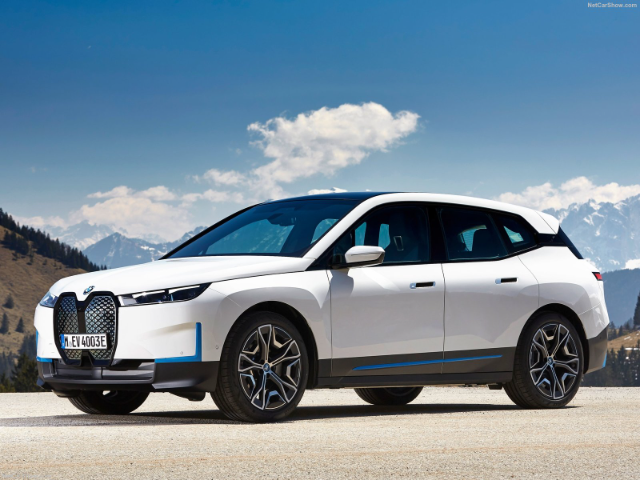
While BMW is promising a variety of new electric models to be introduced locally in the near future, at the time of writing this article, the Bavarian automaker had two available. The smaller of the two is the i3 range that offers driver 125 kW and 250 Nm of torque from its electric powertrain. The expected range per charge is around 260-310 km depending on external factors as well as whether all four seats and the 425-litre boot is occupied.
Like with most of the offerings covered above and the BMW iX xDrive40, the model offers its occupants no less than six airbags, ABS brakes with electronic brake assist, traction and stability control systems and a hill-start assist system as standard safety equipment. Its stablemate, the BMW iX xDrive40, however, does come with a lot more cabin space which should accommodate five occupants comfortably as well as a 500-litre boot.
In addition to the bolstered space, the iX also comes fitted with two electric motors that see the performance figures climb to 240 kW and 630 Nm of torque. The range is also significantly extended to between 372-425 km from a single charge depending on the driving habits, load and external factors.

Verdict
Although BMW offer models such as the Z4 which will lack the practicality needed for a family vehicle, it is quite obvious from the vehicles above, that the German automaker's range mostly meet the requirements for a family car. While model ranges such as the 1 Series and even 2 Series are better suited for younger and smaller families, most of the models in the Bavarian's arsenal will accommodate medium to larger families comfortably. That is why in our opinion, BMW is indeed good for families.