


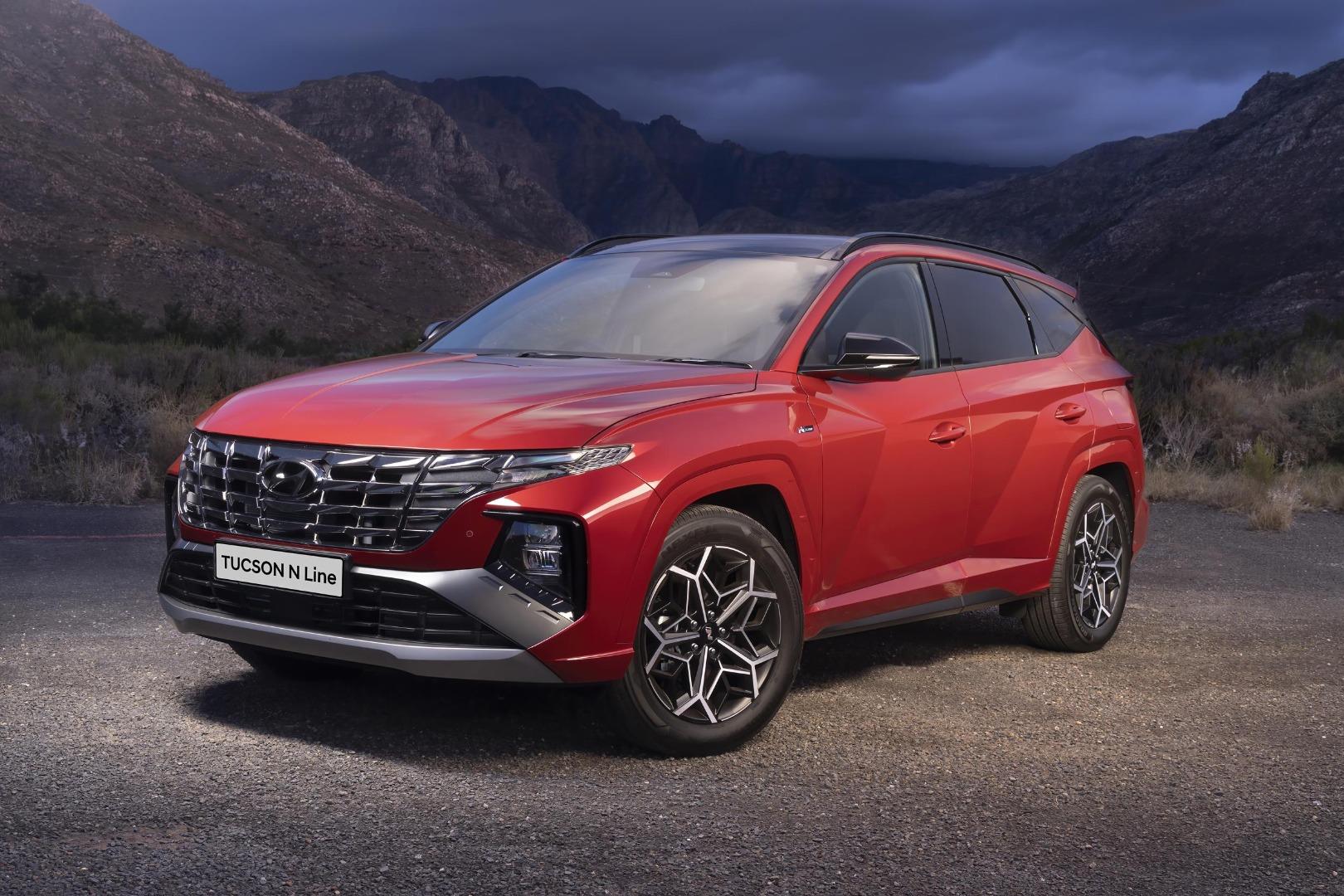
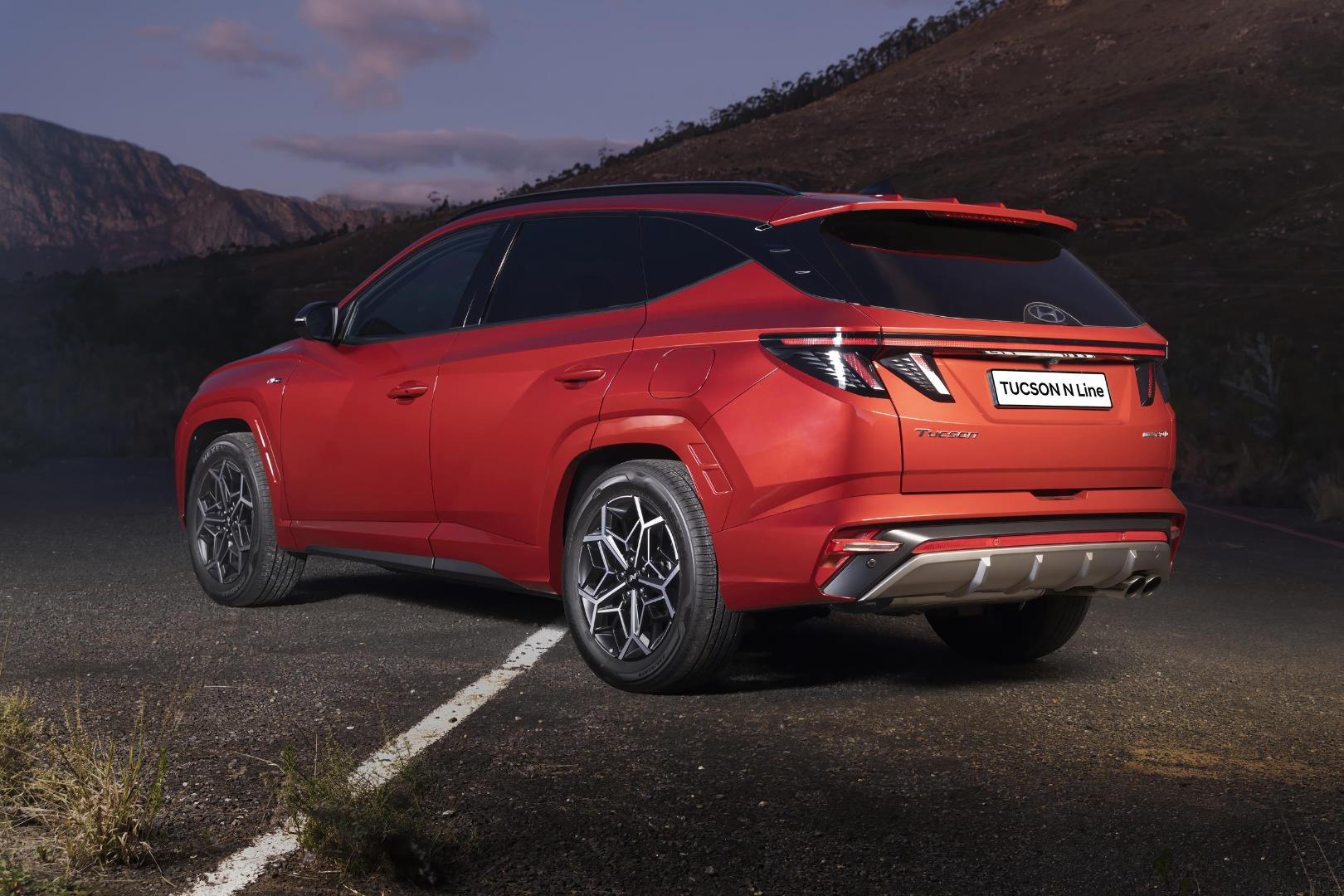
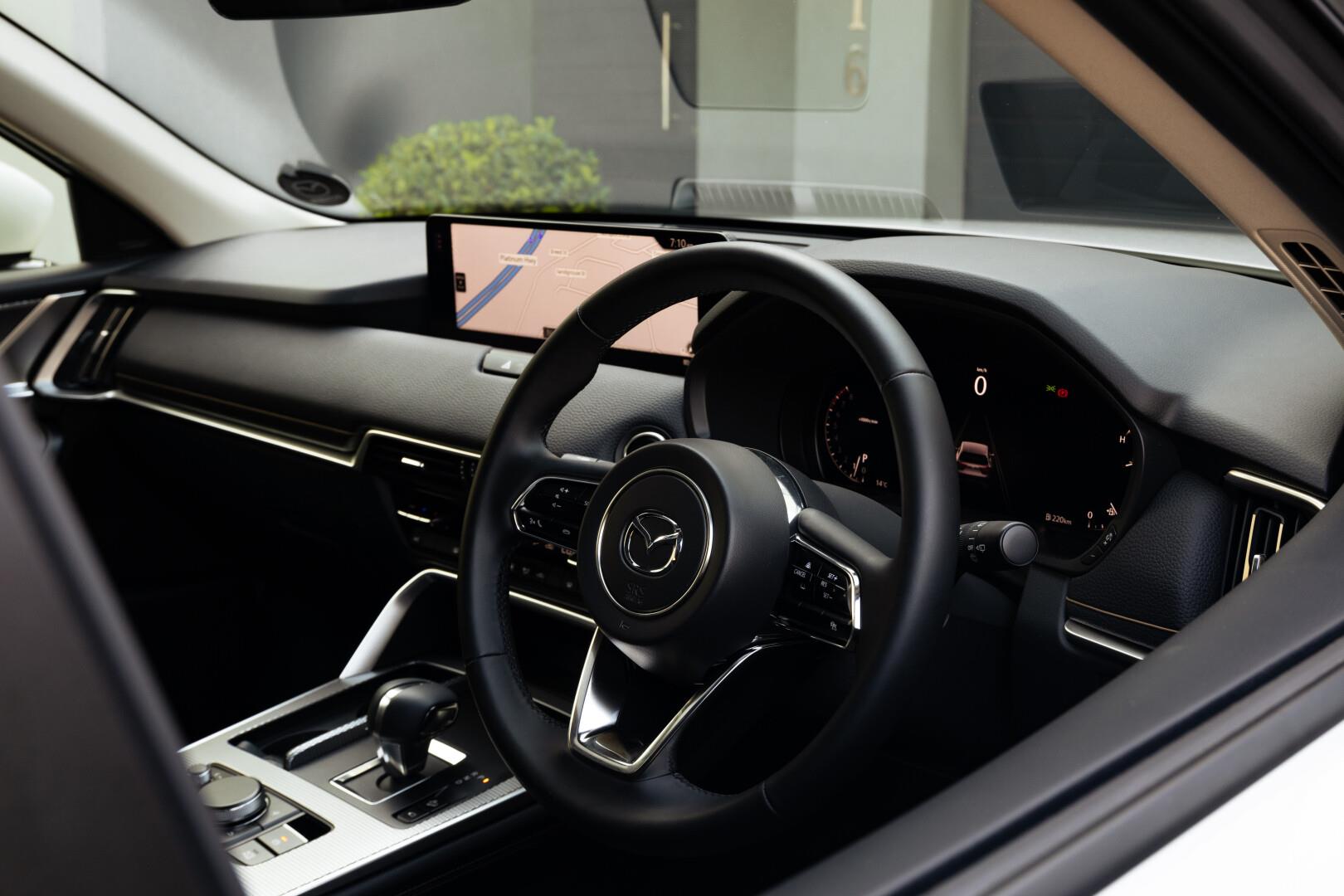
The Tuscon is Hyundai's most important model globally, and from a local perspective, the brand had made its diesel N-Line its halo within the range. Does this flagship Tucson have what it takes to take on the Kia Sportage and Mazda CX-60, and if so, which one would we choose among the three?
Related: Hyundai Tucson N Line colours and price guide
Hyundai Tucson N-Line 2.0D AWD N Line
Powertrain and performance
The N-Line is powered by a 2.0-litre turbodiesel engine paired with an 8-speed automatic. The engine produces 137kW and 416Nm that is sent through all four wheels. Fuel consumption is claimed to be 7.4 L/100km, and the 0-100km/h time is claimed to be 9.4 seconds.
Standard equipment
The Tucson, in N Line guise, gets 19-inch alloy wheels, climate control, lane keep/departure assist, blind spot monitor, adaptive cruise control, LED headlights/daytime running lights, rear-view camera, front and rear parking sensors, heated door mirrors, heated/ventilated and electrically operated front seats, a panoramic roof, partial cloth/leather seats, keyless entry/start, a colour touchscreen infotainment system, front and rear USB ports, a digitised instrument cluster, an electrically operated tailgate,
Safety
The Tucson received a 5-star ANCAP safety rating in 2021.
Practicality
The Tucson has the second biggest boot, the most ground clearance(180mm), and the highest braked towing capacity (1900kg) among the trio.
Price and value proposition
At R836 500, the N Line, regarding its pricing versus key rivals, offers good value.

The competition
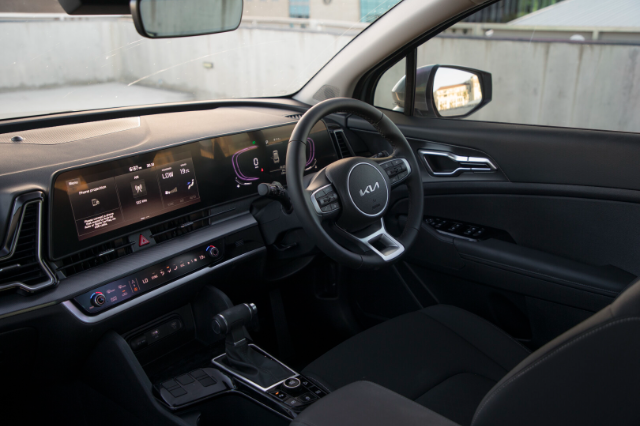
Kia Sportage 1.6T GDI GT Line S
The top-of-the-range Sportage is an impressive product despite being quite different in its drivetrain. It features a 1.6-litre turbo petrol engine that produces 132kW and 265Nm and is also paired with a 7-speed dual-clutch automatic gearbox that sends power to the front wheels, allowing for a claimed fuel consumption figure of 6.5 L/100km and a 0-100km/h time of 8.8 seconds.
In the specification department, the Kia is nearly identical to the Hyundai in terms of specification. The Sportage was crash-tested by ANCAP in 2022, achieving a 5-star rating. Practicality-wise, the Kia has the lowest ground clearance figure of 170mm, the second-best braked towing capacity of 1650kg and its boot is the biggest at 591-litres. Looking at the Kia from a value perspective, like the Hyundai, it appears to offer good value within its segment.
Mazda CX-60
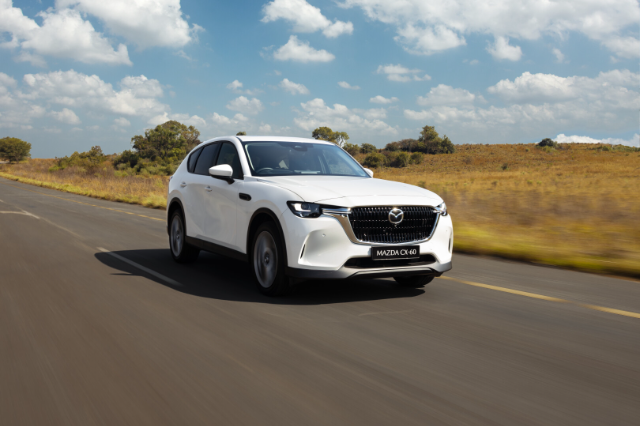
The CX-60 features a 2.5-litre naturally aspirated petrol engine that produces 141kW and 261Nm of torque and is paired with an 8-speed automatic gearbox that sends power to all four wheels. The Mazda will consume fuel at a claimed rate of 7.7 L/100km and sprint to 100km/h in 9.9 seconds.
The Forester, in 2.5 AWD Individual specification, is the priciest car here, but not by a significant amount. It has 20-inch alloy wheels, 7 airbags, an electrically adjustable steering column, a head-up display, a premium 12-speaker sound system, full leather seats, adaptive LED headlights and a surround-view camera system.
The CX-60 was crash-tested by ANCAP in 2022, achieving a 5-star rating. The CX-60 is physically the largest car in this comparison but offers less boot space at 477-litres, a slightly lower ground clearance figure of 179mm as well as a lower braked towing capacity of 1500kg.
Related: Is the Hyundai Tucson N Line expensive to maintain?
Facts and figures:
|
|
Hyundai Tucson 2.0D AWD N Line |
Kia Sportage 1.6T-GDi GT Line S |
Mazda CX-60 2.5 AWD Individual |
|
Engine size (cyl/size) |
4-cyl, 2.0-litre turbodiesel |
4-cyl, 1.6-litre turbo petrol |
4-cyl, 2.5-litre petrol |
|
Power/Torque |
137 kW/416 Nm |
132 kW/265 Nm |
141 kW/261 Nm |
|
CO2 emissions |
169 g/km |
149 g/km |
180 g/km |
|
Airbag count |
6 |
6 |
7 |
|
Fuel tank capacity |
54 litres |
54 litres |
58 litres |
|
Ave Consumption * |
7.4 L/100 km |
6.5 L/100 km |
7.7 L/100 km |
|
Driven wheels |
All |
Front |
All |
|
Boot volume |
539-1860-litres |
591-1780-litres |
477-1148-1726-litres |
|
Service plan |
6-yr/90 000km |
6-yr/90 000km |
5-yr/unlimited |
|
Price |
R836 500 |
R816 995 |
R844 500 |
* Manufacturer's claimed figures.
Pricing was all-inclusive at the time of writing but may change without prior notice.
Verdict
Having examined the data, the trio assembled here are all strong products in their own right and are all worthy of consideration, but if pushed to choose just one, we would opt for the Hyundai as its price sits somewhere in the middle; it has a lovely diesel drivetrain, is well specified, practical and has the benefit of all-wheel drive.


