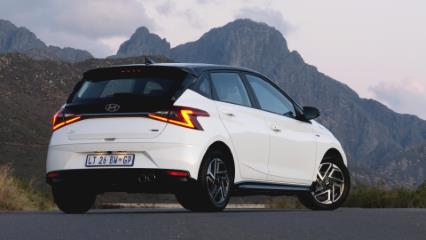
Hyundai i20 N Line versus Suzuki Swift Sport - Best sports hatch?
Small hatchbacks with sporty looks are aspirational vehicles for people wanting to enjoy certain brands' lifestyle elements. The Suzuki Swift Sport and Hyundai i20 N Line certainly target the same target market, even if they offer quite different experiences.


Compact hatchbacks are still the best-selling passenger cars in South Africa, but sadly, the performance hatchback genre has seen better days. Hyundai and Suzuki have produced popular vehicles in this segment and even dabbled in making sporty variants. We have the likes of the current generation Suzuki Swift Sport, a magnum opus of sorts, for the brand, which its first generation spawned as a World Rally base for the road. Then you get Hyundai's N division, which has been making a storm with their special vehicles and N Line parts, which find their way into the i20 N Line we're comparing here.
Related: Hyundai i20 N Line review and Suzuki Swift Sport review

Hyundai i20 N Line
The i20 N Line is the top-of-the-range i20 with specific elements to elevate its driving experience. Aesthetics are ramped up here with an N Line body kit, which includes additions to the front and rear bumpers, boot spoiler, N Line badging and even a dual-tip exhaust with a lovely tone. LED projector headlamps with DRL stand out in the sharp front end, and there are also N Line-specific 16-inch wheels to round off the whole look. Inside, you have a leather interior with N Line seating consisting of red piping, stitching, and ambient lighting. The N Line also receives a 3-spoke multifunction steering wheel wrapped in leather and some paddle shifters. You'll find a Bose Premium 8-speaker sound system onboard, complete with a subwoofer, to complement the 8.0-inch touchscreen infotainment system with wireless Android Auto and Apple CarPlay.
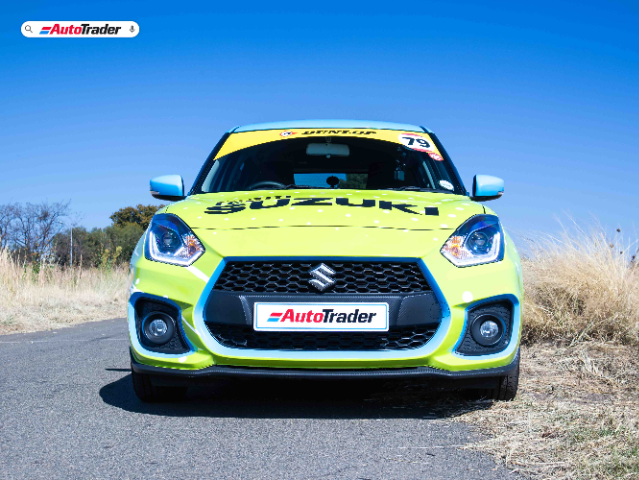
Suzuki Swift Sport
The current Swift Sport has been a solid choice for those looking for a little more fizz while not breaking the bank. Compared to the standard Swift, the Sport receives sports bumpers with a dual-exit exhaust, projector headlamps with DRL, a cheeky boot spoiler and 16-inch wheels. Inside, the Swift Sport has cloth upholstery but has front bucket seats. There's a D-shaped leather multifunction steering wheel and multifunction display in the instrument cluster to display some vehicle diagnostics. The Swift Sport is capable but also practical. You have a 7.0-inch infotainment touchscreen that's also Android Auto and Apple CarPlay compatible, albeit with a wired connection.

The Figures
| I20 N Line | Swift Sport | |
| Engine | 1.0 litre 3 cylinder turbo petrol | 1.4 litre 4 cylinder turbo petrol |
| Power | 90kW | 103kW |
| Torque | 172Nm | 230Nm |
| Transmission | 7-speed DCT | 6-speed Manual / 6-speed Auto |
| Kerb Weight | 1 017 kg | 995 kg |
| Price | From R467 500 | From R466 900 (Auto) / R443 900 (Manual) |
*Pricing stated here was correct at the time of publishing and subject to change without prior notice.
Comparing the Drive

The Hyundai
The common ground these hatchbacks share is that they're sporty, handle like a Jack Russell hunting a fox, and are aspirational. However, this is a comparison article, so we have to compare the two to find a winner. The N Line powertrain to us was a surprise. The 1.0-litre turbo engine is perky but also smooth. The DCT 'box found here is sharp and fun to play with in manual mode. The programming for this box is spot on and suits this setup well. The N Line also features a revised suspension, which is comfortable but also poised for sports handling. There's minimal body roll, and the steering of this vehicle is sharp. We kind of expected a pure aesthetics package, but the N Line has had some thought put into it, to the point where there's even a sports exhaust on this vehicle that crackles and pops subtly upon shifts. What lets the Hyundai down, though, is its factory tyres. The N Line is asking for grippier tyres to compliment its suspension setup, and compared to the Swift Sport, it is heavier and down on power. The N Line also needs more supportive seats. Despite these, though, the N Line does drive well.

The Suzuki
The inspiration behind this current lineage of Swift Sport is that it was built to compete in the World Rally Championship Junior divisions. The 1.4 Boosterjet engine has all the fizz you need to match the lightweight body shell. The manual version of the Swift is a joy to row gears through, and the automatic one is not too shabby either. We'd argue that the automatic Swift Sport feels smoother compared to the N Line's DCT in some situations. The Swift Sport features Monroe suspension and tweaked sway bars to sharpen the handling. When bigger questions are asked, the Swift Sport asks for seconds at the dinner table. The Swift Sport, however, lacks in the sound department, while the induction noise is growly, the N Line is more entertaining in this respect with its exhaust and DCT theatrics. The Swift Sport could also do with 17-inch wheels and tyres, not for looks but to put its power down better, as it can have a tendency to spin its front wheels at times. However as far as a cheeky sports hatch experience goes, the Swift Sport has got it down.

So who wins?
If we're talking about the best sporty experience, the Suzuki Swift Sport wins here. It has more fizz than the i20, and when bigger questions are asked, it takes punishment in stride, whereas the i20 lags a bit in that regard. Pricing-wise, too, the Swift Sport is cheaper. However, for an elevated daily drive experience with a fun DCT, solid infotainment, and something that's also a looker, the N Line is a good car, and you wouldn't feel cheated for buying one.
You can search AutoTrader for the latest used and new deals on Hyundai and Suzuki here. You can also sell your car.