How reliable is the BMW 2 Series?
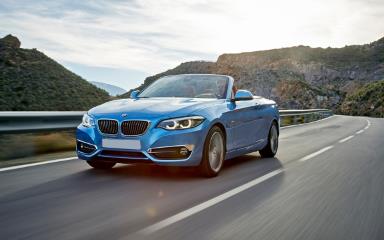
The BMW 2 Series offers highly varied driving experiences, all in one model range. The coupé and convertible are rear-wheel driven fun machines, while the Gran Coupé (and earlier Active Tourer) are based on a pragmatic front-drive platform. But how reliable are they?



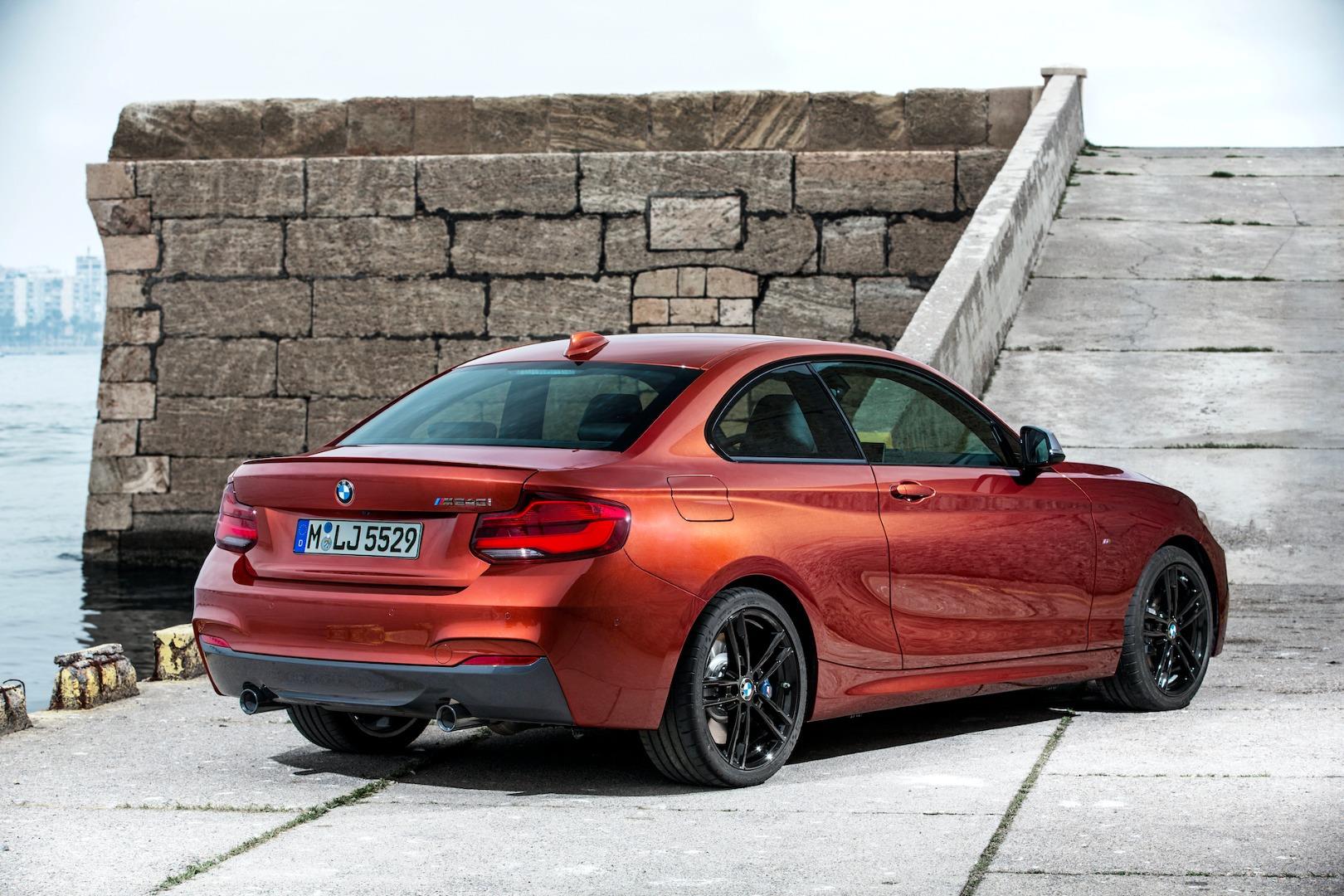

While the various 2 Series models have different drivetrain layouts, they do share some mechanical- and electronic bits. The 4-cylinder petrol engine employed in the current 2 Series also powers a wide array of other BMW models, regardless of driven wheels. The FWD 2 Series Gran Coupé (type name F44) likewise gets its platform design from the larger MINI Countryman, and shares much with the 1 Series, X1, and X2 ranges.
Complicating matters even further, a new 2 Series coupé was revealed midway through 2021. Like its predecessor, the new G42 2 Series features RWD (with the option of AWD), this time using hardware from the latest (and excellent) 3 Series.
Related: The top 3 things you need to know about the new BMW 2 Series coupé.

How reliable are they?
Pre-facelift, first-generation 2 BMW Series (RWD)
Seeing as the new-generation 2 Series coupé is very new in the market, it’s much too early to cast any verdict on its reliability. However, it features a range of engine options and drivetrain hardware that are all well-proven from its predecessor, so it should present few abnormalities in its first years.
The first-generation (F22) 2 Series was fortunate to have launched in the era when BMW’s earlier turbo-charged reliability woes finally cleared up. First appearing in 2013, lower-end F22s were powered by the fairly robust N20 engine, mated to 6-speed manual- or 8-speed automatic gearboxes.
The only possible cause for concern here is premature timing chain wear. Replacement may become due as early as 80 000 km, but it gives plenty of audible warning before it finally lets go and destroys the engine if left unattended. This problem appears to be confined mostly to pre-2015 examples, so if you see an early N20-engined 2 Series with a loudly rattly engine, rather walk on by...

The initial upgrade petrol engine was the beloved N55 inline-6-cylinder. Displacing 3.0-litres and featuring a single-turbo setup (they just call it TwinPower on account of the twin-scroll turbo), the N55 managed to avoid the reliability/ durability drawbacks of its N54 predecessor, and should be pretty bullet-proof if treated to the correct, scheduled maintenance protocol as demanded by BMW.
Diesel power was initially provided by the well-regarded N47 2.0-litre turbodiesel, which should prove reliable if sustained on the correct oil and regular filter changes. In fact, regular (even shorter than prescribed is good) oil- and filter changes are key to making any BMW 2 Series derivative last as long as possible.
Related: Which BMW 2 Series coupé is better – petrol or diesel?

Facelift, first-generation BMW 2 Series (RWD) and Gran Coupé (FWD)
The initial engines only remained in the 2 Series for slightly longer than 2 years, before they were superseded by the all-new “B” engine family in 2016. The new 4-cylinder engines (petrol and diesel) are again shared across both FWD and RWD platforms.
However, coupés and convertibles (RWD) in our market didn’t receive the 3-cylinder petrol that serves in the entry-level (FWD) Gran Coupé. They feature the new B58 inline-6 turbocharged petrol engine at the top end instead, which is proving to be quite problem-free thus far. The same applies to the B48 (2.0 petrol), B47 (2.0 diesel), and B38 (1.5 3-cylinder petrol) employed elsewhere in the range.
Related: BMW M235i Gran Coupé (2020) review – A niche too far?

What else goes wrong?
We’ve now covered the engine options as found in the various 2 Series models, and the overall prognosis is pretty positive. The rest of the drivetrains appear to be similarly robust, with no serious issues reported for either the Aisin (FWD) 8-speed automatic or the 6-speed manual, while the RWD models’ ZF 8-speed automatic is similarly popular and hardy.
The only possible point for concern with the FWD variants’ drivetrain may be the 7-speed dual-clutch automatic in the 218i Gran Coupé. This transmission type is very efficient and quick-shifting, but those clutches could be prone to accelerated wear in heavily-congested traffic. Not really a problem for first owners (BMW Motorplan covers it for 5 years or 100 000 km), but worth considering if you’re planning to buy an ageing example at some point in the future.

For the rest, the electrical system and control electronics are well-proven and unlikely to bring a 2 Series to a halt, and the chassis components are sturdy enough and do not appear to be rust-prone. South African roads may exact a toll of control arm bushes, however, and really severe potholes could result in bent control arms and/or damaged strut mounts. None of these suspension issues are the BMW’s fault, however, and are endemic to almost all vehicles on our market.