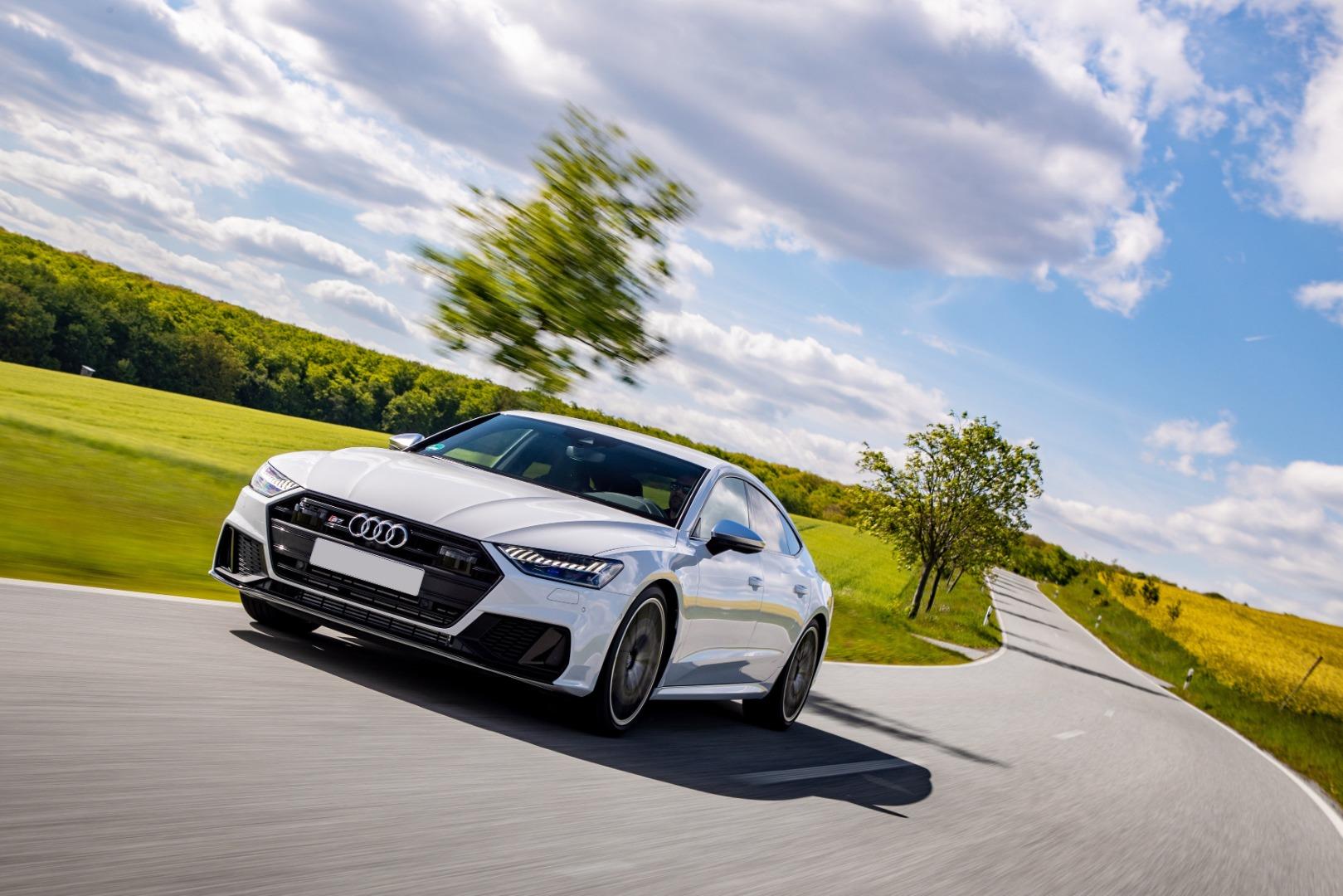
The Audi lineup consists of several sedans and a few coupes to cater for a wide variety of consumer needs. Even the small A3 received a sedan version and despite the more recent trend of SUVs and crossovers, Audi sedan remain rather popular. Based on the Audi A6 sedan, the A7 range takes the traditional 3-box sedan formula and tweaks to create an invoking vision of a coupe, while retaining much of the traditional 4-door practicality.
Related: Top 3 Audi S7 features that stand out from the competition
The S7 version steps things up a notch by giving this 4-door coupe some added spice and performance. Equipped with quattro all-wheel drive, and high-power turbocharged engines to ensure tarmac-shredding performance.
With this model wearing the illustrious S-badge, it is rather desirable, especially for those that need a car that is still practical at the same time. The S7 has impressive performance but still manages to seat four adults and offers a sizable boot for those extended journeys. You could do a lot worse as a family car.
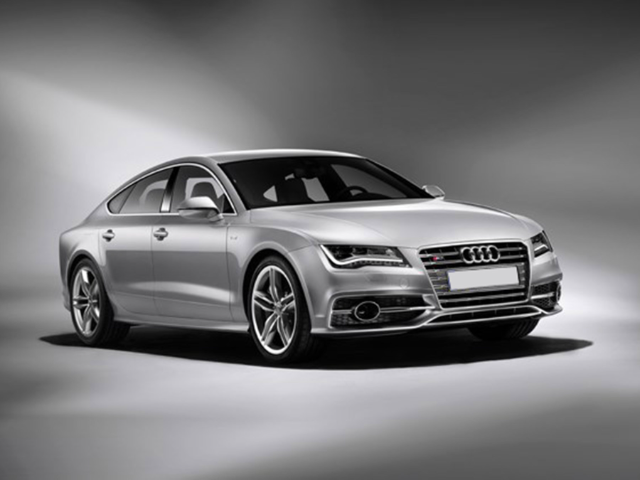
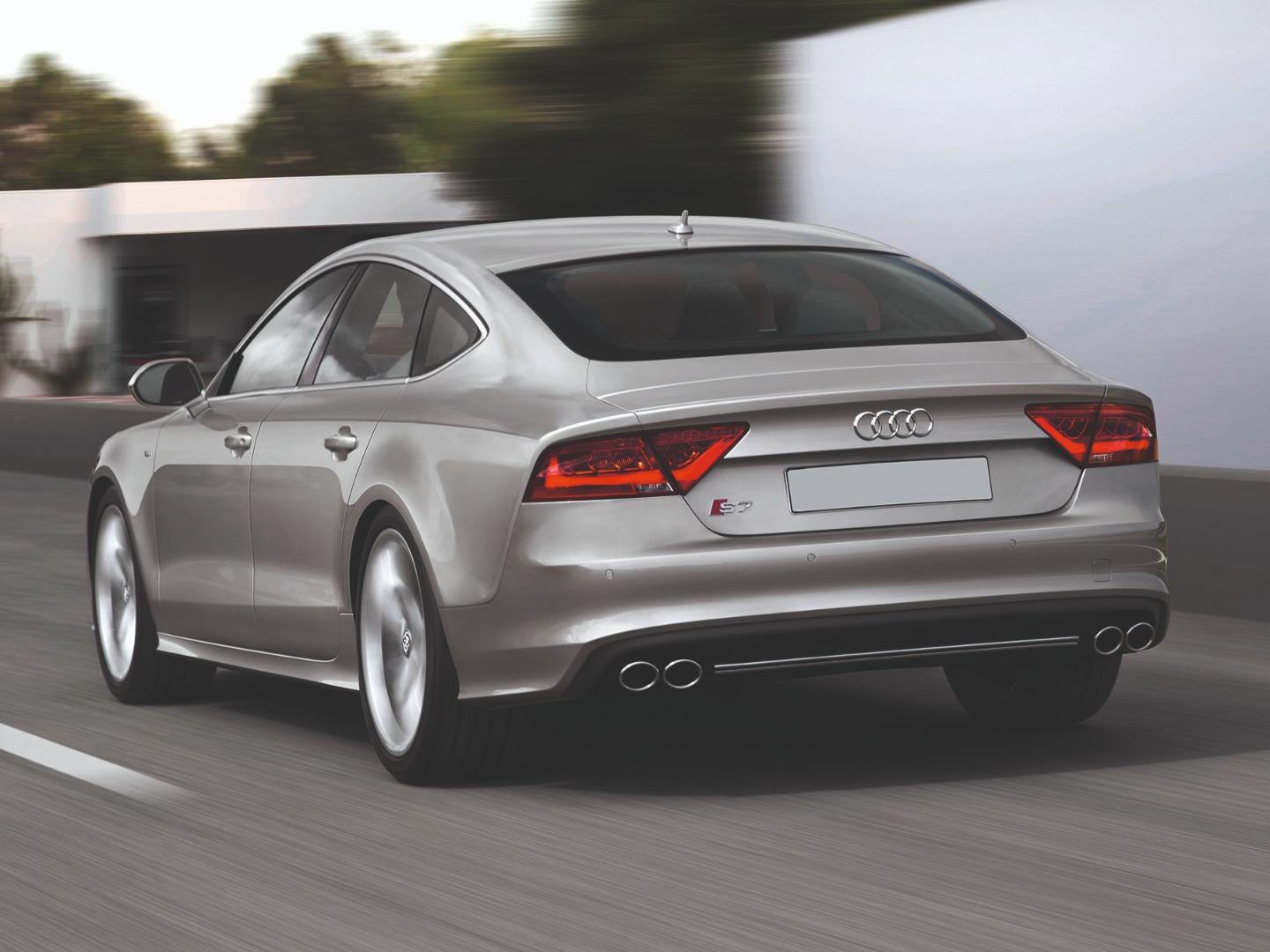
Audi S7 4G8 2012 - 2017
Mechanically similar to the C7 Audi A6, the 4G8 Audi S7 was fitted with a 4.0-litre twin-turbo TFSI V8 engine that produces 309 kW and 550 Nm torque. Combined with the quattro all-wheel-drive system, this S7 is able to sprint to 100 km/h from a standstill in only 4.7-seconds.
These early models were plagued by a few issues and concerns, most relating to the DSG gearbox. Enough reports came in of harsh shifting, especially at part throttle conditions and when shifting down. So prolific were the issues that a class-action lawsuit was filed against Audi in the state of California. Audi appeared to acknowledge this with a series of Technical Service Bulletins (TSBs) that followed.
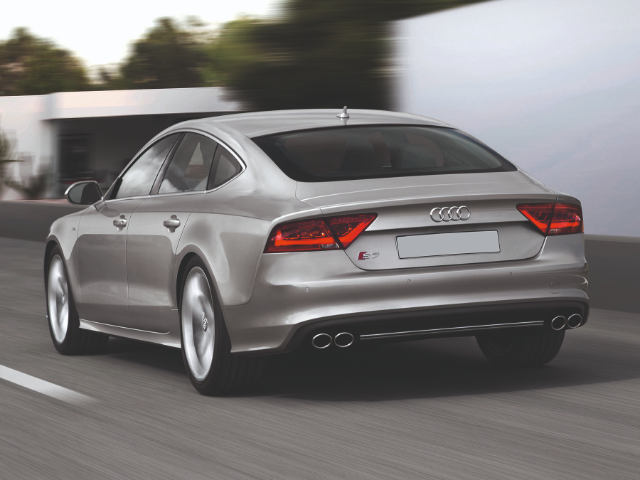
This generation Audi S7 was also plagued by oil feed issues, particularly that of the oil feeds to the twin turbochargers. The oil pickup would become clogged and result in oil starvation, robbing the turbos of their oil feed and ending in premature failure. This too was identified by Audi and numerous TSBs were released to help technicians solve this issue.
The fluid-filled engine mounts are proved to be problematic and would leak within a few years. This could cause the engine to shake aggressively on startup and exacerbate the rough shifts caused by the DSG gearbox fault.
These problems mainly plagued the early model and from 2014 many of these initial concerns were resolved.

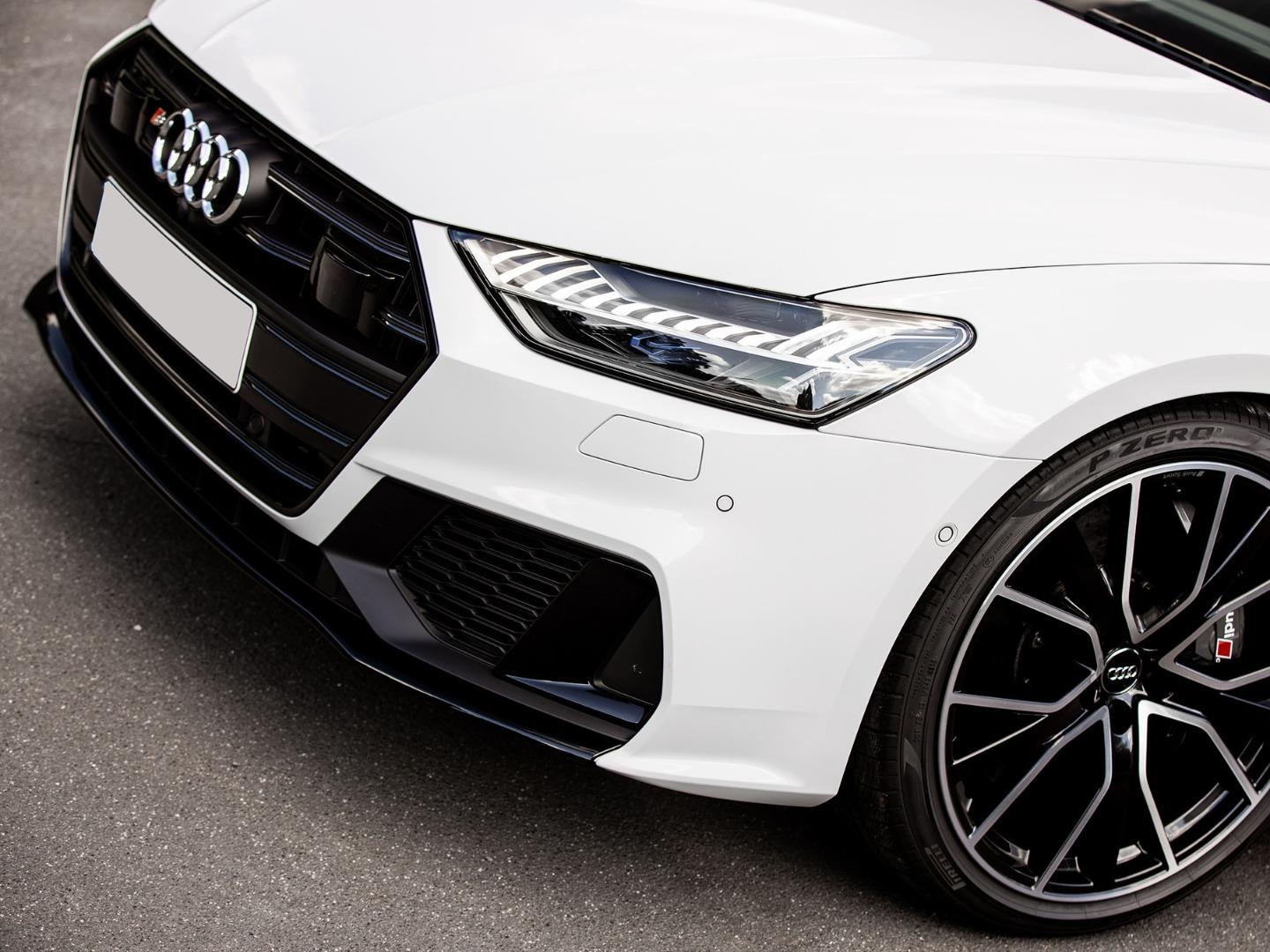
Audi S7 4K7 2018 onwards
The second-generation Audi S7 is a far better offering than its predecessor and many of the issues have been ironed out. Admittedly, this model is still fairly new and any long-term issue will only start rearing their heads in the coming years. It's important to note that this model was only released in South Africa in 2020.

This model was downsized and Audi dropped the 4.0-litre V8 in favour of a smaller 2.9-litre twin-turbo V6. Despite this, the second-gen S7 does produce more power. It's rated at 331 kW with 600 Nm on hand for a 0 to 100 km/h time of 4.5-seconds, 0.2-seconds quicker than its predecessor.
You shouldn't struggle too much with this model but to make sure that both screens (the new generation does away with manual climate controls and adopts a split screen approach) respond as required. Slow or laggy operation may point to a software issue, although this may easily be rectified with a software update.