
Getting the best value for your money – Buying a used Hyundai i20 (1st Gen – PB)
Getting the best value for your money – Buying a used Hyundai i20 (1st Gen – PB)



By Chad Lückhoff
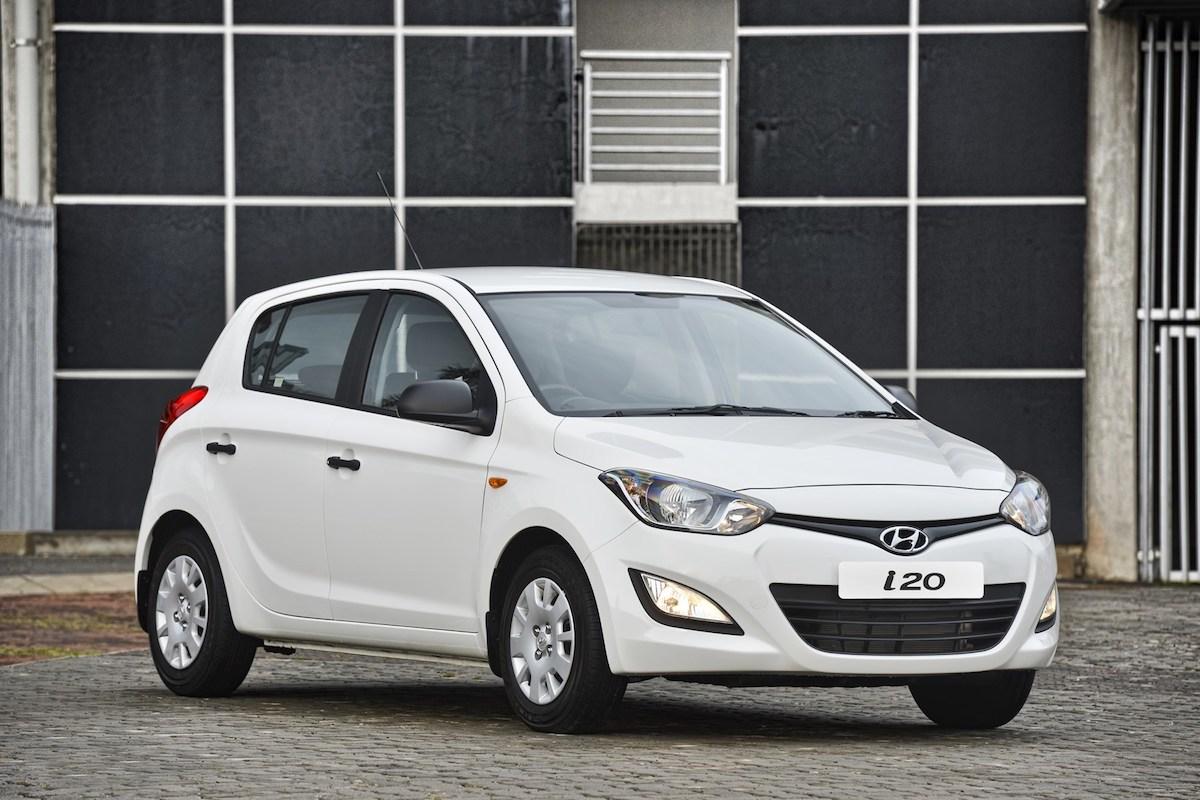
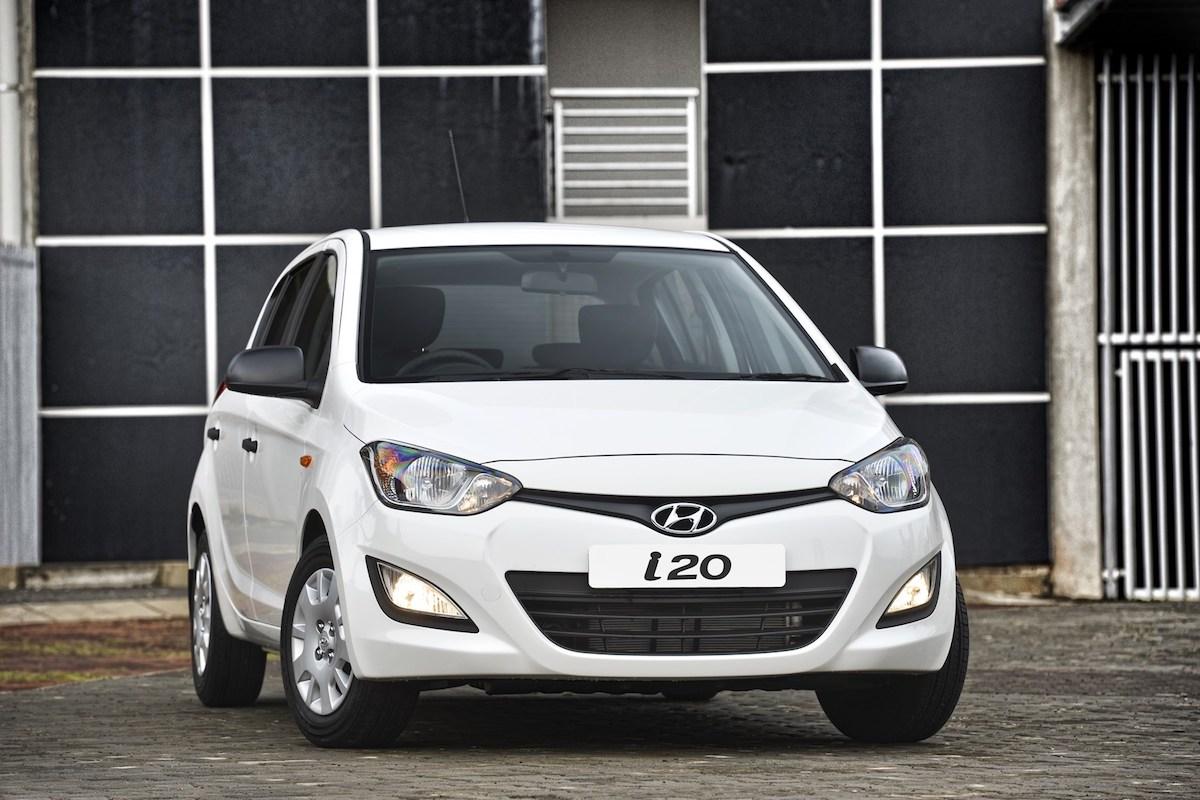
We take a look at the first generation Hyundai i20 (PB-code) to see which one offers the best value for money.
Introduced in 2009, the first generation Hyundai i20 ran all the way up to 2014 and offered an impressive standard specification level. Included in the purchase price was the following equipment:
Electric folding exterior mirrors
Electric windows all round with one touch up/down for the driver
Remote release for fuel flap
Remote central locking
Electric mirror adjustment
Steering wheel satellite controls
Trip computer including average and instant fuel consumption, distance to empty, ambient temperature
Air conditioning
MP3 compatible tuner/CD
Auxiliary and USB inputs
In-dash lidded oddment compartment
Tinted glass
Full-size spare wheel
Here's how the model evolved and what, admittedly small, changes can be found between the models.
2009 Hyundai i20 1.4 GL
Both the initial 1.4 and 1.6 i20 derivatives were specified with the same, high, base specification as mentioned above. Both were fitted with 15-inch steel wheels with trim covers and came with 5-speed manual gearboxes.
The 1.4 produced 74 kW and 136 Nm torque with a claimed fuel consumption of 5.6l/100km. An automatic option was added in the years that followed.
Expect to pay: R85 000 to R130 000
2009 Hyundai i20 1.6 GLS manual
The 1.6 derivatives of the initial launch model carried the same spec level as the 1.4 but was fitted with a larger, more powerful 1591cc engine. Producing 91 kW and 156 Nm torque, the 1.6-litre models were said to return fuel consumption figures of 5.9l/100km on the combined cycle.
Expect to pay: R90 000 to R105 000
2011 Hyundai i20 1.6 Remix
In 2011, Hyundai offered a higher spec level offering of the popular 1.6 model, adding in things like a set of 15-inch alloy wheels, a roof spoiler, park distance control, tinted safety film on the windows and a six-speaker sound system with Bluetooth and iPod connectivity.
Expect to pay: Approx R100 000
2012 Hyundai i20 1.2 Motion
2012 saw the first generation i20 undergo an update and a facelift. With that came a full revision to the model lineup. The 1.2 Motion was introduced shortly thereafter as a new entry-level offering. Powered by a smaller 1.2-litre engine, the 1.2 Motion developed 64 kW and 120 Nm to return combined cycle fuel consumption figures of 5.6l/100km.
It was equipped with 14-inch steel wheels, two airbags and was devoid of remote central locking and Bluetooth connectivity. It was still equipped with air-conditioning and a transponder immobiliser though.
Expect to pay: R95 000 to R190 000
2012 Hyundai i20 1.4 Fluid
The Fluid derivative further updates the range by adding in a 6-speed manual gearbox into the mix to complement the 1.4-litre engine. The impressive standard spec level remained replete with Bluetooth connectivity and remote central locking. Park assist was added for the 2012 year as was a set of 15-inch steel wheels that do duty in the corners, shod with 185/65R15 tyres.
The 2012 1.4-litre engine is quoted to be more fuel efficient returning a claimed 6.1l/100km on the combined cycle.
Expect to pay: R90 000 to R200 000
2012 Hyundai i20 1.4 Fluid Auto
The Fluid auto has the same specifications as the manual derivative, only with a 4-speed torque converter auto employed to switch cogs. This sees the fuel consumption rated at 8.1l/100km as opposed to the 4.2 rating yielded by the manual version.
Expect to pay: R140 000 to R220 000
2012 Hyundai i20 1.4 Glide
The Glide (GLS) model takes the Fluid spec and adds an imitation leather steering wheel, curtain airbags, auto locking doors, climate control, and 16-inch alloys. The engine is still rated at 73 kW and 136 Nm with a combined fuel consumption of 6.1l/100km.
Expect to pay: R110 000 to R140 000
2013 Hyundai i20 1.4 CRDi Glide
The only diesel offering in the first generation came to us in 2013 in the form of the CRDi Glide. With its 1.4-litre turbodiesel engine making 66 kW and 220 Nm torque, the CRDi Glide offers the most torque of the range. Sipping only 5.5l/100km, the CRDi is a frugal alternative to the petrol-powered offerings.
It too offers an imitation leather steering wheel, curtain airbags, auto locking doors, climate control and 16-inch alloys.
Expect to pay: R100 000 to R150 000
Our pick:
With so many on the market, the most popular derivative is the 1.4 Fluid manual. Having a saturated market means that there will be a few great deals floating around. The Fluid does offer a very respectable proposition but if safety os your bag, then the 1.4 Glide model is the way to go, thanks to the addition of the curtain airbags.