
Generic Car Comparison: VW Polo Vivo vs. its two main competitors
Generic Car Comparison: VW Polo Vivo vs. its two main competitors



By Martin Pretorius
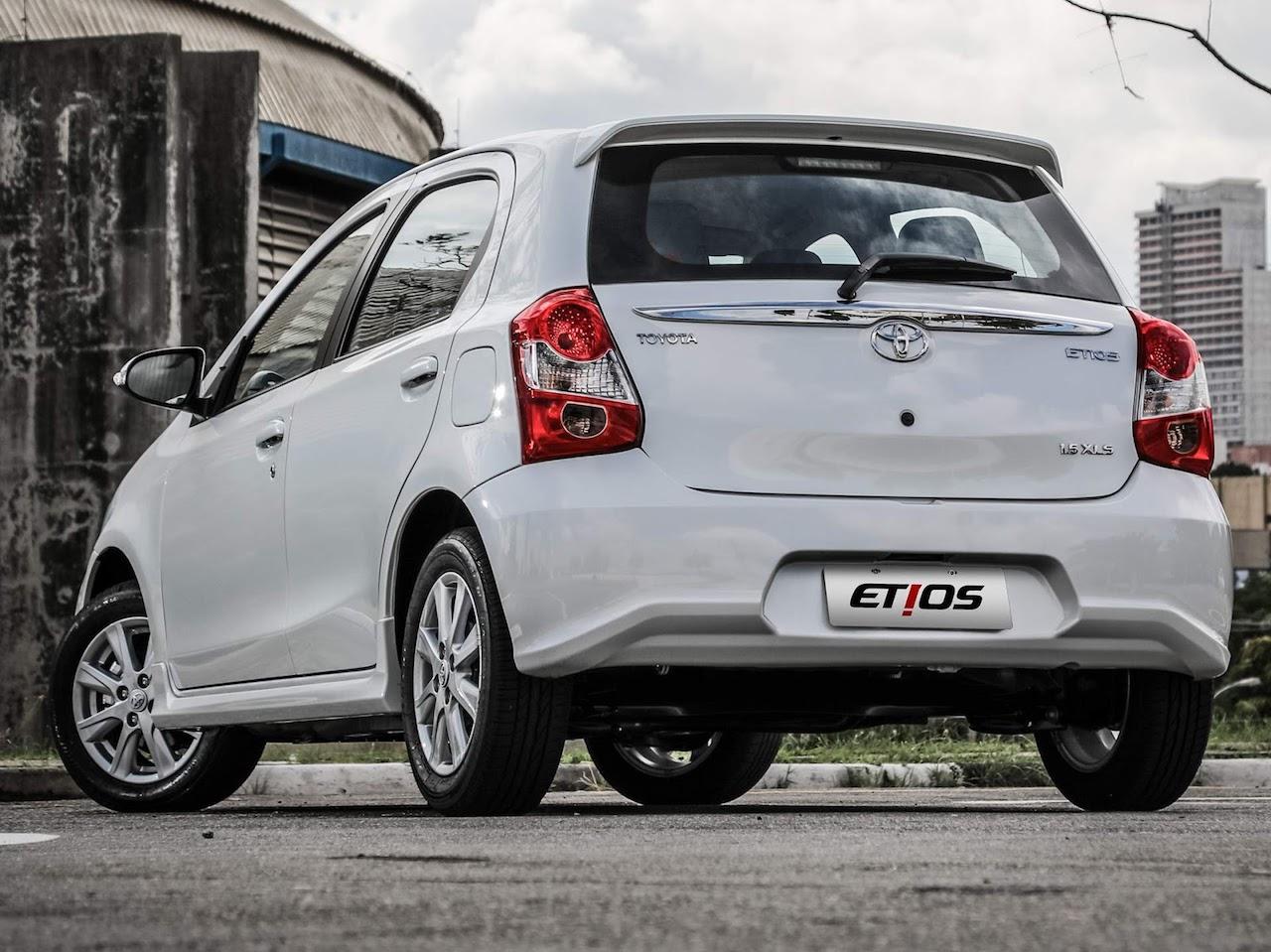
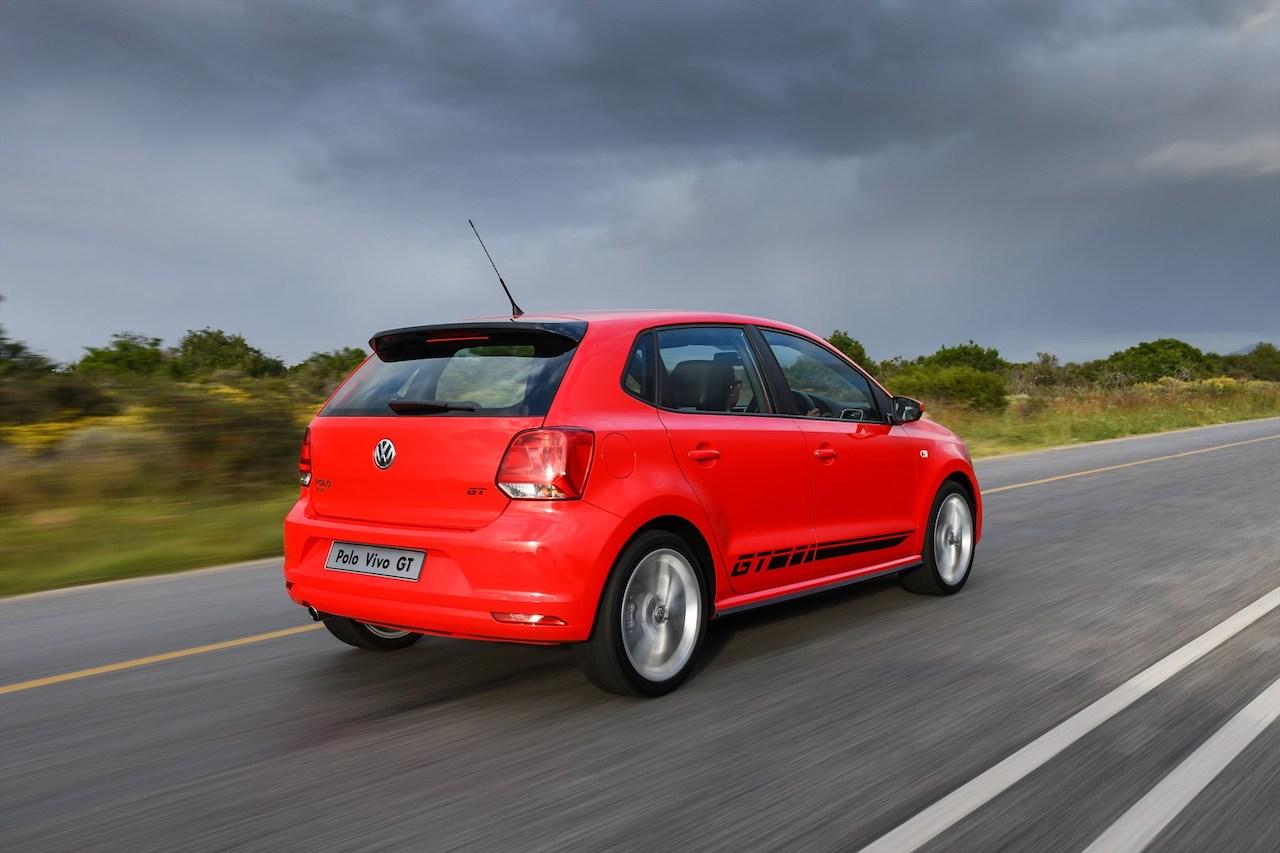
The budget hatchback is one of the biggest growth segments in our market, so it's only natural that we'll be offered a wide choice of offerings. The Vivo, being an older design, brings larger physical dimensions to the party, but at the expense of some modern gadgetry. We've chosen two popular opponents at a similar price point to the entry-level Vivo (another budget offering and a thoroughly contemporary city car) to try and find out why the Vivo is so dominant. It makes for interesting reading.
|
|
Vivo Trendline |
Etios Sprint |
Picanto 1.2 Style |
|
Engine size (cyl/size) |
4-cyl, 1.4-litre |
4-cyl, 1.5-litre |
4-cyl, 1.2-litre |
|
Power/Torque |
55 kW/130 Nm |
66kw/132 Nm |
61 kW/122 Nm |
|
Kerb Weight |
1063 kg |
930 kg |
961 kg |
|
Length (mm) |
3 972 |
3 884 |
3 595 |
|
Boot volume (litres) |
280 |
251 |
255 |
|
Airbag count |
2 |
2 |
2 |
|
Top Speed (km/h) * |
171 |
165 |
170 |
|
Ave Consumption * |
5.7 ℓ/100 km |
6 ℓ/100 km |
5 ℓ/100 km |
|
Warranty |
3 yr/120 000 km |
3 yr/100 000 km |
5 yr/ unlimited |
|
Price |
R 179 900 |
R 176 300 |
R 181 495 |
*Manufacturer's official figures.
Analysis
As expected, the Vivo and Etios are very closely matched in terms of dimensions and equipment, being roughly the same size and price. The interesting take-out from this table is that the Etios is more than 100 kg lighter than the Vivo, and in fact undercuts the much smaller Picanto on weight as well. The downside of the Etios's featherweight construction is that it's noticeably less refined than either of the other two – almost as though much of the low kerb weight is due to a lack of sound insulation.
Cabin-wise, the Picanto and Vivo are pretty evenly matched, with the trim quality nod going to the Picanto, and the Vivo being by far the most spacious of this trio. The Etios has plenty of room in front, and more than the Picanto in the rear seat, but its trim quality is abysmal by comparison. The Etios is the only one in this group to offer a CD player and electric rear windows, however, but while the other two have higher spec level companions with nice things such as touch screen infotainment and steering wheel controls (the latter being standard even on this Picanto “Style”), none such things exist on the Etios's option sheet.
The Kia's luggage space also suprises, running the Etios close in spite of almost 300 mm shorter. Safety features are much alike, with all three offering 2 airbags, ABS and reasonable crash safety credentials.
As far as performance goes, the Etios has the largest engine here, which combines with its light weight to give a perky driving experience but at the expense of slightly higher consumption. The big surprise is that VW claims a top speed of 171 km/h (barely the highest here) in spite of having the least power, while the more-powerful Etios only manages 165 km/h. The Picanto's small frontal area and revvy engine makes its presence felt here (running the Polo very close at 170 km/h).
On balance, when looking at the things of importance to budget-car buyers, the Vivo has an impressive spread of abilities: competitive fuel consumption and performance, a large boot and spacious cabin, and a reasonable specification level. Its mechanical bits are somewhat out of step with the modern norms, but it's all well-proven and cheap to repair. Add its competitive price tag, and it becomes clear why there's literally streets between the Vivo and its best competitors – at least as far as value and space go.