
Generic car comparison - Suzuki Celerio vs Datsun GO vs Renault KWID
Generic car comparison - Suzuki Celerio vs Datsun GO vs Renault KWID


By Martin Pretorius
The local market for super-affordable cars has exploded over the past decade or so. Yes, there were run-on models in the past, with things like the Toyota Tazz and VW CitiGolf hanging around to satisfy budget-oriented buyers, but they were all old designs and rather long in the tooth. Furthermore, as these contenders morphed into the Etios and Polo Vivo, they've gradually moved upmarket, growing larger and more powerful as time went by. This created a gap in the market for some genuinely small, really affordable newer offerings.
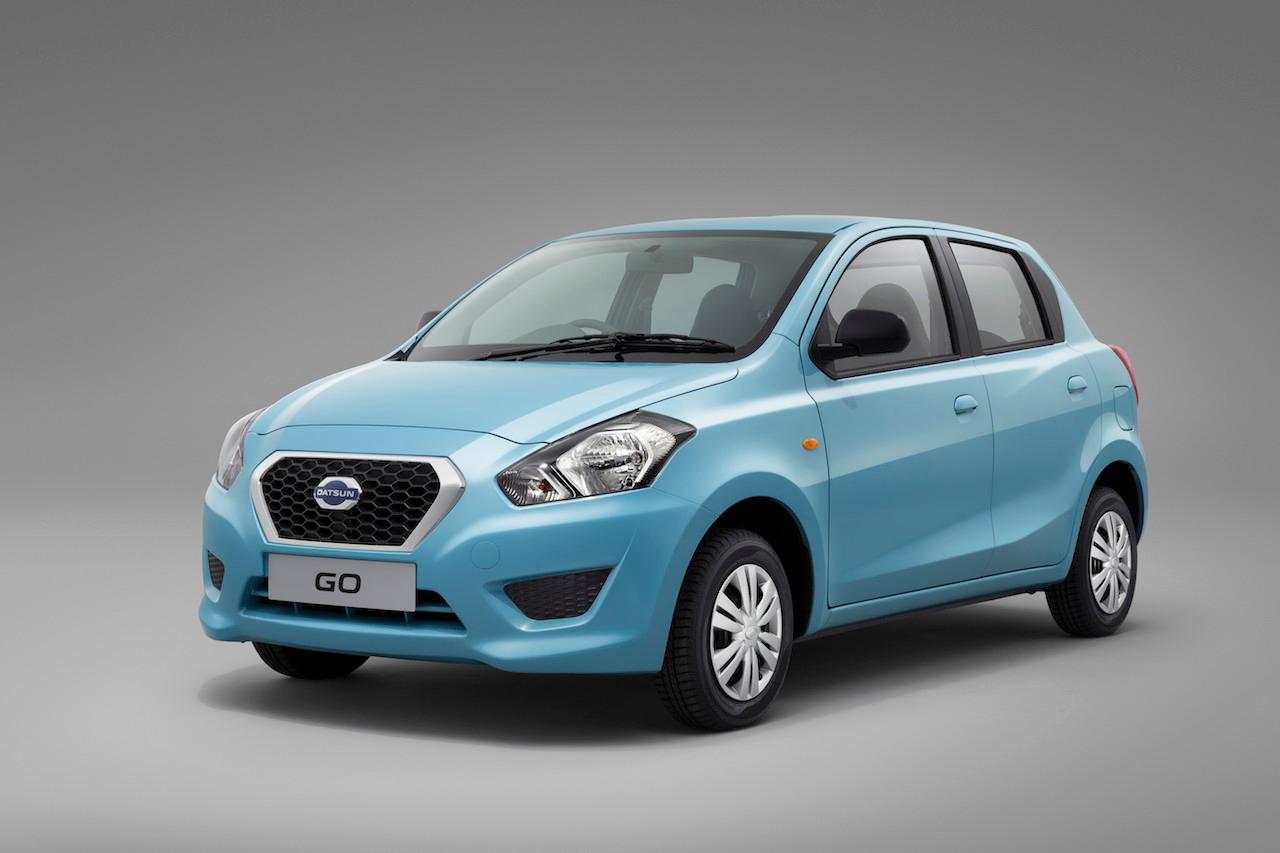
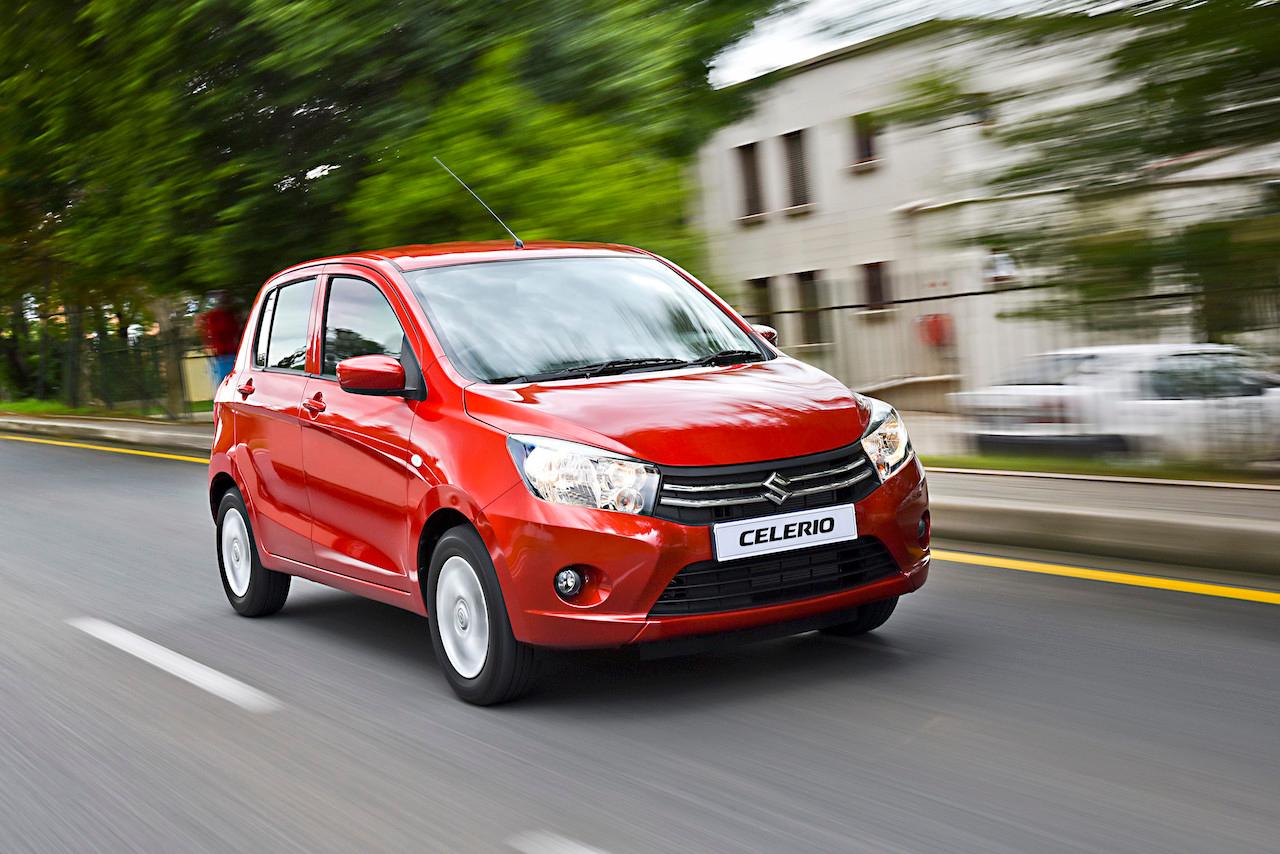
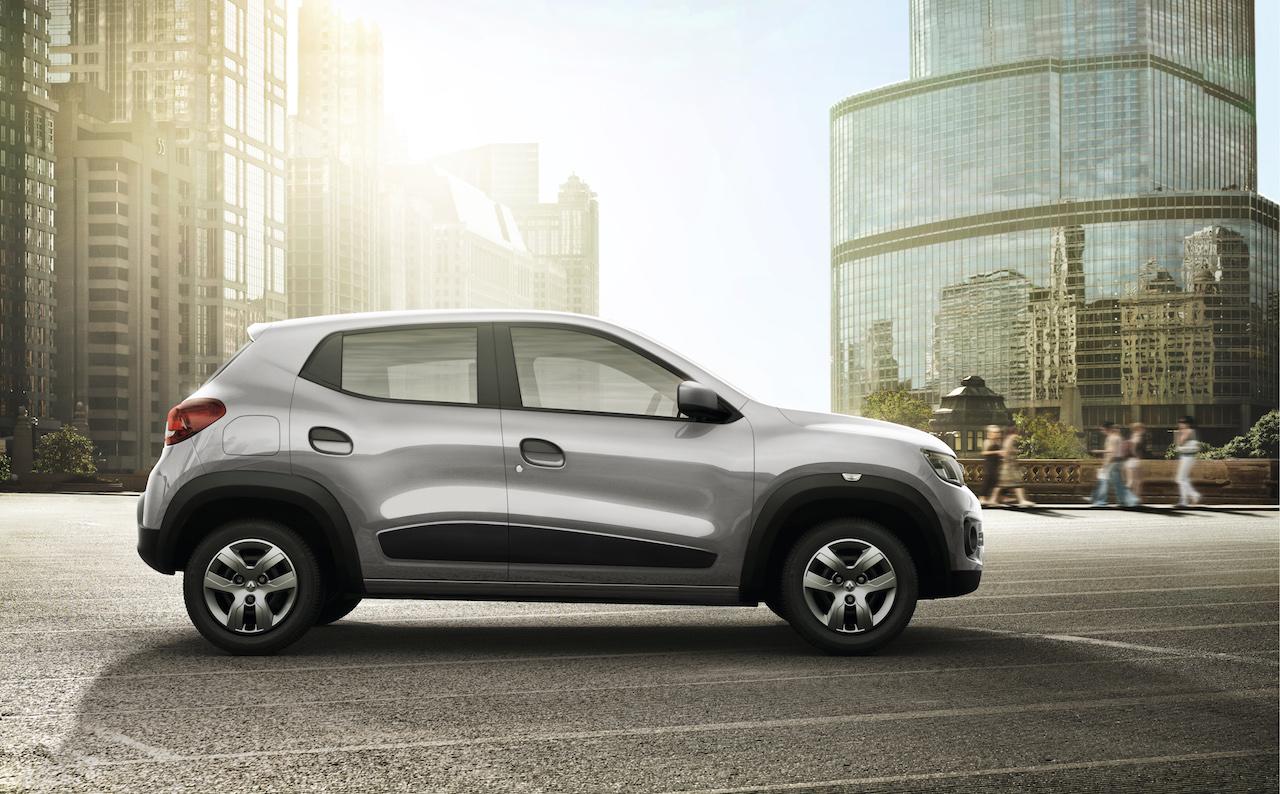
Let's take a look at how some of these cheerful cheapies compare. We'll consider three of the least expensive cars currently available in South Africa: the Renault Kwid Expression, Datsun GO Lux, and Suzuki Celerio GA. All three have 3-cylinder engines and 5-speed manual gearboxes, and they're all clustered around the R135 000 mark. While the Suzuki is the entry-level variant in its range, the others top their respective ranges. But which one comes out on top when you compare them?
|
Suzuki Celerio 1.0 GA 5-dr |
Datsun GO 1.2 Lux 5-dr |
Renault Kwid 1.0 Dynamique |
|
|
Engine size (cyl/size) |
3-cyl, 1.0-litre, petrol |
3-cyl, 1.2-litre, petrol |
3-cyl, 1.0-litre, petrol |
|
Power/Torque |
50 kW/90 Nm |
50 kW/104 Nm |
50 kW/91 Nm |
|
Kerb Weight |
835 kg |
788 kg |
695 kg |
|
Length (mm) |
3 600 |
3 785 |
3 679 |
|
Wheelbase (mm) |
2 425 |
2 450 |
2 422 |
|
Airbag count |
2 |
1 |
1 |
|
Ave Consumption * |
4.7 ℓ/100 km |
5.2 ℓ/100 km |
4.7 ℓ/100 km |
|
Warranty |
3 yr/100 000 km |
3 yr/100 000 km |
5 yr/150 000 km |
|
Price |
R 136 900 |
R 134 500 |
R 137 900 |
Analysis
In a magnificent feat of convergent engineering, these three cars have very similar features on paper. They all trundle along with their power supplied by trembling little 3-cylinder engines, sending almost identical outputs to the front wheels of very light 5-door body shells through 5-speed manual gearboxes, and they're all clearly built down to a price. They're also distinctly un-sporting to drive, and none of them could be called quick by any measure. But closer inspection reveals some rather significant differences, with each challenger having unique strengths and weaknesses. It all depends on the buyer's requirements, really.
The Renault majors on feature count, as much as that can really mean in the context of this bargain-basement trio. No, you won't find massaging seats or LED headlights as standard equipment (or as options), but you will get air-conditioning, electric front windows, power steering, remote central locking, and a touch-screen audio system with standard navigation included in the list price. It has other virtues as well, such as surprisingly nippy performance around town and excellent fuel efficiency, both due to its extremely lightweight construction.
Just a pity that the Renault scores so poorly on its driving dynamics and safety rating, though. With a 1-star NCAP safety rating (in South African specification, with only one airbag), it's not really a nice place to be in an accident, and there's a distinct lack of directional stability at freeway speeds. The Datsun fares slightly better in this regard, with a 2-star safety rating when equipped with a driver's airbag (as this Lux variant is), and its wider track and marginally heavier build makes for a slightly more stable companion on the freeway as well. Neither the Datsun nor the Kwid features ABS braking either, knocking safety down yet another notch.
The Datsun is a bit more spacious than the Kwid as a result of its slightly larger dimensions, and its design sacrifices some boot space for an even roomier cabin. There's also more torque on tap from its larger engine (but no more power), making the GO the fastest tortoise in this race. It loses out on comfort- and convenience features, however, doing without the Kwid's navigation system (or even a radio, though it does have USB- and Aux input ports and some speakers ex-factory), and electric windows and central locking are standard on the Lux.
But for sparse equipment, neither the Kwid nor the GO can match the Suzuki Celerio in GA trim. Forget about electric windows or central locking; and there's a blanking plate where the sound system should be, so there's clearly no standard navigation either. What there is, is a decent safety specification, with ABS brakes and 2 airbags as standard equipment. It probably makes sense, especially in a car this small: where the other two sacrifice some safety kit but compensate with extra creature comforts, the entry-level Suzuki would rather keep its occupants out of an accident, and alive if one should happen.
Apart from its added safety credentials, the Suzuki also rewards with a slightly higher-quality cabin than the other two, as well as excellent fuel economy (drawing with the Kwid in this regard). There's less cabin space in the Celerio than in the GO, though, and a smaller boot than either the Datsun or the Renault. And, because it's a tad heavier and has less torque than the other two, the Celerio should prove to be the slowest of the three as well.
In the end, each car has its own selling points: The Kwid has more toys than the others, the GO has more space and slightly better performance, and the Celerio majors on safety equipment. It comes down to buyers deciding whether they'd be willing to take a risk by compromising on safety, but looking at the state of our roads and the lack of discipline on the part of many of our road users, the wisdom of that idea is debatable. Safety comes first, which is why the Celerio is our choice in this comparison. And if you really need that audio system and electric windows, splash out an extra R20 000 on a better-equipped Celerio GL – the added safety still warrants the price premium.