
Ford Ranger full range - what you need to know.
Ford Ranger full range - what you need to know.


Martin Pretorius
It takes a very strong product to challenge South Africa’s favourite vehicle (the Toyota Hilux) for overall sales honours, but that’s exactly what the Ford Ranger has been doing for quite a while now. Given our market’s unshakeable brand loyalty, that is quite an accomplishment for the Ranger. The reason is very simple: The Ford Ranger offers something to meet every buyer’s needs. Let’s look at the Ranger range, and explore the reasons behind its success.
While many of us would immediately think “Wildtrak” when talking about the Ford Ranger, in reality, the range encompasses every possible combination of features, cabin design, engines and gearboxes. Apart from the model’s all-round capabilities, it’s this wide range of derivatives that makes the Ranger such a success – there are 32 distinct Rangers to choose from.
Buyers can choose between three body styles, with single-cab variants making up the bulk of the workhorse offerings, extended-cab derivatives bridging the gap between the workhorses and the leisure vehicles, and double-cabs topping the range. All Rangers are powered by a diesel engine of some sort, though, with the 2.2-litre turbodiesel (in two states of tune) being the only available engine for the single-cab models.
Manual or Automatic? The choice is yours.
The Ranger is unique in offering the option of an automatic gearbox across all body styles, with the self-shifting option making its appearance from the XL trim level upwards, which also brings with it the higher-powered 2.2-litre engine. Base models (in both single- and extended cab forms) make do with a 5-speed manual gearbox, paired with the 88 kW/285 Nm engine, which gets upgraded to a 6-speed manual or automatic with 118 kW and 385 Nm from XL-spec upwards.
Equipment
Speaking of trim levels, the Ranger has a massive variety of possible equipment packages. Entry-level derivatives are quite sparsely trimmed, with power steering, two airbags and ABS being just about as far as standard equipment goes. Even air-conditioning is optional in these workhorses, and electric windows and a rudimentary audio system only appear from XL-trim upwards.
The nice stuff gets piled on once you progress past the XL trim, however, with XLS specification adding cruise control, fog lamps, a rear-view camera, rear parking sensors, and a multi-function steering wheel. Most interestingly, you can actually order a double-cab Ranger with the low-power engine in base specification, or as an XL with the high-power engine, or as an XL-Plus, which ups the airbag count to 6 and adds stability control and electric windows.
If this proliferation of Rangers seems confusing, you’d better hold on tight, as it gets even more so from this point on. Double-cab XLT trim adds alloy wheels, a driver’s knee airbag (for a new total of 7), dual-zone climate control, a touchscreen infotainment system, voice control, leather upholstery, automatic controls for the headlights and wipers, and navigation as standard.
And then we get to the big boys: The Fx4 is basically a cosmetic package applied to the XLT, and includes different alloy wheels, black roof rails, a blacked-out bonnet and tailgate, and a slight price increase. At the top of the pile (for now) sits the Wildtrak (only available with the 3.2-litre engine), which adds all manner of safety tech to the XLT trim, to include lane departure warning, tyre pressure monitoring, a head-up display, adaptive cruise control, and a few convenience items such as privacy glass, heated rear-view mirrors, and a 230V power outlet, along with more cosmetic enhancements.
Motive power
As mentioned, the majority of Rangers use some version of the 2.2-litre turbo-diesel, in either 88 kW/285 Nm/5-speed or 118 kW/385 Nm/6-speed configurations. The range-topping 3.2-litre models feature a 5-cylinder turbo-diesel with with 147 kW and 470 Nm, again available with a 6-speed transmission in either manual- or automatic flavours, and, like the high-power 2.2s, with a choice between rear- and four-wheel drive. The old 2.5-litre 4-cylinder petrol engine has fallen by the wayside in a recent model range update, but seeing as that one was only available with lower trim levels, it’s probably not really missed...
Pricing
Entry-level 2.2 single-cabs open the range at R268 900, and maxes out at R655 900 for the Wildtrak 4x4 double cab automatic. The cheapest extended-cab model costs R308 900, and the cheapest double cab costs R341 900. 4x4 variants begin at R403 900, but that only gets you a base-spec single cab - so it's strictly a work bakkie.
And what about the Raptor?
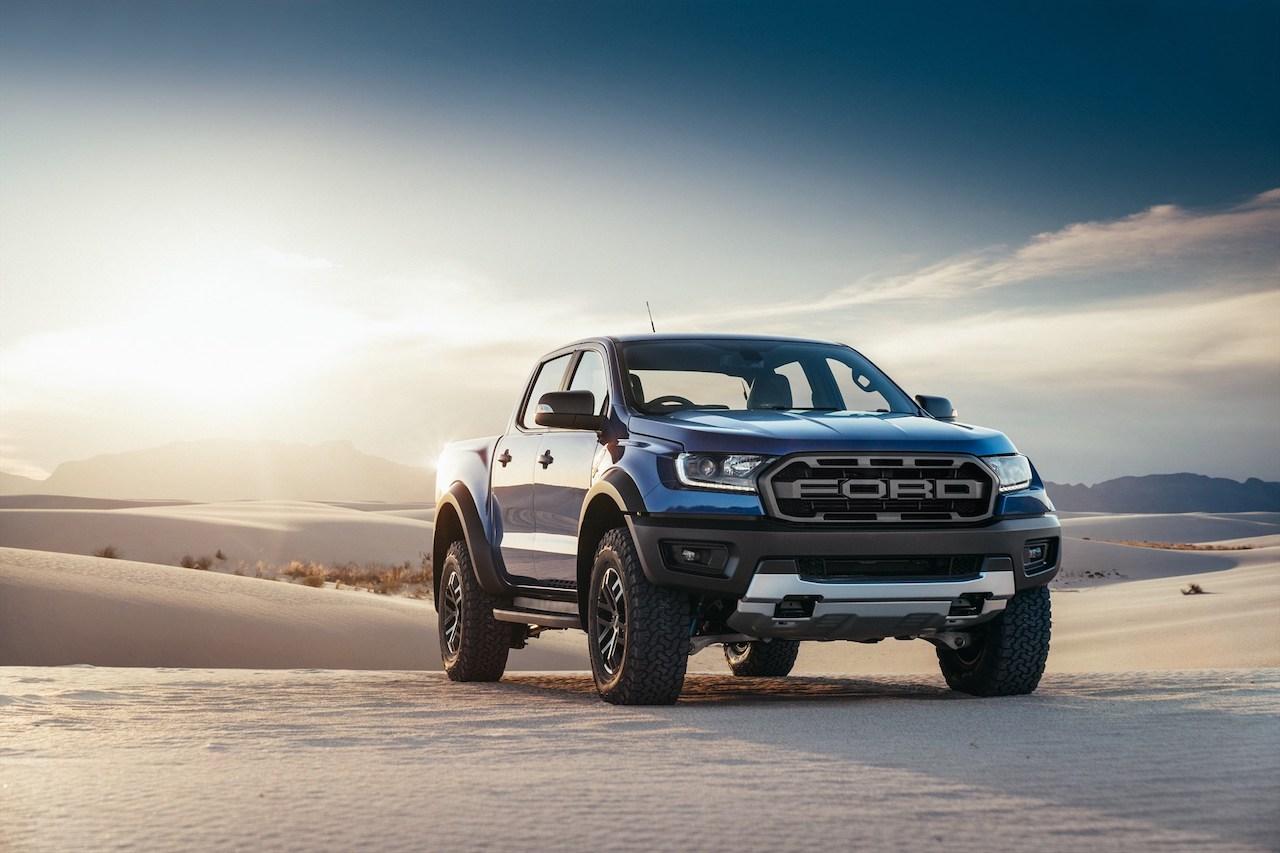
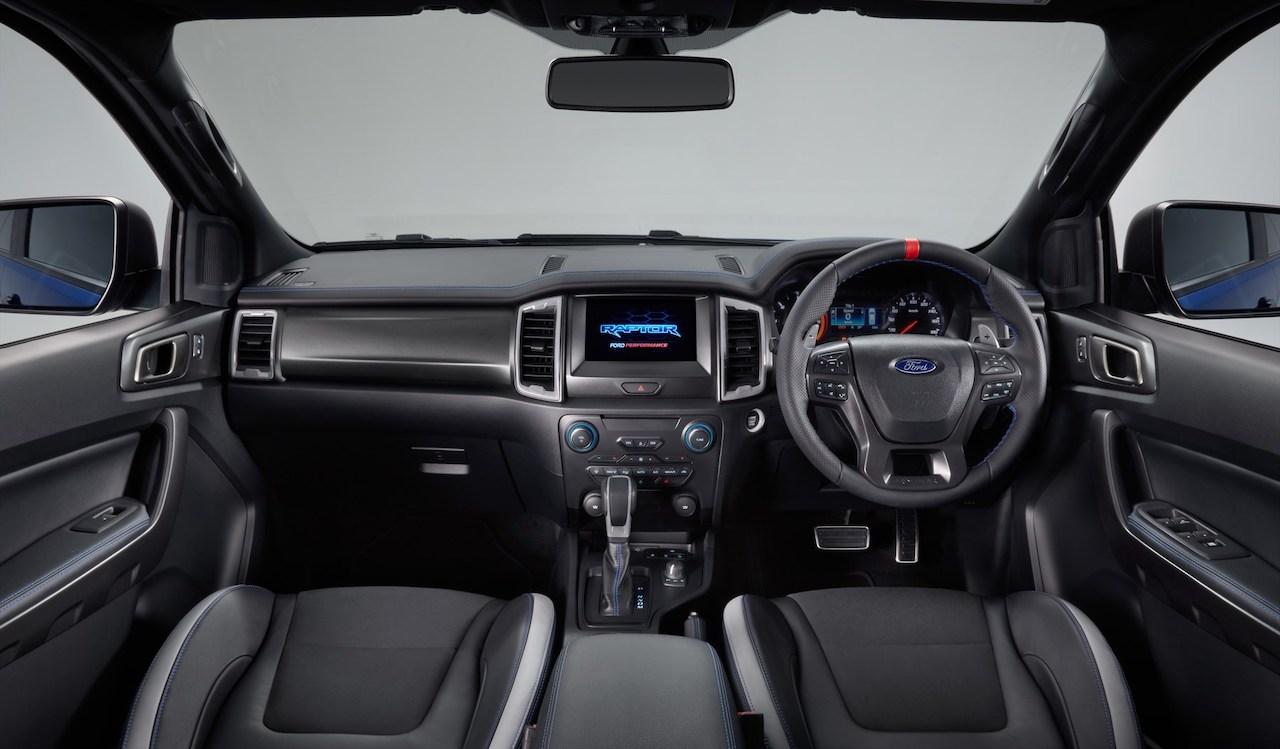
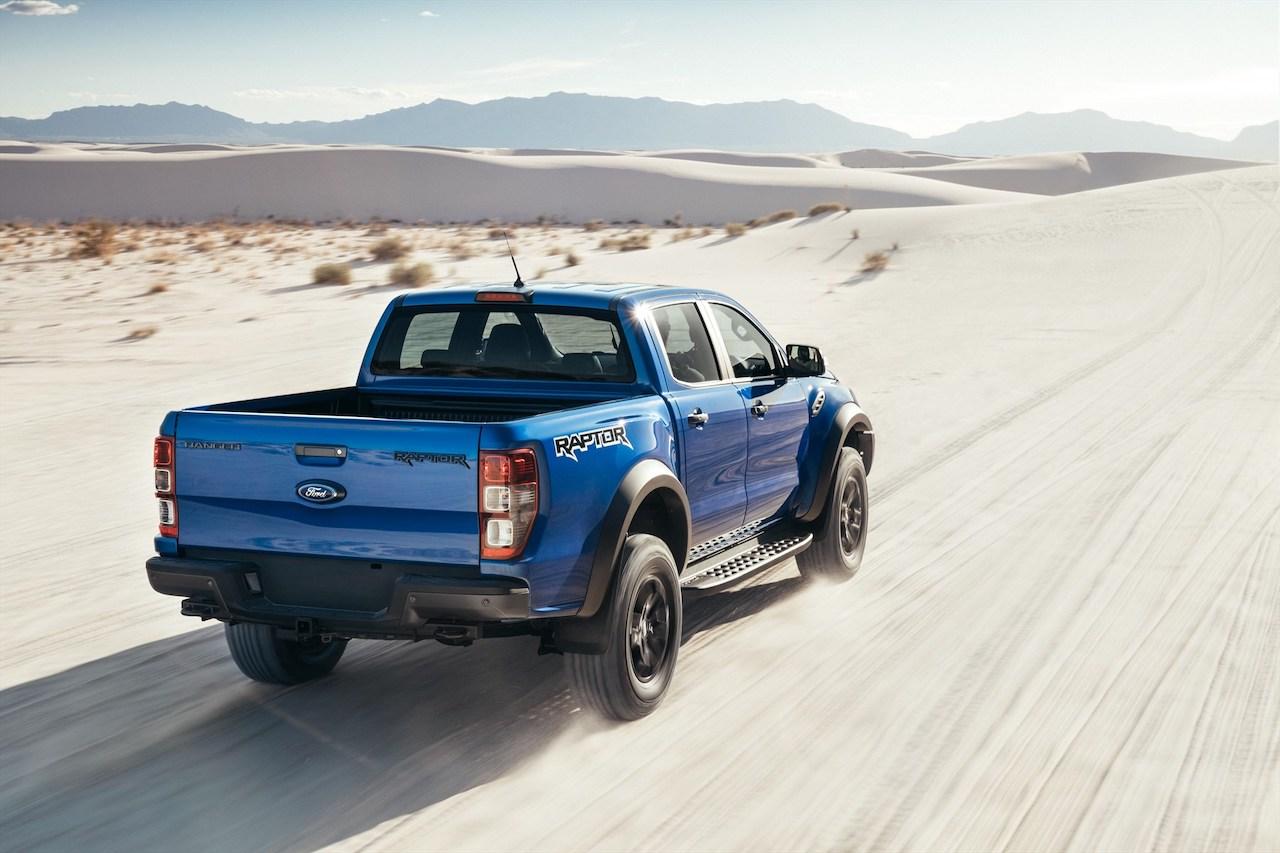
We’ll soon see what the Raptor (the real one, not the plastic-clad replicas we already know) is all about, and when it arrives, the rest of the Ranger range will also be re-shuffled. All we know at this stage is that the Raptor will use an all-new twin-turbo 2.0-litre diesel with 150-ish kW, which will be sent to all four wheels through a new 10-speed automatic gearbox. The running gear also receives an upgrade, with special off-road suspension and unique stability control programming to suit its revised usage pattern. Coinciding with the Raptor’s arrival, the other Rangers will receive similar cosmetic updates, and trim levels will probably also be adjusted. We’ll let you know more, as soon as Ford releases more details...