
Ford Focus Engine Efficiency
Ford Focus Engine Efficiency



By Farzana Chaumoo
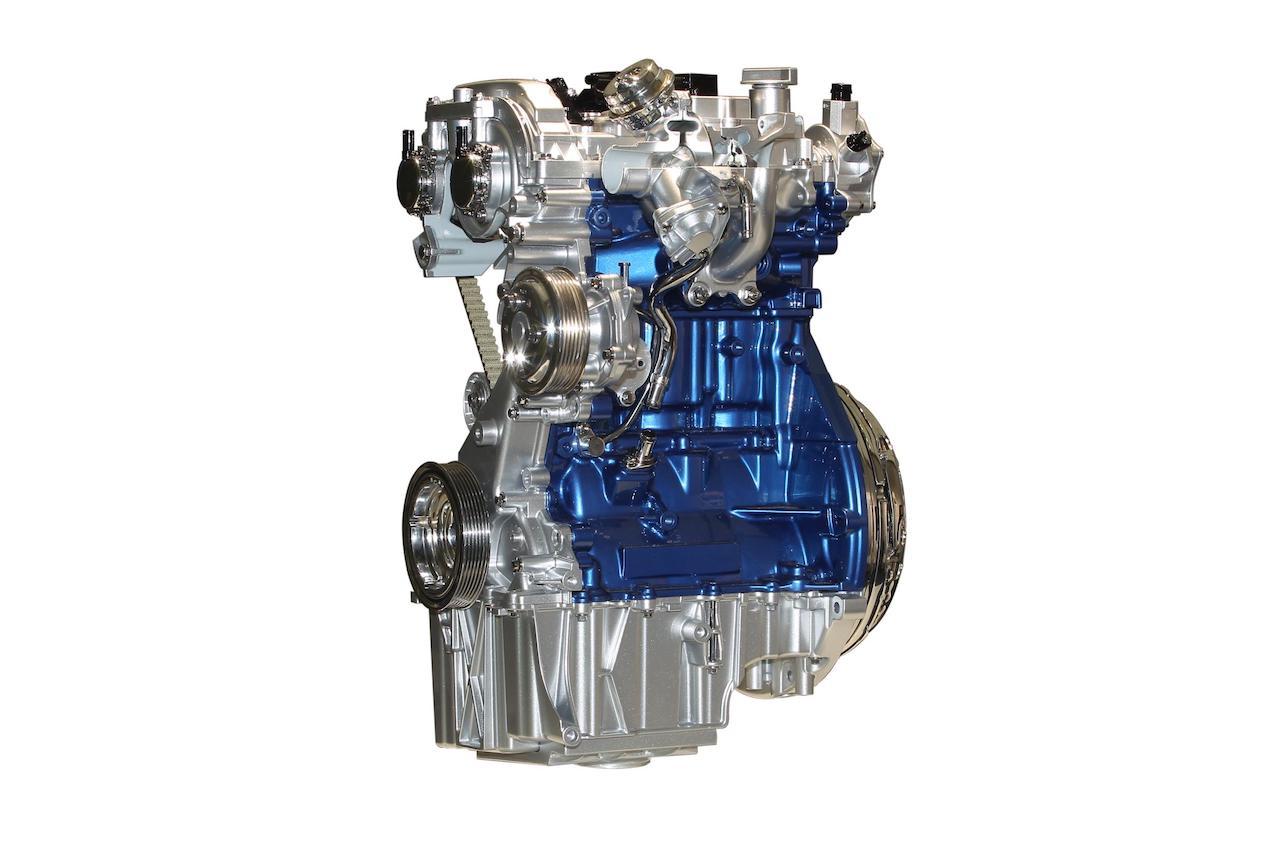
We compare Ford Focus engines, and the efficiency crown goes to the 1.0-litre EcoBoost.
The Focus engines are said to be “not particularly inspiring” and not as punchy as turbocharged four-cylinders available in several competitors. The small, yet efficient, turbocharged 1.0-litre inline three-cylinder is also said to be overmatched by the Focus’s weight in the sedan.
Efficiency Winner: 1.0-litre EcoBoost
If you’re in quest of maximum fuel efficiency, then the turbocharged three-cylinder 1.0-litre engine with the standard 6-speed manual and auto-stop/start would be the best setup.
The fuel-efficiency and CO2 emissions from the EcoBoost engines have been enhanced by Ford’s industry-first cylinder deactivation system for a three-cylinder engine. This system automatically stops one of the engine’s cylinders when its full capacity is not needed, like during coasting or cruising when there is light demand on the engine. The technology can disengage or re-engage one cylinder in 14 milliseconds.
Part of the core EcoBoost technologies includes Twin-independent Variable Cam Timing, high-pressure direct fuel injection, and of course, advanced turbocharging. Emissions have also been reduced to its standard gas particulate filter technology.
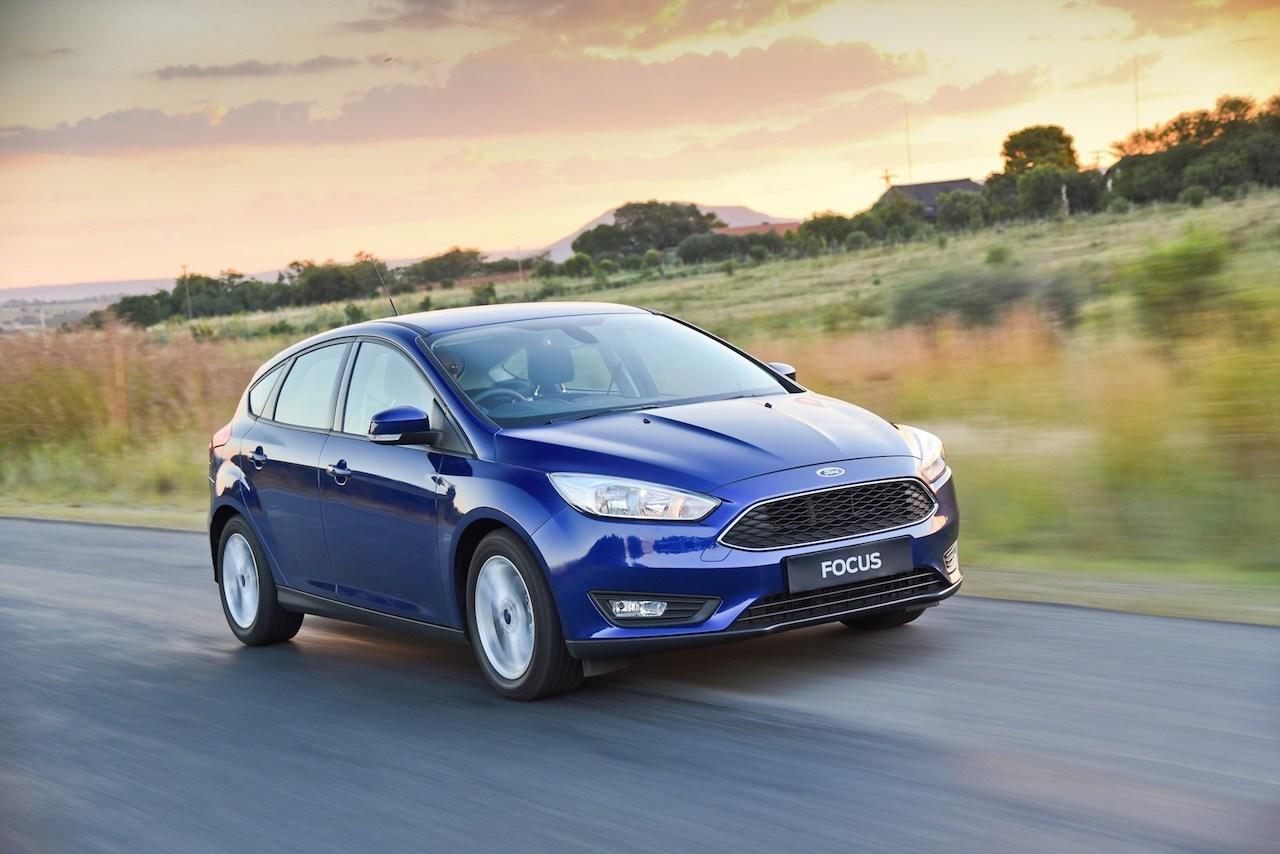
2017 Ford Focus
The Ford Focus engine line-up consists of the 1.0 and 1.5-litre three-cylinder and four-cylinder petrol motors and a 1.5-litre four-cylinder diesel. There’s also a 48-volt ‘mild hybrid’ said to be released by 2020, but no there are no immediate plans for a pure-electric derivative.
Gearbox
Be it a manual or automatic-gearbox, the cars have a six-speed transmission. The autos have a 6-speed PowerShift with SelectShift type of transmission.
Power Output
Ford’s multi-award-winning 1.0-litre EcoBoost petrol puts out maximum power of 92 kW @ 6000 rpm and 170 Nm of torque at 1400-4500 rpm.
The 1.5-litre EcoBoost petrol puts out maximum power of 132 kW @ 6000 rpm and 240 Nm of torque at 1600 – 5000 rpm.
The 1.5-litre TDCi diesel puts out maximum power of 88 kW @ 3600 rpm and 270 Nm of torque at 1750 – 2500 rpm.
Technology
The engine technology in the Focus plays a key role. Not only does it help to reduce running costs and emissions but also delivers rewarding levels of power and performance. The Auto-Start/Stop (link to 4 unique features article) have helped to improve fuel-economy figures across the range.
All the new Focus engines have been designed to meet the stringent Euro 6 emissions standards.
What’s new for 2018?
The four-cylinder and turbocharged three-cylinder engines will be unchanged and the Focus’s mundane acceleration performance will carry over into 2018.