As a brand, Mazda has decided to do things differently from many of its competitors within the automotive industry, offering unique, but brilliant exterior designs, simple yet elegant interiors and of course, sticking with naturally aspirated petrol engines and torque converter automatic gearboxes when many rivals feature downsized turbo power and dual-clutch transmissions.
The Mazda SUV line-up has been its bread and butter from a local perspective, with the CX-3 and CX-5 proving to be massively popular for the Japanese marque. The problem with these two models has been that the CX-3 shares its underpinnings with the Mazda2, meaning that many consider it too small, while some consider the CX-5 as simply too big. In this writer’s opinion, that is why a product like the Mazda3 exists, to fill that supposed void. However, the insatiable consumer appetite for SUVs has spawned SUVs to fill every niche, which has led to the creation of the CX-30, a product that slots between the CX-3 and CX-5 and is based on the latest Mazda3.
Related: Mazda launch CX-30 to public
Styling
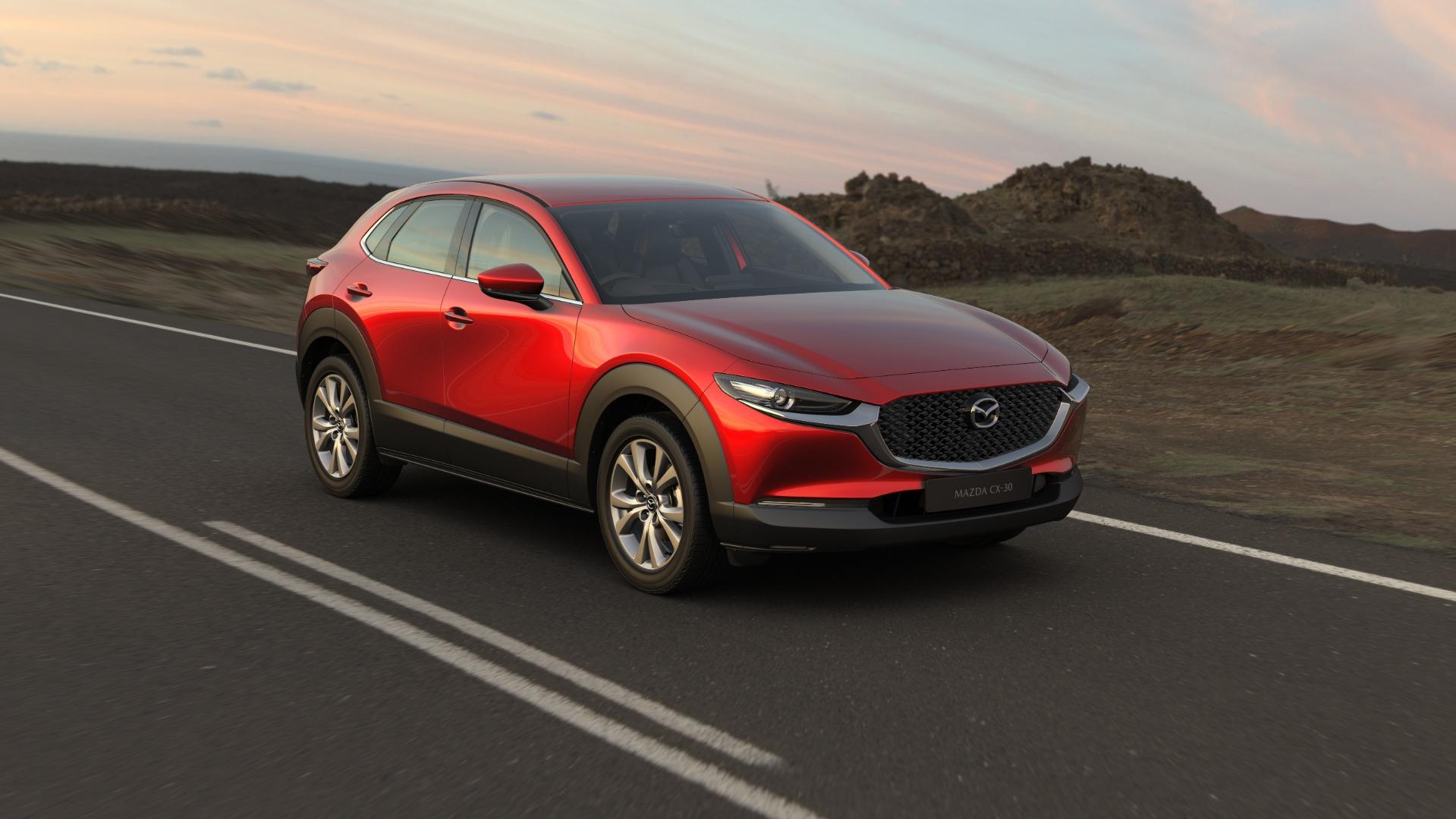
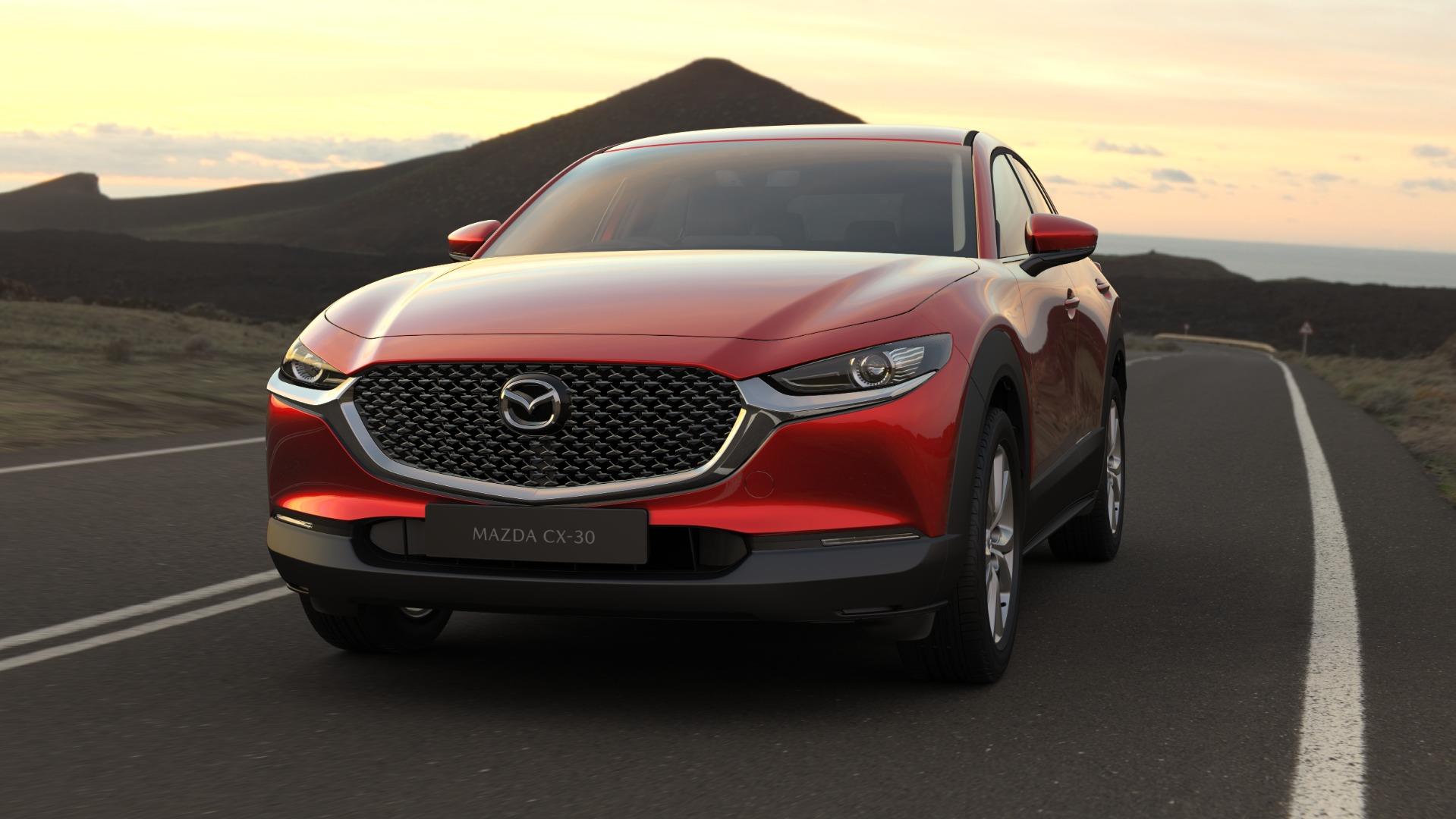
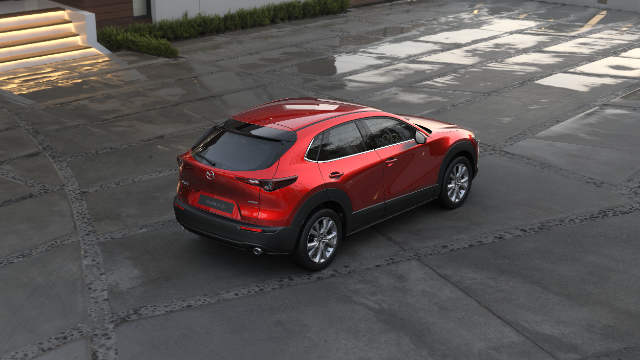
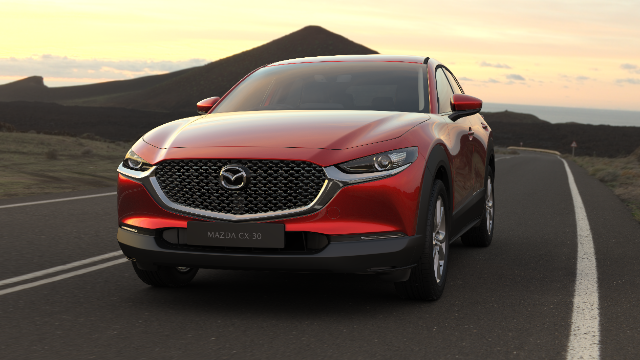
The CX-30, from an exterior design perspective, appears to be a healthy blend of the Mazda3 and its two SUV siblings, making it a rather attractive piece of kit. The front-end features the brand’s expansive grille with a unique mesh pattern with sleek, upswept LED headlamps. The side profile reveals a stylish silhouette with the thick wheel arch cladding contrasting nicely with the sheet metal on the door, which reflects light, creating an ‘S’ symbol. The rear-end appears more compact, with an integrated spoiler, slim taillights that protrude from the bodywork and a rounded rear bumper, creating the desired SUV shape.
Interior
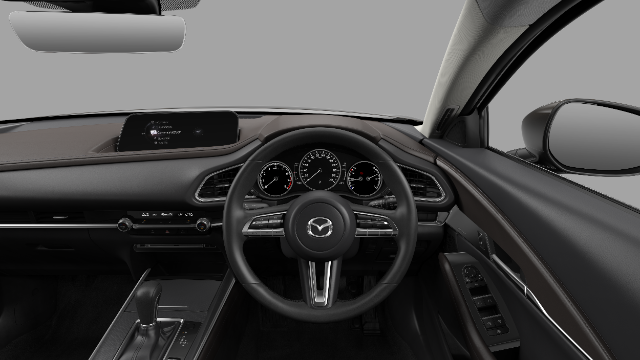
The interior is perhaps the most impressive aspect of the CX-30, with what many would consider a premium design and material usage. There are three CX-30 models available locally, each with different interior design elements. Both the Active and Dynamic-spec vehicle feature black and grey cloth upholstery with blue leather accents while a so-called ‘greige’ cloth seat trim is an option in the Dynamic model. The flagship Individual model gets black leather seats with brown leather accents throughout the cabin.
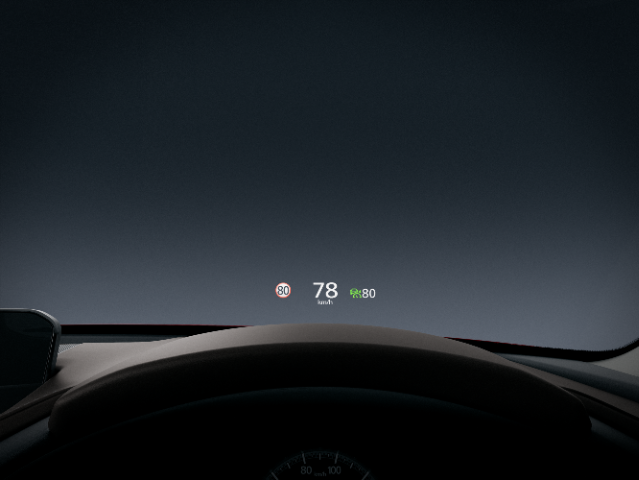
The Individual model also benefits from a 12-speaker Bose sound system, while the other variants make-do with an 8-speaker set-up. The entire range features niceties such as cruise control, a head-up display, keyless start, an electronic parking brake, automatic headlights, electric windows all round, front armrests and ISOFIX child seat anchor points at the rear to name a few.
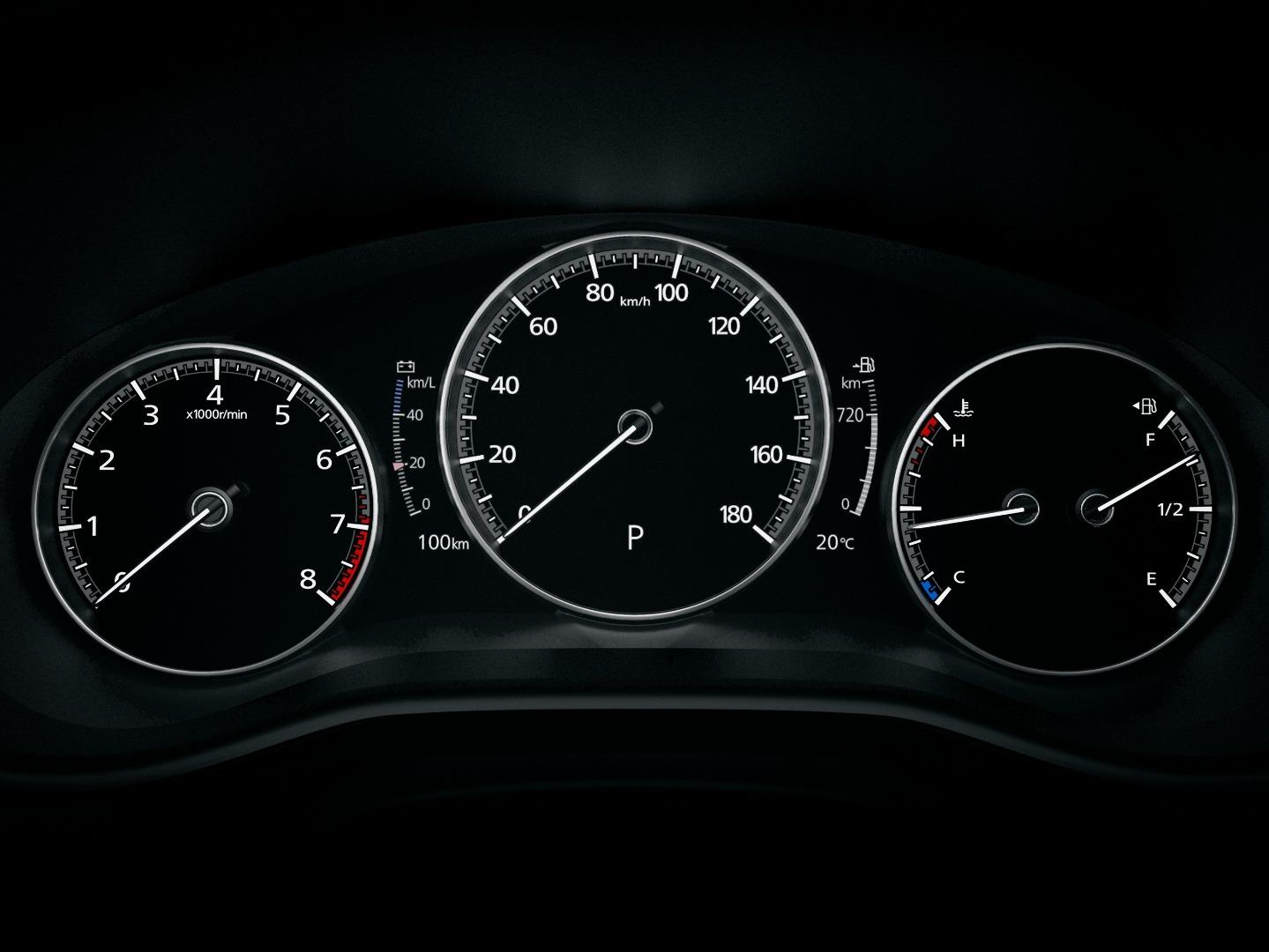
CX-30 models also feature a 7.0-inch digital instrument cluster display which resembles a traditional analogue set-up but can be adjusted to reflect a more digitised look. The infotainment system, called the Mazda Connect (MZD Connect), features an 8.8-inch colour screen display that offers smartphone functionality, including Android Auto, Apple CarPlay, voice command, Bluetooth and USB functionality.
The drive
I had a rare opportunity at the national media launch in that I had a vehicle all to myself. The driving route totalled just over 200km and included a mixed driving environment, allowing me to get a good idea of what the CX-30 has to offer from a driving perspective. All CX-30 models are powered by a 121 kW 2.0-litre naturally aspirated engine that also offers 213 Nm of torque. All models are front-wheel drive and have a six-speed automatic gearbox. Mazda claims a fuel consumption figure of 6.6 L/100km, meaning an estimated driving range of 773km on a single tank of petrol.
When heading out in an urban environment, the six-speed torque converter ‘box and naturally aspirated motor make a good combination at low speed, offering a quick throttle response and smooth shifts in the lower echelons on the rev range. When heading out on the open road, the powertrain is less impressive, though. Extracting the required power and torque for overtaking or when changing lanes results in a sluggish gearchange and a lack of power one might associate with a naturally aspirated car at altitude. From a consumption perspective, the claimed figure was impossible to replicate, with my drive resulting in a figure closer to 8.2 L/100km.
The CX-30 is based upon the Mazda3 platform, but has been made slightly shorter, is the same width but also 105mm taller, meaning that out on the road it feels remarkably like its hatch/sedan sibling. This is most certainly a good thing for keen drivers, as the CX-30 displays a slightly more firm, borderline sporty ride quality coupled with admirable handling. The ride quality appeared to improve when I hopped on board a more basic Active model fitted with 16-inch alloy wheels, as the Individual variant with its 18-inch items would be considered by many as too harsh for a compact SUV.
From a refinement and interior ambience perceive, the CX-30 is impressive, especially when the engine has settled down at freeway speeds, where the wind intrusion, road noise and general refinement make it a quiet and peaceful environment.
Safety
The Euro NCAP crash test evaluation is the gold standard by which vehicle safety is judged. The CX-30 was subjected to evaluation by the organisation in 2019, achieving the maximum 5-stars, including an impressive 99% for adult occupant safety, 86% for child occupant safety, 80% for pedestrian safety and 77% for its safety assist systems. As standard, the CX-30 models get 7 airbags, stability control, ABS with EBD/BAS and Passive collision signalling.
Verdict
Mazda has noted a perceived gap within the market, offering a product that competes just as well with premium contenders such as Audi’s Q2, the Mini Countryman and Volkswagen’s T-Roc as it does with the likes of the Kia Seltos, the Toyota C-HR and the Honda HR-V, to name some. Its premium cabin quality, impressive infotainment system and general refinement make it one to consider when shopping in this segment, just be aware that its powertrain may disappoint when compared with key rivals.
Service plan and warranty
As with all Mazda products locally, the CX-30 range comes with a 3-year/unlimited distance warranty and service plan with service intervals pegged at 15 000km.
Pricing
CX-30 2.0L Active 6AT R469 000
CX-30 2.0L Dynamic 6AT R499 000
CX-30 2.0L Individual 6AT R540 00
Recommended next
2017 Mazda CX-5 – No Makeover Needed