
First Drive Impression: Hyundai i20 Facelift
First Drive Impression: Hyundai i20 Facelift


By Martin Pretorius
The original Hyundai i20 was a breakthrough car for Hyundai. Far more than just a product which appealed mostly on its low selling price, the i20 featured thoroughly up-to-date styling, modern engines, and solid build quality. It changed the public's perceptions of the brand, and proceeded to sell in huge numbers on its own merits, with a strong value proposition matched by good equipment levels and an equally appealing appearance.
The second (and current) generation aimed to repeat its predecessor's success story, and largely succeeded, even in the face of ever-improving competition. Now, this second-generation car has come under the knife for its mid-life update, and predictably, Hyundai didn't really mess with their successful formula.
What's new?
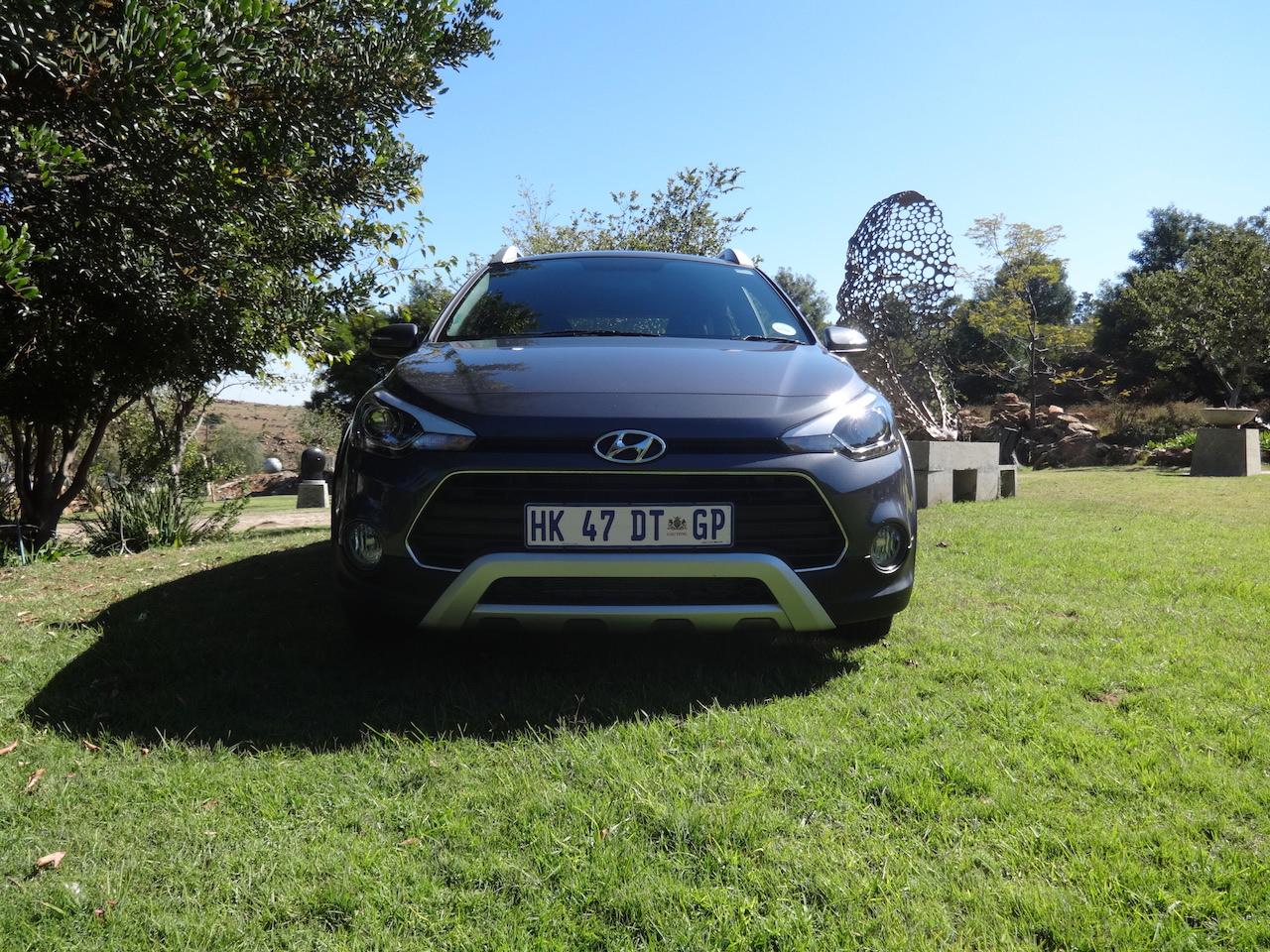
The usual mid-term facelift tricks have been applied: there are new bumpers at both ends, the light clusters have been redesigned, and the tailgate aperture has been subtly reshaped. New design alloy wheels (on higher-spec versions) round off the cosmetic update. Inside the cabin, you'll find more standard equipment and a new touch-screen infotainment system, which now offers optional navigation as well.
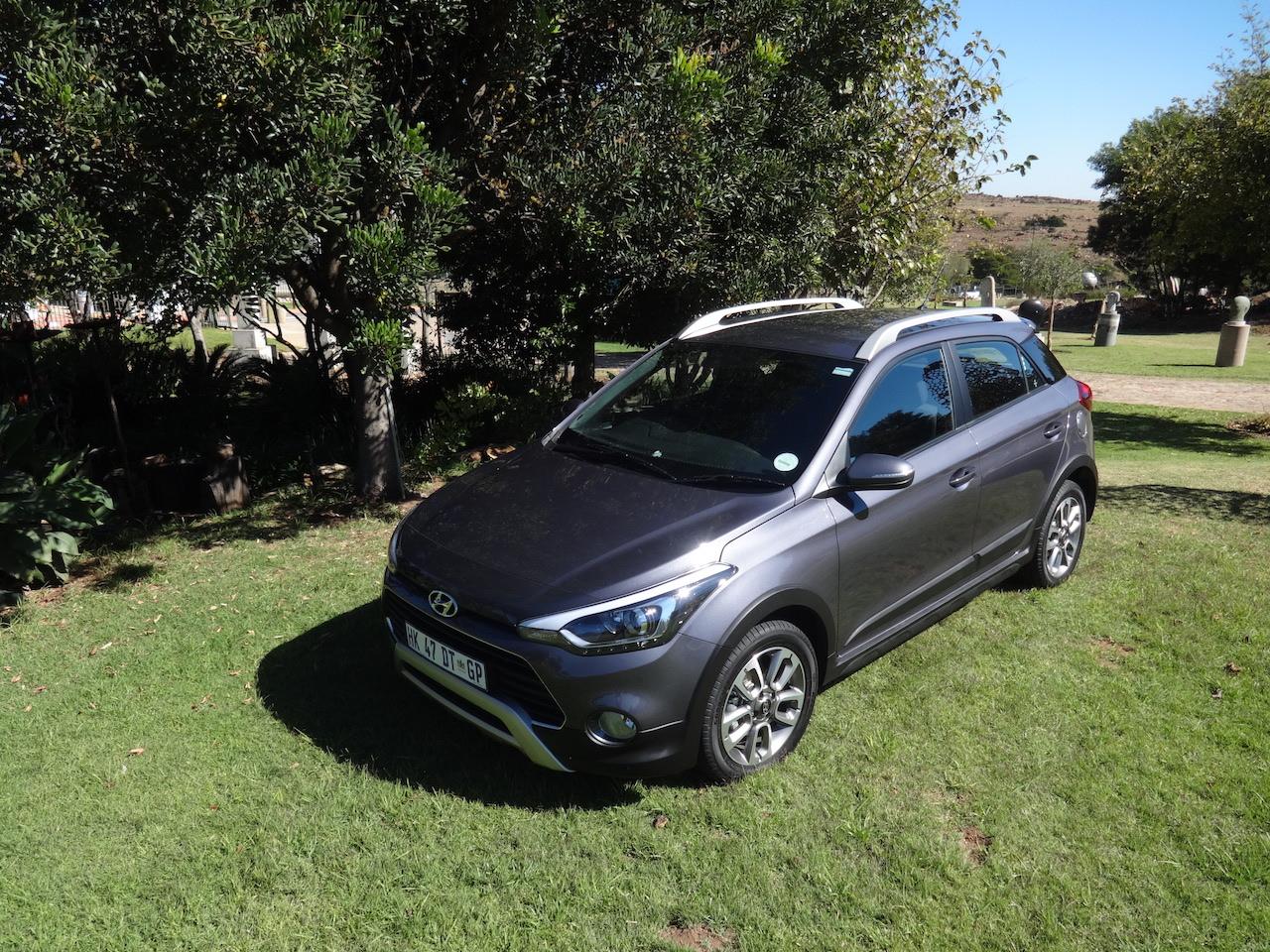
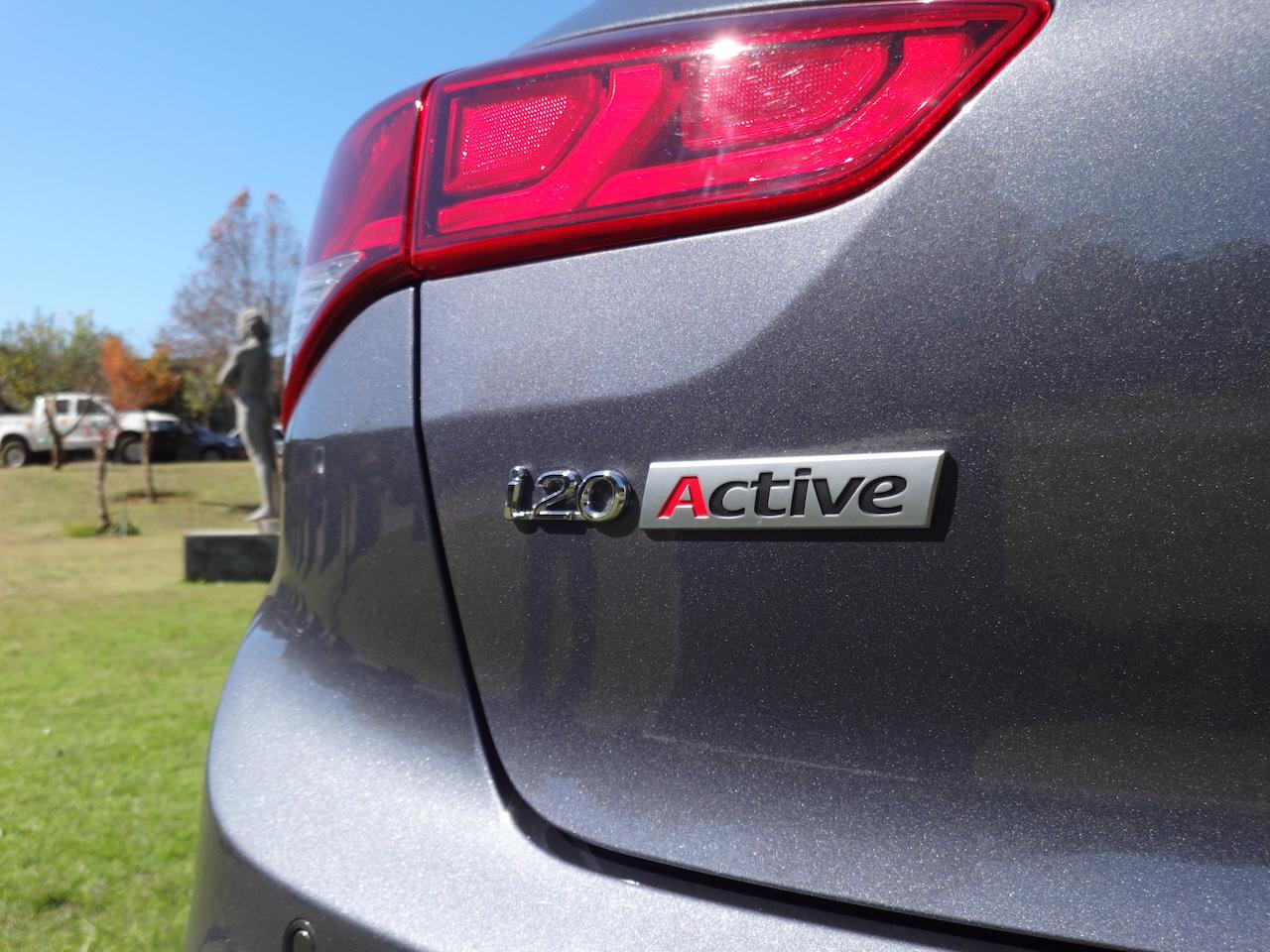
Overall, the changes are subtle but effective, lending a fresher face to Hyundai's small hatchback, but without rendering the outgoing model instantly obsolete. The old “Sport” derivative also disappears, and is now replaced by an “Active” variant – the inevitable plastic-clad version with aluminium-look skid plates (which actually shouldn't be used to deflect anything more substantial than a sparrow, being made of mere plastic) and roof rails. A wannabe crossover, then, although it does at least boast an extra 20mm of ground clearance.
Any mechanical changes?
Absolutely none at all. You still have a choice between two petrol engines, neither of them with either forced induction or direct injection, in 1.2-litre and 1.4-litre formats. It's apparent that high performance didn't feature on the list of characteristics for these engines, although the on-paper outputs are certainly class-competitive.
The 1.2-litre mill produces 61 kW and 115 Nm, and drives the front wheels through a 5-speed manual gearbox. The 1.4-litre is somewhat more potent, with 74 kW and 133 Nm going to the wheels through either a 6-speed manual or 4-speed torque converter automatic.
We had opportunity to sample both engines, both mated to their respective manual transmissions, and while they are smooth and willing enough for general use, their outright performance and overtaking abilities simply cannot match the smaller turbo engines on offer in many of their competitors. More's the pity that this facelift didn't bring us the European-market 1.0-litre turbo engine, as that downsized unit offers a healthy slug of extra torque which would have made overtaking that much less of a chore.
It's better-equipped, though.
In addition to the aforementioned new infotainment system with its optional navigation system (first seen on the updated Grand i10), the entry-level Motion variants come with remote-controlled central locking, two airbags, air conditioner and electric windows in front.
To this, the more-upscale Fluid versions add climate control instead of the basic air-con system, alloy wheels, rear electric windows, automatic headlight operation, a centre armrest, and rear parking sensors. Finally, the Active adds two-tone upholstery and contrasting trim on the dashboard and gear lever, to liven up the rather dark cabin.
What's it like to drive?
This facelift also includes minor adjustments to the suspension and body structure, which results in greater refinement. While the engines can't be called potent by any measure, they are at least smooth and free-revving, while the slick-shifting gearboxes encourage the driver to wind the engines out in search of meaningful forward motivation.
The updated i20 is also surprisingly adept on winding roads, where the chassis's inherent balance and good mechanical grip allows it to scythe around corners with sure-footed confidence. That said, the steering still has that strange “stickiness” around the centre point which often appears on Hyundais and Kias, and there's very little feedback through the wheel when tackling corners with enthusiasm. Directional stability could also do with a little improvement, as the cars we drove tended to wander slightly about their lanes in freeway conditions.
It's also fair value.
When gauged against its natural competitors (VW Polo, Ford Fiesta and Opel Corsa, to name a few), the new i20 is competitively priced, especially given its comprehensive standard equipment level. While it cannot match most of these opponents in the performance arena (because they all offer turbo-charged engines), it makes up some lost ground with Hyundai's excellent standard warranty (5 years or 150 000 km) and good service plans (2 years/30 000 km for the 1.2, and 3 years/60 000 km for the 1.4).
The value of this warranty and these service plans cannot be overstated, as the sensible types who'd consider such a car in the first place would appreciate this peace of mind. And so, it all comes down to value again – but will that be enough to entice more buyers to leave their Polos and Fiestas behind? Going on past success, it just might...
Hyundai i20 Range and Prices:
1.2 Motion manual: R229 900
1.2 Fluid manual: R241 900
1.4 Motion auto: R254 900
1.4 Fluid manual: R266 900
1.4 Fluid auto: R284 900
1.4 Active manual: R279 900