
Factory fitting vs garage fitting: waiting time & costs explained
Factory fitting vs garage fitting: waiting time & costs explained



By Martin Pretorius
Because local car factories can only supply a limited range of products, most of the cars in our marketplace are fully imported. This means that buyers are often forced to accept whatever the dealer has in stock, because ordering a car built to your exact specifications will lead to months on a waiting list, mainly due to the sheer distances involved.
This situation gets even more frustrating when the car you want is in high demand – because this allows the importer to simply place a bulk order and bring in a whole bunch of cars with an average specification level, knowing that they will be able to sell whatever they bring in. The same really applies to locally-built cars as well, with the only difference being the time delay inherent in the delivery.
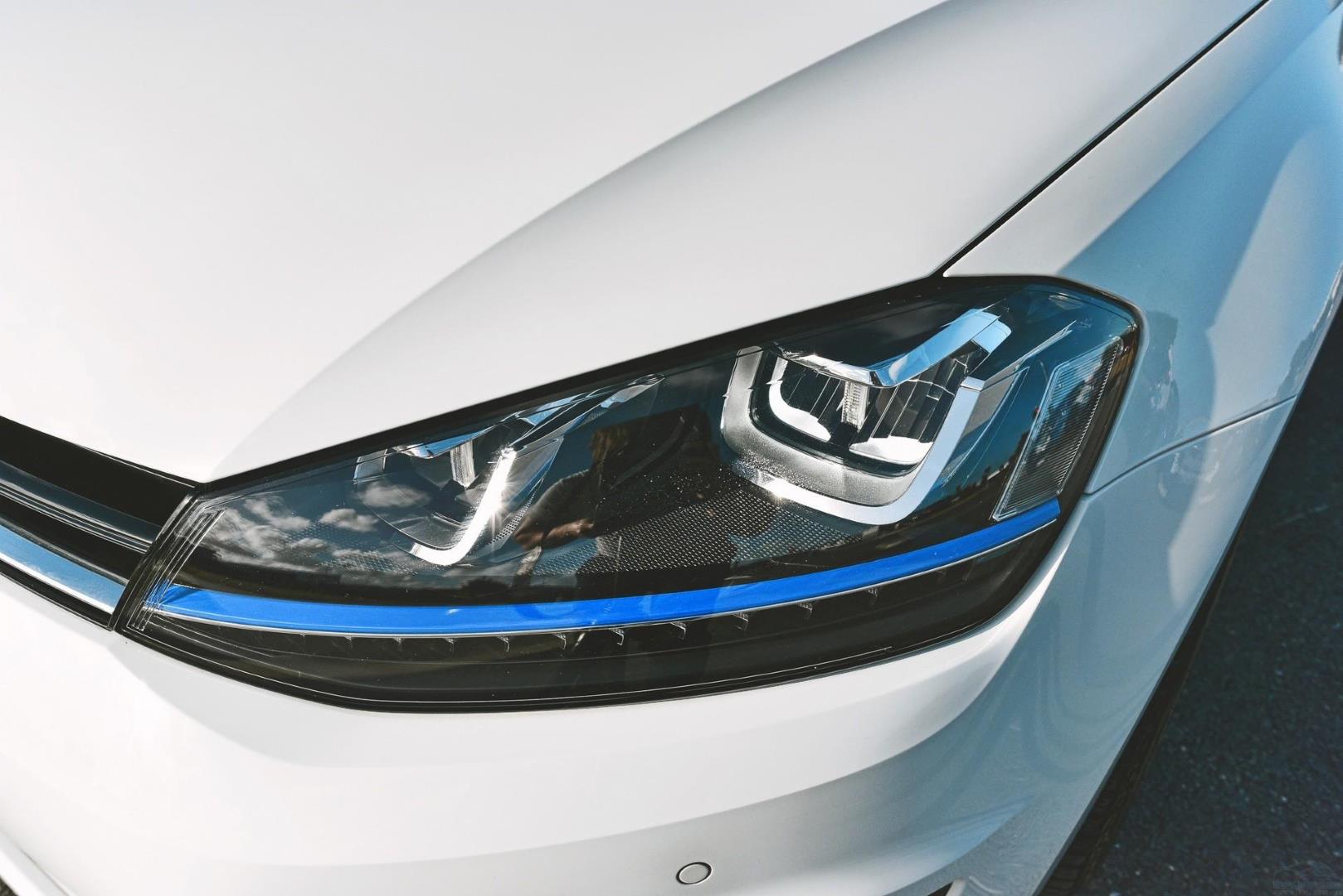
But what if the dealer has the car you want, but it's lacking some equipment without which you cannot do? For example, let's say there's a blue Golf TSI in stock at the dealership, almost exactly like the one you've always dreamed of, but it doesn't have the panoramic sunroof or LED lights you really want. Would it be worthwhile to have the dealer retrofit these things, or should you just resign yourself to a long wait and order the car according to your needs?
It's not always possible to retrofit equipment.
In the example above, the Golf is lacking some crucial pieces of equipment. And, in this case, it simply won't be possible to fit the sunroof at the dealership – especially if you insist on an original equipment item – because it would entail significant structural alterations to the car's body shell.
It would likewise be ruinously expensive (and introduce a whole host of potential quality issues) to have the dealership upgrade the car to LED headlights, because the hardware needed will cost a fortune when bought as spare parts. Furthermore, there might be a need for other supporting upgrades to handle the LED lights. This hypothetical Golf is an extreme example, but serves to demonstrate why it's not always feasible to have the garage (dealer) fit the things you want – and, even if it were possible, it would most likely still cost far more than it should.
There are some things the dealership could fit.
While major structural or electrical changes won't be cost-effective (and may not even be any good), things such as cruise control, alloy wheels or tow bars can definitely be fitted at the garage. In fact, some of these options won't even be available in the overseas markets from which the cars are sourced, meaning that it will, by necessity, have to be fitted after the car arrives on local shores.
In these cases, it's both cost- and time-effective to rather have the garage fit the accessories. Ordering them from the factory will in fact add so much to the delivery time, that any potential cost savings would be negated by the price increases which are sure to happen before delivery. It's also possible that the dealer would be able to source the parts locally, and at a lower price (this applies specifically to things like approved tow bars and bull bars), which will save even more money.
As with most things in life, there are positives and negatives to every course of action. It pays to do some research regarding which factory-fitted items can be added at the dealership, and plan your purchase accordingly. Finding the right balance will let you drive away in your new car with minimum delay and at the lowest price.